- BIST10011,722-2.89%
- USD49.42+0.06%
- EUR55.41+0.20%
- GOLD4,186.70+0.40%
- INTEREST37.00%-1.00
- BITCOIN81,630-0.61%
- October 17, 202611°
- BIST10011,722-2.89%
- USD49.42+0.06%
- EUR55.41+0.20%
- GOLD4,186.70+0.40%
- INTEREST37.00%-1.00
- BITCOIN81,630-0.61%
- October 17, 202611°
Strategic rift in Ukraine's military top brass leads to dismissal of two generals
Deep strategic differences between Defense Minister Mihail Fedorov and Chief of General Staff Aleksandr Sırski led to the dismissal of both. Ukraine faces a critical crossroads that will determine the future of the war.


A strategic clash within the upper echelons of the Ukrainian military resulted in the dismissal of two key generals. The disagreement between Defense Minister Mihail Fedorov and Chief of General Staff Aleksandr Sırski revealed deep differences of opinion regarding the country's war strategy.
General Mihail Drapatıy, known for his closeness to Fedorov, was appointed to replace the dismissed Sırski. This appointment was interpreted as an increase in the influence of Fedorov's supporters within the military leadership.
Fedorov's technology-focused war doctrine
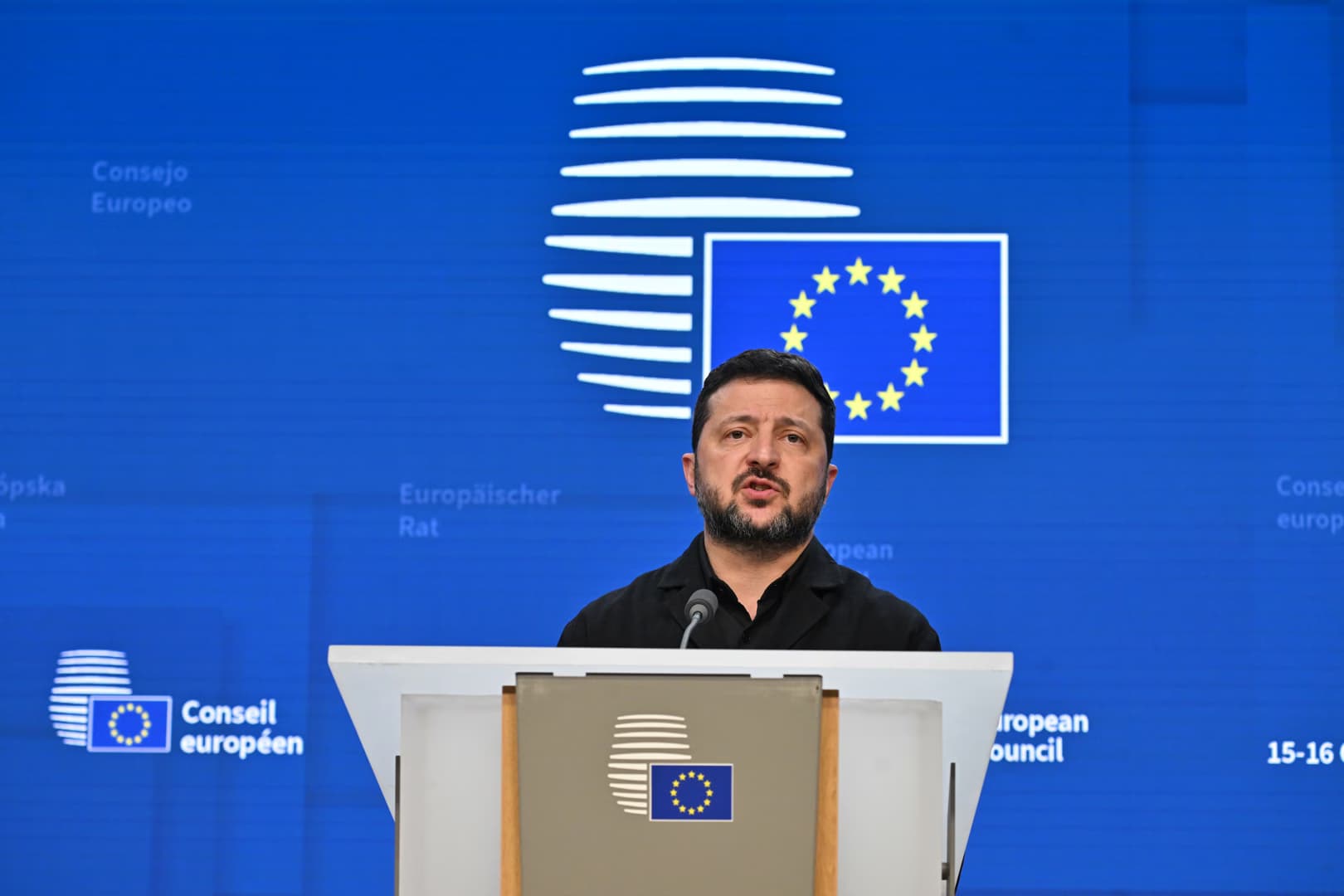
Defense Minister Mihail Fedorov, who served for about six months, stood out with unmanned aerial vehicles (UAVs) and asymmetric warfare strategies. Fedorov, who previously served as deputy prime minister and minister of digital transformation, also managed to prevent the illicit use of Elon Musk's Starlink terminals by the Russian military.
Fedorov advocated an 'asymmetric warfare' doctrine for Ukraine's victory. This strategy envisioned a technology-focused struggle ranging from small UAVs targeting infantry on the front line to long-range drones striking oil refineries deep inside Russia.
Sırski's management style and criticisms
In contrast, Chief of General Staff Aleksandr Sırski led troops during the most difficult periods of the war but was remembered for heavy losses and controversial decisions. In a presentation published after his resignation, Fedorov listed Sırski's mistakes: excessively harsh management, micromanagement, interference in the work of local commanders, and the replacement of dissenting officers with loyalists.
Sırski's tendency to defend besieged positions at all costs and to force troops to retake lost points drew criticism from military experts. It was also stated that he formed assault units described as 'personal guard regiments' that received disproportionate resources.
Mobilization system and public backlash
As Chief of General Staff, Sırski was also held responsible for the conscription system. The harsh practices and scandals of mobilization centers (TTSK) across the country caused great public unease. At protests held after Fedorov's resignation, young people and IT sector workers in particular expressed fear that if Sırski remained, everyone would sooner or later be sent to the front.
The chasm between two strategies
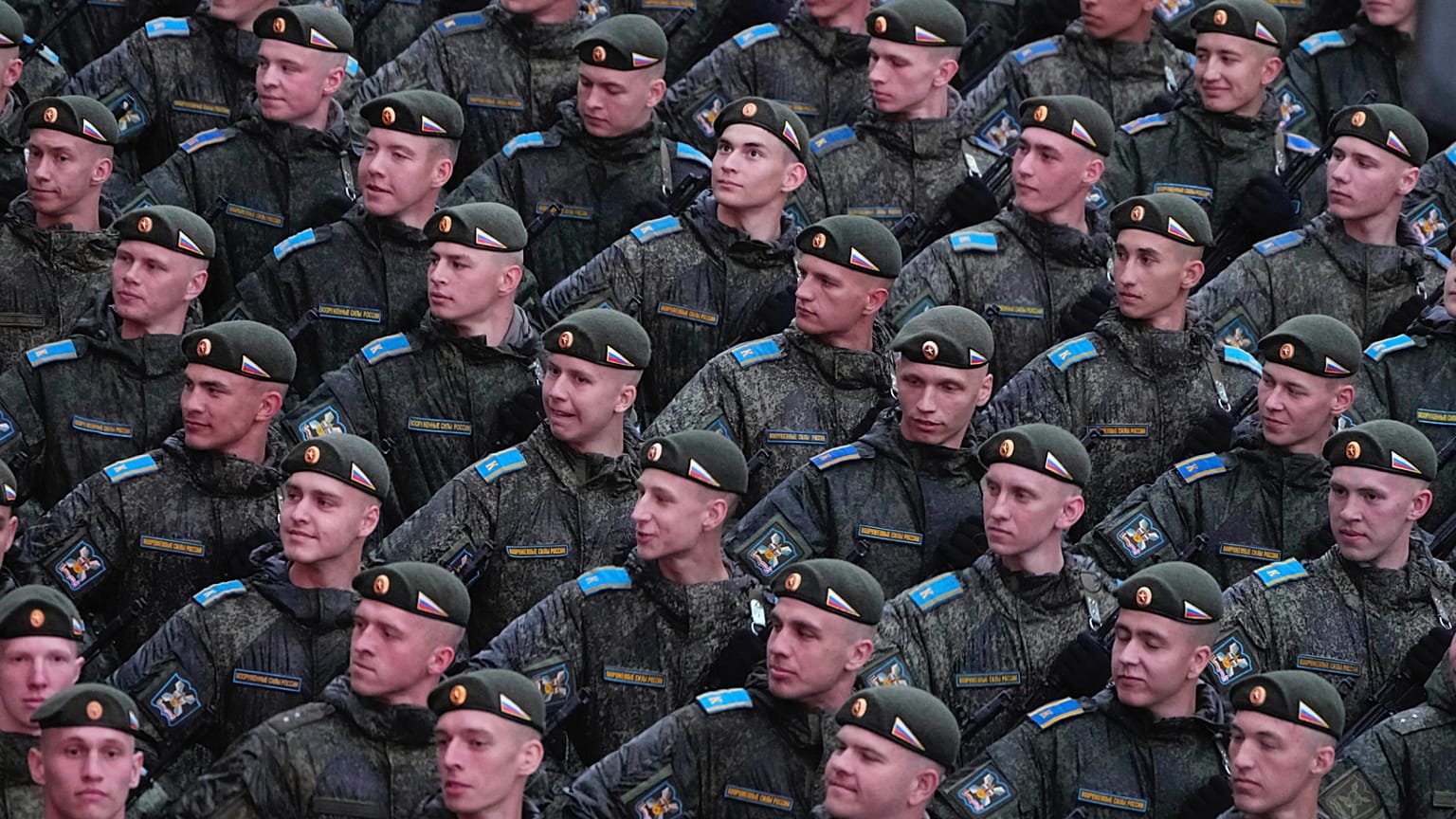
A source close to the Ukrainian presidential office described the conflict as a struggle between 'reformist, humane but detached from the realities of war Fedorov' and 'Soviet-style general Sırski.' It was stated that while Fedorov emphasized UAV assault units, Sırski relied solely on infantry attacks.
Sırski responded to the accusations with a short written statement. He argued that he had to keep his victory strategy secret from the enemy, that he played a leading role in establishing unmanned systems, and that a reform plan to address the shortcomings in the mobilization system should be prepared by the Defense Ministry and parliament.
Ukraine's future strategic choice
This debate also raised the question of what outcome Ukraine will emerge from the war with. It is assessed that Moscow has not abandoned its goal of capturing the entire Donbas, but the scenario of collapsing Ukraine as a whole is not realistic.
Ukraine, on the other hand, finds a ceasefire on the current front line acceptable. However, for this to happen, Russian offensives must be halted and technological superiority must be maintained in the attrition phase of the war. The clash between Fedorov and Sırski reflects a critical choice at this very point about which path to follow.
Stay Updated with RuskiGazeta
Subscribe to be informed about special news, developments and announcements. We will keep you informed.
By signing up, you agree to our Privacy Policy