- BIST10011,722-2.89%
- USD49.42+0.06%
- EUR55.41+0.20%
- GOLD4,185.20+0.36%
- INTEREST37.00%-1.00
- BITCOIN81,530-0.73%
- October 16, 202612°
- BIST10011,722-2.89%
- USD49.42+0.06%
- EUR55.41+0.20%
- GOLD4,185.20+0.36%
- INTEREST37.00%-1.00
- BITCOIN81,530-0.73%
- October 16, 202612°
Six-year sentence in Russia for activist in Georgia
Alexandra Pugach was sentenced in absentia to six years in prison in Kirov on charges of spreading "false information" about the Russian army. The court also banned the website ...
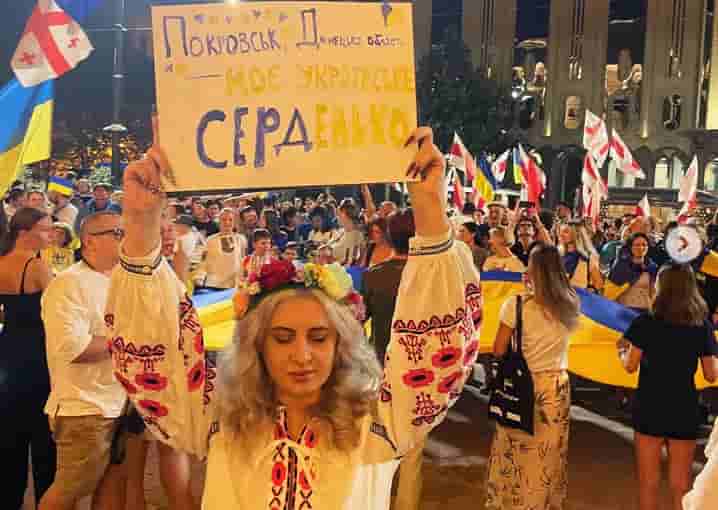
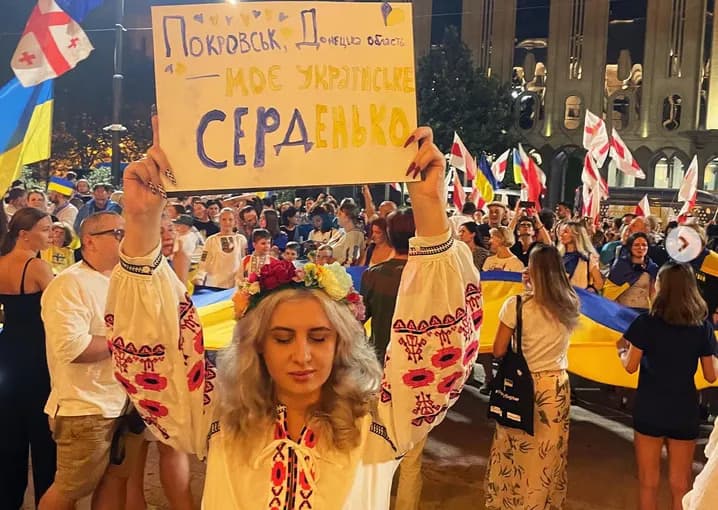
A court in Kirov sentenced 28-year-old activist Alexandra Pugach, who lives in Georgia, to six years in prison in absentia on charges of spreading "false information" about the Russian army. The decision was made on May 14 and later came into effect.
The court also banned Pugach from managing websites for three and a half years. The case was opened following a speech in which she called for support for Ukraine.
Highlights
- Alexandra Pugach was sentenced to six years in prison in absentia in Kirov.
- The charge was recorded as spreading "false information" about the Russian army.
- The court decision was made on May 14 and the sentence came into effect.
- Pugach was also banned from managing websites for three and a half years.
- The case was opened following a speech she made at an anti-war rally in Georgia.
Trip to Georgia and family ties
According to the information in the report, Pugach went to Georgia after Russia's large-scale attack on Ukraine and cut off contact with her father. It was noted that her father, Valentin Pugach, is the rector of Vyatka State University and served as Vladimir Putin's official representative in the Kirov region during the 2018 presidential election.
This family connection made the background of the case even more striking. The political tension was added to the case by the contrast between the daughter's anti-war stance and the father's service on behalf of Putin.
Case opened after anti-war speech
The criminal case against her was initiated after a speech she gave at an anti-war rally held in Georgia. It was reported that in this speech, Pugach called on people to support Ukraine and donate to the Ukrainian army.
The charge on which the court based its decision was the allegation of spreading "false information" about the Russian army. Although no other legal detail was included in the decision, it was reported that the sentence was finalized.
Context: This case became one of the latest examples showing how cases opened in Russia over anti-war statements related to the Ukraine war can turn into severe penalties.
Outcome of the decision
The sentence was delivered at the end of a process in which Pugach was tried without returning to Russia. With the verdict given in absentia, both a prison sentence and an additional sanction covering the digital domain were applied.
After the court decision, the case was closed; however, the decision was recorded as a notable example of the judicial consequences of anti-war statements within Russia.
Stay Updated with RuskiGazeta
Subscribe to be informed about special news, developments and announcements. We will keep you informed.
By signing up, you agree to our Privacy Policy