Russia's crude oil exports have reached their highest level since the start of the war in Ukraine. An increase in seaborne shipments and the disabling of some local refinery capacity due to Ukrainian drone attacks pushed export volumes to record levels.
According to tanker tracking data compiled by Bloomberg, Russia's four-week average crude oil exports rose to 4.13 million barrels per day in the period ending June 28. This was the highest level seen since 2022. Weekly shipments hit an all-time record of 4.63 million barrels per day.
The total volume of Russian oil transported by sea reached approximately 133 million barrels, marking a 34% increase compared to mid-April. Shipment buildups have begun off the coast of Egypt and east of Singapore, indicating difficulties in releasing some quantities onto the market.
Revenues decline
Despite the record increase in export volumes, Russia did not achieve a similar financial gain. On a four-week average, weekly revenue from oil exports fell to approximately $1.9 billion, the lowest level since March. The decline was driven by a drop in global prices and a corresponding decrease in the price of Urals crude oil.
The average price of Urals oil loaded from Baltic ports fell to $62.66 per barrel, while Urals shipped from the Black Sea dropped to $62.18 per barrel. Russia's ESPO crude oil traded at $74.27 per barrel.
Market observers assess that Moscow may have to offer larger discounts for its crude oil if demand from its biggest buyers, particularly China and India, remains weak, or if waivers on Iranian oil are extended beyond mid-August.
Refinery attacks and domestic pressures
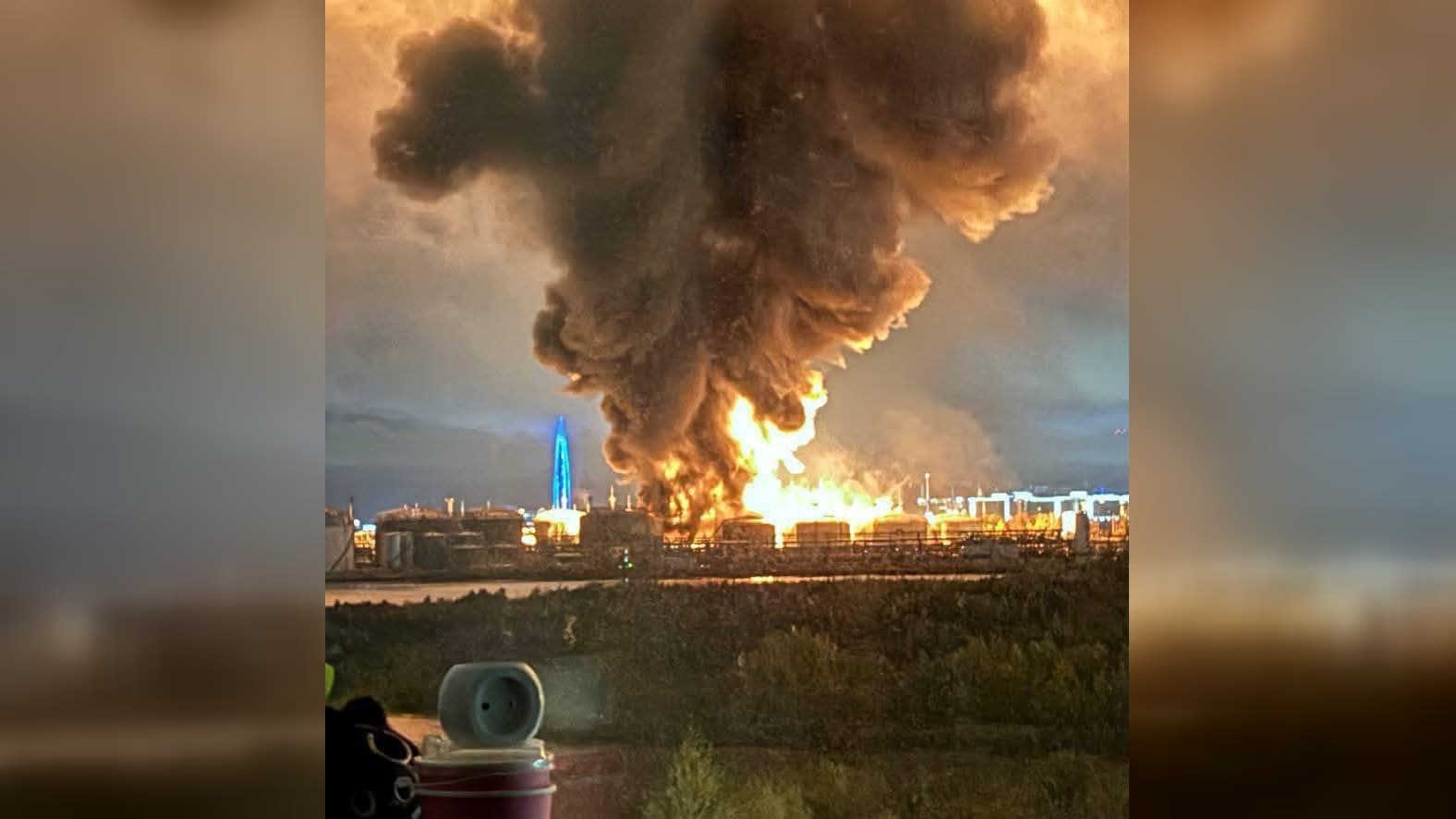
The increase in exports coincided with a period of continued Ukrainian drone attacks on Russian oil refineries. The attacks led to crude oil that could not be processed locally being diverted for export. Recent attacks targeted facilities in Ufa, Yaroslavl, and Slavyansk-na-Kuban, as well as the Moscow Refinery. Estimates suggest the Moscow Refinery could remain offline until the end of the year.
Russian President Vladimir Putin said the country is experiencing problems with fuel supply, with shortages and queues at gas stations in some regions. Putin stated that the government has established a task force working around the clock to resolve the crisis and ensure supply. He said gasoline reserves currently stand at about 1.7 million tons, with production expected to increase in July, and added that a full ban on diesel exports is being considered to stabilize the domestic market. Deputy Prime Minister Alexander Novak had previously stated that such a step was not necessary for now.
Putin also emphasized that fuel supply to the agricultural sector will be prioritized during the harvest season, calling it essential for the continuity of agricultural production.
Shift toward Asian markets
Data showed that exports to Asian markets – including shipments with undisclosed destinations – rose to 3.98 million barrels per day in the four-week period ending June 28. This was the highest level since 2022. Shipments to China stood at approximately 1.08 million barrels per day, while declared volumes to India fell to 740,000 barrels per day. More than 2.1 million barrels per day were transported on tankers whose final destination has not yet been announced. This common practice in Russian oil trade since the start of Western sanctions reflects a strategy of keeping the direction of shipments concealed.
Economic impacts
The developments in the energy sector coincide with a slowdown in the Russian economy. Russian Central Bank Deputy Chairman Alexey Zabotkin said that the fuel sector operating below full capacity for several months could negatively affect economic performance this year.
The Russian Central Bank had announced its forecast for gross domestic product growth for 2026 at between 0.5% and 1.5%. Concerns are being raised that ongoing attacks on energy infrastructure will increase pressure on economic activity.