Sergey Kononuchenko described the European Union’s energy policy as a combination of an approach aimed at punishing Russia and an effort to force economies to become greener rapidly. Kononuchenko, the Russian foreign minister’s special representative for climate issues, made the assessment in remarks on the climate and energy agenda.
Kononuchenko said climate-related emergencies in Europe had not brought Russian and Western delegations closer in climate negotiations. He claimed that Russia was being held responsible for political instability, socioeconomic problems and changes in weather conditions in the European Union.
Consequences of the energy transition in Europe
Kononuchenko said interest in nuclear energy was rising again in Europe and that extending the operating periods of coal-fired power plants was being discussed in some countries. He said energy was one of the main negotiating topics on the climate agenda.
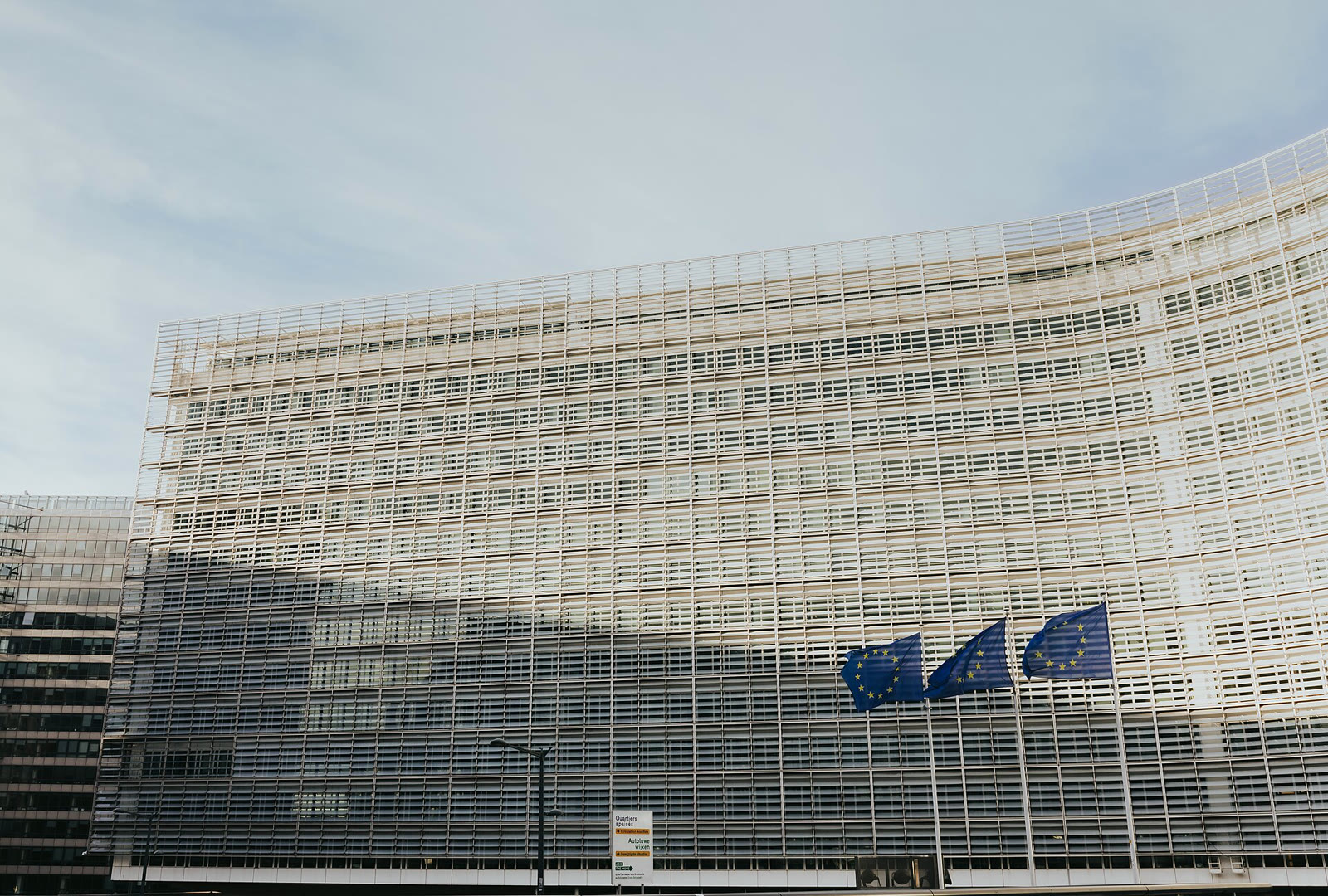
Kononuchenko noted that the European Union supports its “just transition” approach and clean energy sources, but argued that the social and economic consequences of its policy of rapidly reducing greenhouse gas emissions had not been taken sufficiently into account. He said it might be possible to abandon natural gas supplies, but that a financially accessible, stable and reliable alternative would have to be found instead.
According to Kononuchenko, ending supplies of low-emission natural gas from Russia, taking the Nord Stream pipelines out of service and closing nuclear power plants amount to the simultaneous emergence of a desire to punish Russia and an attempt to push economies into a rapid and compulsory green transition.
Kononuchenko said rising energy prices and inflation had increased political pressure on European governments, adding that under these conditions authorities had turned to measures such as extending the operating periods of coal-fired power plants and increasing the use of wood or pellets.
Russia calls for a balanced transition
Kononuchenko said Russia’s approach in climate negotiations was not to abandon any energy source before an accessible alternative was available, adding that transition policies should take countries’ economic conditions into account.
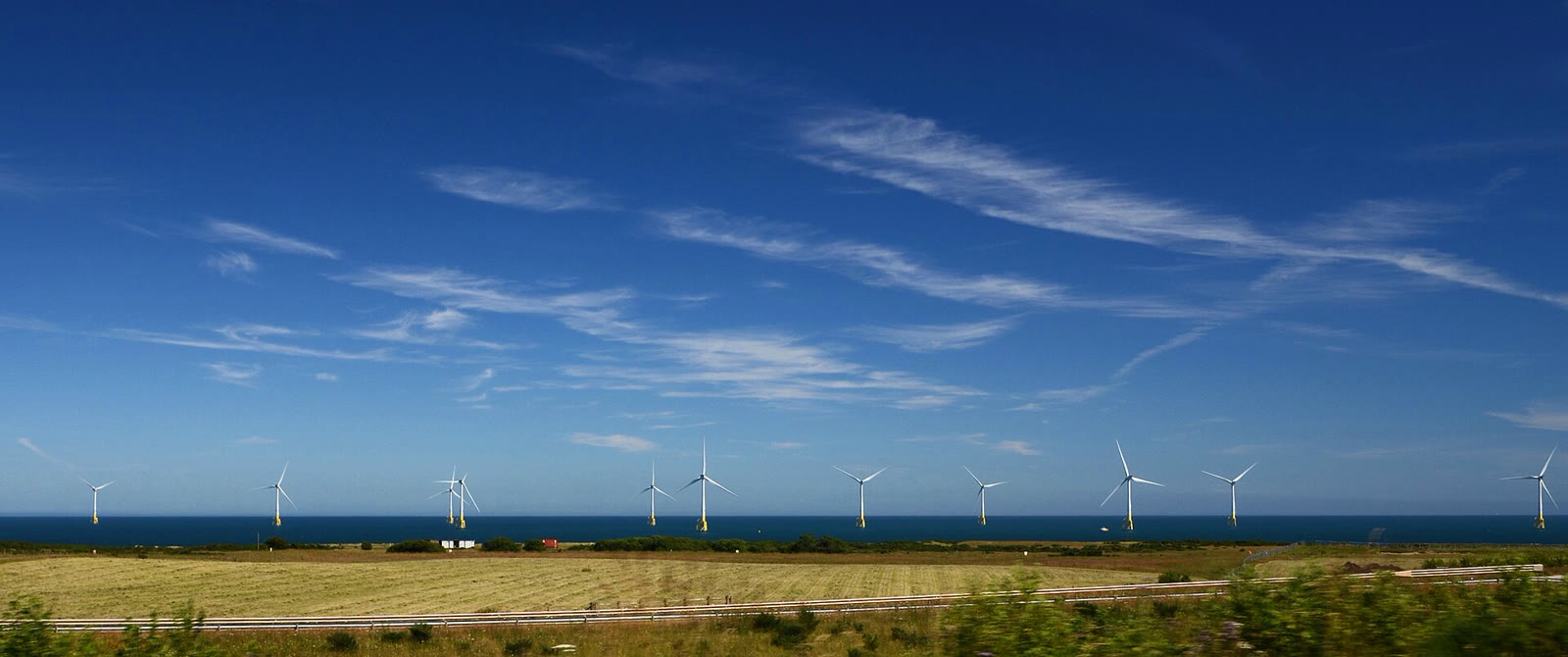
He said it would be irresponsible to recommend that countries where coal is the main energy source rapidly switch to expensive solar panels or wind power. Kononuchenko said Russia was working with like-minded countries to move the climate process toward a more balanced and realistic course.
Claims concerning Ukraine and the Black Sea
Kononuchenko also addressed the issue of compensation sought by Ukraine since 2022 for alleged environmental damage, which he said amounted to tens of billions of dollars. He claimed that the Kyiv administration was using environmental protection to demand money. He alleged that Ukraine had caused environmental damage in Crimea, Donetsk and Luhansk.
Kononuchenko argued that Western countries had remained silent about the long-term environmental effects of Ukraine’s attacks on tankers and energy infrastructure in the Black Sea region. The Russian official said these environmental consequences were being assessed on the basis of evaluations by Russia’s Ministry of Natural Resources, Rosprirodnadzor and Russian scientists.
Russia’s delegation to the climate conference in Türkiye
Kononuchenko announced that Ruslan Said-Huseynovich Edelgeriyev, an aide to the president of Russia and the president’s special representative for climate and water resources, will lead Russia’s delegation to the 31st session of the Conference of the Parties to the United Nations Framework Convention on Climate Change, to be held in Türkiye this November.