Rising brown bear numbers and deaths in bear attacks in Russia have prompted the government to prepare new control measures. At least 22 people have been killed in attacks across the country since spring.
In Kamchatka, a 23-year-old man who went out to pick berries this week was killed in a bear attack. In Siberia, a woman was attacked and killed by a bear in her garden last week.
Government plans hunting and population controls
Deputy Prime Minister Dmitry Patrushev said that problems had increased along with the growth in the bear population. Patrushev said the balance needed to be maintained so that people and animals could live safely alongside one another, and announced that the government was preparing a package of priority measures.
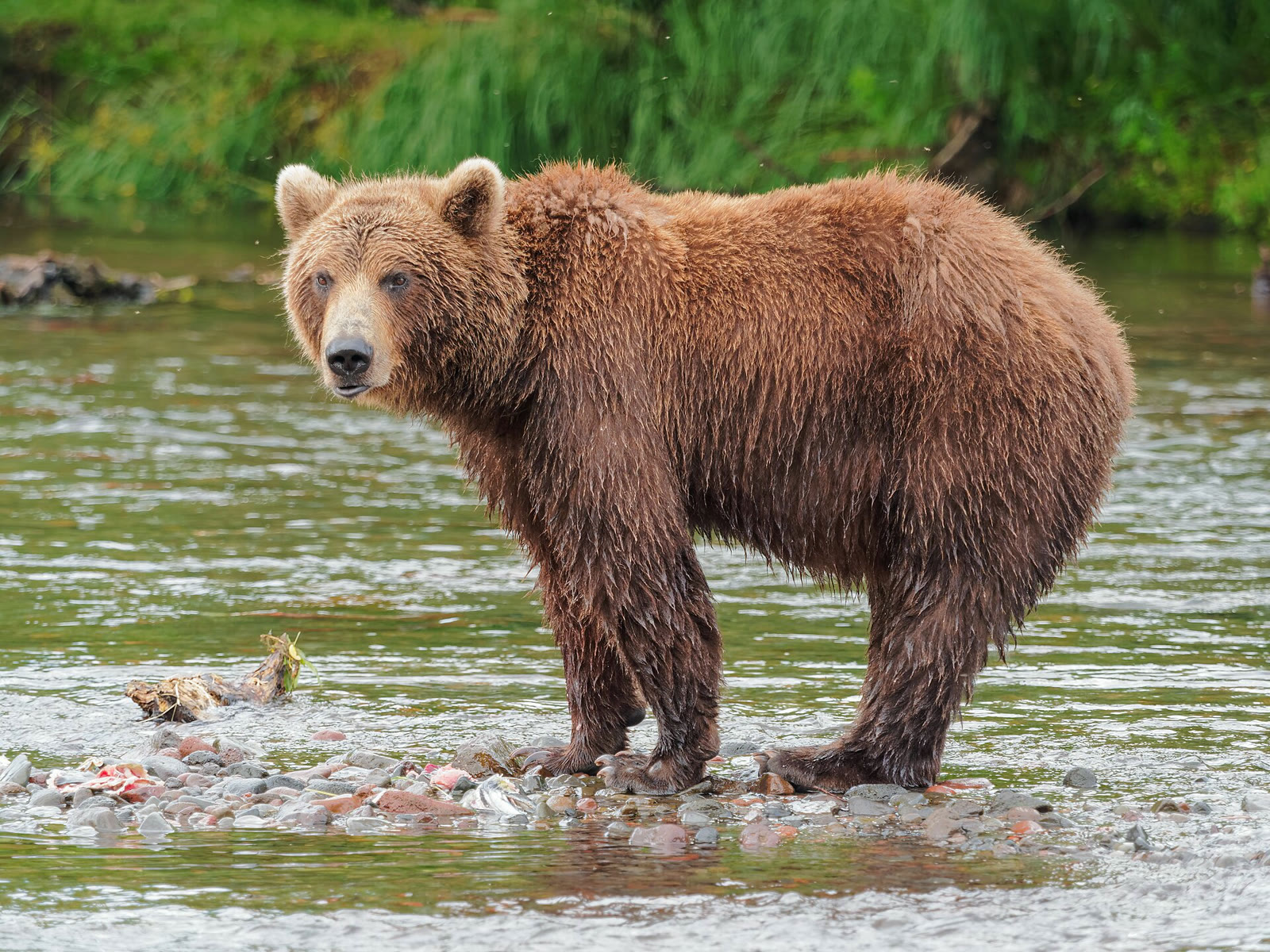
The plan includes considering higher brown bear hunting quotas and setting population limits for regions. It also includes giving local authorities additional powers to control bear numbers and identifying regions that need more funding.
Brown bear population reaches 308,000
Russia's brown bear population has more than doubled over the past 30 years, reaching 308,000. Experts attribute the increase to shorter and milder winters.
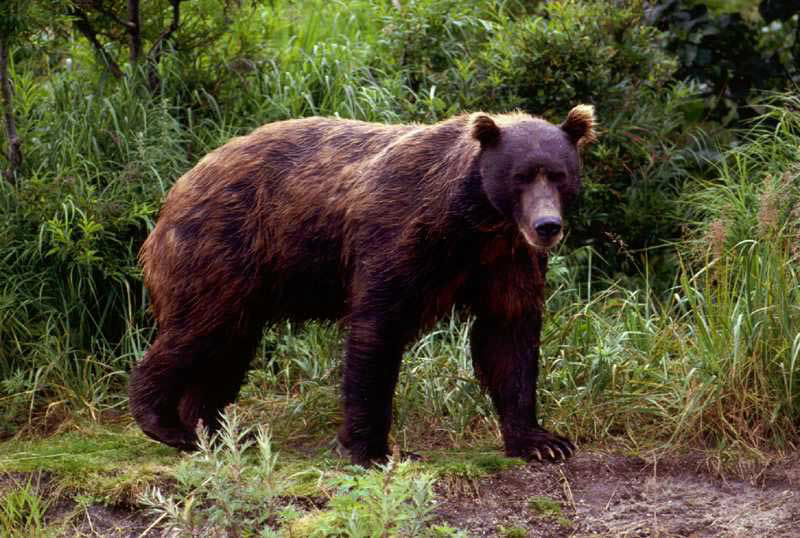
Experts assess that an early and dry spring reduced the amount of fruit consumed by bears. The animals spread across wider areas in search of food, while food waste left in the open by people also drew them into residential areas. Failure to follow safety rules is also considered a factor increasing the risk of attacks.
Deaths in Krasnoyarsk under investigation
A criminal investigation has been opened into the regional environmental ministry over bear attacks in Siberia's Krasnoyarsk region that resulted in the deaths of seven people in September. The ministry faces allegations that negligence caused the deaths.
The Federal Ministry of Natural Resources, meanwhile, argues that the scale of the increase in bear attacks should not be exaggerated. The ministry says that 20 to 30 bear attack cases have been recorded annually in recent years and that digital platforms and smartphones make these incidents appear more widespread than they are.
In the Far Eastern region of Zabaykalsky, authorities declared a high alert on Tuesday and announced a payment of 15,000 rubles (about $180) for each bear hunted. More than 100 bears have been sighted in the region, 35 of the encounters occurred in populated areas, and 70 bears have been culled. Residents were told to avoid foraging, fishing and recreation in the forests.