- BIST10011,662+2.03%
- USD49.55+0.21%
- EUR55.57-0.09%
- GOLD4,135.60-0.59%
- INTEREST37.00%-1.00
- BITCOIN81,375-0.57%
- October 20, 202621°
- BIST10011,662+2.03%
- USD49.55+0.21%
- EUR55.57-0.09%
- GOLD4,135.60-0.59%
- INTEREST37.00%-1.00
- BITCOIN81,375-0.57%
- October 20, 202621°
Rising Energy Costs Lead to Reassessment of Climate Goals in US States
Some US states are reviewing their climate goals set for 2030 and beyond due to rising energy prices. New York Governor Kathy Hochul has proposed delaying greenhouse gas emission reduction targets, while states like Rhode Island and Connecticut are making changes to their renewable energy goals.
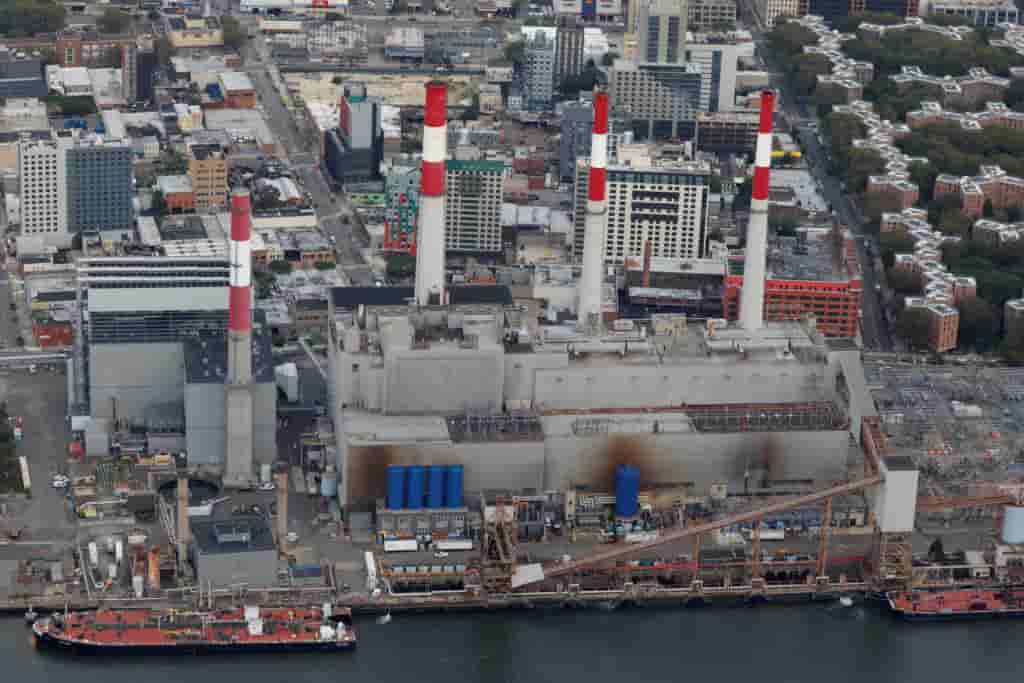
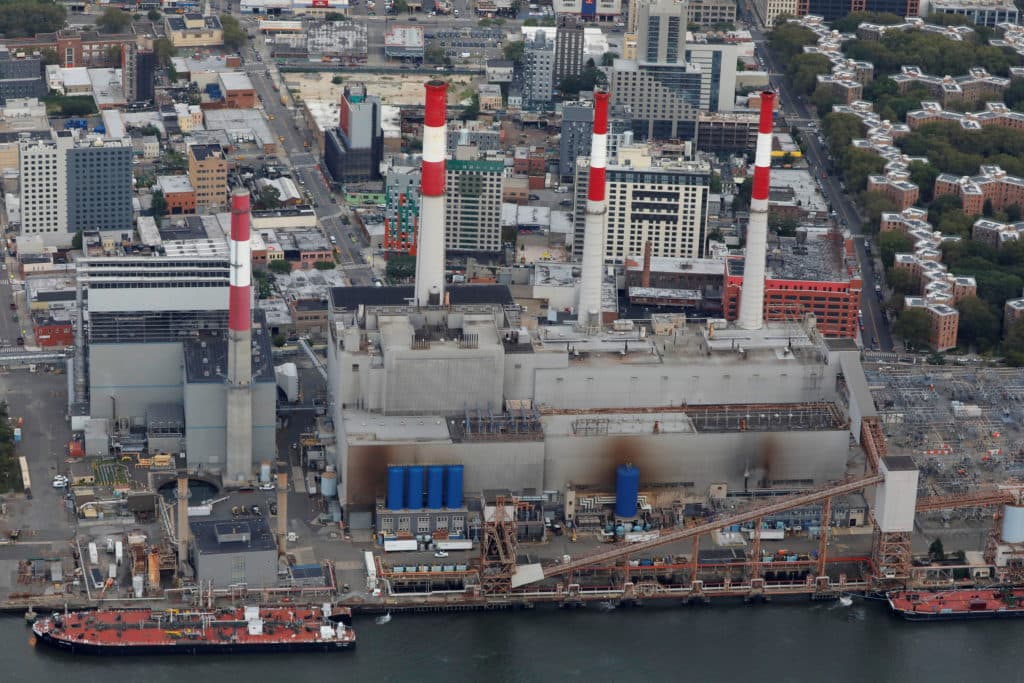
Rising energy costs in the US are causing some states to reassess their ambitious climate goals. New York Governor Kathy Hochul has proposed delaying the 40% reduction target for greenhouse gas emissions by 2030, which was set in 2019. Hochul noted that rising energy prices are straining consumers' budgets and that implementing the targets under current conditions could further increase energy costs.
Other states in the Northeast region are taking similar steps. Rhode Island Governor Dan McKee plans to postpone the 100% renewable energy target set for 2033 to 2050. Connecticut has lowered its 2030 target from 40% to 29%. These changes have been criticized by environmental groups; particularly, Earthjustice representative Liz Moran argues that these steps will prolong dependence on fossil fuels and increase energy bills.
The reasons for the increase in energy costs include rising natural gas prices and increased electricity demand. According to data from the Lawrence Berkeley National Laboratory, residential electricity prices in the US increased by an average of 27% between 2019 and 2024. States like Massachusetts and New Jersey are considering reducing additional fees that finance energy efficiency programs.
Governor Hochul states that they have not given up on fighting climate change but notes that the previous federal administration's reduction of clean energy support has made it harder for states to reach their goals. Democratic leaders are trying to balance clean energy policies with keeping energy prices affordable. However, environmentalists find this approach short-term and insufficient.
Some states continue to adhere to their clean energy goals. States like California maintain policies aimed at reducing dependence on fossil fuels, while tensions between energy costs and climate goals persist in other states.
Stay Updated with RuskiGazeta
Subscribe to be informed about special news, developments and announcements. We will keep you informed.
By signing up, you agree to our Privacy Policy