The two-day NATO Summit of Heads of State and Government in Ankara concluded with support for Ukraine against Russia and a new stance towards Iran. The summit, held under the shadow of the US-Israel war on Iran, focused on enhancing Europe's military capacity against the Russian threat and strengthening aid commitments to Ukraine.
70 billion euro military commitment to Ukraine
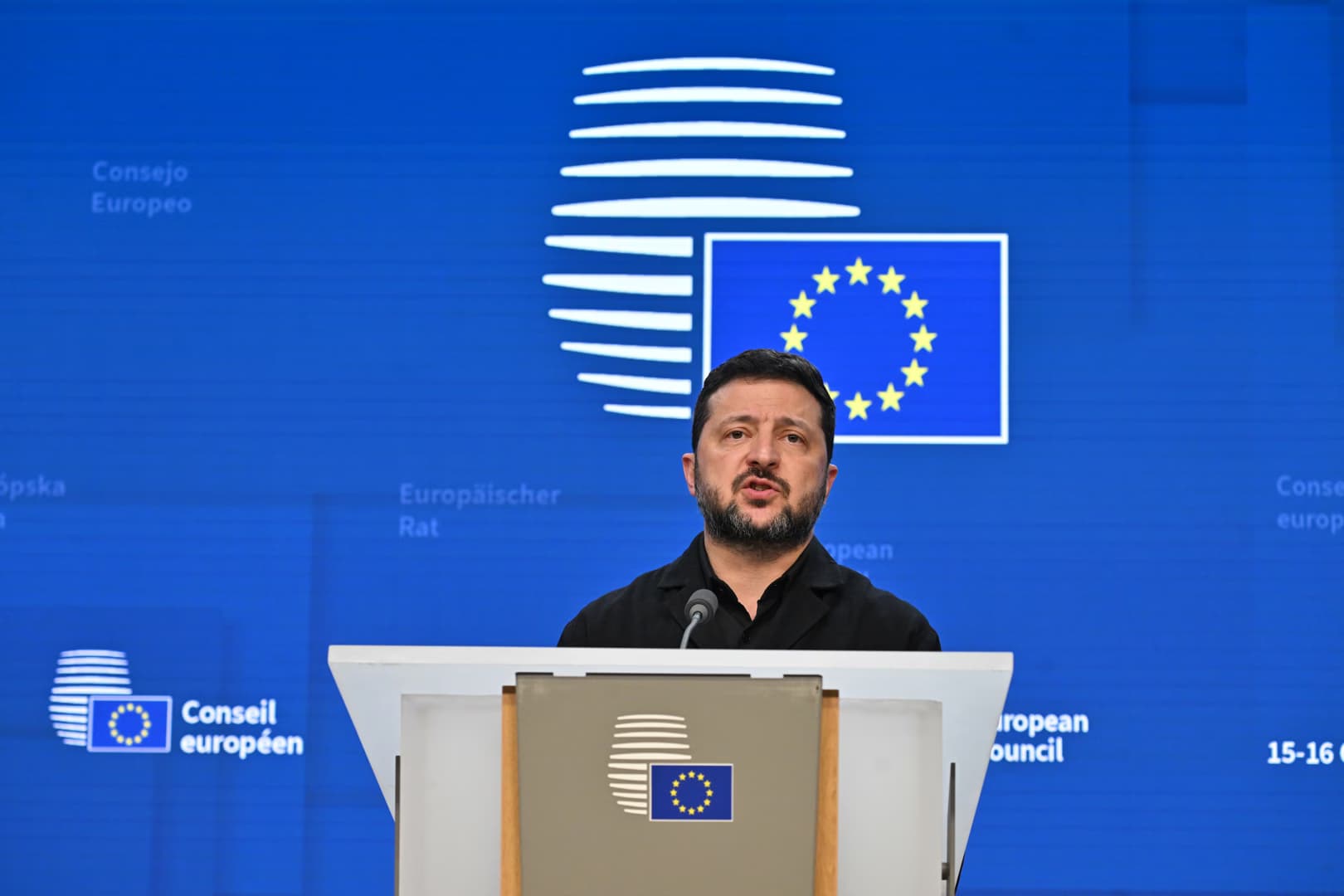
The NATO final communiqué devoted significant space to the threat posed by Russia. The alliance committed 70 billion euros (80 billion dollars) for military equipment, aid, and training to Ukraine, and pledged at least this level of support until 2027. Ukrainian President Volodymyr Zelenskyy conducted intensive talks throughout the summit.
US President Donald Trump announced during his meeting with Zelenskyy that they would grant Ukraine the right to produce Patriot missile systems. "We will show them how to do it. I think they can produce them quite quickly," Trump said, a step seen as a significant gain for Kyiv. Zelenskyy expressed gratitude after the meeting, stating they discussed ideas that would bring peace closer.
Iran deal 'is over'
One of the most striking moments of the summit came after the US airstrikes on Iran. Trump declared that the memorandum of understanding (MoU) with Tehran 'is over' and described the Iranian regime as 'sick people.' "They are cruel, violent people, and if they had nuclear weapons they would use them," he said.
NATO Secretary General Mark Rutte argued that the strikes were 'absolutely necessary' and claimed Iran was violating the ceasefire. "Iran is fundamentally violating the ceasefire. We saw attacks on ships yesterday. I believe it is vital that the US responded forcefully," Rutte said. The NATO communiqué called on Iran to respect freedom of navigation in the Strait of Hormuz.
Increase in defense spending and internal tensions
Under pressure from Trump, NATO leaders agreed to increase defense spending and enhance military-industrial capacity. The communiqué included a commitment of 'new procurement exceeding 50 billion dollars.' According to NATO data, only five of the 32 members are projected to meet the target of allocating 3.5 percent of GDP to core defense in 2026. Average core defense spending in NATO Europe and Canada stood at 2.3 percent of GDP in 2025 and has risen to 2.53 percent so far in 2026, while the US rate is 3.17 percent.
Trump also raised the issue of Greenland throughout the summit. Claiming Greenland is 'very important' for the US, Trump argued that Denmark cannot defend the territory. Danish Prime Minister Mette Frederiksen reiterated that Greenland is not for sale. Rutte said Trump was 'right' about the growing ambitions of China and Russia in the Arctic.
Trump also harshly criticized allies he said were not helping in the Iran war. He described Spain as 'a lost cause' and announced he had ordered the severing of trade ties. After UK Prime Minister Keir Starmer emphasized that his country would not be drawn into the war, Trump called London's approach 'strange' and said, "This is not in the spirit of Winston Churchill."