- BIST10011,722-2.89%
- USD49.42+0.06%
- EUR55.41+0.20%
- GOLD4,178.40+0.20%
- INTEREST37.00%-1.00
- BITCOIN81,293-1.02%
- October 16, 202612°
- BIST10011,722-2.89%
- USD49.42+0.06%
- EUR55.41+0.20%
- GOLD4,178.40+0.20%
- INTEREST37.00%-1.00
- BITCOIN81,293-1.02%
- October 16, 202612°
Moscow expert says children manipulated by scammers may show behavioral changes
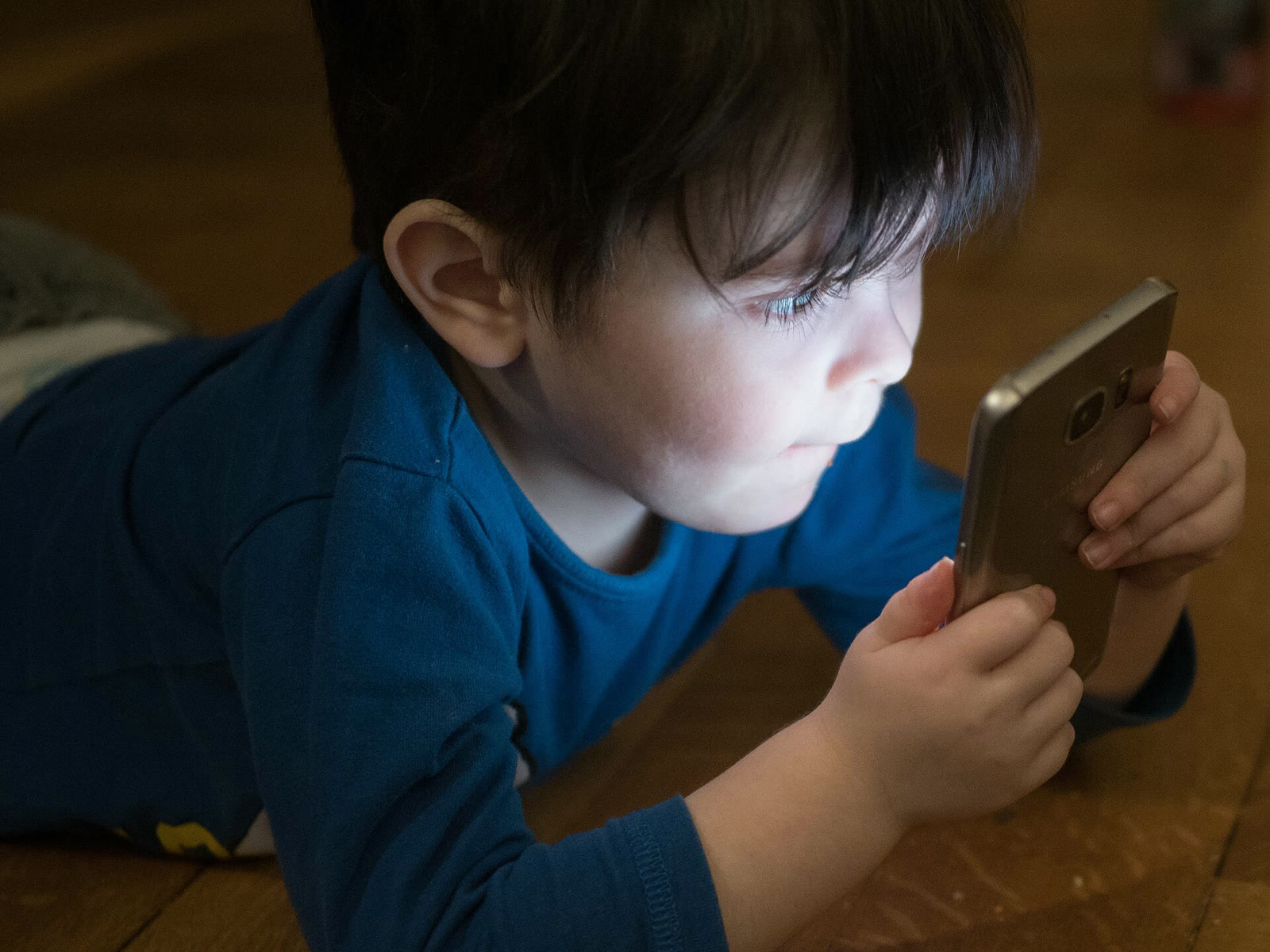
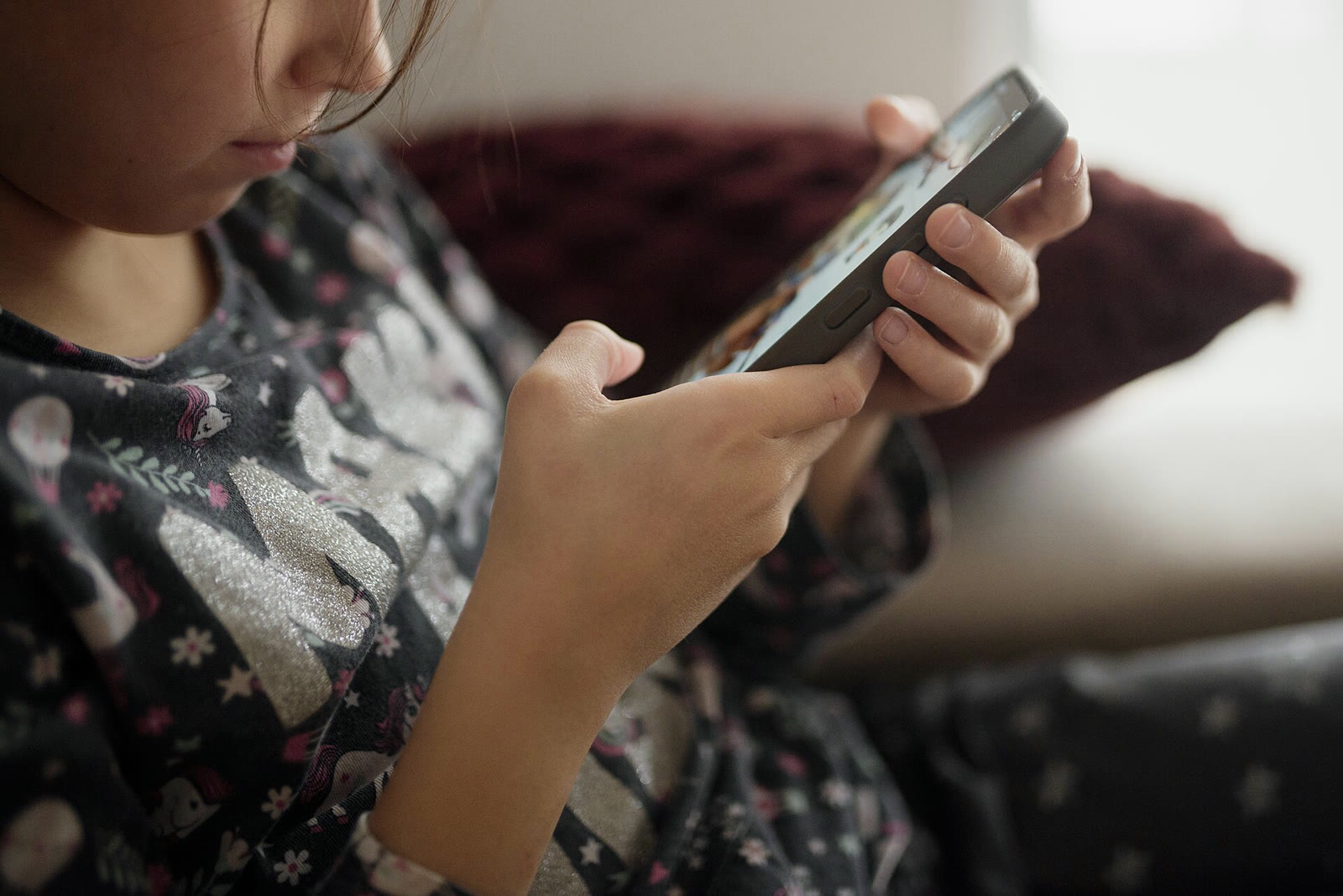
Yuliya Chelysheva, a Candidate of Pedagogical Sciences, associate professor and practicing psychologist, answered journalists’ questions in Moscow on October 12. She said children manipulated by scammers may experience emotional instability and withdrawal, as well as rebellious or rude behavior, skipping classes, disrupted sleep and eating patterns, increased fatigue and less communication with their families.


Stay Updated with RuskiGazeta
Subscribe to be informed about special news, developments and announcements. We will keep you informed.
By signing up, you agree to our Privacy Policy