- BIST10011,483+1.32%
- USD50.07+0.05%
- EUR55.96-0.52%
- GOLD4,120.00+1.11%
- INTEREST36.00%-1.00
- BITCOIN74,273-0.60%
- November 9, 20264°
- BIST10011,483+1.32%
- USD50.07+0.05%
- EUR55.96-0.52%
- GOLD4,120.00+1.11%
- INTEREST36.00%-1.00
- BITCOIN74,273-0.60%
- November 9, 20264°
More than 100,000 young Germans protest; next rally set for November 20
The youth initiative Gen Z regelt held rallies in more than 30 German cities and has already scheduled another. Police estimated that around 5,000 people gathered in Berlin and more than 3,000 in Stuttgart; clashes began in several cities in the evening.
RuskiGazeta Editorial DeskUpdated:
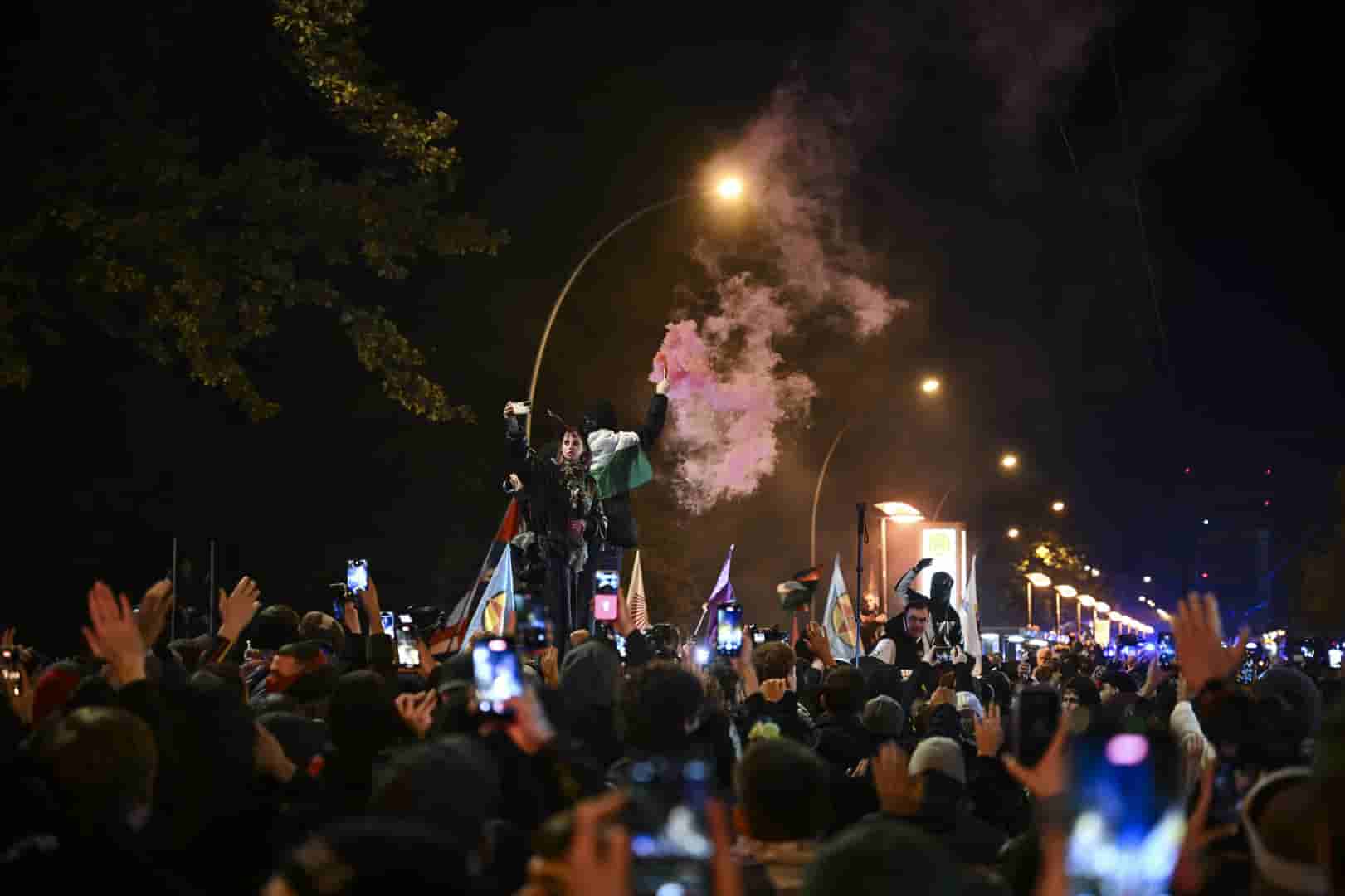
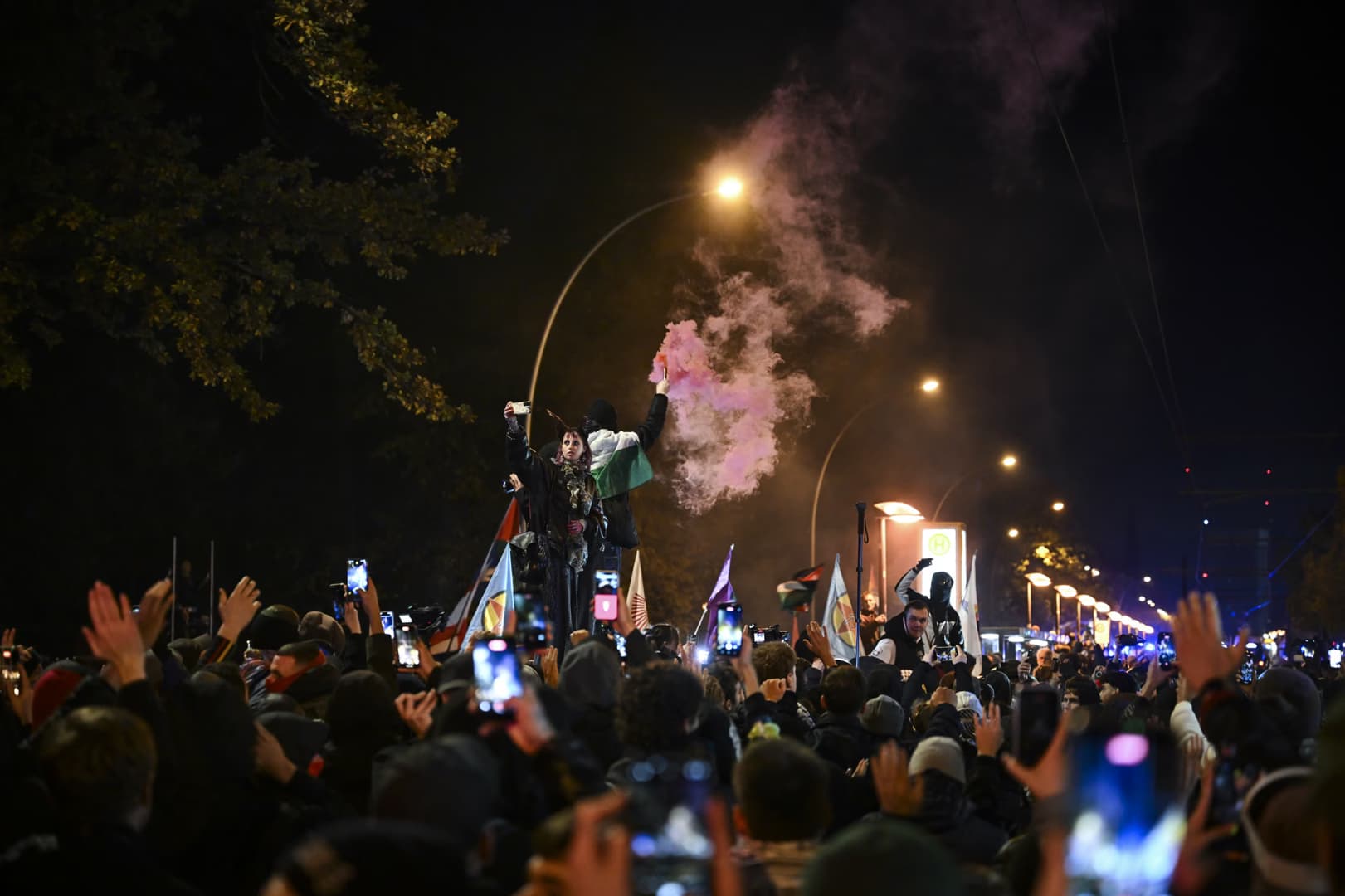
Protests by the youth initiative Gen Z regelt (“Generation Z will sort it out”) took place in more than 30 German cities on Saturday, including Berlin, Hamburg, Frankfurt, Munich and Cologne. More than 100,000 people took part, according to organizers, cited by the DPA news agency.
Against conscription and the “politics of war”
The participants’ main demands were the rejection of compulsory military service and the “politics of war,” affordable housing, quality education and more funding for healthcare, including support for teenagers with addictions and psychotherapy. Kaya Schwab, the initiative’s representative in Berlin, accused politicians of failing to keep their promises and said the younger generation was being “forced into military service.”
Turnout in different cities
Police estimated that around 5,000 people gathered at the Brandenburg Gate in Berlin, while organizers put the figure at 10,000. Munich saw 1,800 participants, Frankfurt around 1,000 and Stuttgart more than 3,000. Protests in Leipzig and Dresden drew several thousand participants each and were largely peaceful.
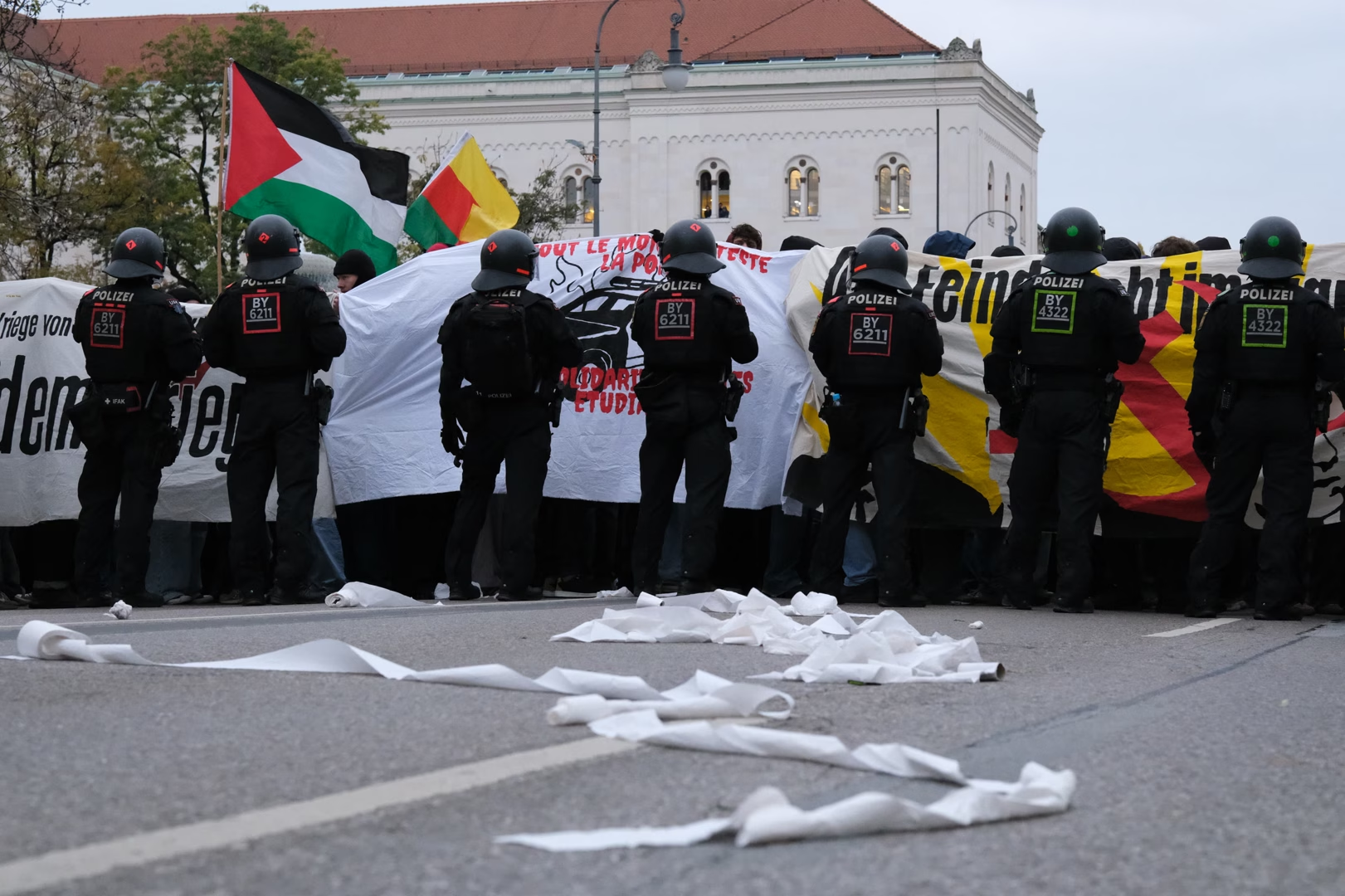
Tear gas, water cannons and arrests
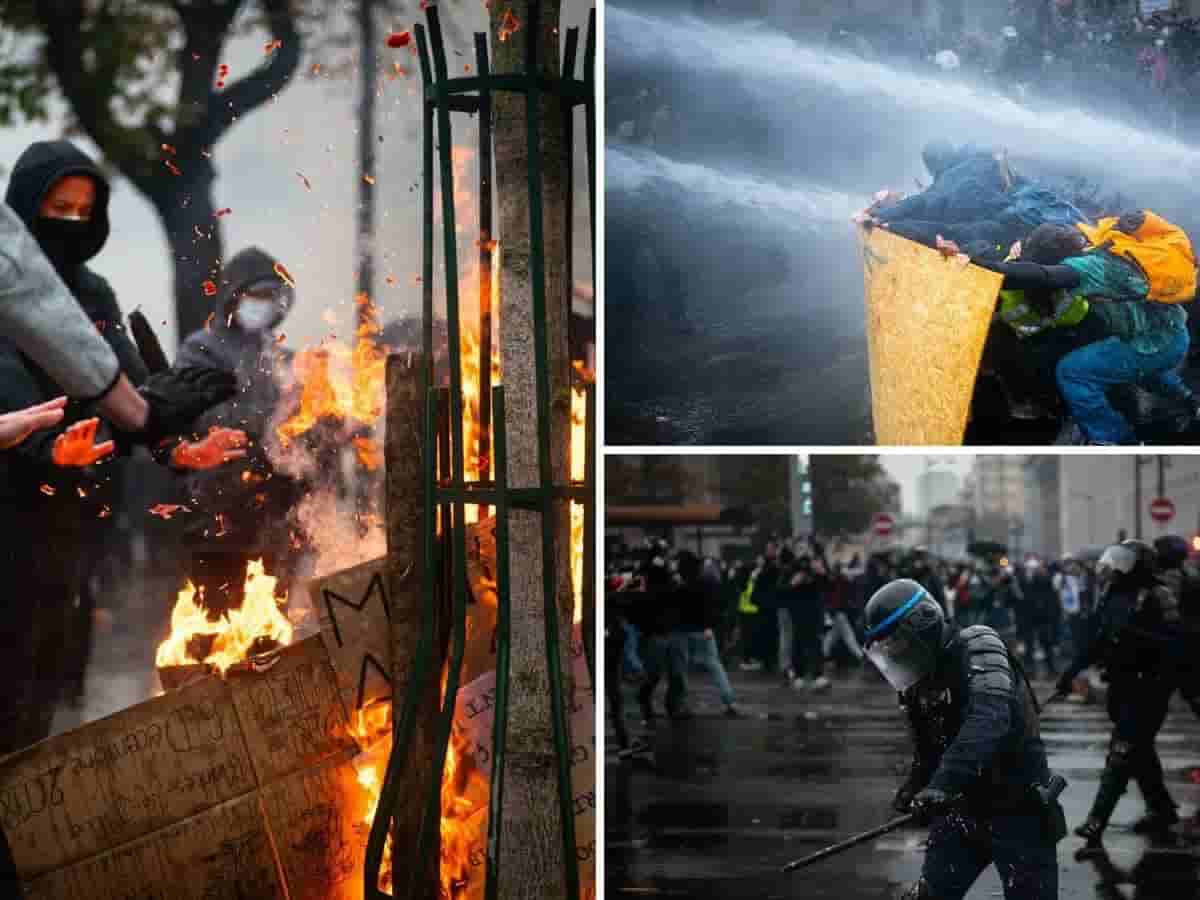
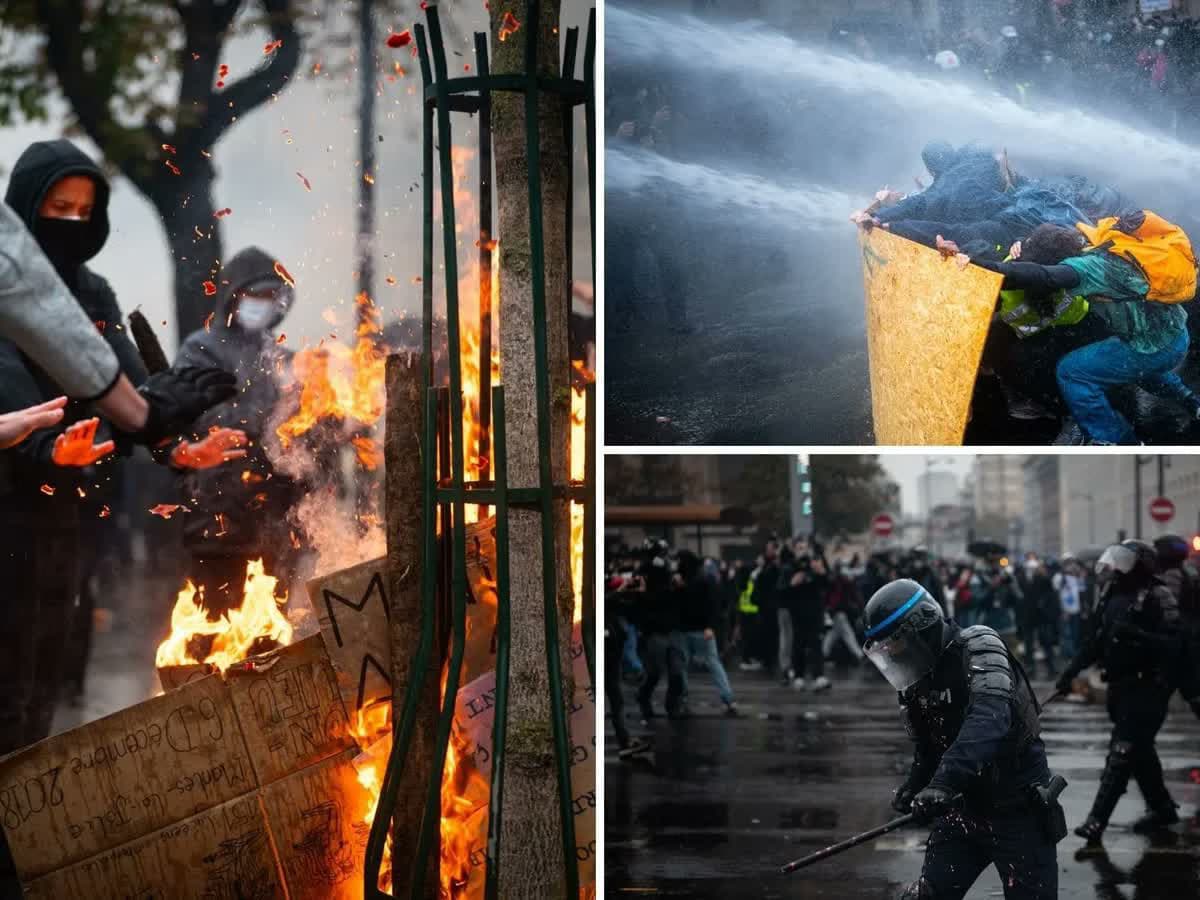
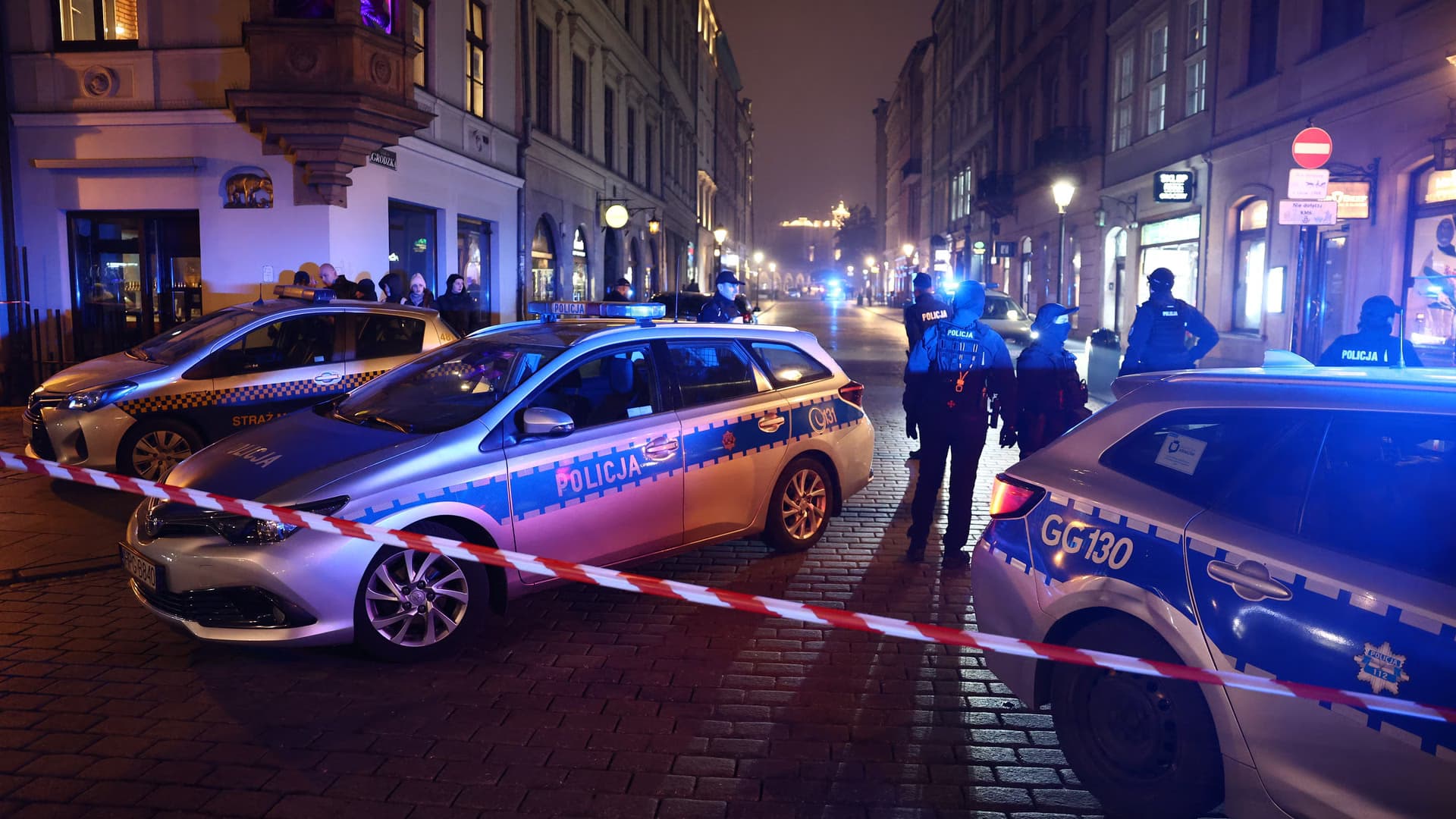
In the evening, police used pepper spray in Berlin’s Prenzlauer Berg district, where a separate protest took place and from which the organizers distanced themselves. Police said 56 people were arrested. In Hamburg, protesters set fire to barricades, and police used water cannons. In Frankfurt, stones and firecrackers were thrown at police; at least one officer was injured and the windows of a weapons store were smashed. In Cologne, bottles and bicycles were thrown at police near the cathedral, while around 100 people were arrested in Nuremberg.
The initiative scheduled its next rally for November 20.
Weidel blames migration
Alice Weidel, co-chair of the far-right Alternative for Germany (AfD), said the unrest was the result of an uncontrolled migration policy. “The protests must lead to new results. And only we can achieve that,” she wrote.
On the eve of the protests, Weidel called them a protest by the left against the consequences of left-wing policies, arguing that uncontrolled migration had placed excessive pressure on the education system, social services and housing market.
Photo and video: Anadolu (AA)
Stay Updated with RuskiGazeta
Subscribe to be informed about special news, developments and announcements. We will keep you informed.
By signing up, you agree to our Privacy Policy