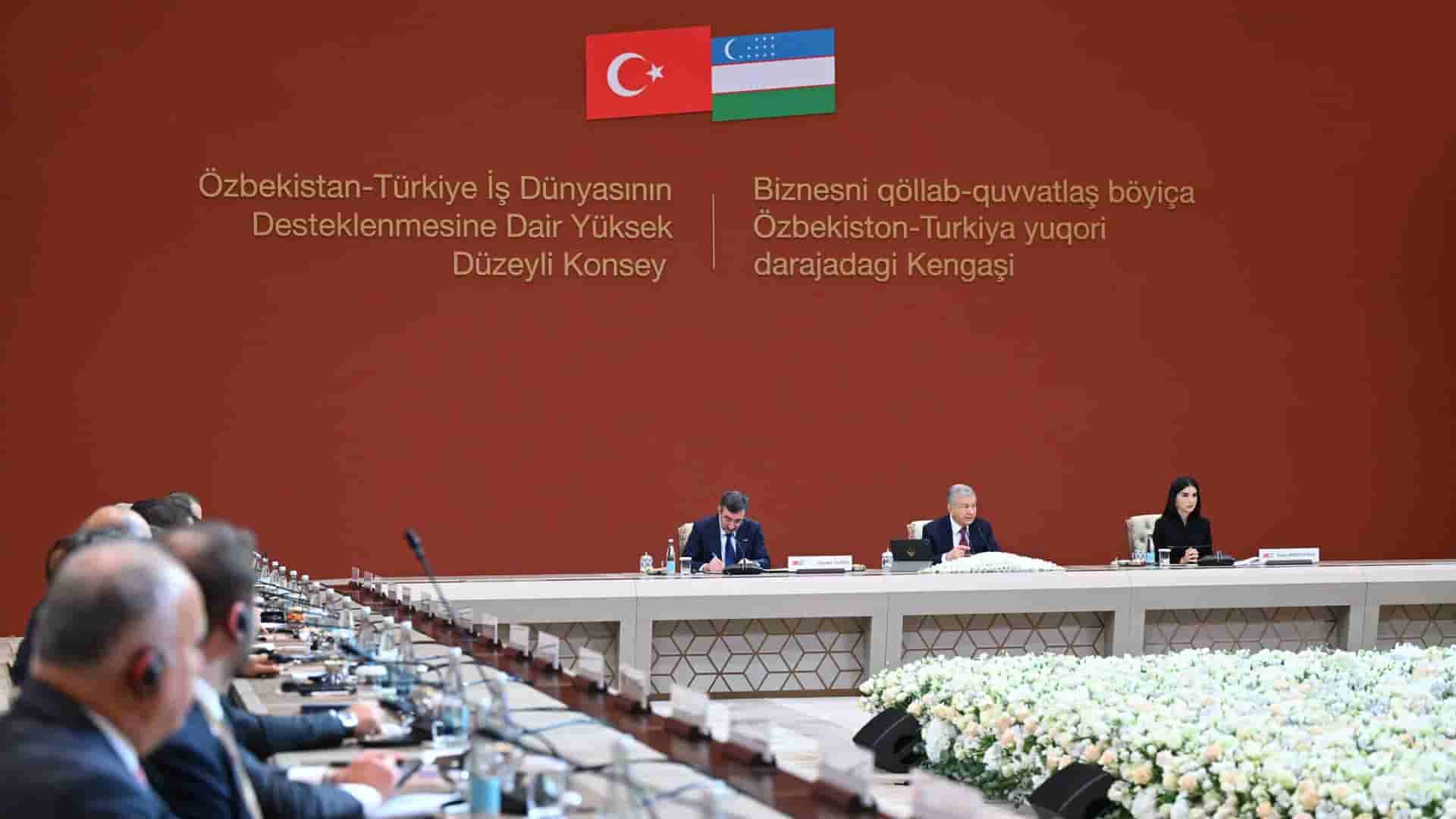
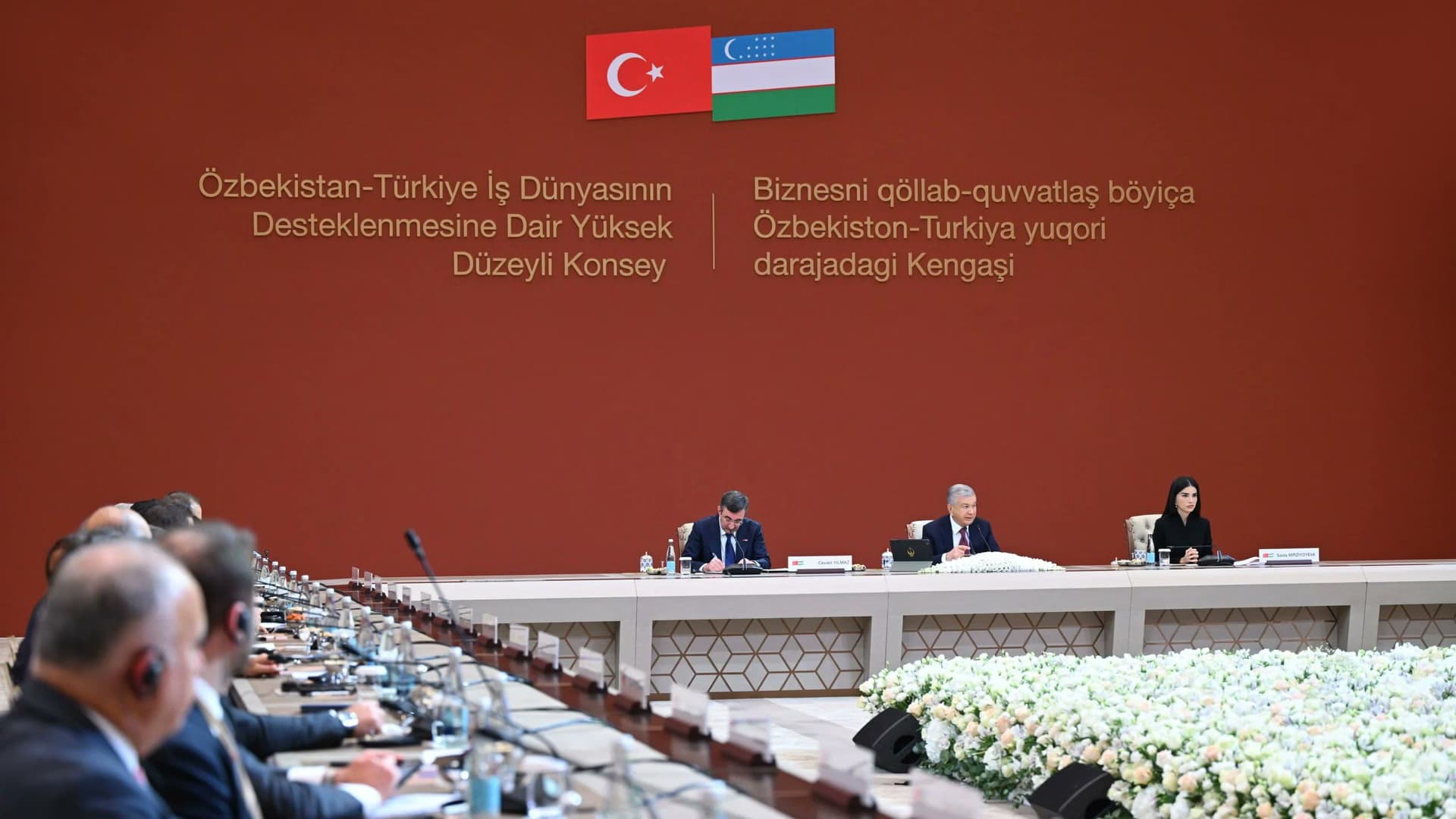
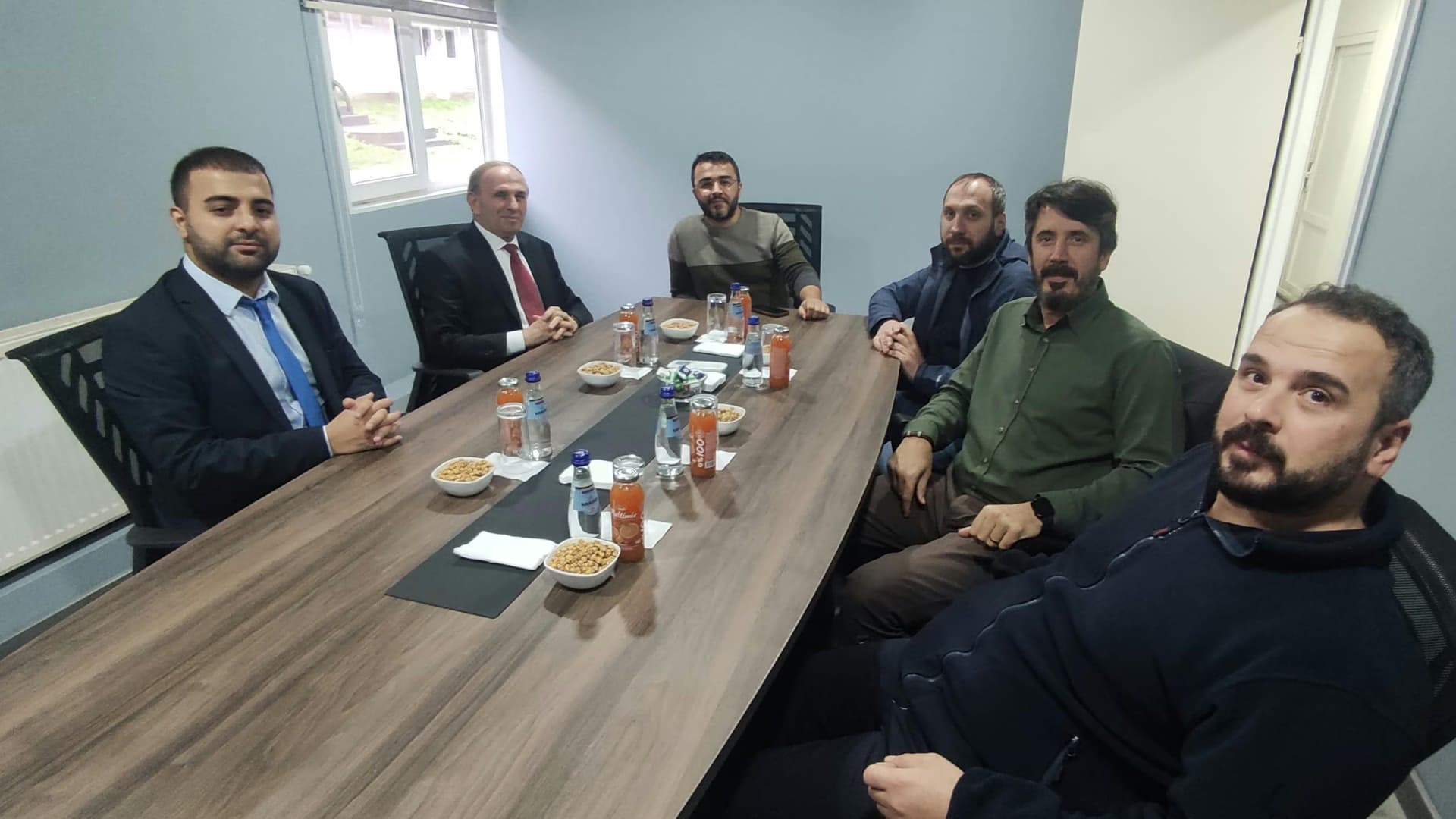
The first meeting of the Uzbekistan-Türkiye High-Level Council for Business Support was held at the Tashkent International Congress Center on November 19. It was attended by Uzbekistan President Shavkat Mirziyoyev, Türkiye's Vice President Cevdet Yilmaz and Saida Mirziyoyeva, head of the Administration of the President of Uzbekistan. Yilmaz and Saida Mirziyoyeva were appointed co-chairs of the council.
The council was established under an agreement reached by Mirziyoyev and Türkiye's President Recep Tayyip Erdoğan in Ankara in October. Yilmaz arrived in Tashkent with Minister of Industry and Technology Mehmet Fatih Kacır, Minister of Transport and Infrastructure Abdulkadir Uraloğlu, and Rifat Hisarcıklıoğlu, president of the Union of Chambers and Commodity Exchanges of Türkiye (TOBB). The Uzbekistan-Türkiye business forum held the same day brought together more than 200 entrepreneurs.
What Tashkent is offering Turkish companies
Mirziyoyev recalled that Uzbekistan's economy had tripled since 2017 and that foreign investment had exceeded $150 billion. He invited Turkish investors to build residential and commercial complexes, hotels, schools and hospitals in New Tashkent, as well as develop toll roads, airports and logistics centers.
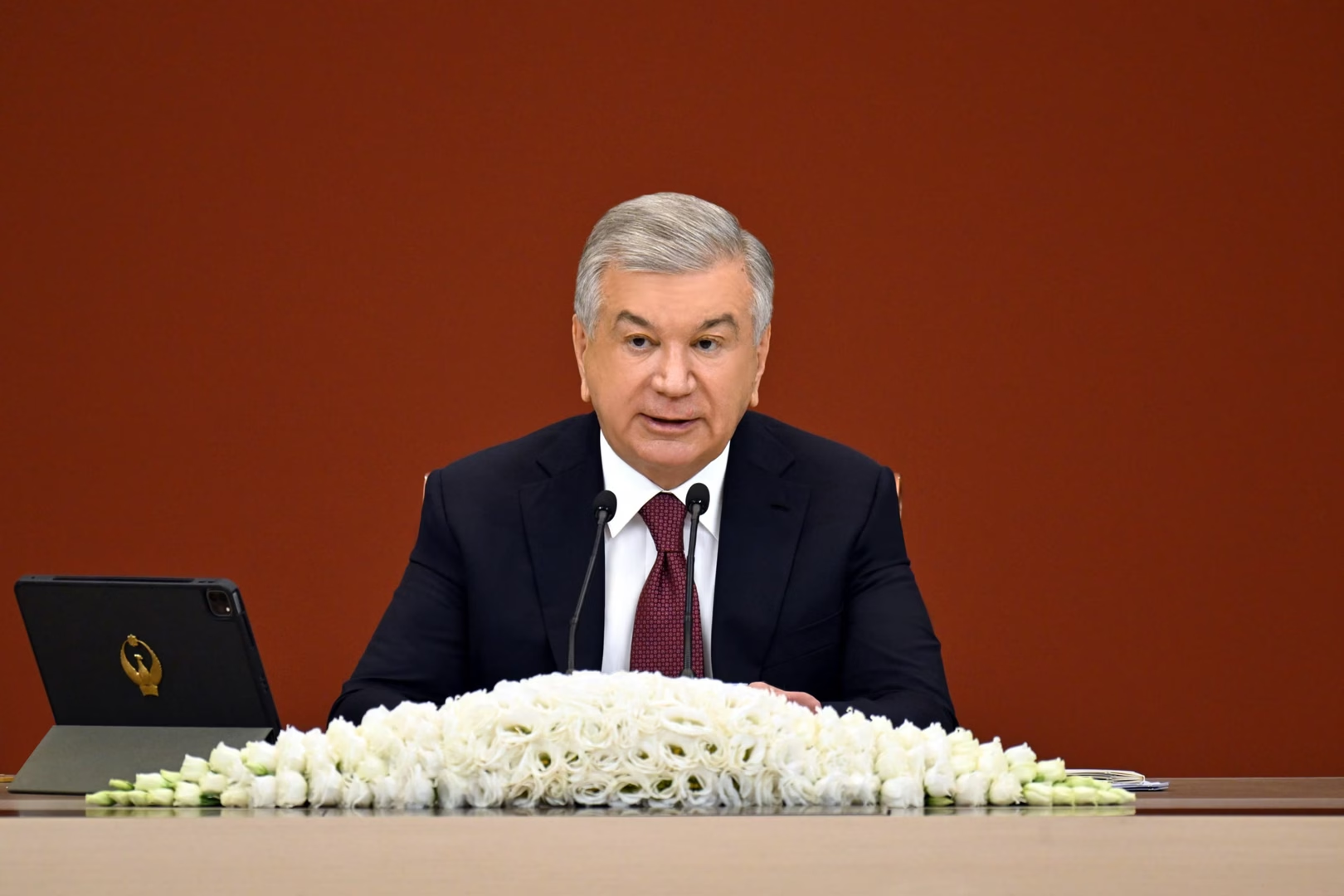
In 2026–2027, Uzbekistan will put state assets, real estate and land plots worth $8.4 billion up for sale. The president called on Turkish banks, investment funds and industrial companies to take an active part in privatization. He also proposed creating a dedicated industrial zone for Turkish pharmaceutical companies and extending to other regions the experience of the 100-hectare Uzbekistan-Türkiye Ostim industrial zone in Tashkent Region.
“We will continue to consistently implement reforms aimed at improving the investment climate and removing unnecessary bureaucratic obstacles for entrepreneurs,” Mirziyoyev said.
Yilmaz sets $10 billion trade target
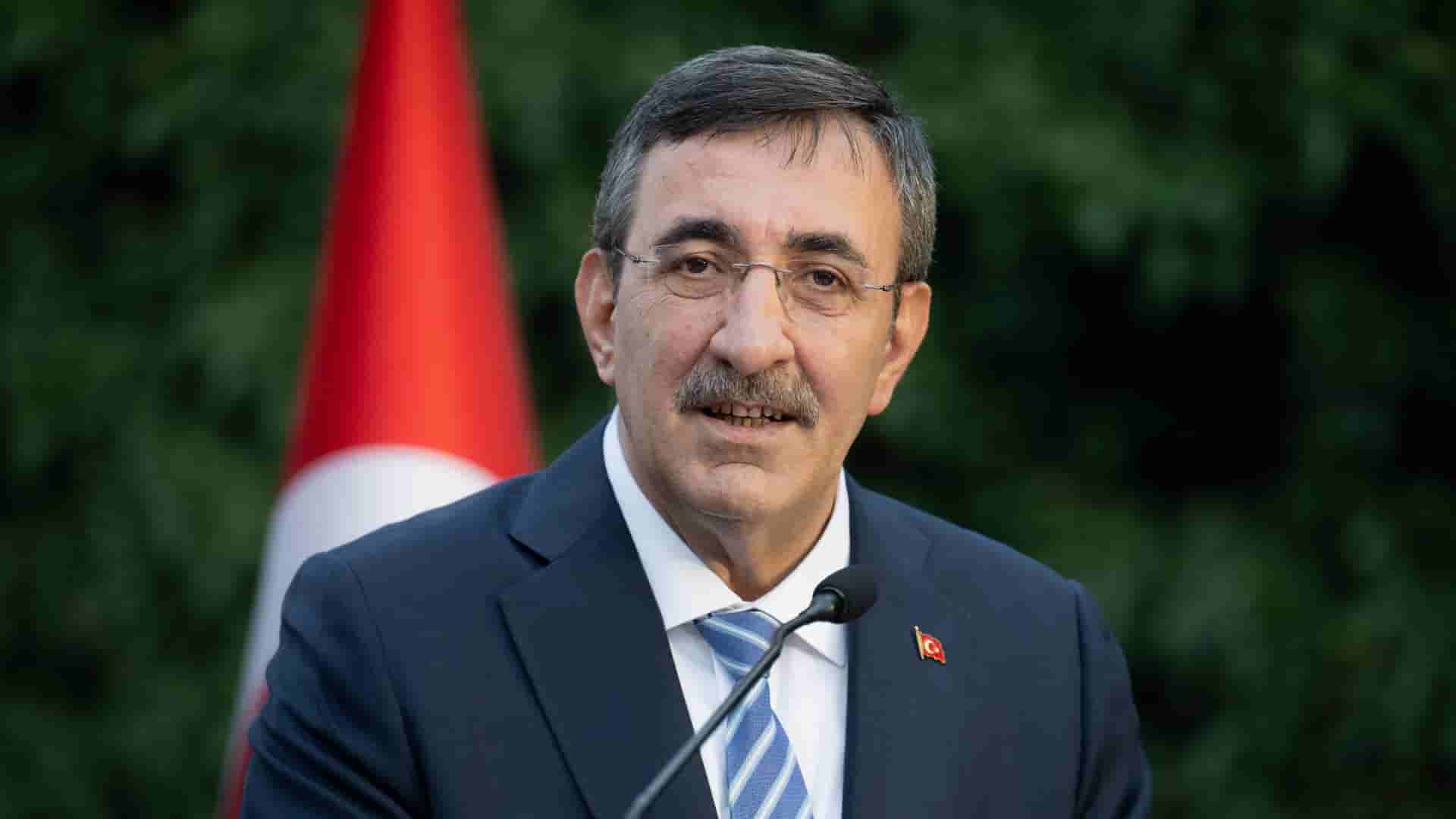
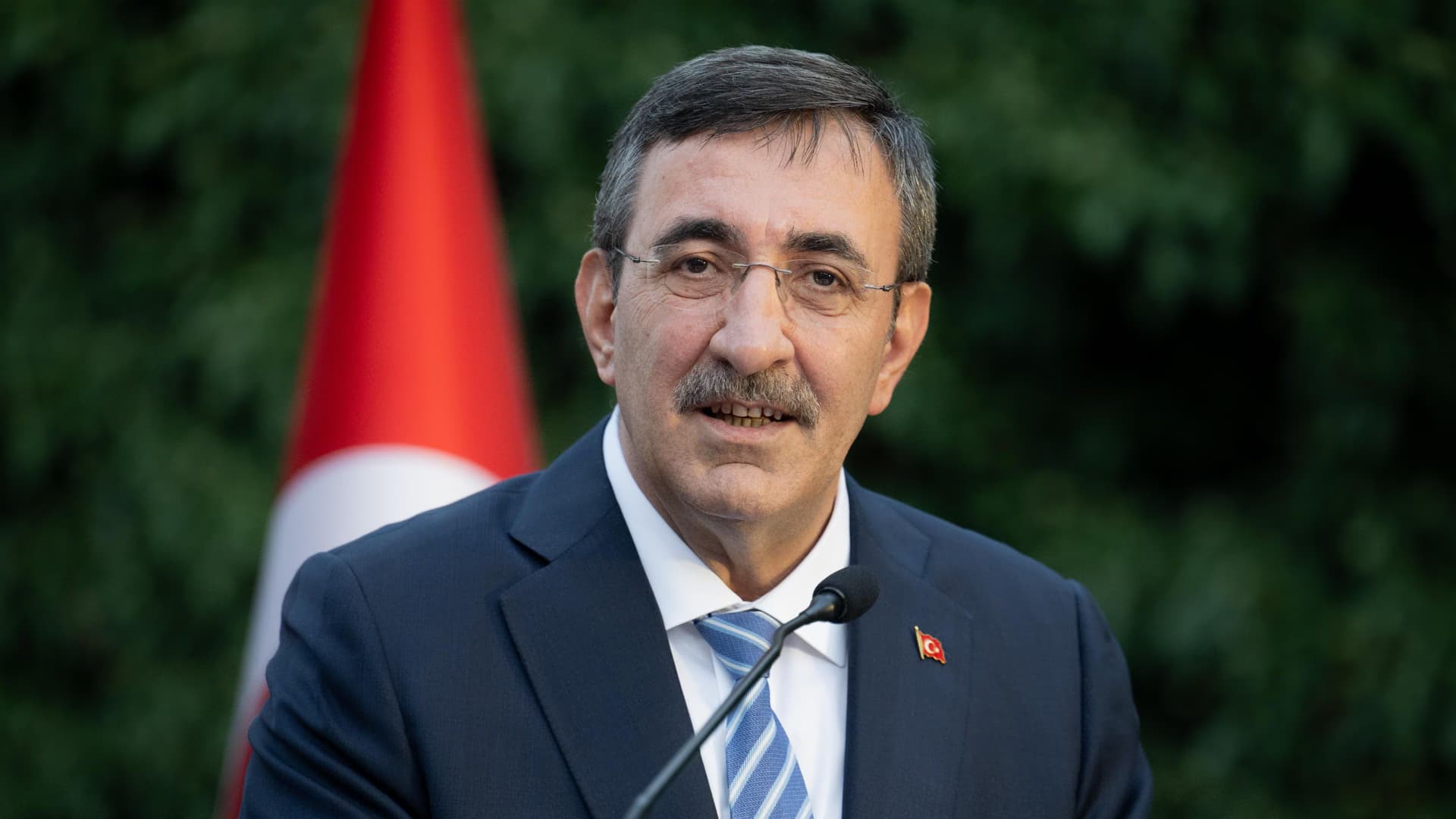
Cevdet Yilmaz described relations between the two countries as excellent and expressed confidence that the council would help achieve the target set by the presidents: $5 billion in trade in the short term and $10 billion in the medium term. He said around 2,400 companies with Turkish capital operate in Uzbekistan, while Turkish contractors have completed around 350 projects worth $9.5 billion.
Turkish investment in Uzbekistan, including investments made through third countries, has reached $8.2 billion, and Ankara expects to bring the figure into double digits, the vice president said. He also described the Trans-Caspian Middle Corridor as a new center of global attraction.
Uraloğlu highlights the Middle Corridor and new routes
Türkiye's Minister of Transport and Infrastructure Abdulkadir Uraloğlu, who was part of the delegation, said at the Turkish-Uzbek business forum in Tashkent that Ankara was ready to consider various investment and financing models with Uzbekistan, including public-private partnerships. He said trade between the two countries totaled $3.1 billion last year; the target is $5 billion in the first stage and $10 billion in the medium term, with cooperation in transport and logistics playing a decisive role.
Uraloğlu called on Turkish contractors to take a more active role in building highways, railways, airports and logistics centers in Uzbekistan. He recalled that Türkiye had first introduced electronic permits for international road transport with Uzbekistan. In his assessment, completion of the China–Kyrgyzstan–Uzbekistan railway will provide a significant boost to freight traffic along the Middle Corridor through the Caspian Sea and the Baku–Tbilisi–Kars line. The minister also held talks with his Uzbek counterpart, Ilhom Makhkamov.
Before the council meeting, Cevdet Yilmaz, Uraloğlu and Minister of Industry and Technology Mehmet Fatih Kacır met with President Shavkat Mirziyoyev. Yilmaz said the sides discussed a comprehensive strategic partnership, trade and economic ties, cooperation in the defense industry, and joint work in the Organization of Turkic States. “We expect concrete investment projects to emerge from this,” the vice president said, pledging to remove bureaucratic obstacles to their implementation.
Photo: Press service of the President of Uzbekistan. Video: TRT Haber.