- BIST10011,220-3.08%
- USD49.60+0.05%
- EUR55.68+0.11%
- GOLD4,037.70-2.71%
- INTEREST36.00%-1.00
- BITCOIN81,089-3.49%
- October 22, 202617°
- BIST10011,220-3.08%
- USD49.60+0.05%
- EUR55.68+0.11%
- GOLD4,037.70-2.71%
- INTEREST36.00%-1.00
- BITCOIN81,089-3.49%
- October 22, 202617°
Merz calls Russia’s influence on German society his greatest concern
German Chancellor Friedrich Merz described Russia’s influence on German society and its efforts to destabilize European countries as his greatest concern. The German Armed Forces raised the threat of Russian-linked sabotage to the second-highest level on its internal assessment scale.


As the German Armed Forces classified the threat of Russian-linked sabotage at the second-highest level on their internal assessment scale, Prime Minister Friedrich Merz warned about Moscow’s influence in Europe.
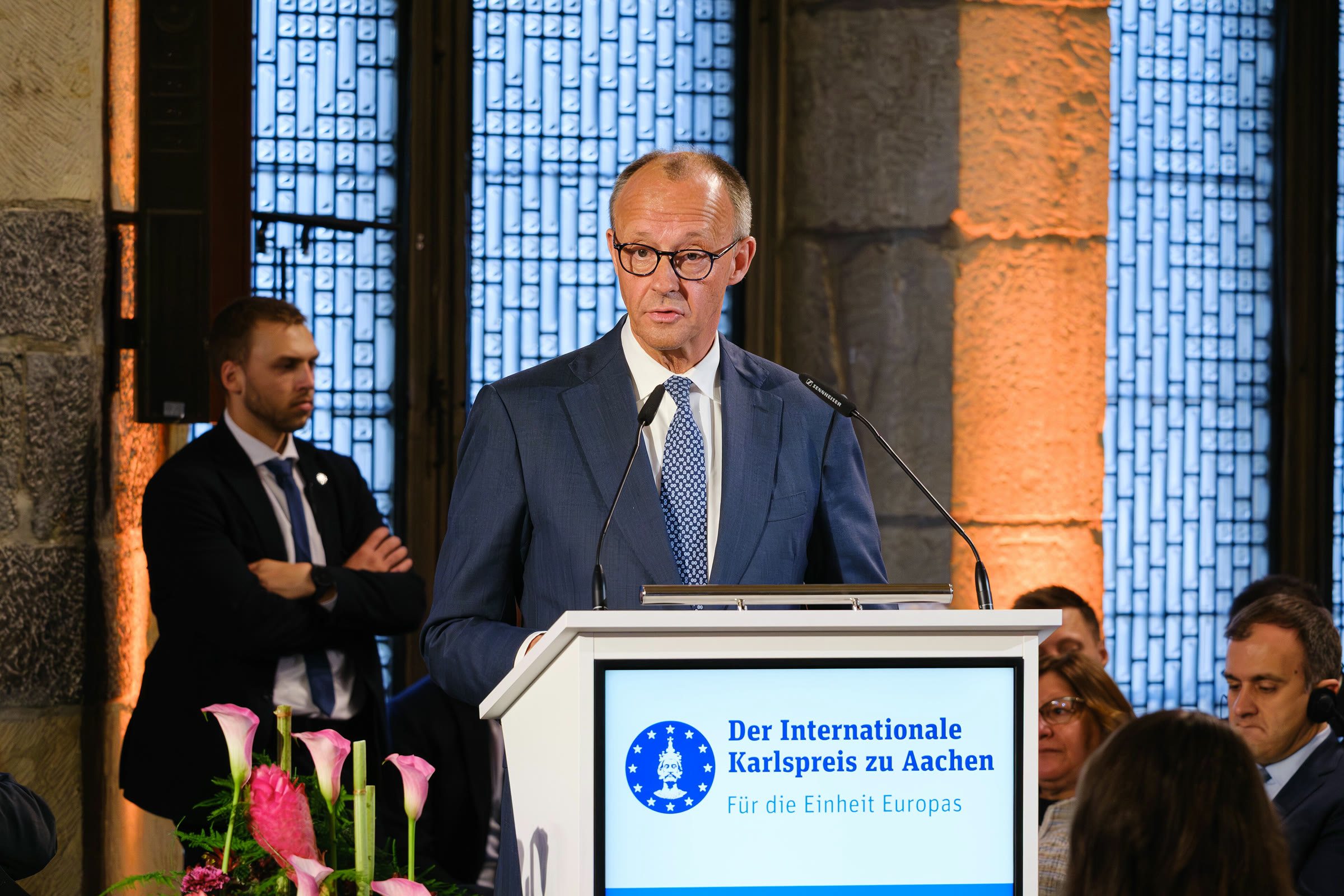
Speaking at the Berlin Global Dialogue, Merz described Russia’s influence on German society as his greatest concern. Merz said, "Our greatest concern right now is not our economy, the European Union, America or China. My greatest concern is Russia’s influence on our society and its ability to destabilize our societies."
Germany’s assessment of hybrid threats
According to Merz, the risk is not limited to disinformation campaigns. The chancellor said suspicious attacks targeting infrastructure, as well as interference with internet systems and communications networks, occur every day.
Merz described these activities as part of a broader effort that goes beyond Russia’s approach in Ukraine, which he said aims only to gain territory. He argued that this effort seeks to weaken Europe’s post-Cold War political order.
Merz said Russia fears democracy, open societies and the success of European integration, adding that Germany and its European partners must strengthen their resilience against hybrid threats.
The German Armed Forces’ threat assessment showed that the risk of Russian-linked sabotage targeting military personnel and facilities had been raised to the second-highest level on the internal scale. The assessment followed the crash in September of a drone carrying explosives near Wunstorf Air Base in the state of Lower Saxony.
German authorities investigated suspicious drone activity around military facilities and critical infrastructure areas, as well as incidents involving the covert surveillance of strategic transport facilities.
Germany’s Defence Ministry announced that security measures had been reorganized according to the risks facing the facilities. The plans include increasing patrols in some areas and strengthening technical surveillance capabilities.
Berlin will continue supporting Ukraine
German officials accused Russia of conducting a hybrid campaign across Europe involving cyberattacks, sabotage, espionage, disinformation and drone operations. Moscow denied involvement in the sabotage and other hybrid activities attributed to it by Germany and other European governments.
Merz also reiterated that Berlin would continue supporting Ukraine. The chancellor said Ukraine’s surrender would also mean defeat for Kyiv’s partners, adding that Germany would keep helping Ukraine while strengthening its own defence capabilities and preparing for new hybrid attacks.
Source: Anadolu Ajansı
Have a story, event or announcement of your own?Send us your news on WhatsApp
Spotted an error in this story?Report it on WhatsApp
Share on all social platforms
Sponsored Ads
Featured Listings
Loading featured properties...
Stay Updated with RuskiGazeta
Subscribe to be informed about special news, developments and announcements. We will keep you informed.
By signing up, you agree to our Privacy Policy