- BIST10011,131-3.02%
- USD50.47+0.05%
- EUR55.46+0.20%
- GOLD3,539.00-3.98%
- INTEREST36.00%-1.00
- BITCOIN58,862-4.92%
- November 21, 202616°
- BIST10011,131-3.02%
- USD50.47+0.05%
- EUR55.46+0.20%
- GOLD3,539.00-3.98%
- INTEREST36.00%-1.00
- BITCOIN58,862-4.92%
- November 21, 202616°
Mélenchon solidifies second place in France’s presidential race
The leader of France Unbowed is polling at 17–18.5% in a fresh Elabe survey, trailing only Marine Le Pen. His foreign-policy statements on Donbas, NATO and the “genocide” in Gaza drew sharp reactions from Kyiv, Paris and Israel.
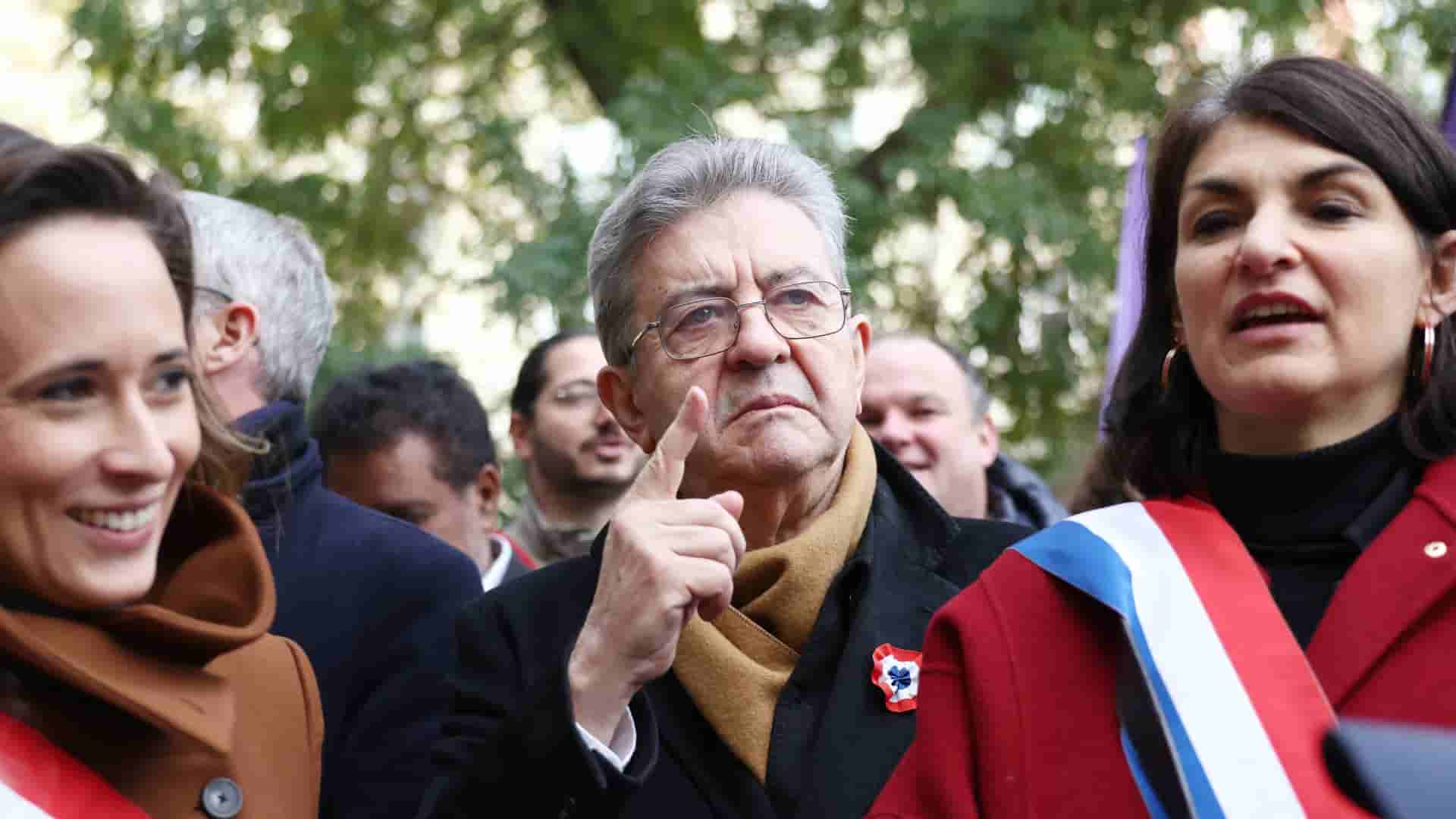
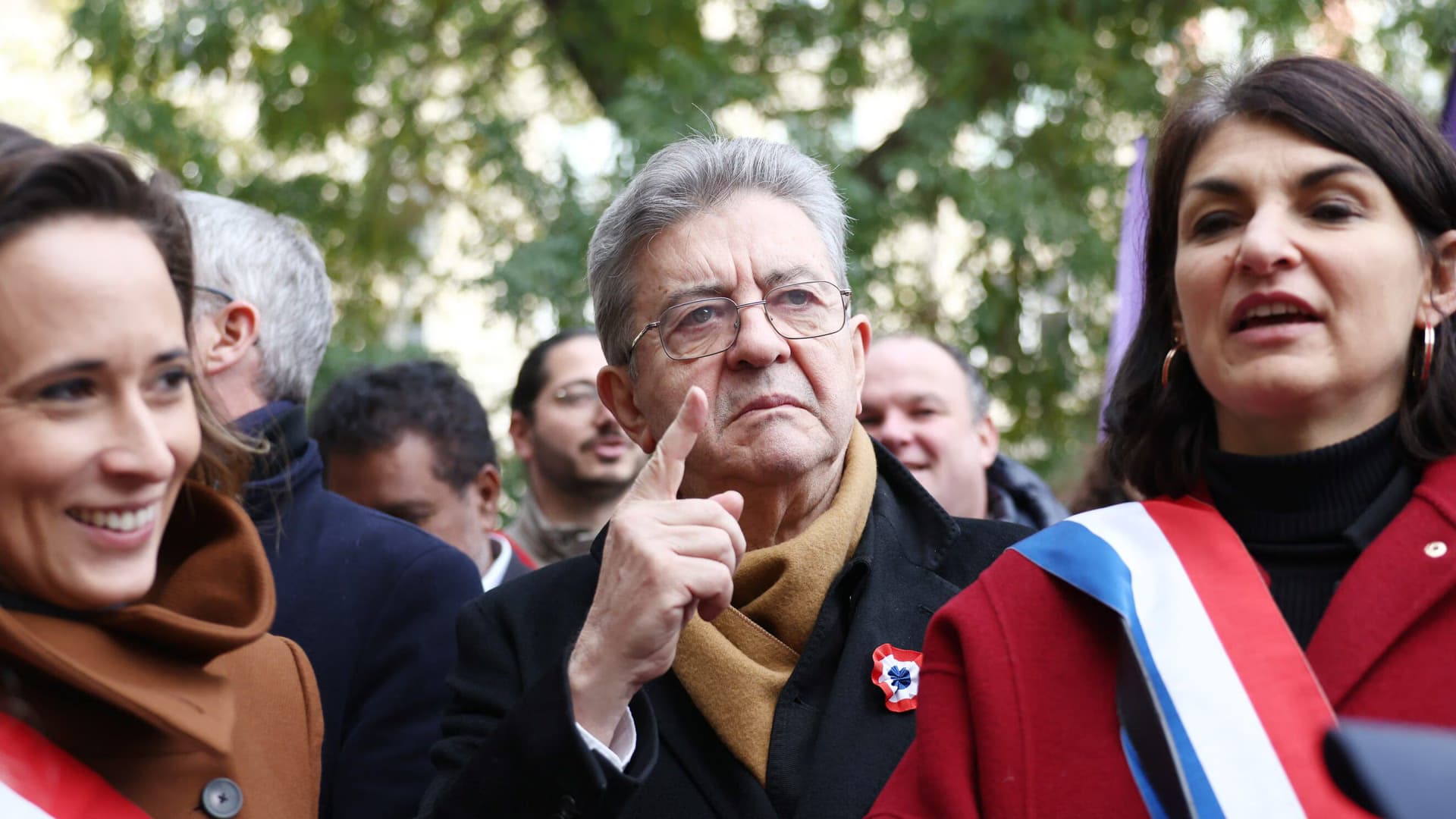
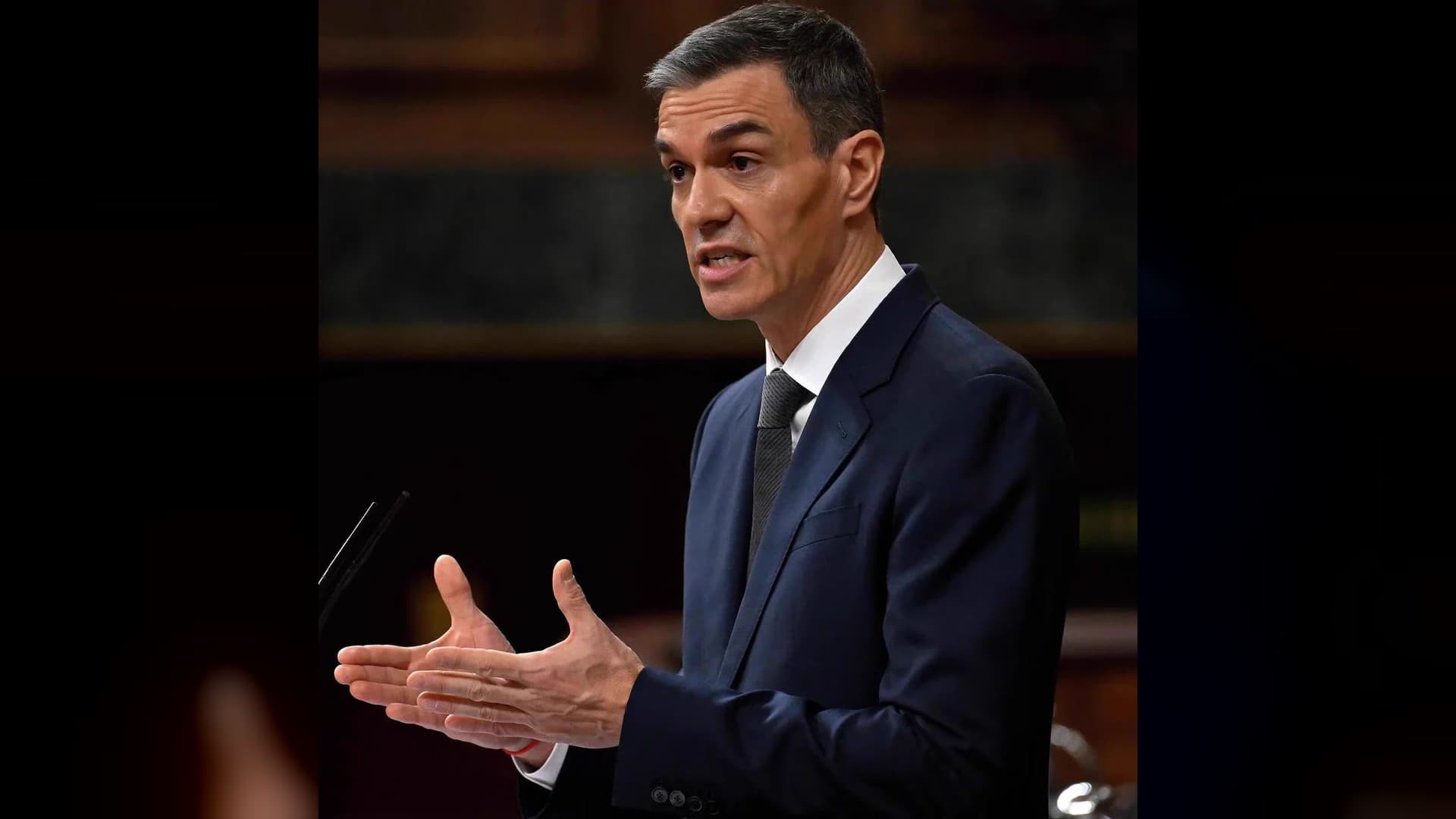
Jean-Luc Mélenchon, leader of the left-wing France Unbowed (LFI) party, has strengthened his position in the presidential race. In an Elabe poll for BFMTV and La Tribune Dimanche, published on November 14, the 75-year-old politician was projected to win 17% to 18.5% of the vote in the first round, firmly holding second place.
Marine Le Pen, the candidate of the far-right National Rally, leads with 31–33%. Former Prime Minister Édouard Philippe receives between 9.5% and 15%, depending on the scenario, while social democrat Raphaël Glucksmann polls between 10.5% and 14%. The poll was conducted on November 12–13 among 1,500 people. The first round of the election is scheduled for April 2027. Pollsters estimate that Mélenchon currently lacks enough support to defeat Le Pen in a runoff.
Donbas: “Ask the population”
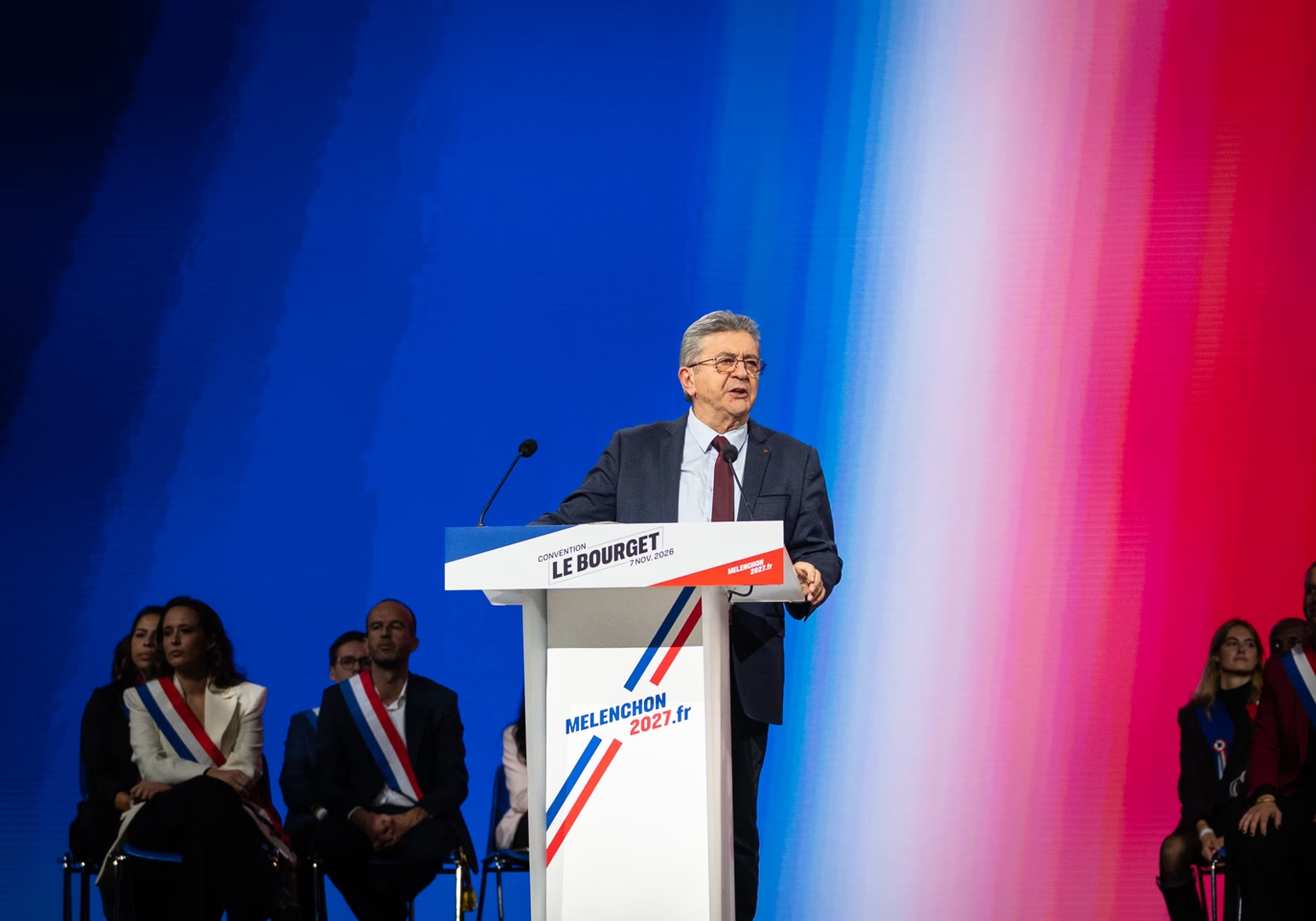
Mélenchon presented his program, “A Common Future” (L'Avenir en commun), on November 7 at a rally in Le Bourget near Paris that attracted between 17,000 and 20,000 supporters, depending on the estimate. His remarks on Ukraine drew the sharpest reaction: in the politician’s view, the people of Donbas have the right to decide whether they want to be Ukrainian or Russian if the issue arises as part of an agreement between the two countries.
Ukrainian Foreign Ministry spokesman Heorhii Tykhyi responded that Ukrainians had already decided the issue of their country’s borders, recalling the 1991 referendum in which more than 90% of voters, including residents of Donbas, supported independence. French Foreign Minister Jean-Noël Barrot said Mélenchon had “simply become the Kremlin’s mouthpiece.”
Mélenchon rejected accusations of ambiguity. “I repeat: Russia must leave Ukraine, where it has no business being,” he said on November 11, adding that if borders were to change, “the population’s opinion must be sought.” He also opposed plans to create Europe’s largest land army, asking whom it would be directed against.
Leaving NATO and the Middle East
The LFI program calls for France to immediately leave NATO’s integrated military command and then gradually withdraw from the alliance itself. It also rejects the 5% of GDP in defense spending sought by the United States, Politico reports. The party does not promise to end aid to Ukraine outright, but insists on a diplomatic settlement with “collective security guarantees” between the warring sides and the rest of Europe.
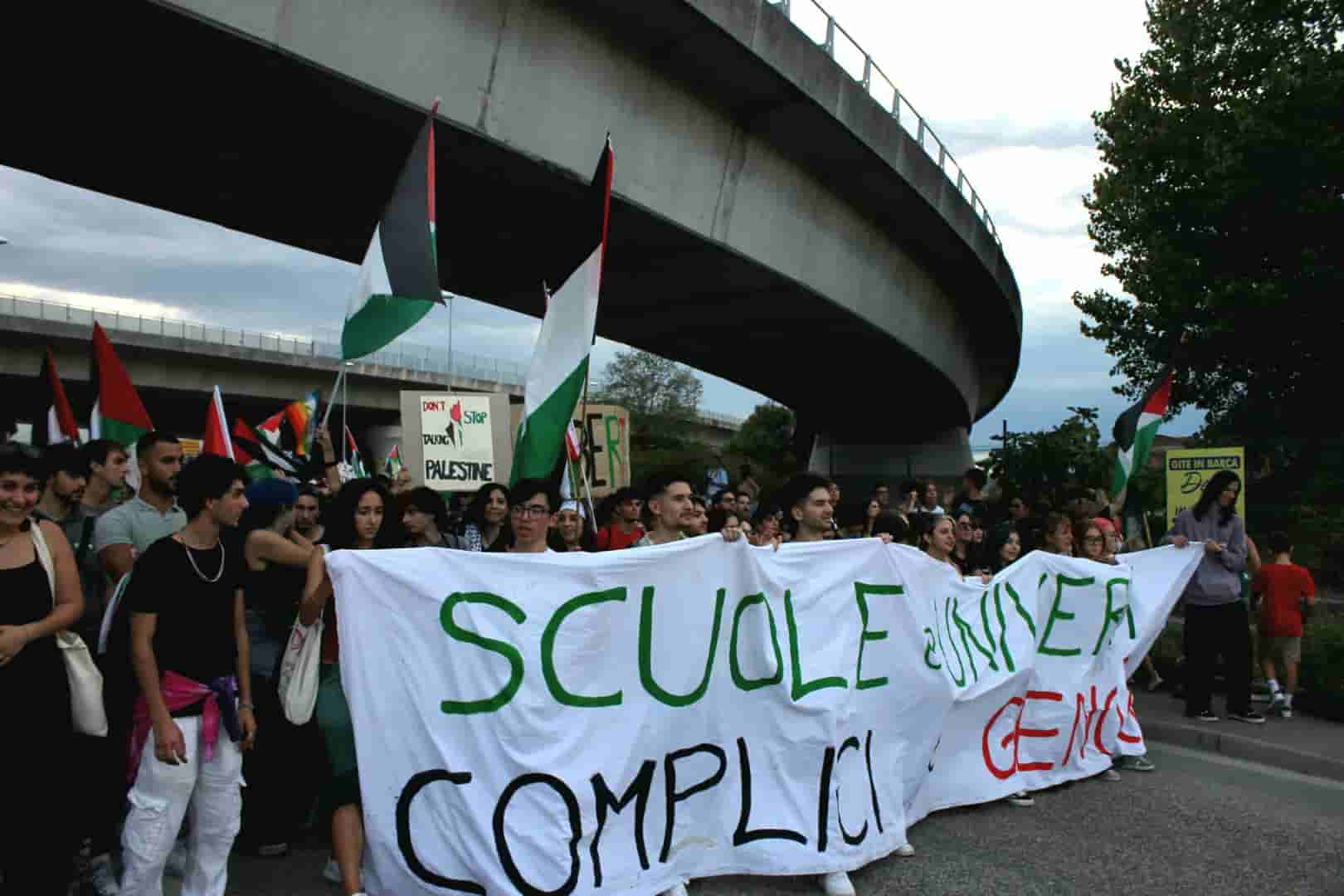
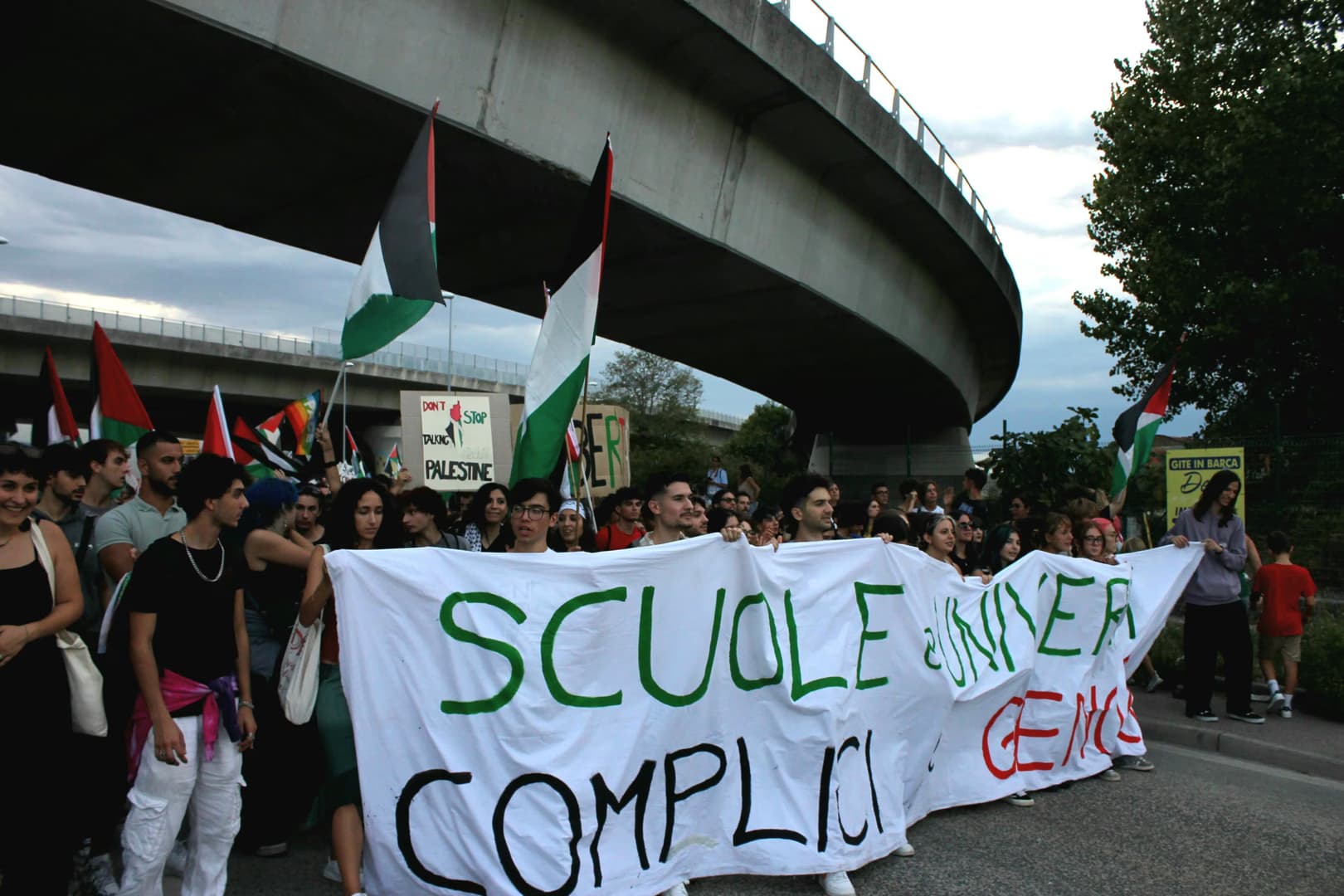
The Middle East is the second pillar of Mélenchon’s foreign-policy platform. At Le Bourget, he promised that French warships would escort civilian flotillas heading to Gaza “if necessary.” On November 12, Israel’s Foreign Ministry barred Mélenchon and Mathilde Panot, head of the LFI faction in the National Assembly, from entering the country, citing the party’s “extremely hostile” position.
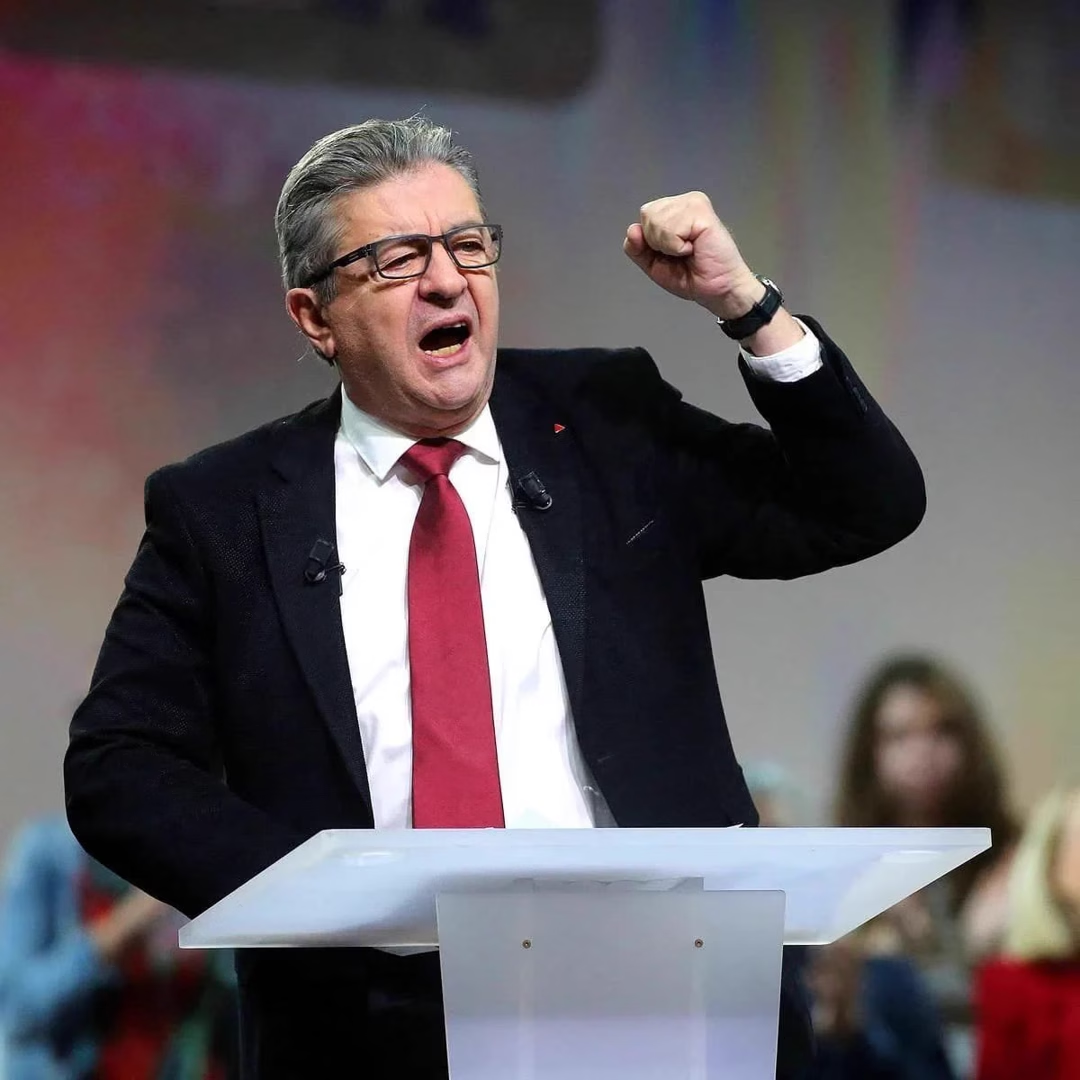
Mélenchon responded that he had not asked for permission to enter and reiterated his position: “If we come to power, we will say what we must say: condemn the genocide in Gaza, the colonization of the West Bank and the gradual annexation of southern Lebanon and the Golan Heights.” Barrot called Israel’s ban “demagogic,” while also accusing LFI of using the Israeli-Palestinian conflict for its own interests.
Meanwhile, part of the left-wing camp is beginning to rally around the candidate: Sandrine Rousseau, a lawmaker from the Ecologists party, called on her fellow party members on November 15 to join “Jean-Luc Mélenchon’s momentum.”
Photo: Getty Images, Anadolu, social media
Stay Updated with RuskiGazeta
Subscribe to be informed about special news, developments and announcements. We will keep you informed.
By signing up, you agree to our Privacy Policy