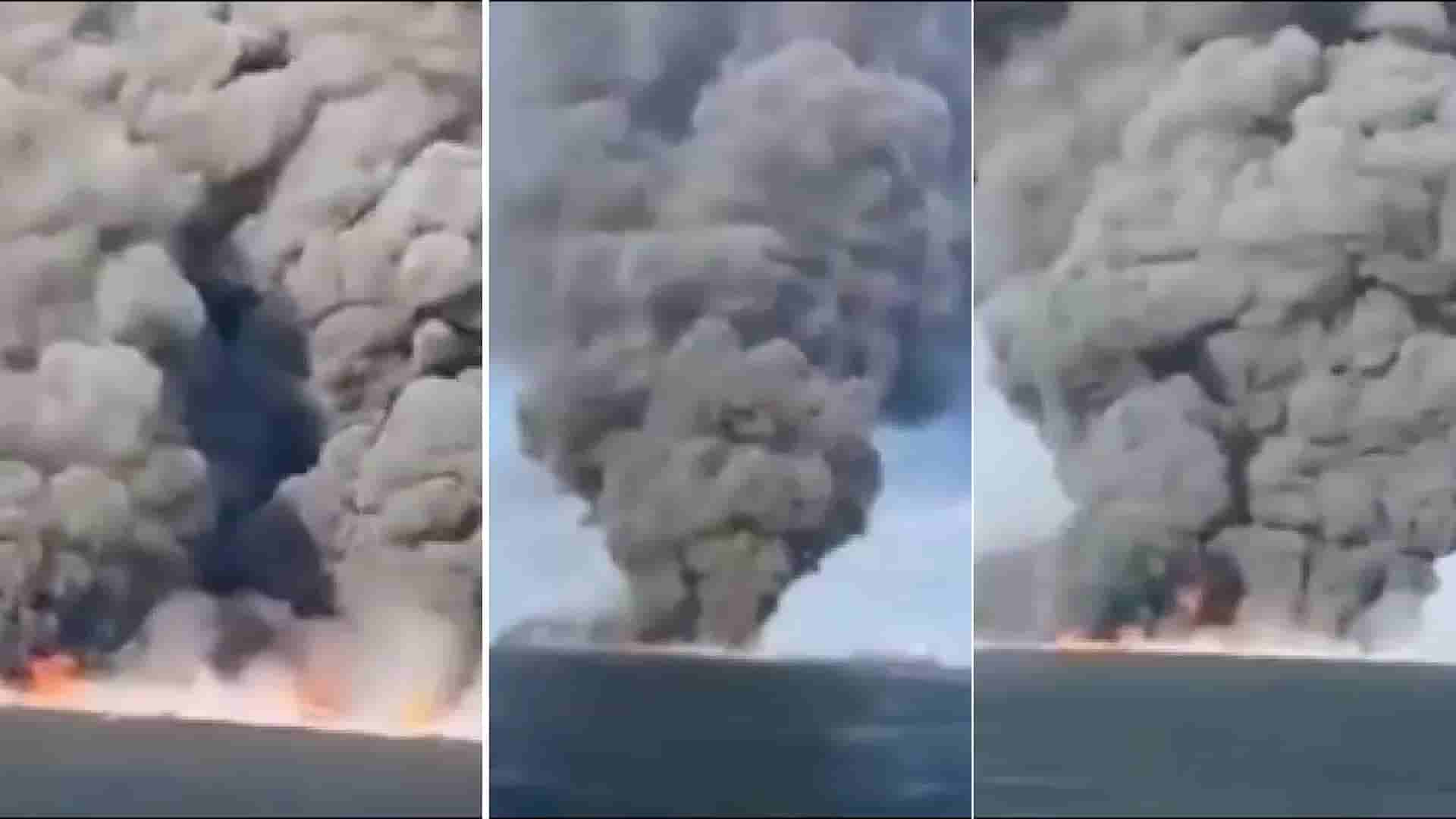
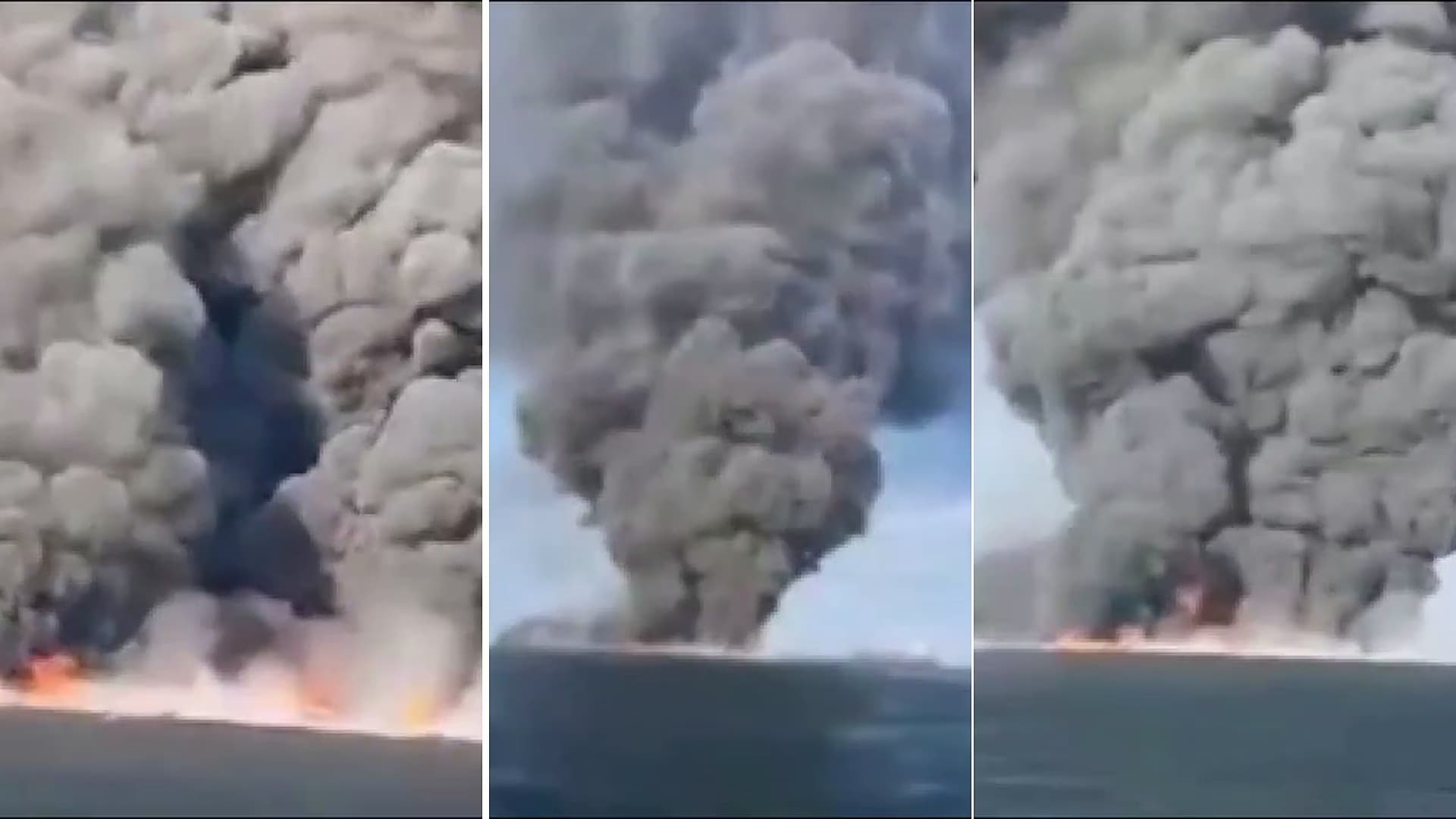
The Islamic Revolutionary Guard Corps (IRGC) Navy said on Sunday, November 15, that two oil tankers attempting to use an “unauthorized” route in the southern part of the Strait of Hormuz struck naval mines. The IRGC said powerful explosions on both vessels triggered fires.
“One of the vessels, a supertanker carrying more than two million barrels of crude oil, sank in the southern waters of the Persian Gulf,” said a statement carried by Iranian state television. The names of the tankers, their flags, owners and the fate of their crews were not disclosed. There has been no independent confirmation that the vessel sank.
Accusations against the United States
The IRGC claims that the tankers, with support from the US military, switched off their identification and positioning systems to pass through the strait undetected. Tehran warned the vessel owners and crews that any ship violating the passage rules established by Iran would “suffer the same fate.” Fishermen in the area were advised to beware of debris.
Footage released by the IRGC with the statement shows flames on the surface of the water and a huge column of black smoke. The vessel itself cannot be distinguished in the video, and the location and time of the recording have not been independently confirmed.
The United Kingdom Maritime Trade Operations (UKMTO) said it had received information from Indian maritime authorities about an attack on a tanker sailing east through the Persian Gulf before entering the strait. According to UKMTO, the crew is safe, while the extent of the damage and possible environmental consequences remain unknown. It is unclear whether the incident is connected to the IRGC statement.
What it means for the oil market
Markets are closed over the weekend, so the reaction to the news will become visible only when trading opens. On Friday, November 13, Brent closed at $95.84 a barrel, while US West Texas Intermediate stood at $88.56. Brent fell about 2.5% over the week, marking a second consecutive weekly decline amid signs of excess supply.
Analysts note that the risk premium could quickly return: Brent jumped 3.3% on Thursday after reports of tanker explosions. If ship trackers or insurers confirm the supertanker’s loss, the price could test $98, although previous unconfirmed statements from Iran were quickly absorbed by the market.
Shipping at a standstill
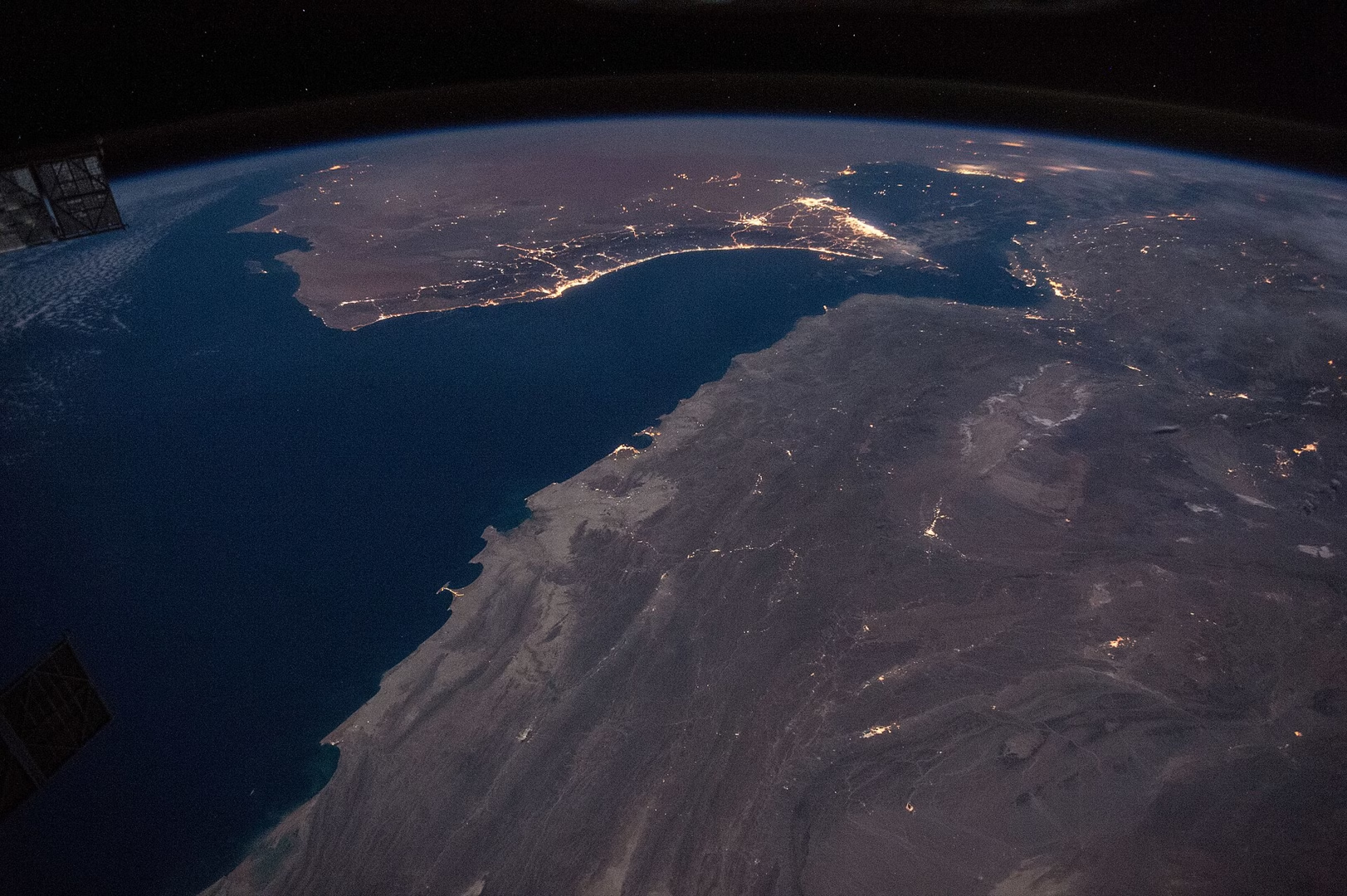
In normal times, about one-fifth of the world’s oil trade passes through the Strait of Hormuz. Iran closed it again on July 12 after the United States resumed strikes on July 8 and threatened to attack vessels traveling without permission. The United States, in turn, imposed a naval blockade on Iranian ports and said it had cleared the main routes of mines.
According to the latest UKMTO data, vessel traffic through the strait is about 65% below its prewar level. The International Maritime Organization of the United Nations recorded 136 incidents in the strait and adjacent waters from late February through November 11, in which 25 sailors were killed. According to Iranian broadcaster IRIB, five tankers struck mines in the past 48 hours alone.
Update (November 16): On Monday morning, the IRGC Navy said two more oil tankers attempting to pass through the strait’s southern route had struck mines “under the direction of American officers and with the support of US fighter jets.” The IRGC said the explosions illuminated the strait for several hours and that the number of tankers burning or sinking since Sunday had reached six. The names of the vessels and information about their crews were not disclosed, and there was no independent confirmation. The market reacted cautiously: Brent held near $95–96 a barrel in Asian trading on Monday.
Video: IRGC. Photo: NASA (archive, Wikimedia Commons). Sources: Iranian state television, UKMTO, Anadolu, Reuters.