Kremlin spokesman Dmitry Peskov said no talks had taken place on gradually easing U.S. sanctions in exchange for the release of political prisoners.
Speaking at a daily briefing on Wednesday, Peskov said U.S. and Russian officials had not discussed the matter and that it was not possible for the issue to have been raised. Peskov also categorically rejected the view that Russia holds political prisoners.
An attempt was made to bring a Belarus arrangement to Moscow
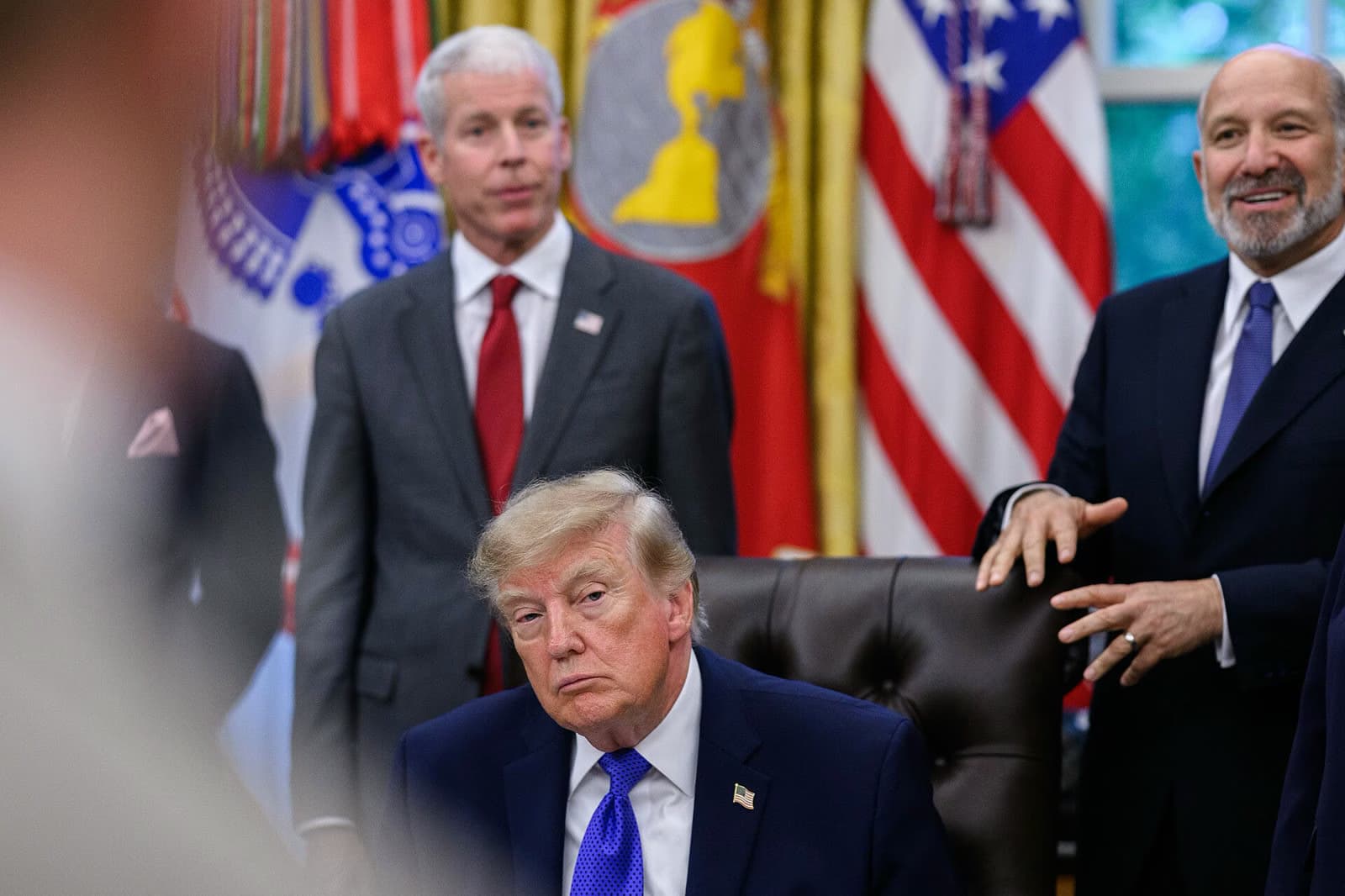
U.S. President Donald Trump allegedly supported an initiative by White House special envoy John Coale to gradually roll back sanctions against Moscow in exchange for the release of political prisoners.
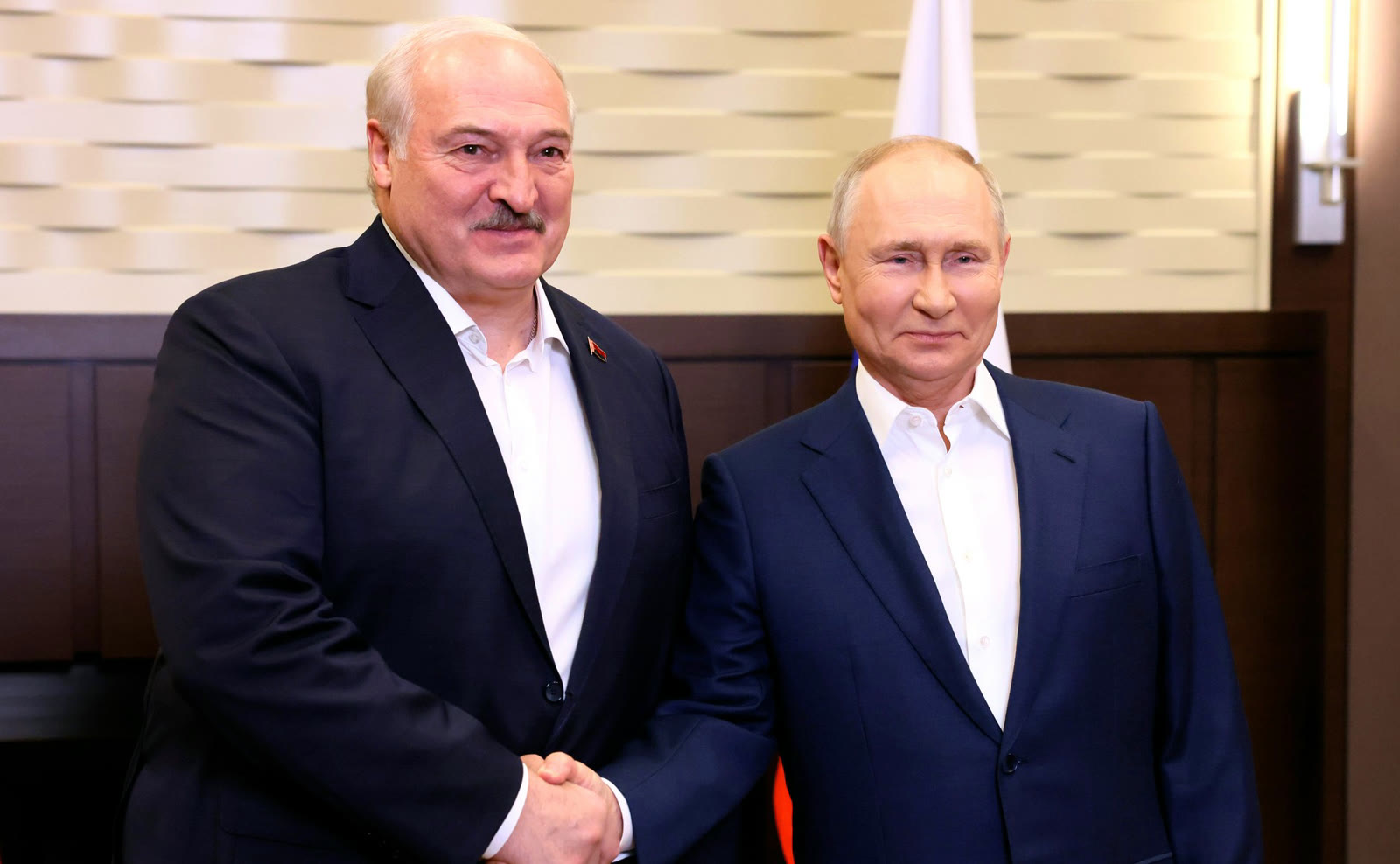
Coale had previously worked on a similar arrangement in Belarus, a close ally of Russia. Belarusian President Aleksandr Lukashenko pardoned hundreds of prisoners in exchange for sanctions relief.
The U.S. special envoy was alleged to have sought to apply this model to Moscow as well, overcome the deadlock in U.S.-Russia relations and advance peace efforts. Peskov, however, described the approach as completely inappropriate.
Memorial identifies 1,826 people as political prisoners
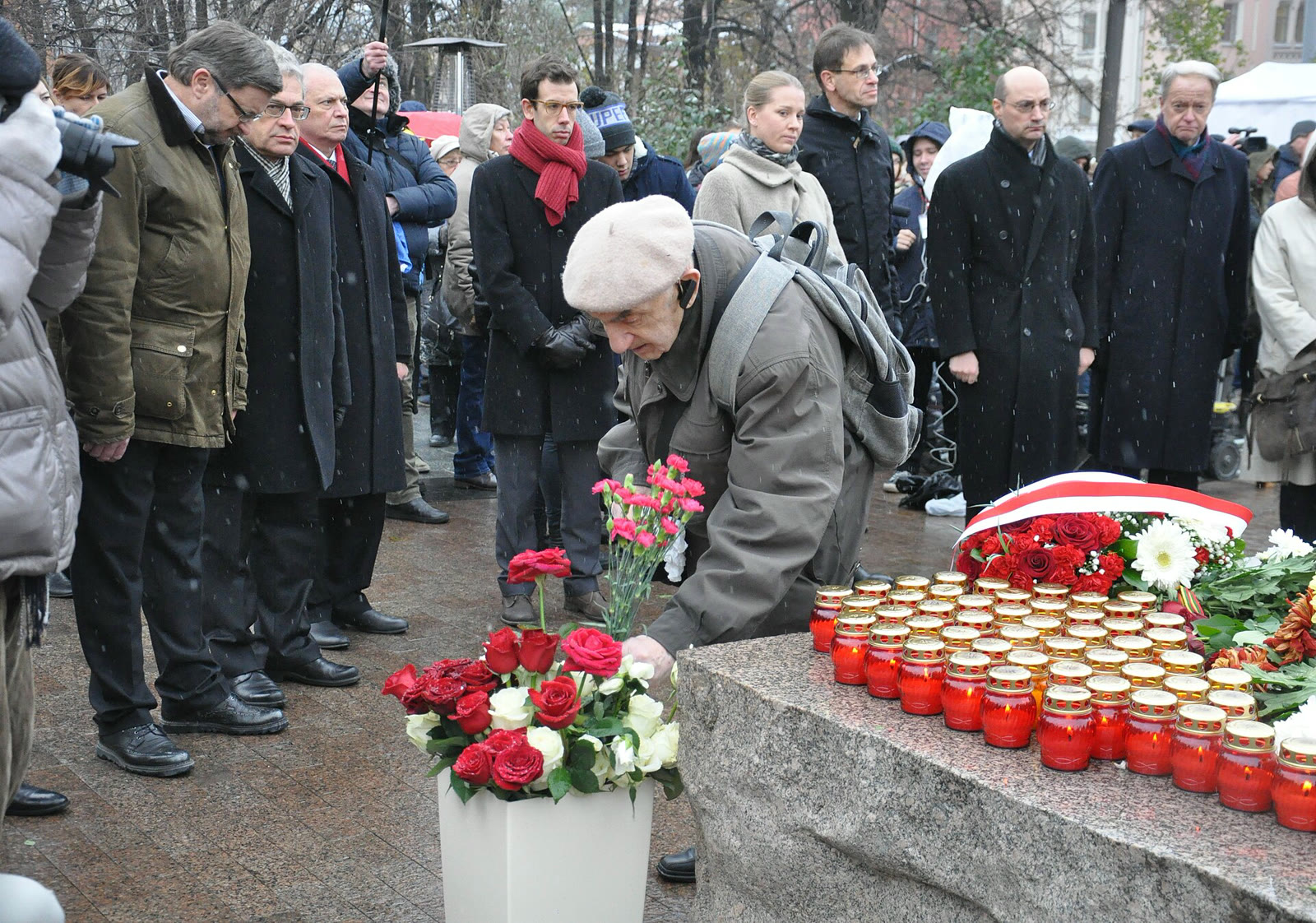
Nobel Peace Prize-winning rights group Memorial recognizes 1,826 people in Russia as political prisoners. Peskov rejected describing these individuals as political prisoners.
Peskov nevertheless said Russian and U.S. intelligence services continued to maintain regular contact over prisoner exchanges.
Coale's new role and prisoner exchanges
Russia and the United States have carried out two prisoner exchanges since Donald Trump took office in January 2025. The White House also nominated Coale for the position of special envoy for hostage affairs at the beginning of this week.
Coale, a lawyer, had previously represented Americans released during the 1979 Iran hostage crisis. While serving as deputy special envoy for Ukraine, Coale held talks on the release of prisoners and was formally appointed special envoy for Belarus in November.