- BIST10011,722-2.89%
- USD49.42+0.06%
- EUR55.41+0.20%
- GOLD4,185.20+0.36%
- INTEREST37.00%-1.00
- BITCOIN81,530-0.73%
- October 16, 202612°
- BIST10011,722-2.89%
- USD49.42+0.06%
- EUR55.41+0.20%
- GOLD4,185.20+0.36%
- INTEREST37.00%-1.00
- BITCOIN81,530-0.73%
- October 16, 202612°
Kalinin Nuclear Power Plant supplies Russia’s energy system with 4,000 megawatts
The Kalinin Nuclear Power Plant in Russia’s Tver region supplies electricity to consumption centers in the country’s central energy system through four VVER-1000 reactors. The plant provides employment in the Udomlya economy while continuing environmental monitoring and nuclear safety training for Turkish experts.


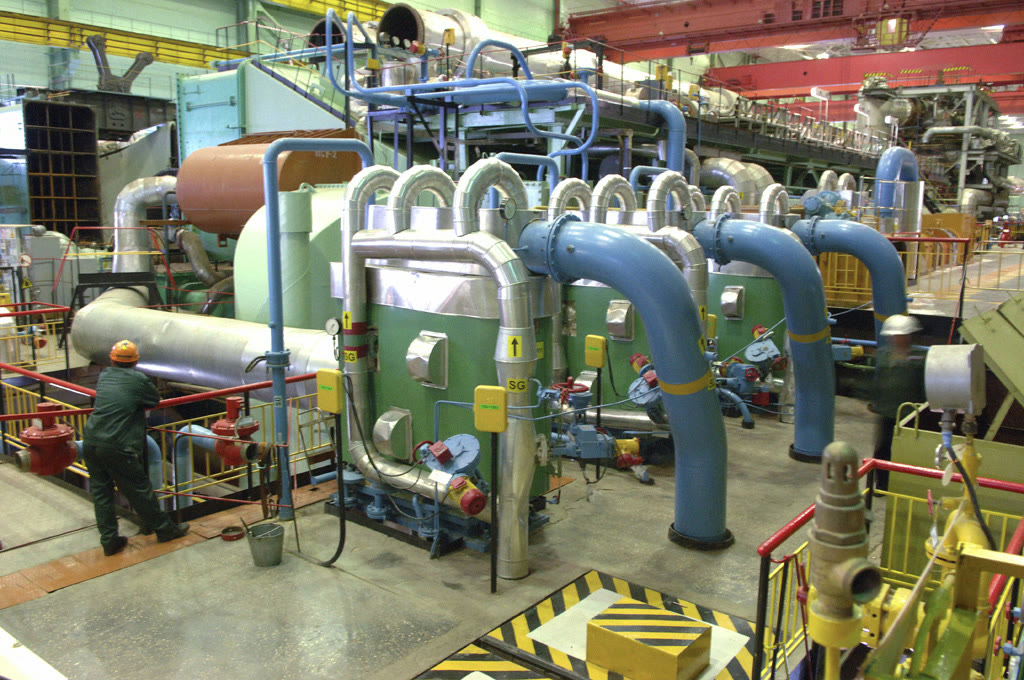
Major consumption centers in Russia’s central energy system receive electricity from the Kalinin Nuclear Power Plant in the Tver region. Located in the city of Udomlya on the southern shore of Lake Udomlya, the facility is approximately 350 kilometers by road from Moscow.
The plant supplies electricity to the Central Integrated Power System, which includes Moscow and St. Petersburg. The four VVER-1000 reactors have a combined installed capacity of 4,000 megawatts, accounting for 82 percent of electricity generation in the Tver region and 14 percent of generation in Russia’s Central Federal District.
The nuclear plant’s impact on Udomlya’s economy
The Kalinin Nuclear Power Plant and contracting organizations provide employment for approximately 30 percent of Udomlya’s working-age population. According to January 2024 data, approximately 29,500 people live in the municipal district, with more than 25,000 residing in the city center.
Under a cooperation agreement between Rosatom and the Tver regional administration that has been in force since 2013, funds allocated to the region are used to renovate roads and educational and cultural institutions, equip healthcare facilities and provide housing for young families.
The plant’s cooling system uses Lakes Udomlya and Pesvo. While the lakes’ ice-free, warm waters create different conditions for fish in winter, regular fish stocking activities are carried out around the plant. Fisheries that raise trout and sturgeon in the lakes are also active.
Environmental monitoring extends beyond water and air
Andrey Popov, a dosimetrist in the Kalinin Nuclear Power Plant’s radiation safety unit, said that air measurements are conducted during inspections with a mobile laboratory and that samples are also collected from water, soil, fish, mushrooms and wild berries.
Mobile measurements also record wind direction and speed as well as humidity levels. The results and meteorological data are sent to a crisis center, while the vehicle’s location and measurement values can be monitored from the center in real time. After initial examinations with portable devices, the samples are analyzed in detail in laboratories.
Livestock activities in the surrounding area are also included in the monitoring program. The hay, grass and grain consumed by animals are examined, while 5 kilograms of beef collected from local residents are analyzed for radionuclide content every six months.
The plant implements a program consisting of daily, weekly, monthly and annual tasks. Measurements are regularly recorded in accordance with federal legislation and radiation safety rules.
Andrey Danilkin, a member of the 17-person environmental protection unit, said the certified laboratory examines the chemical composition of lake water and the concentrations of substances in the water. Environmental monitoring covers air, surface and groundwater, soil, vegetation and aquatic organisms.
Regular observations are conducted around the lakes to identify early changes. The area attracts amateur fishermen from Moscow, St. Petersburg and Tver, while agriculture is carried out in lakeside settlements and the gardens of summer houses; grain production and livestock farming also continue in the surrounding area.
The plant’s generating capacity and reactor history
The first power unit began generating electricity in 1984, the second in 1986 and the third in 2004. The fourth power unit was commissioned in 2011. From the commissioning of the first unit through 2026, the total electricity generated at the plant reached 850 billion kilowatt-hours.
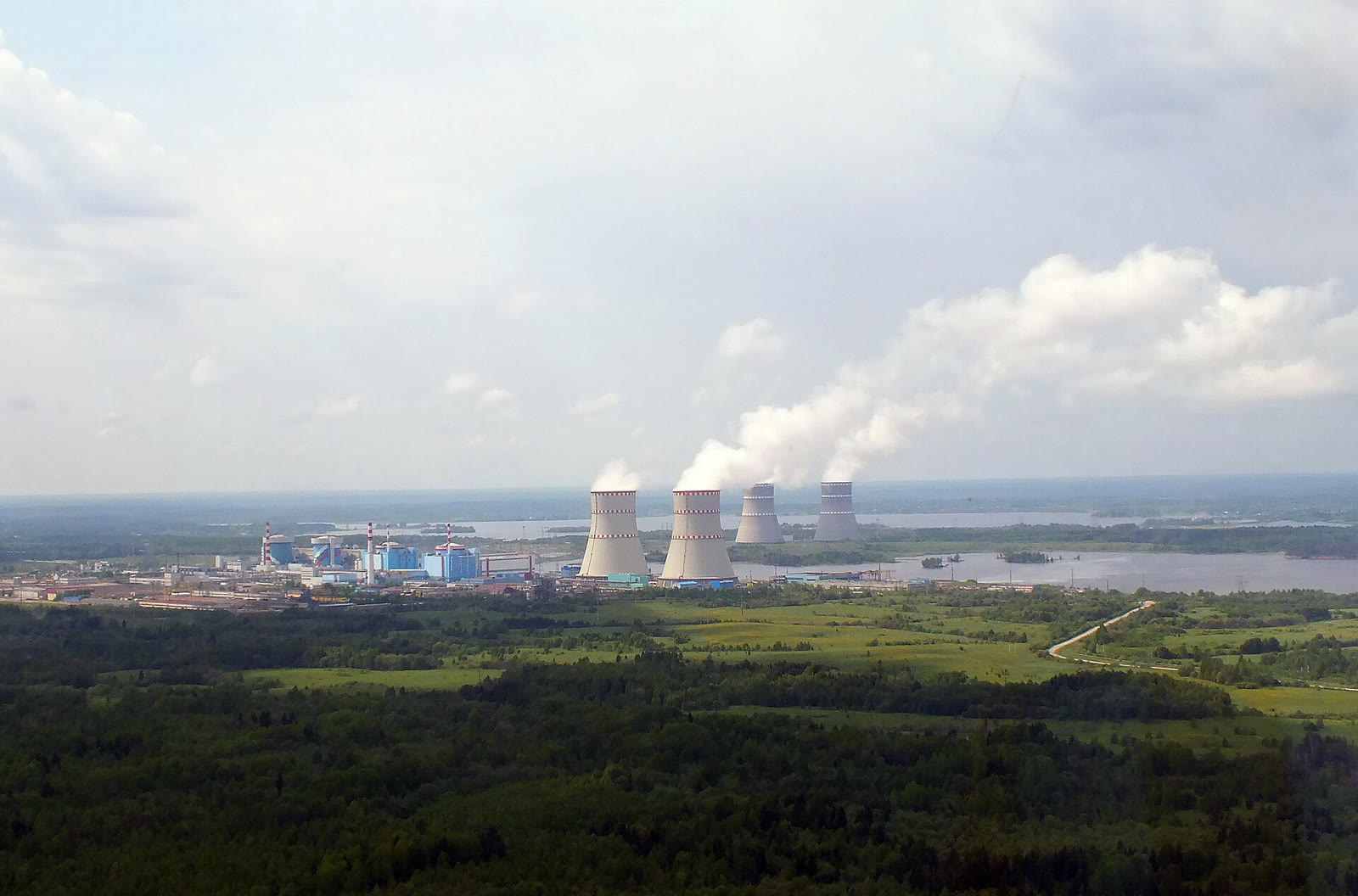
The digital automated control system used in the third power unit increases the amount of data obtained for monitoring equipment conditions several dozen times over. Modernization efforts aim to increase electricity generation and extend the operating lives of the power units.
Nuclear safety training for Turkish experts
Ruslan Aliyev, chief engineer of the Kalinin Nuclear Power Plant, said the experience gained at the facility also contributes to international training programs. Turkish experts undertake internships in nuclear safety, radiation safety and equipment operation.
Aliyev said that the basic training centers for foreign experts are located at the Novovoronezh and Leningrad plants, adding that Turkish experts are also accepted at the Kalinin facility and that it contributes to the transfer of operational experience. Aliyev said they consider the Turkish experts’ professional level to be high and that the experts show strong interest in exchanging experience on the operation of nuclear power plants.
The 17 automated stations in the region transmit radiation data continuously. The resources allocated by the plant to environmental activities exceeded 840 million rubles in 2025. This budget was used for environmental monitoring, preserving the population of aquatic organisms and protecting the atmosphere.
Work to extend the operating lives of the existing power units is also continuing. The operating license for the first unit is valid until 2044 and the license for the second unit until 2038; plans call for extending the operating lives of the third and fourth units.
Stay Updated with RuskiGazeta
Subscribe to be informed about special news, developments and announcements. We will keep you informed.
By signing up, you agree to our Privacy Policy