- BIST10011,722-2.89%
- USD49.45+0.05%
- EUR55.62+0.37%
- GOLD4,181.10+0.26%
- INTEREST37.00%-1.00
- BITCOIN81,440-0.08%
- October 17, 202612°
- BIST10011,722-2.89%
- USD49.45+0.05%
- EUR55.62+0.37%
- GOLD4,181.10+0.26%
- INTEREST37.00%-1.00
- BITCOIN81,440-0.08%
- October 17, 202612°
Hantavirus Outbreak on MV Hondius: Three Deaths Reported
At the end of April, a hantavirus outbreak occurred on the MV Hondius cruise ship sailing in the Atlantic Ocean, resulting in three deaths. The World Health Organization took evacuation and quarantine measures for suspected cases, and the situation is being closely monitored.
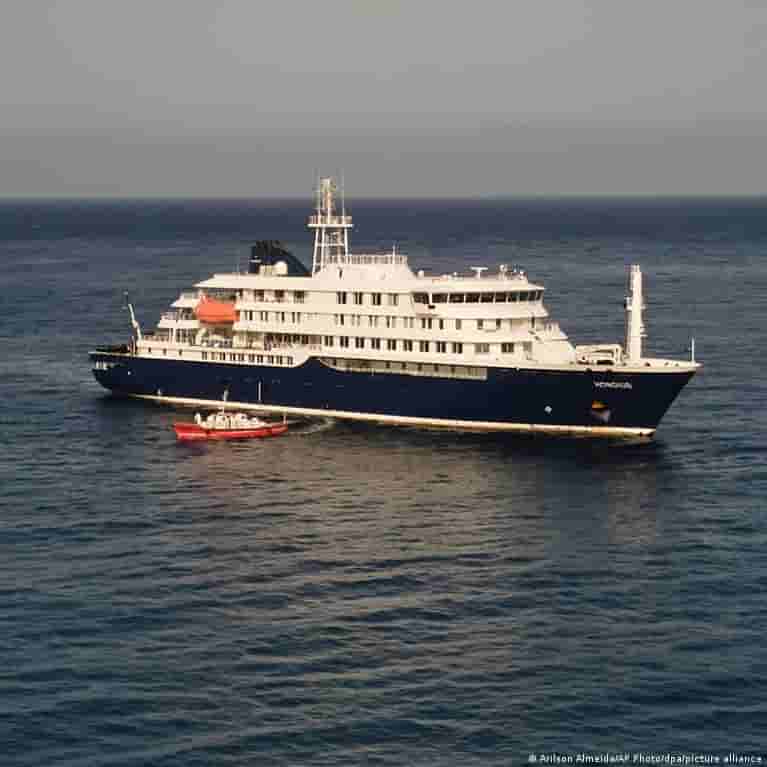
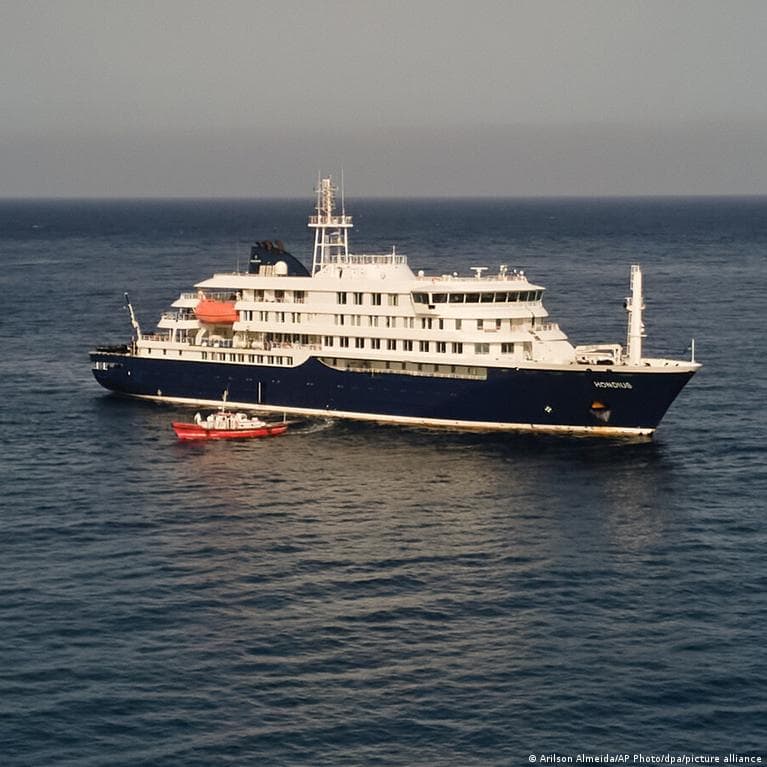
At the end of April, a hantavirus outbreak was detected on the Dutch cruise ship MV Hondius sailing in the Atlantic Ocean. As of May 6, it was reported that three passengers had died; among the deceased were a Dutch couple and a 78-year-old German woman. It was confirmed that the virus was the Andes hantavirus type and that it could be transmitted from person to person.
The World Health Organization (WHO) and relevant health institutions took action to evacuate suspected cases. Three people, two crew members and one passenger, were flown to the Netherlands, and their health conditions were reported as stable. The Dutch Ministry of Foreign Affairs shared the identities and health statuses of those evacuated.
The MV Hondius set off from Ushuaia, Argentina, at the end of March with about 150 passengers and crew and was sailing in the Atlantic Ocean. Since May 3, it has been anchored off Cabo Verde due to the outbreak. The Spanish Ministry of Health reported that passengers remaining on the ship have not yet shown symptoms.
Hantavirus is usually transmitted through rodent droppings, but the Andes hantavirus type is known to be transmissible from person to person. This increases the risk of the outbreak spreading. The incubation period of the disease can be several weeks, and there is currently no effective vaccine in Europe.
The ship's next route is controversial. Spain plans to direct the ship to the Canary Islands, while the regional administration has objected to this decision. Passengers are expected to be quarantined and health checks continued. Official statements and developments regarding the process are being closely followed.
Stay Updated with RuskiGazeta
Subscribe to be informed about special news, developments and announcements. We will keep you informed.
By signing up, you agree to our Privacy Policy