- BIST10011,722-2.89%
- USD49.42+0.06%
- EUR55.41+0.20%
- GOLD4,178.40+0.20%
- INTEREST37.00%-1.00
- BITCOIN81,293-1.02%
- October 16, 202612°
- BIST10011,722-2.89%
- USD49.42+0.06%
- EUR55.41+0.20%
- GOLD4,178.40+0.20%
- INTEREST37.00%-1.00
- BITCOIN81,293-1.02%
- October 16, 202612°
Eye and mental health conditions can restrict gun licenses in Russia
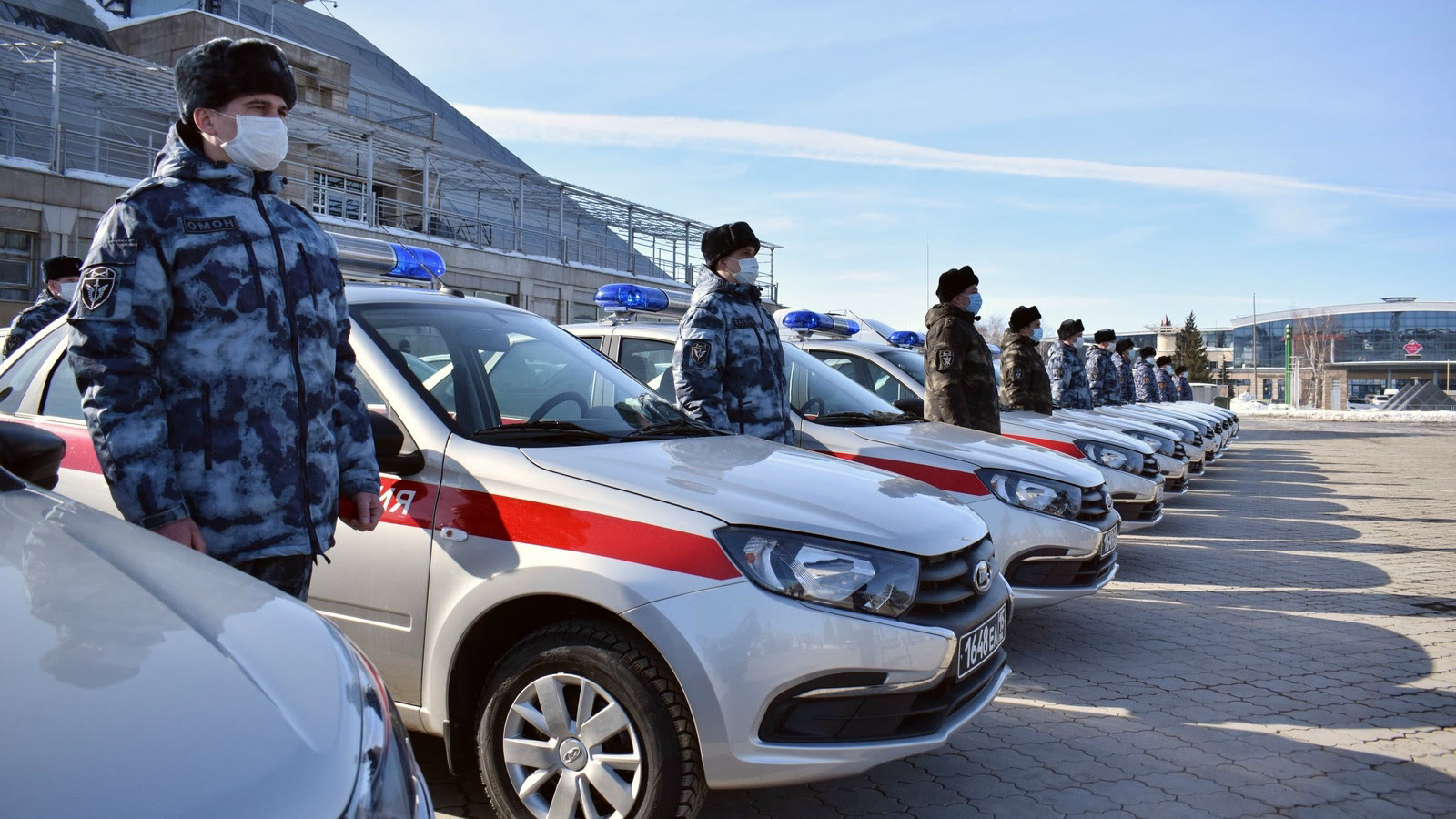
Certain chronic illnesses, mental disorders and vision problems in Russia can prevent people from obtaining a gun license. Pavel Ushakov said restrictions related to disorders caused by psychoactive substance use may be lifted after at least three years of sustained recovery.


Mental health, vision and certain chronic illnesses are taken into account when applications for gun licenses are assessed in Russia. Pavel Ushakov, deputy head of the licensing and permits center of the Russian National Guard’s Moscow regional directorate, said medical restrictions are applied according to a list established by a government decision.
Conditions that may prevent a license from being issued include organic and symptomatic disorders caused by psychoactive substance use, as well as schizophrenia. Schizotypal, delusional and mood disorders, along with neurotic and stress-related disorders, somatoform disorders, and personality and behavioral disorders in adulthood, are also included on the list.
Limits set for visual acuity
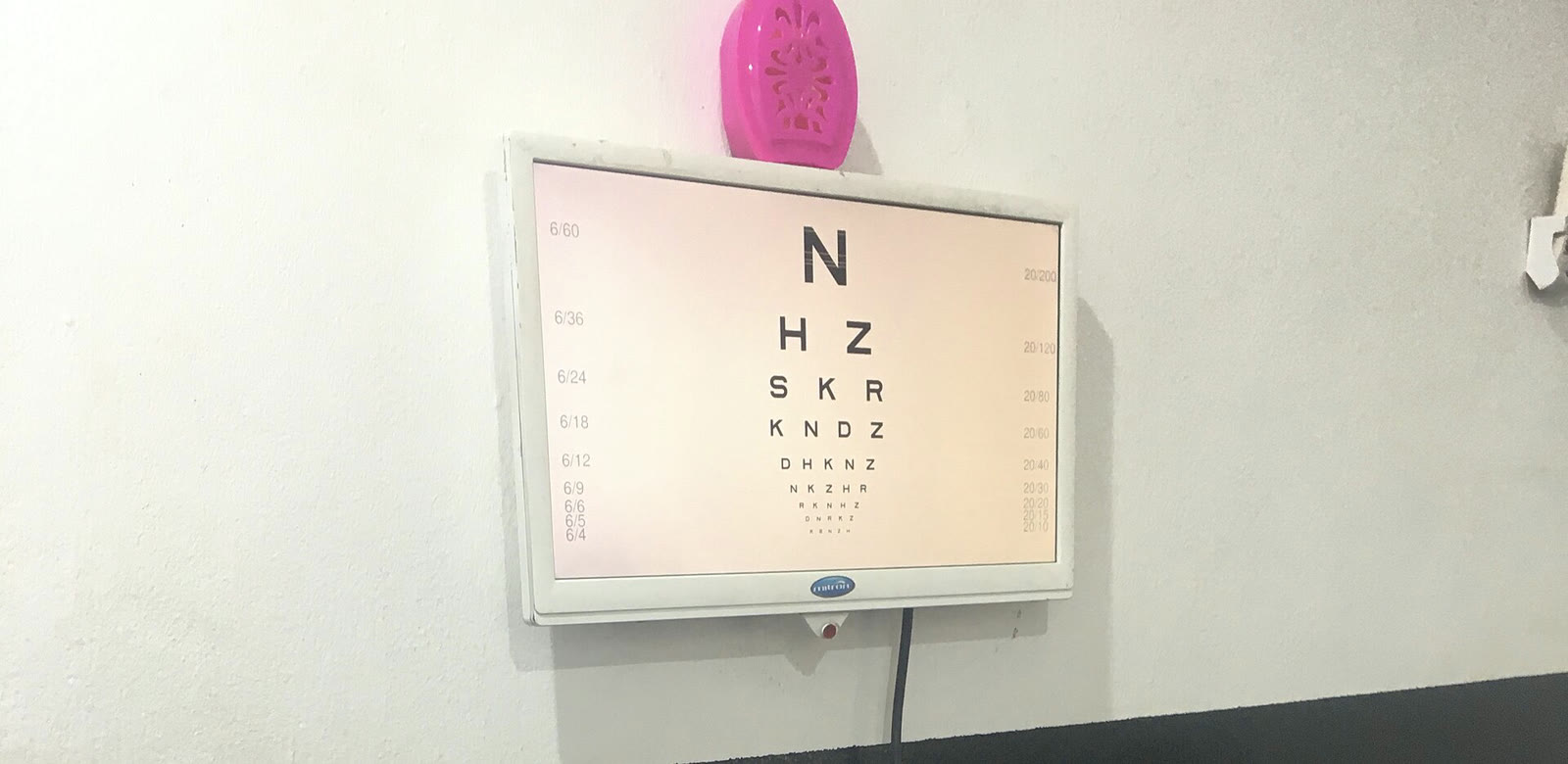
According to the medical criteria cited by Ushakov, an application may be rejected if visual acuity is below 0.5 in the better-seeing eye and below 0.2 in the other eye. If one eye has no vision, visual acuity below 0.7 in the other eye may also be considered a disqualifying condition.
The inability to tolerate correction with glasses or contact lenses while both eyes are open, as well as a narrowing of the visual field to 20 degrees or less in both eyes, is also taken into consideration. Certain types of cataracts and glaucoma, along with optic nerve atrophy, are among the other medical conditions considered in license applications.
Restrictions may be lifted after three years of recovery
Ushakov said that not every condition on the list results in an indefinite ban on holding a gun license. In cases of disorders caused by psychoactive substance use, the medical restriction may be lifted after at least three years of sustained recovery.
Stay Updated with RuskiGazeta
Subscribe to be informed about special news, developments and announcements. We will keep you informed.
By signing up, you agree to our Privacy Policy