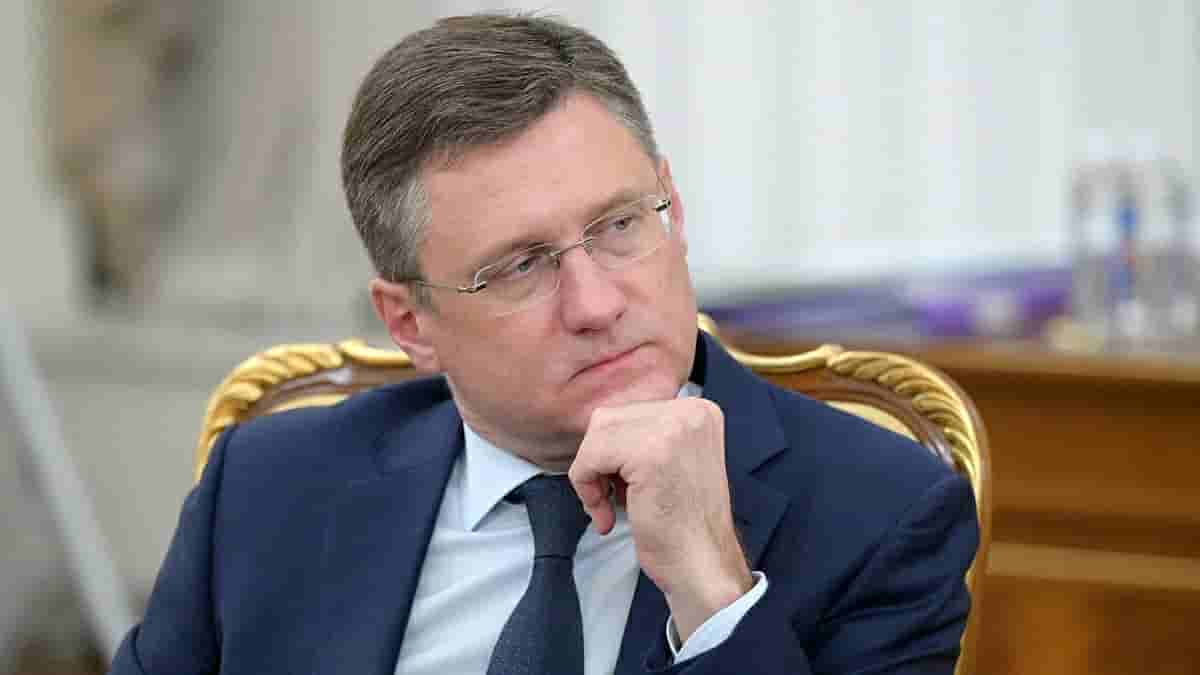
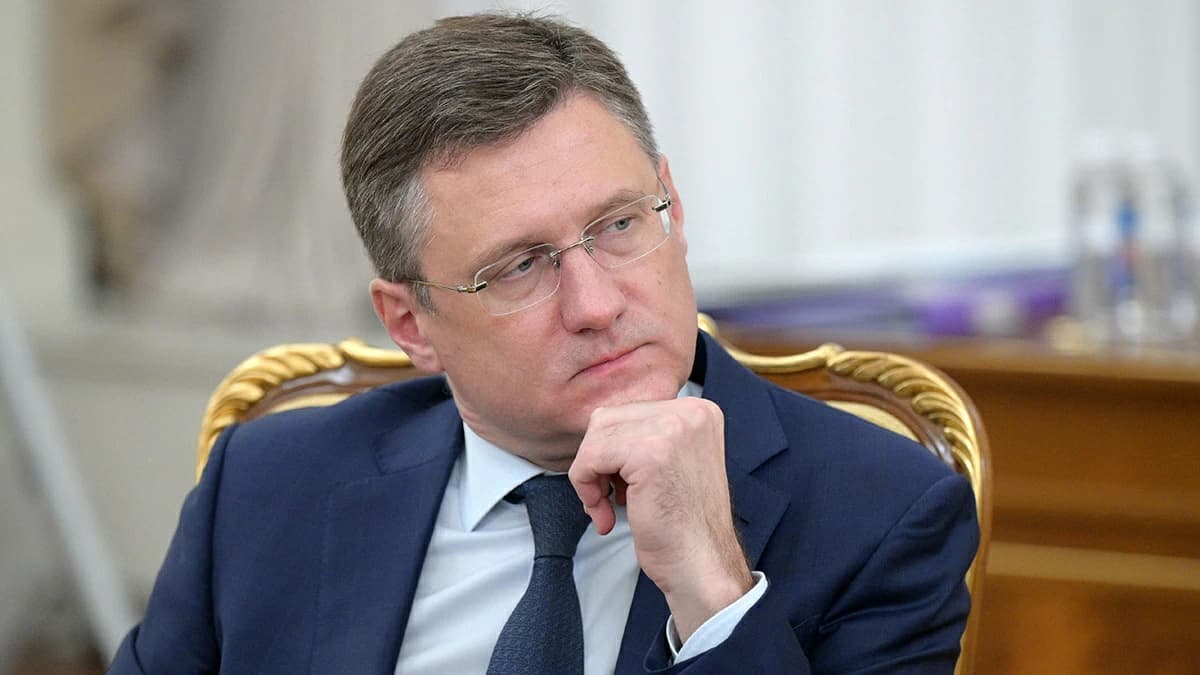
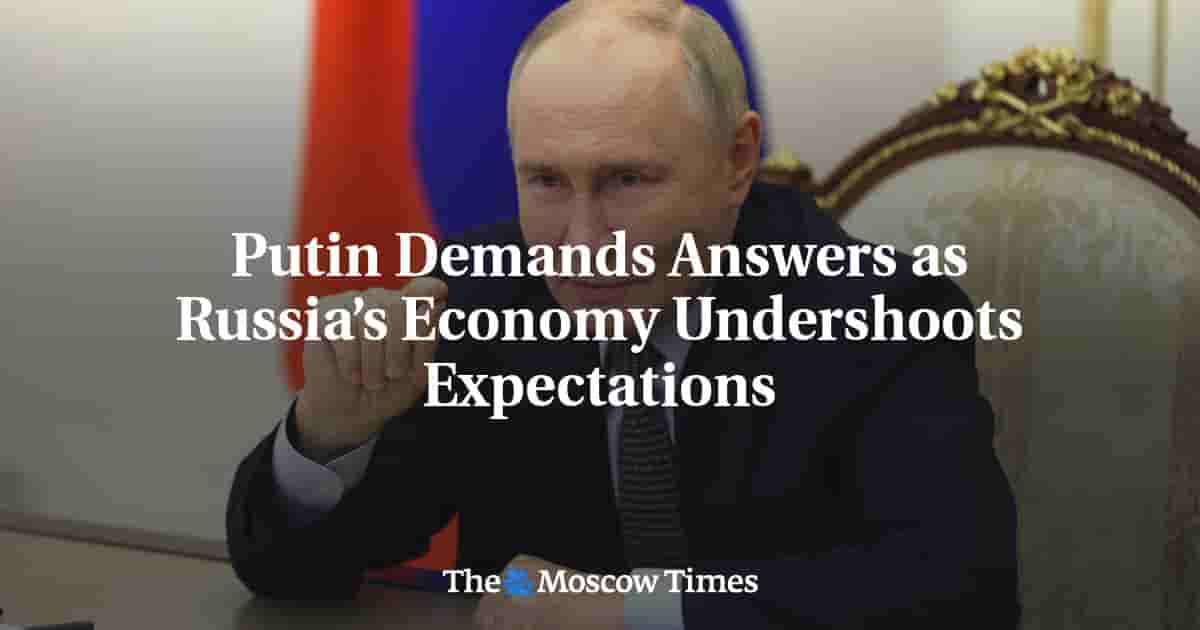
Under war conditions in Russia, the economic and political system is trapped between forces that cannot balance each other. While the sustainability of military advantages gained through medium-range strikes is uncertain, industrial production shows growth only in military sectors, with declines in other sectors. The Kremlin tries to continue progress with limited resources, while increasing dissatisfaction among elites and stagnation in decision-making processes draw attention. Aleksandr Shokhin, President of the Russian Union of Industrialists and Entrepreneurs, emphasizes that expecting tax increases from businesses under current conditions could harm growth and highlights the importance of timely payments to the state's major contractors. Even in sectors supported by political interventions such as waste management across the country, bankruptcies are observed. According to Nezavisimaya Gazeta, the 'cold war' between the Russian Central Bank and the government indicates that high interest rates stem from the structural effects of the war economy, but the weakening of the civilian economy reduces state tax revenues, complicating war financing. Finance Minister Siluanov states that fiscal easing cannot be allowed in the face of global transformations and that necessary measures for the continuation of the war will be taken. The Central Bank's high interest rate policy aims to maintain political power balances with outcomes left to the market according to the Kremlin's own logic. Recently, a law allowing the Central Bank and private banks to arm drone defense systems reveals that the state shifts its failures onto the private sector, creating new areas of competition. This situation means additional challenges for the business world during a period of worsening economic conditions and declining bank profits. The regime's conversion of its own inadequacy into an advantage through market mechanisms binds interest groups to itself, but with the failure to achieve the expected success in the war in Ukraine, there is a greater risk of further failures. While no organized opposition against the regime is visible among the elites, everyone is pursuing the preservation of their own existence and interests. Putin's direct sanctioning capacity weakens, while the administration tries to maintain the current situation by spreading pain through technical means. This shows that the regime is governed by a system progressing with indecision and postponed difficult decisions.