- BIST10011,430-2.49%
- USD49.45+0.05%
- EUR55.62+0.37%
- GOLD4,159.50-0.52%
- INTEREST37.00%-1.00
- BITCOIN81,935-0.09%
- October 19, 202616°
- BIST10011,430-2.49%
- USD49.45+0.05%
- EUR55.62+0.37%
- GOLD4,159.50-0.52%
- INTEREST37.00%-1.00
- BITCOIN81,935-0.09%
- October 19, 202616°
Comprehensive surgeries restore faces of soldiers wounded in Western Ukraine war
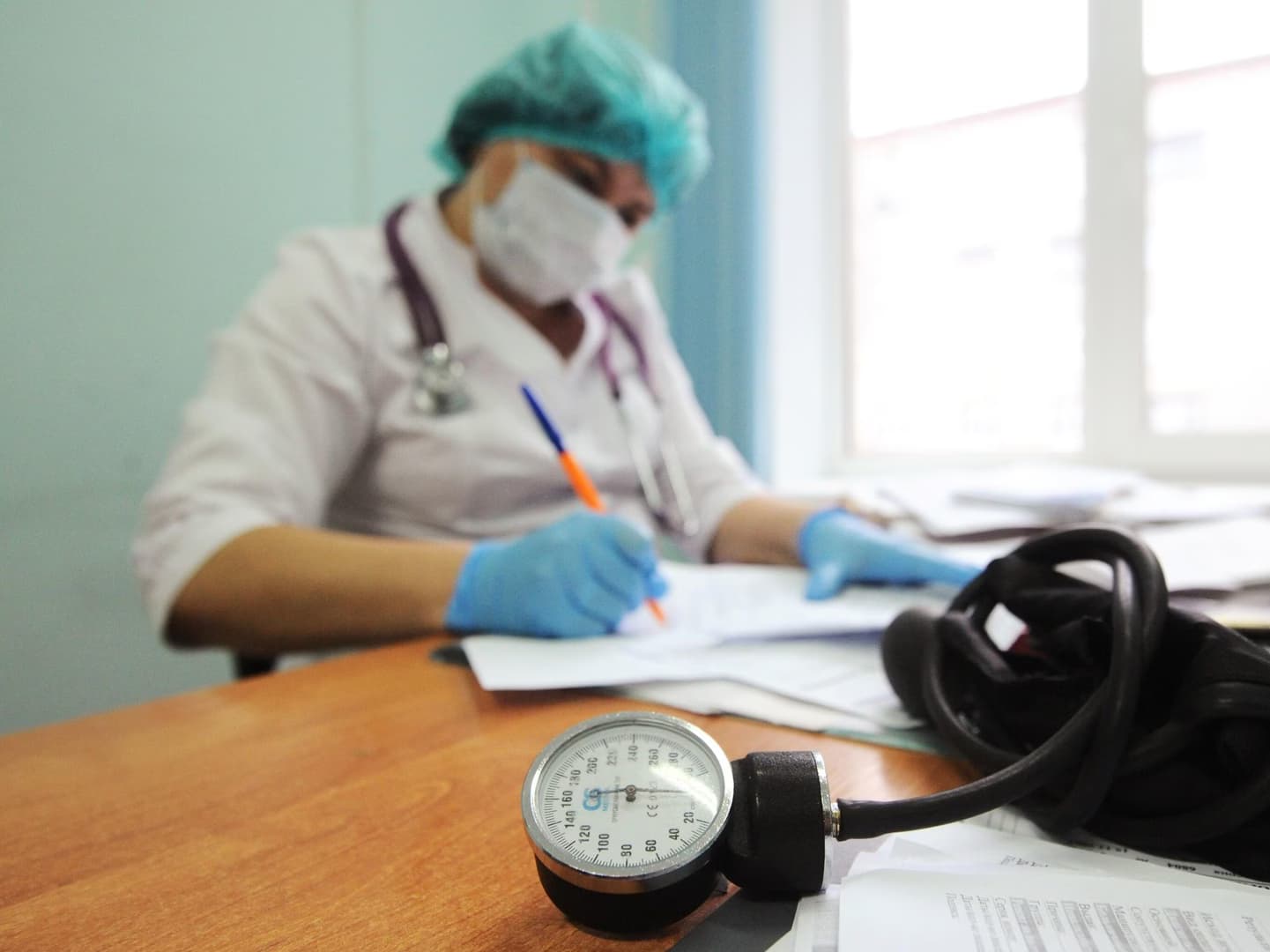
Reconstructive operations involving American plastic surgeons aimed to restore both the appearance and essential functions such as speech, chewing, and daily activities for Ukrainian soldiers injured in the war. These treatments were carried out as part of a multi-stage medical mission for patients in Western Ukraine.


Reconstructive surgeries performed on soldiers severely wounded in the face during the war in Western Ukraine aim not only to improve appearance but also to restore speech, chewing, and daily life functions. American plastic surgeons also participated in these operations.
One such surgery was performed on 49-year-old Vitaliy Yakovets, who was hit in the face by shrapnel during an FPV drone attack. Under anesthesia, the nearly three-hour procedure involved delicate suturing to repair wounds extending from under his right eye to his ear, and from there to his nose and mouth.
After the surgery, it was noted that Yakovets could better close his right eye and that the scars causing facial asymmetry were somewhat reduced. Yakovets said he could hardly recognize himself in the mirror, as his face now looked different and more symmetrical.
His experience also highlights that injuries sustained on the front lines are not limited to physical effects. After his injury, Yakovets had to eat soft foods and could not eat meat due to his jaw not closing properly. He also described restricted movement caused by a metal rod in his leg.
Yakovets joined the army on the day Russia launched its large-scale invasion in February 2022. Coming from the northeast of the Sumy region, he was wounded near Lyman in the Donetsk region during a series of drone attacks; the first attack caused shrapnel wounds to his head, and the second injured his leg.
Despite heavy drone surveillance over the area where the wounded soldiers were located, two soldiers reached them and evacuated Yakovets and his comrades within two hours. However, during the evacuation, the group narrowly escaped death due to new drone attacks and 120-millimeter mortar fire.
Yakovets’ surgery was part of a humanitarian medical mission called "Face to Face." Supported by organizations based in the US and Ukraine, this initiative brings together doctors from various specialties to perform multi-stage and often lengthy operations on patients with facial war injuries.
American surgeons explained that these surgeries are extremely delicate due to the dense nerves and blood vessels in the face, and they strive to restore both form and function as much as possible for each patient. According to experts, the true results emerge months after surgery; factors such as infection risk, healing process, and the patient’s overall health are decisive.
Another soldier undergoing the same process, Ivan Semeniuk, said he wanted his wound to be less visible for his family. Semeniuk, 54, who was injured near Pokrovsk in the Donetsk region in July 2024, lost his right eye and carries a sunken scar that causes his eyelid to remain open.
Semeniuk said he initially felt sad because of his appearance but emphasized that his family’s love did not change. He stressed that his desire to reduce the scars on his face was more about easing the worries of his loved ones than about his own image.
Stay Updated with RuskiGazeta
Subscribe to be informed about special news, developments and announcements. We will keep you informed.
By signing up, you agree to our Privacy Policy