- BIST10011,722-2.89%
- USD49.42+0.06%
- EUR55.41+0.20%
- GOLD4,182.10+0.29%
- INTEREST37.00%-1.00
- BITCOIN81,408-0.88%
- October 16, 202612°
- BIST10011,722-2.89%
- USD49.42+0.06%
- EUR55.41+0.20%
- GOLD4,182.10+0.29%
- INTEREST37.00%-1.00
- BITCOIN81,408-0.88%
- October 16, 202612°
A new program helps five children in Russia learn to read quickly
A reading program developed for children in Russia with severe motor impairments and speech difficulties was tested with five students. All of them learned to read in a short time, while a student named Dina began writing sentences with the help of an eye-tracking device and a tablet.


A new reading program designed to educate children in Russia with severe motor impairments and speech difficulties was tested with five students. All the students in the group, which included children with cerebral palsy, learned to read in a short time.
The program was developed by Irina Yefimova, a special education specialist at OANO Center, which operates in the field of education. The center introduced the method as part of World Cerebral Palsy Day on October 7.
Education tailored to each child's form of communication
Yefimova said standard reading instruction methods were not sufficient for children with severe motor impairments who cannot speak. For this reason, an alternative means of communication that each child can use is identified before instruction begins; reading materials suited to the student's needs are then prepared, along with activities aimed at reducing developmental difficulties.
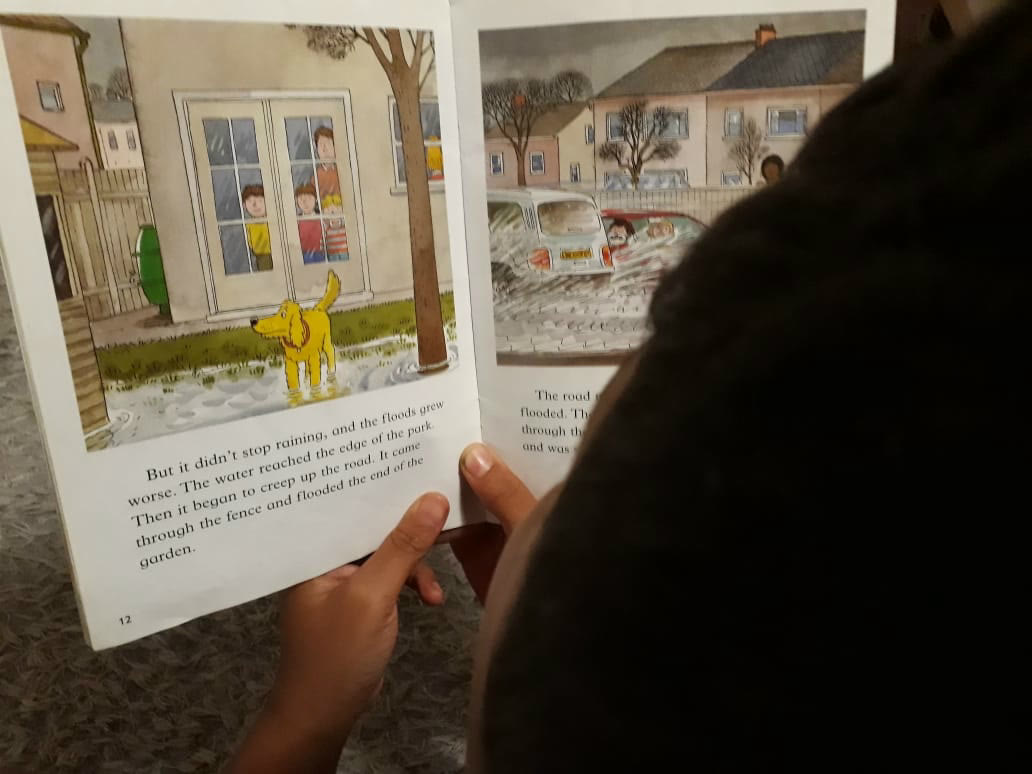
Being unable to respond verbally or use a keyboard does not mean that students are excluded from education. Specialized tools and tasks are selected based on the form of communication the child can use.
Dina wrote sentences with an eye-tracking device
A student named Dina from Tatarstan had previously been mistakenly diagnosed with "profound intellectual disability." OANO Center obtained an eye-tracking device so that she could control a computer with her gaze.
An additional tablet was also connected to the system for Dina to use. Within a few months, the student not only learned to read but also began writing sentences and expressing her thoughts.
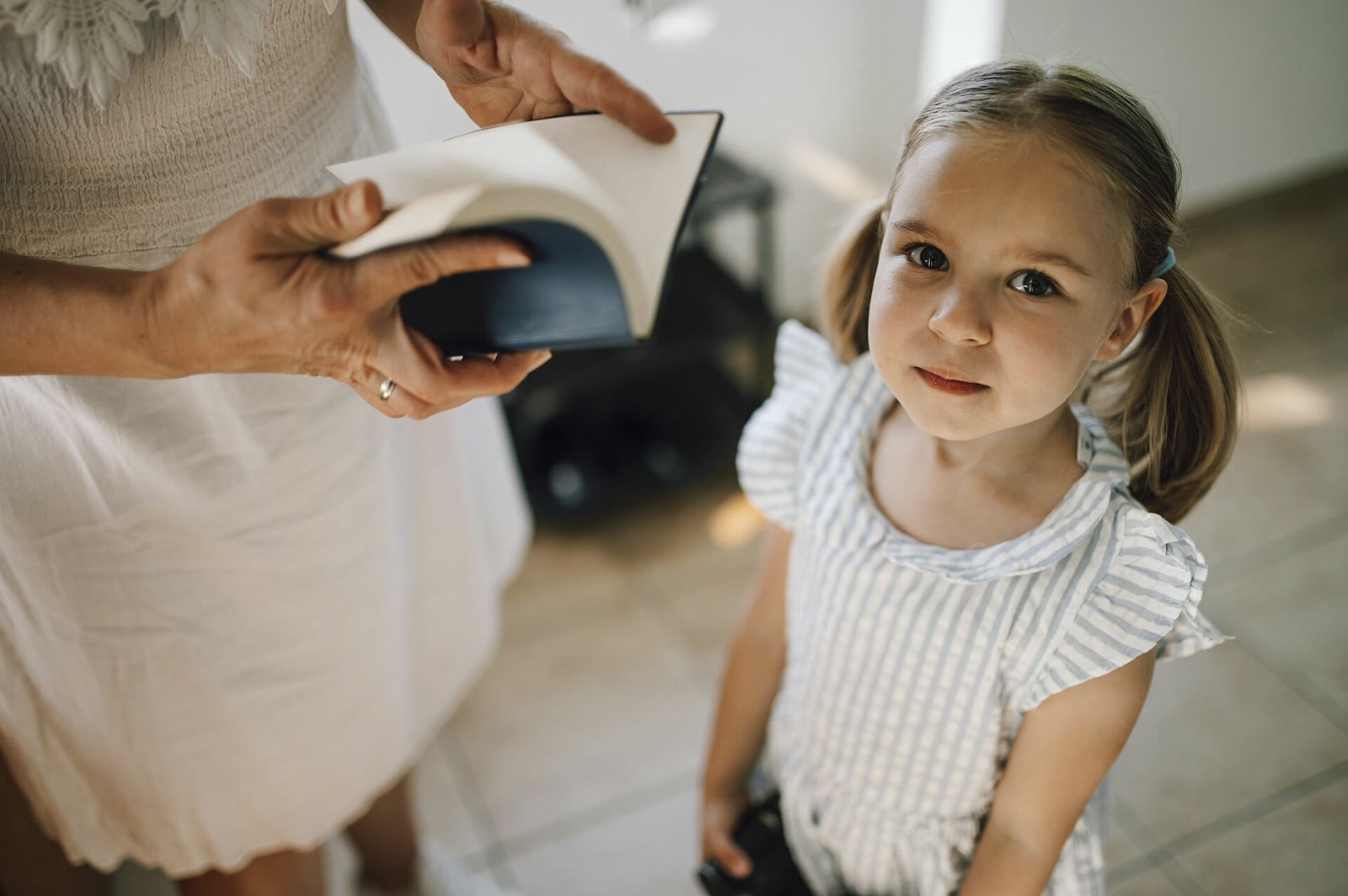
OANO Center Director Olga Blagodatskikh said these technologies enable children who cannot speak or use their hands to communicate more fully with their families and those around them. Blagodatskikh said the tools also strengthen students' opportunities to receive schooling and later pursue vocational education.
OANO Center's work
OANO Center has worked with children and young adults with disabilities since 2023. The institution primarily provides education to students with severe motor impairments whose cognitive abilities are preserved.
There are currently 43 students from 22 regions of Russia receiving education at the center. Its work is sustained by individual donations and support from major Russian businesses.
Stay Updated with RuskiGazeta
Subscribe to be informed about special news, developments and announcements. We will keep you informed.
By signing up, you agree to our Privacy Policy