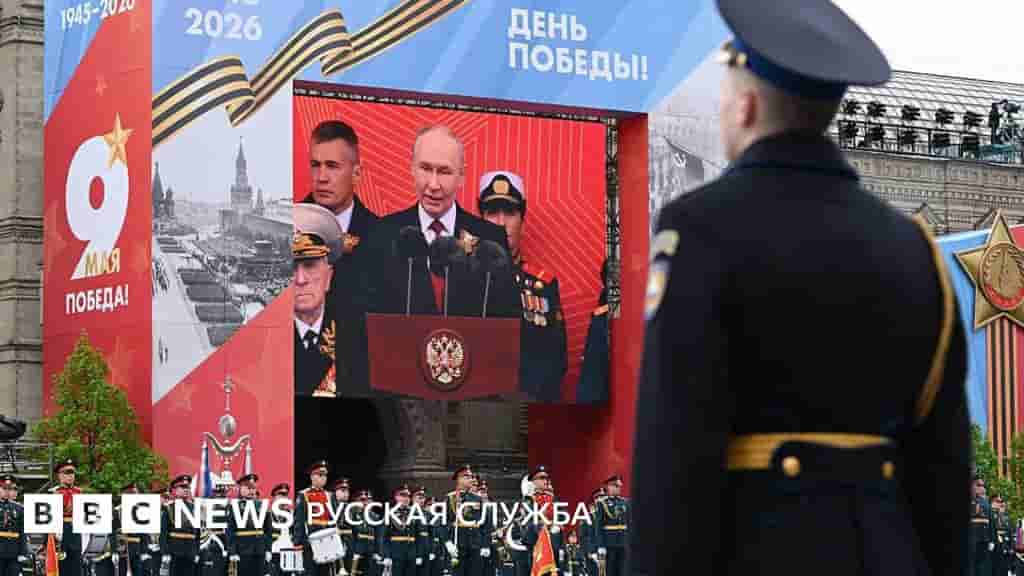
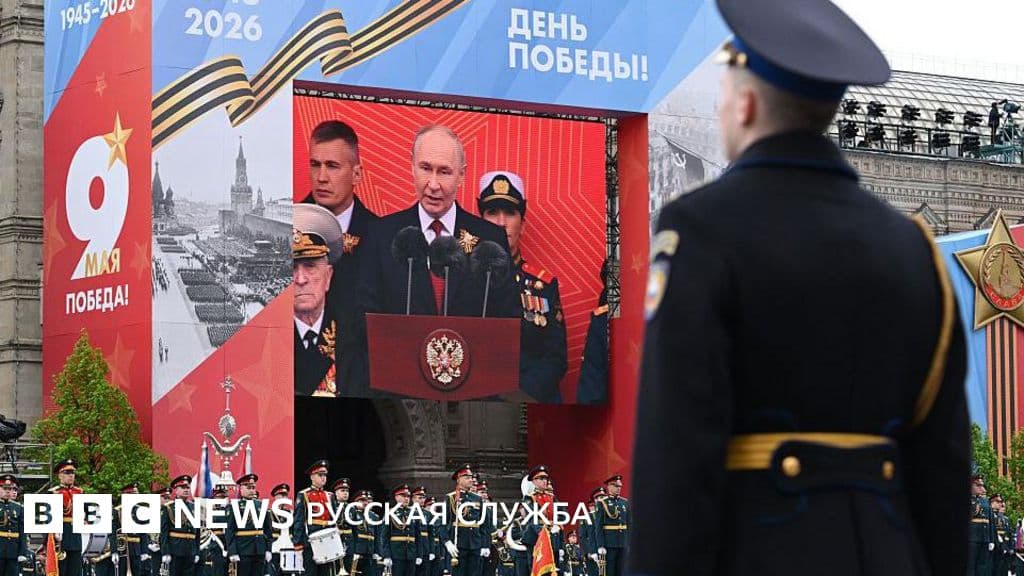
In the United Russia party's primaries completed ahead of the State Duma elections, war participants took center stage. According to official results, voter turnout remained at 9.03%, failing to reach the 10% level targeted by the party and the Kremlin's internal political team.
Among the 478 candidates who stood out as war participants in the primaries, 43 won in regional lists and single-mandate districts. When including Russia's occupied Ukrainian territories, this number is estimated to rise to at least 47.
Key Highlights
- Voter turnout in United Russia's primaries was 9.03%.
- Out of 478 war participant candidates, 43 were victorious.
- Including occupied Ukrainian regions, the number of winners reaches at least 47.
- It is noted that most of the strong positions on the party list are likely to go to experienced politicians again.
- The final candidate list will be confirmed at the party congress on June 28.
However, these results do not indicate that ordinary soldiers directly from the front lines have gained broad political influence. Many winners have previously held positions such as mayor, parliamentarian, regional administration, and federal roles.
According to calculations, 21 of the 47 winners listed as "soldiers" had already reached significant points in their civilian careers before the war began. Among them, seven are current State Duma deputies serving in the volunteer unit BARS "Kaskad."
Novosibirsk deputy Oleg Ivaninski was also listed as a war participant on the primary election site, though details about his military background are not clearly known publicly.
The list includes federal and regional administrators, city council members from major cities, businesspeople, and well-known politicians. Of the 26 genuinely military-origin winners, only eight serve as commanders or deputy commanders in large units.
A source within the party stated that military candidates are kept as predictable as possible from the Kremlin's perspective, which is why candidates with strong civilian experience and tested officers in administration are preferred. A political strategist expressed a similar view, saying that a new "elite" image is being created, but it is built on figures compatible with state governance and who do not pose risks.
Experts say this picture shows that the campaign to bring war participants into politics continues this year mainly through experienced cadres. Some individuals with front-line backgrounds in the administration have turned this into a new political springboard.
The primaries were also marked by notable withdrawals and reshuffles in some regions. In Smolensk, former State Duma Deputy Speaker Sergei Neverov withdrew his candidacy in a single-mandate district and asked voters to support soldier and city council member Artyom Kornyuchenkov. Kornyuchenkov then also withdrew; the district was ultimately won by city council member Sergei Yakimov.
Despite this, Yakimov is reportedly not expected to campaign, clearing the way for Alexander Babakov, deputy chairman of the federal parliament from A Just Russia, who was pre-approved by the Kremlin. This situation indicates that in many regions, the primaries have become more a stage for political placement than genuine competition.
In Moscow, actor Dmitry Dyuzhev ranked 32nd and received 2,700 votes. This number is about one percent of the votes received by the most voted State Duma Deputy Speaker Pyotr Tolstoy.
A source from the party's Moscow organization said Dyuzhev was not invited to compete and that no one expected him to have a seat in the Duma. According to the source, this result means the actor did not bother anyone except himself.
A similar controversy occurred in 2021 during the primaries involving t.A.T.u. singer Yulia Volkova. Volkova ran in a single-mandate district in the Ivanovo region and shared videos criticizing both the government and the opposition. This campaign caused discomfort in regional administration but Volkova lost the election as expected.
Candidate List to Be Finalized on June 28
The final candidate roster for United Russia will be approved at the party congress on June 28. The primary results indicate that the party's effort to bring war participants into the political arena largely proceeds through a formula that strengthens the existing political cadres.
Context: The integration of war participants into politics and governance in Russia is part of a broad personnel policy supported by Vladimir Putin's emphasis on the "real elite." Separate training and cadre development lines are established for these individuals through regional programs and public institutions.