- BIST10011,430-2.49%
- USD49.55+0.21%
- EUR55.57-0.09%
- GOLD4,156.80-0.08%
- INTEREST37.00%-1.00
- BITCOIN81,791-0.07%
- October 20, 202615°
- BIST10011,430-2.49%
- USD49.55+0.21%
- EUR55.57-0.09%
- GOLD4,156.80-0.08%
- INTEREST37.00%-1.00
- BITCOIN81,791-0.07%
- October 20, 202615°
U.S.-Iran talks planned in Switzerland cancelled
News of a temporary agreement between the U.S. and Iran brought brief relief to markets. However, the cancellation of subsequent talks planned in Switzerland once again highlighted the fragility of the process.


After the temporary agreement reached between the U.S. and Iran, attention had turned to second contacts that would turn the process into a lasting compromise. However, the cancellation of talks planned in Switzerland showed that the process is still fragile.
The Swiss Foreign Ministry announced that the U.S.-Iran talks planned for Friday in Bürgenstock would not take place as scheduled. With this development, a new pause was experienced in the contacts expected to continue at a technical level.
The White House also stated that Vice President JD Vance would no longer travel to Switzerland. The statement emphasized that logistical issues regarding the talks had not yet been resolved.
A White House spokesperson said that plans for the upcoming technical talks have not yet been finalized, and that the American delegation is ready to move at the earliest possible moment. The same statement noted that the logistics of such negotiations are never simple or predictable.
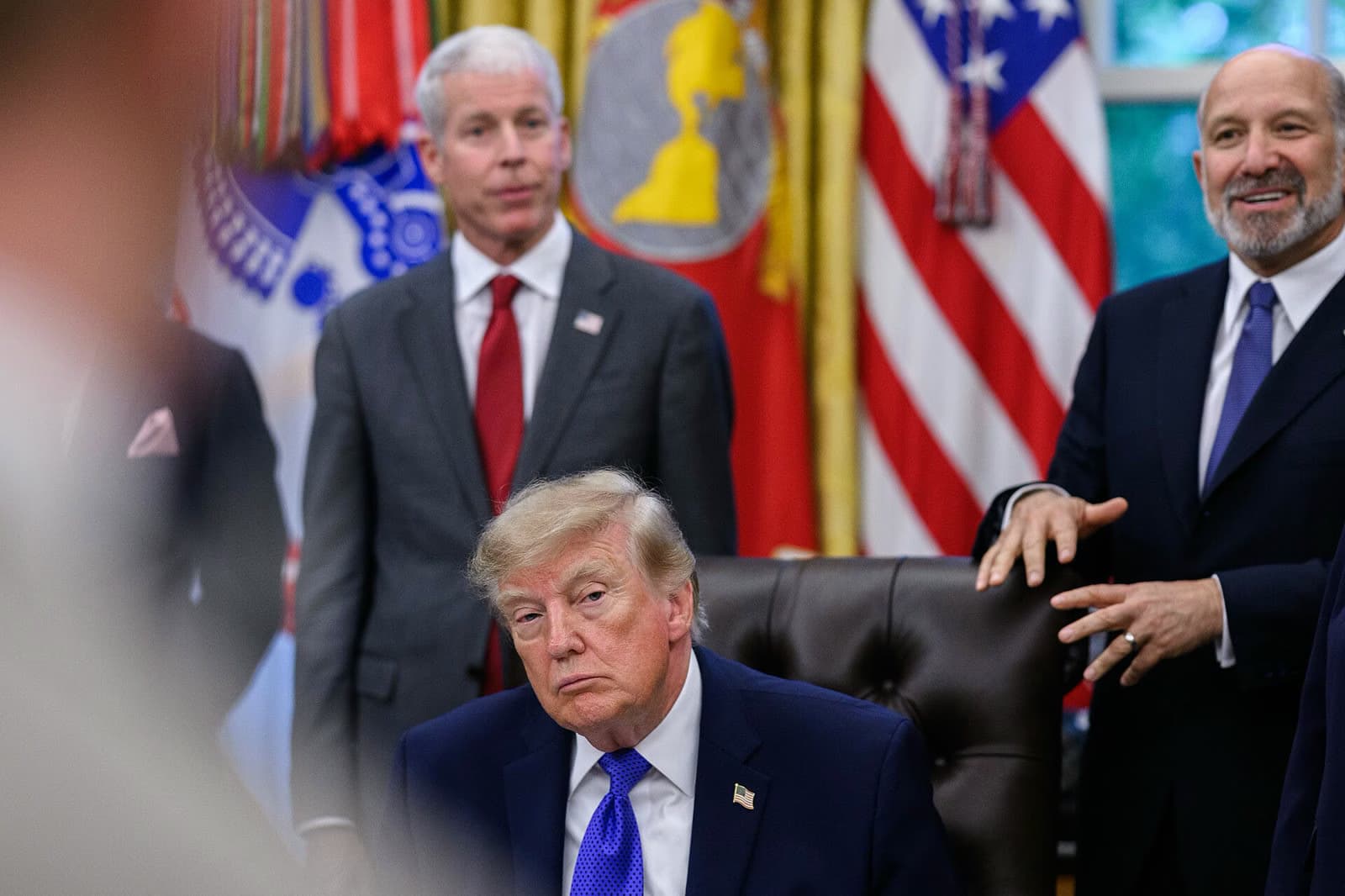
The cancellation came right after President Donald Trump and Iranian President Masoud Pezeshkian signed a memorandum of understanding the day before to develop a lasting peace agreement that would end the months-long conflict. Despite this, analysts warned that it is only the first step toward a broader settlement.
UBS noted that the agreement is the beginning, not the end, of the process in terms of ending the war and addressing Iran's nuclear capacity. Adel Abdel Ghafar of the Australian Strategic Policy Institute also said that there are still important headlines to be resolved, including Israel's operations in Lebanon.
Abdel Ghafar stated that otherwise there is a possibility of the parties returning to a conflict environment, but at the current stage neither side wants this.
After the agreement, there was also an easing of shipping disruptions in the Strait of Hormuz. It was assessed that the relief in maritime traffic, affected by Iranian attacks and the U.S. Navy blockade implemented by Trump's order, could provide breathing room for economies dependent on imported oil.
David Roche, a strategist at Quantum Strategy, said that the decline in oil prices could limit inflation and reduce pressure on central banks to raise interest rates. Roche, however, criticized the agreement, arguing that Iran has gained a stronger position in the Gulf and that foreign interference in the country's internal affairs has been limited.
Roche also suggested that the Middle East could become more unstable, that Israel will not accept this agreement, and that Iran will not abandon its nuclear goals.
The agreement also brought criticism in some circles that the U.S. made too many concessions to Iran. Vice President JD Vance defended the agreement, saying that Washington did not give Iran a single penny.
Meanwhile, Trump rejected criticism of not being tough enough in a post on Truth Social. Trump dismissed these criticisms, recalling that the stock market hit a record high and oil prices fell.
Stay Updated with RuskiGazeta
Subscribe to be informed about special news, developments and announcements. We will keep you informed.
By signing up, you agree to our Privacy Policy