- BIST10011,430-2.49%
- USD49.55+0.21%
- EUR55.57-0.09%
- GOLD4,165.20+0.12%
- INTEREST37.00%-1.00
- BITCOIN81,991+0.18%
- October 20, 202614°
- BIST10011,430-2.49%
- USD49.55+0.21%
- EUR55.57-0.09%
- GOLD4,165.20+0.12%
- INTEREST37.00%-1.00
- BITCOIN81,991+0.18%
- October 20, 202614°
Ukraine shifts to strategy of wearing down Russia by striking energy infrastructure
Ukraine is moving away from classic front-line battles in its war with Russia and focusing on long-range strikes targeting energy infrastructure and military facilities to wear down Moscow economically and militarily.


Ukraine is undergoing a strategic transformation in its war with Russia, which has lasted over four years. The Kyiv administration has shifted from costly classic ground battles to long-range strikes aimed at wearing down Moscow economically and militarily.
Strategic neutralization era
According to Al Jazeera, Ukraine has adopted a new approach called "strategic neutralization" in military sources. This strategy aims to paralyze the oil, natural gas, and advanced technology production facilities that form the lifeblood of Russia's war machine.
According to data from the US-based Institute for the Study of War (ISW), Ukrainian forces carried out at least 803 medium-range operational strikes in June alone. These strikes extended deep into Russian territory, targeting supply lines.
The Center for Strategic and International Studies (CSIS) defines this approach as a new form of air interdiction conducted with drones and missiles instead of traditional aircraft.
Contraction in the Russian energy sector
Ukraine's strikes have led to a tangible contraction in the Russian energy sector. After 20 oil refineries and an export terminal were hit last April, Russian refineries' daily output fell to 4.69 million barrels. This was the lowest level recorded since December 2009.
During the same period, Russia's seaborne oil exports also decreased by 300,000 barrels per day.
Low-cost drones changing the balance
Behind Ukraine's strategic transformation lies a smart technological equation. Field reports reveal that low-cost "Hornet" drones have become a game-changing weapon in the war.
With fully autonomous software processing capability, Hornet drones can detect targets with high precision, distinguish decoys, and completely disable Russian electronic warfare systems and signal jammers during the final dive phase.
Quiet unease in the Kremlin
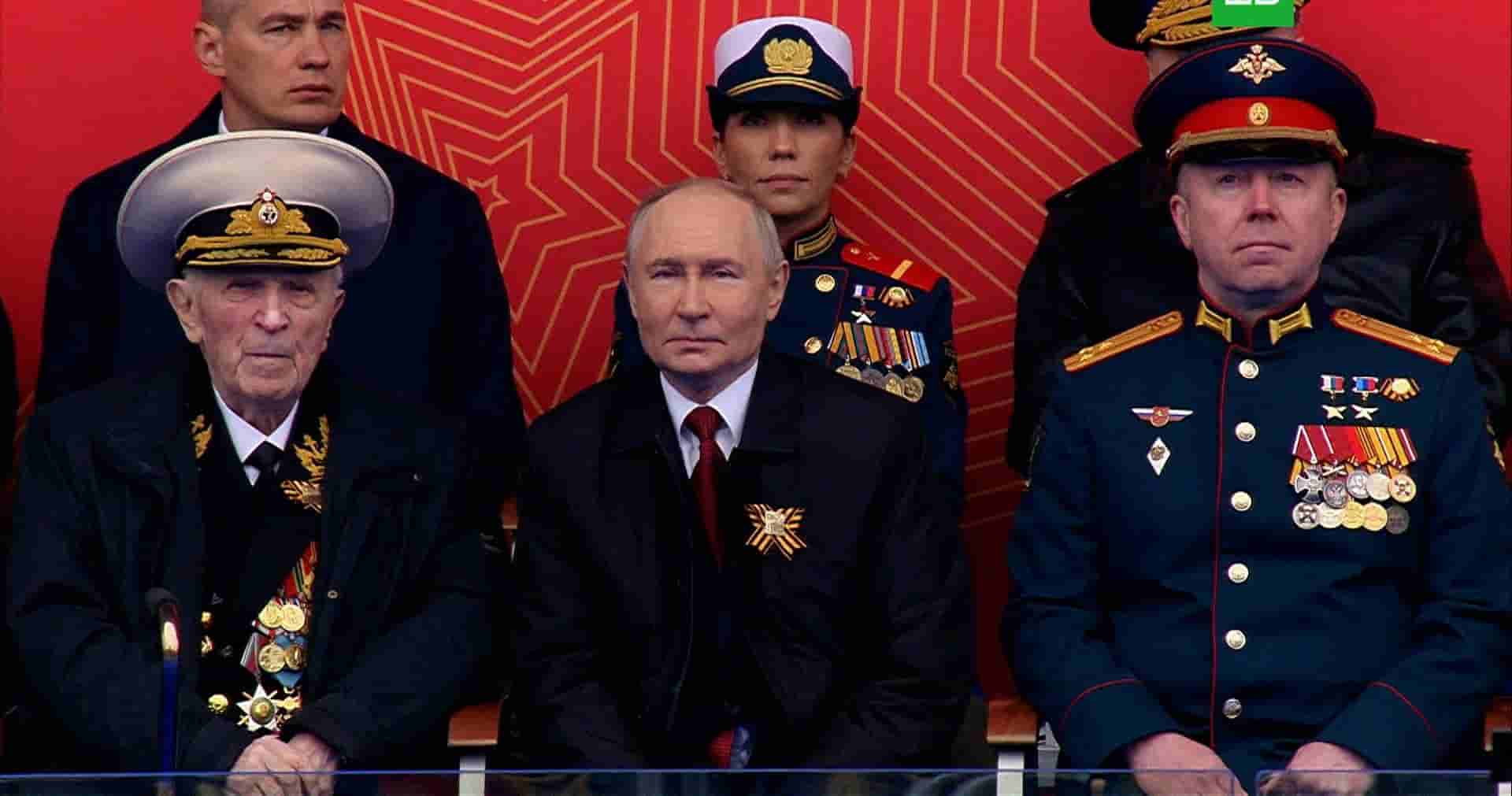
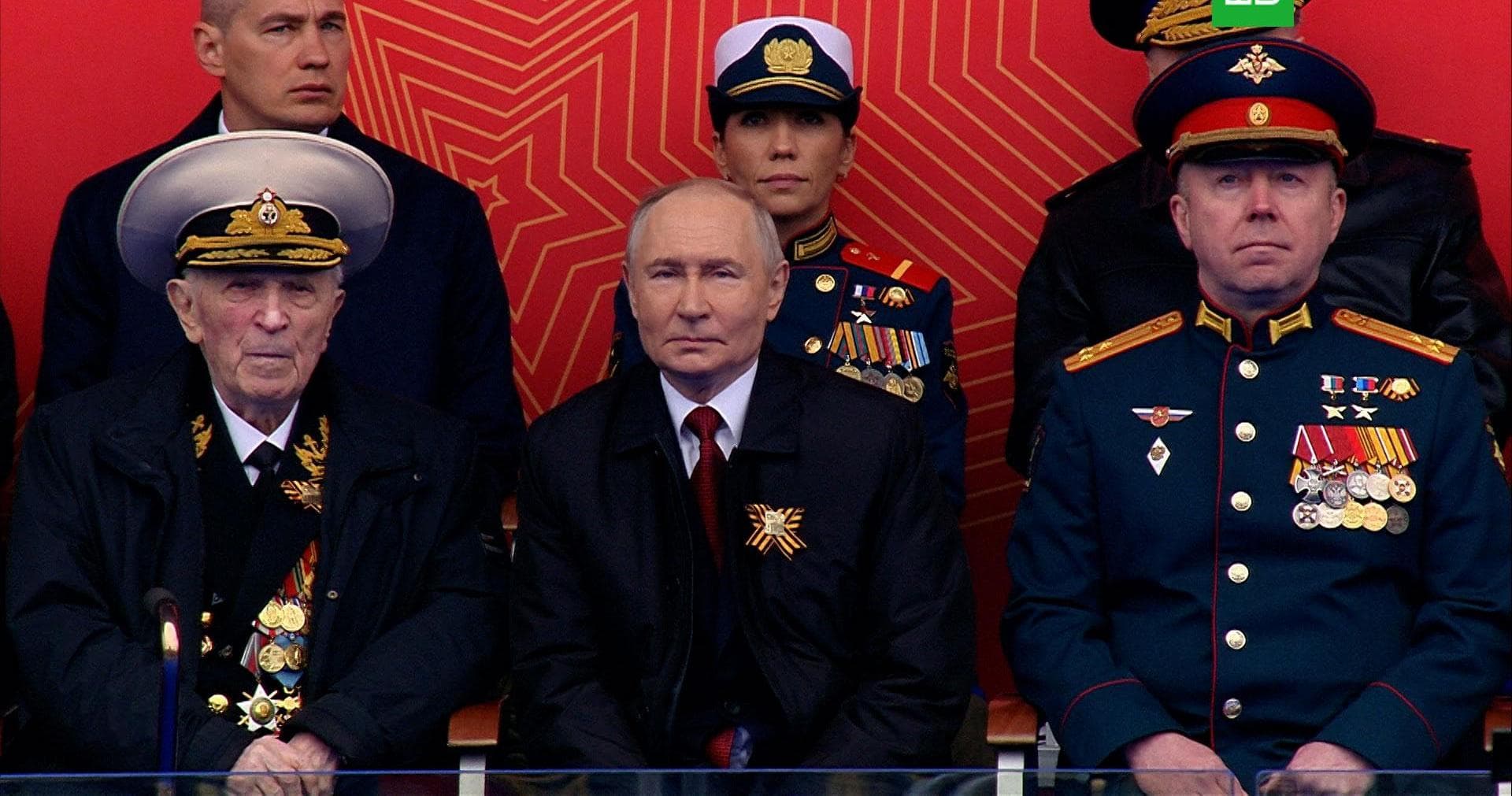
Kyiv's strategy appears to have caused quiet unease in the Kremlin. Russian President Vladimir Putin's dramatic cancellation of the annual military parade on Victory Day is seen as a reflection of this. CSIS described Putin's decision as an admission of chaos on the ground.
According to an ISW report, Kyiv aims to increase the cost of Russian advances on the ground rather than completely halting them. Russian forces managed to advance at a crawl of only one square kilometer per day in June. However, the human cost of this advance was heavy: 1,298 dead and wounded per square kilometer.
Moscow's counter-strategy
Moscow, for its part, continues its strategy based on gradual ground advances, manpower, and firepower density. However, the Russian approach faces growing challenges as the pace of advance slows, losses mount, and the impact of Ukrainian strikes on supply lines and Russia's interior grows.
The Russian Defense Ministry announced on Saturday that it had taken control of five villages: Shyikivka, Novi Myr, Chernishyna, and Druzhlyubivka in the Kharkiv region of eastern Ukraine, and Vasylivka in the Donetsk region.
Stay Updated with RuskiGazeta
Subscribe to be informed about special news, developments and announcements. We will keep you informed.
By signing up, you agree to our Privacy Policy