- BIST10011,131-3.02%
- USD50.47+0.05%
- EUR55.46+0.20%
- GOLD3,539.00-3.98%
- INTEREST36.00%-1.00
- BITCOIN58,862-4.92%
- November 21, 202616°
- BIST10011,131-3.02%
- USD50.47+0.05%
- EUR55.46+0.20%
- GOLD3,539.00-3.98%
- INTEREST36.00%-1.00
- BITCOIN58,862-4.92%
- November 21, 202616°
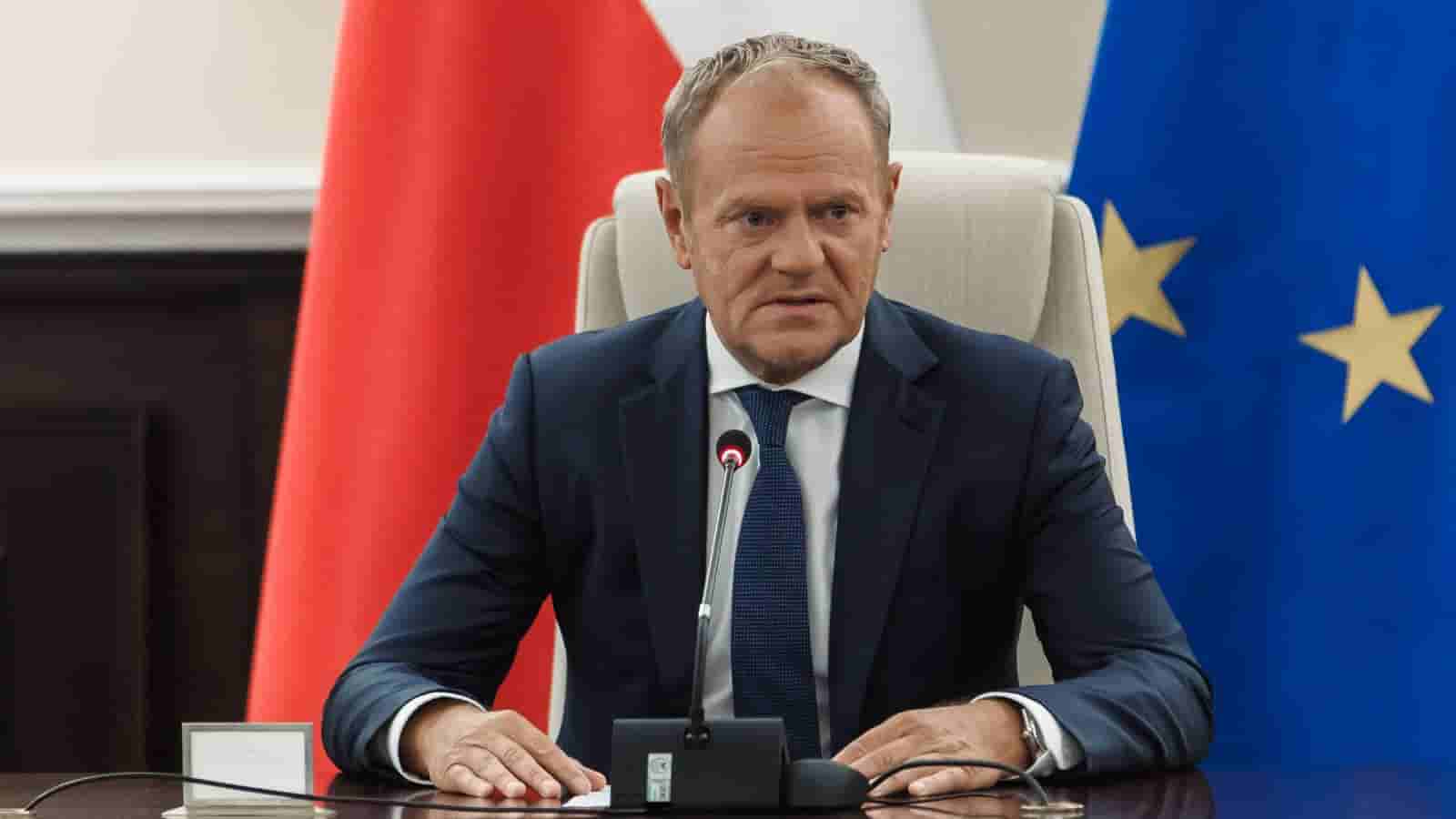
Tusk: Poland will pause payments for US weapons for Ukraine under PURL
Polish Prime Minister Donald Tusk announced that Warsaw is suspending contributions to NATO’s PURL program, through which European countries pay for US weapons for Ukraine. The reasons are a large budget deficit and high spending on Poland’s own defense.
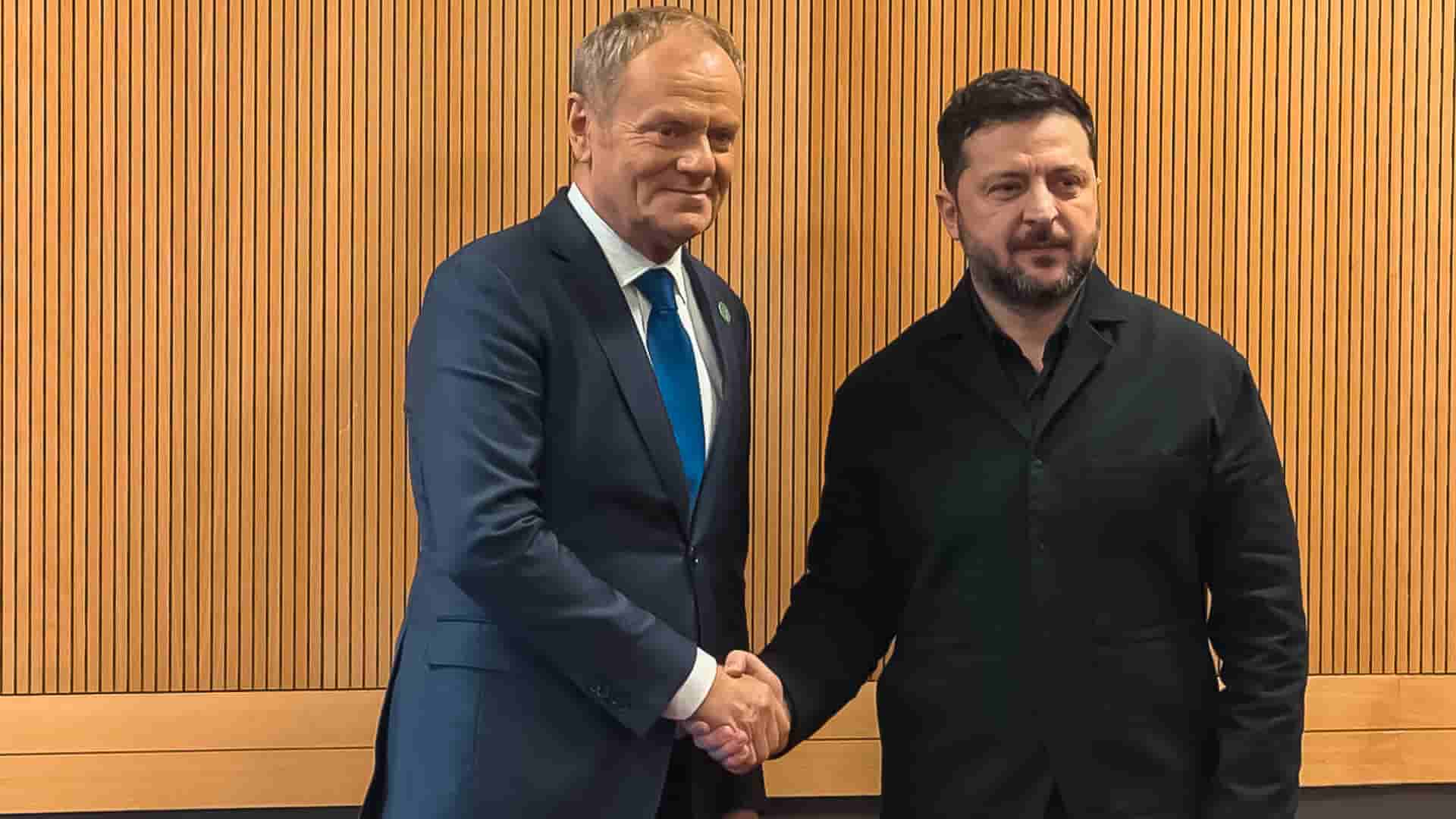
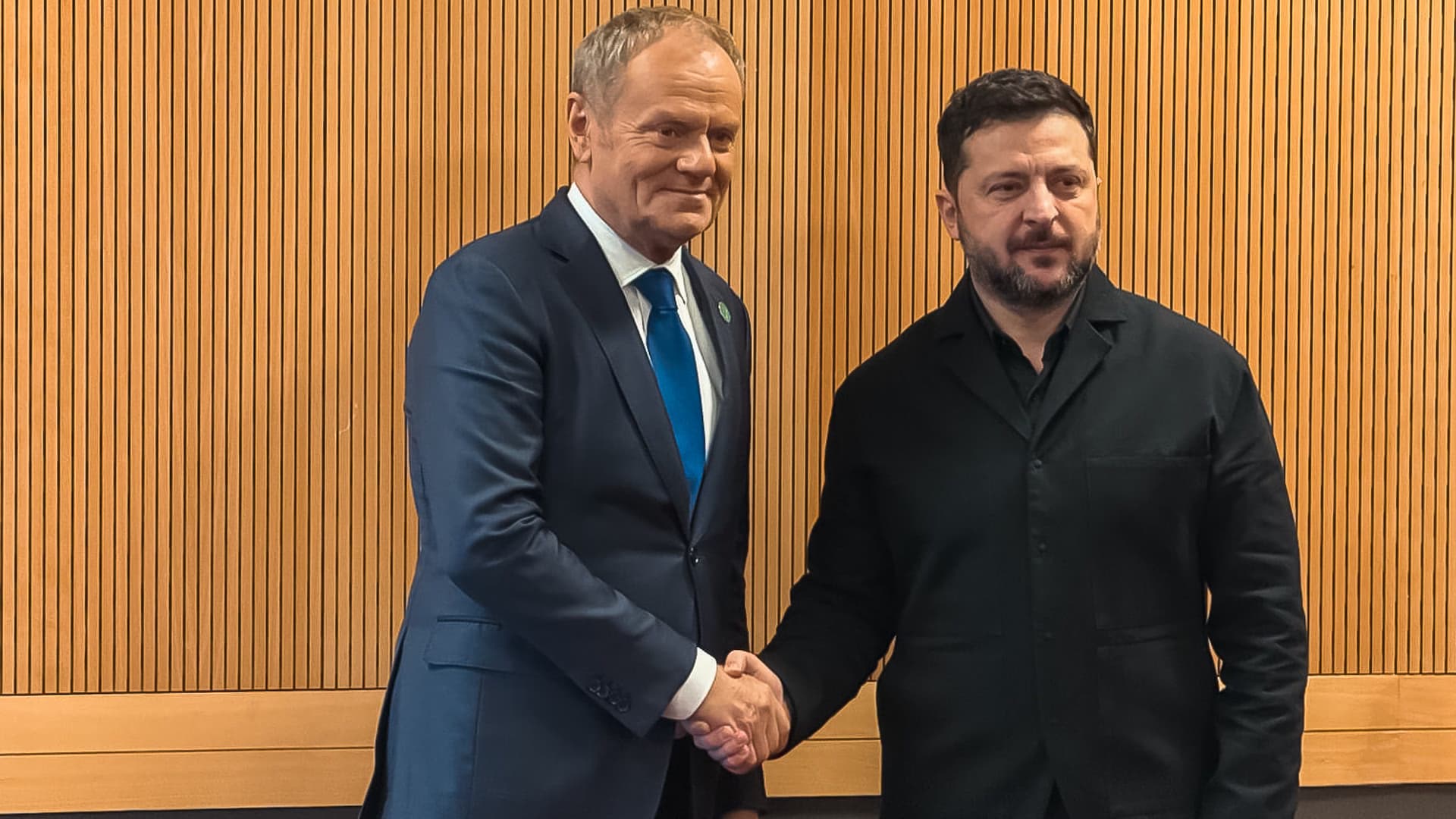
Poland will not contribute to the PURL program at this stage, under which European allies pay for purchases of US weapons for Ukraine, Polish Prime Minister Donald Tusk said on Friday.
“I informed NATO Secretary General Mark Rutte that, at this point, we will not contribute to the PURL program—European funds for US weapons for Ukraine,” TVP Info quoted Tusk as saying.
The prime minister attributed the decision to the large budget deficit and to Poland’s defense spending, which is among the highest in Europe. “We spend a great deal on our own weapons, and we have helped and continue to help Ukraine on a truly enormous scale,” he said.
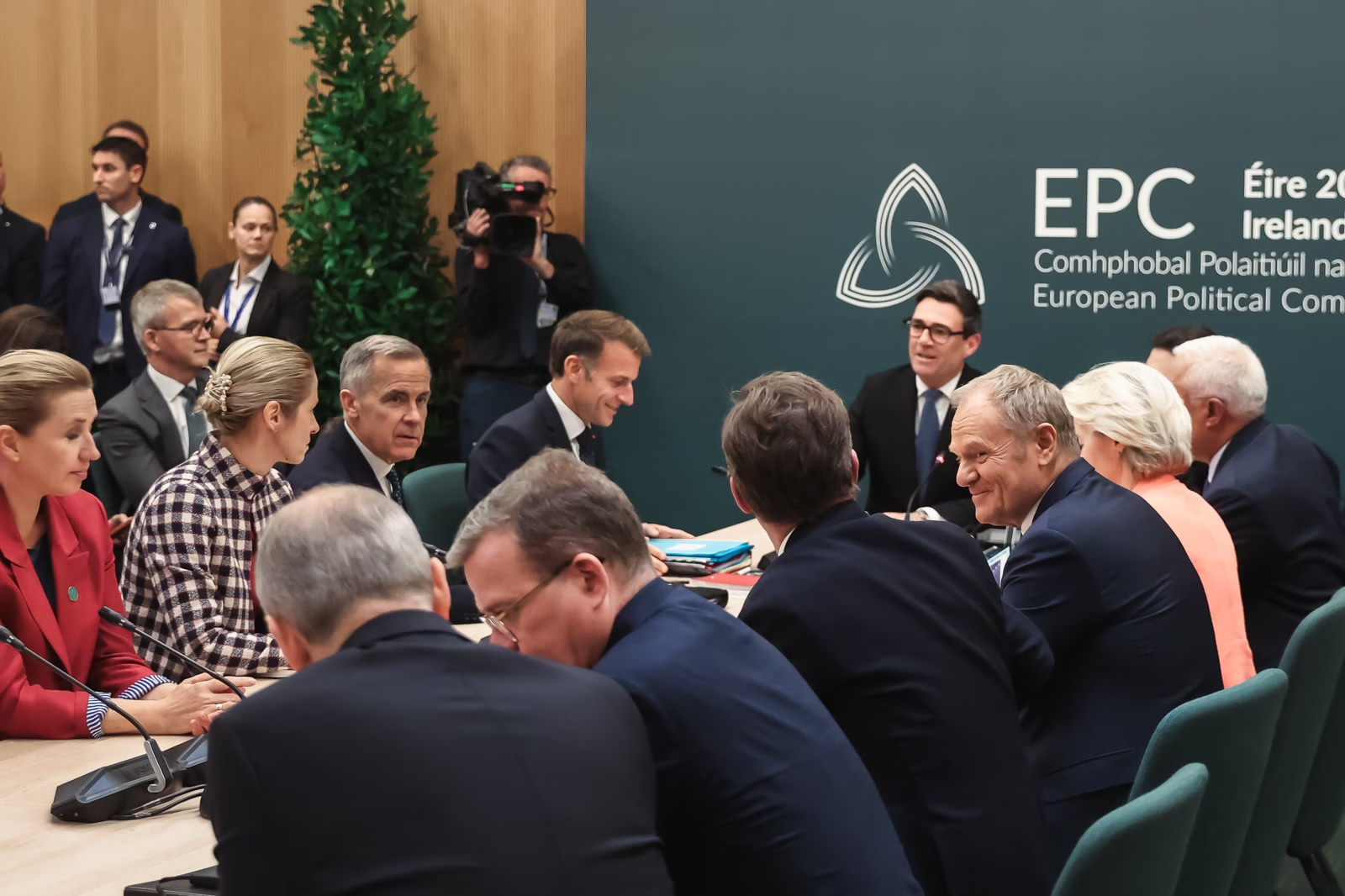
Tusk warned Rutte of his decision the previous day in Dublin, on the sidelines of the European Political Community summit. The prime minister did not specify when contributions would resume. The decision does not mean that Poland is leaving the program or ending military aid to Kyiv.
What is PURL?
The PURL mechanism, or Prioritized Ukraine Requirements List, was announced on July 14, 2025, by US President Donald Trump and Mark Rutte. European countries and Canada pay for US weapons, primarily air-defense systems and ammunition, while the United States transfers them to the Armed Forces of Ukraine.
Poland joined the initiative at the end of 2025. Foreign Minister Radosław Sikorski then pledged to allocate $100 million to it. Bloomberg reported that the shortfall for packages already agreed upon is about $2 billion, while Washington plans to ask its allies to increase their contributions.
Other forms of cooperation
Warsaw is continuing its military cooperation with Kyiv in other formats. Ukraine and Poland are coordinating an exchange under which Ukraine will provide Poland with counter-drone technologies, while Poland may transfer MiG-29 fighter jets to Ukraine.
In Dublin, Tusk also said that revising Europe’s security architecture in Russia’s favor was ruled out. He said Poland, together with the United Kingdom, France, Germany and Italy—the E5 format—had received support to represent Europe in negotiations on Ukraine.
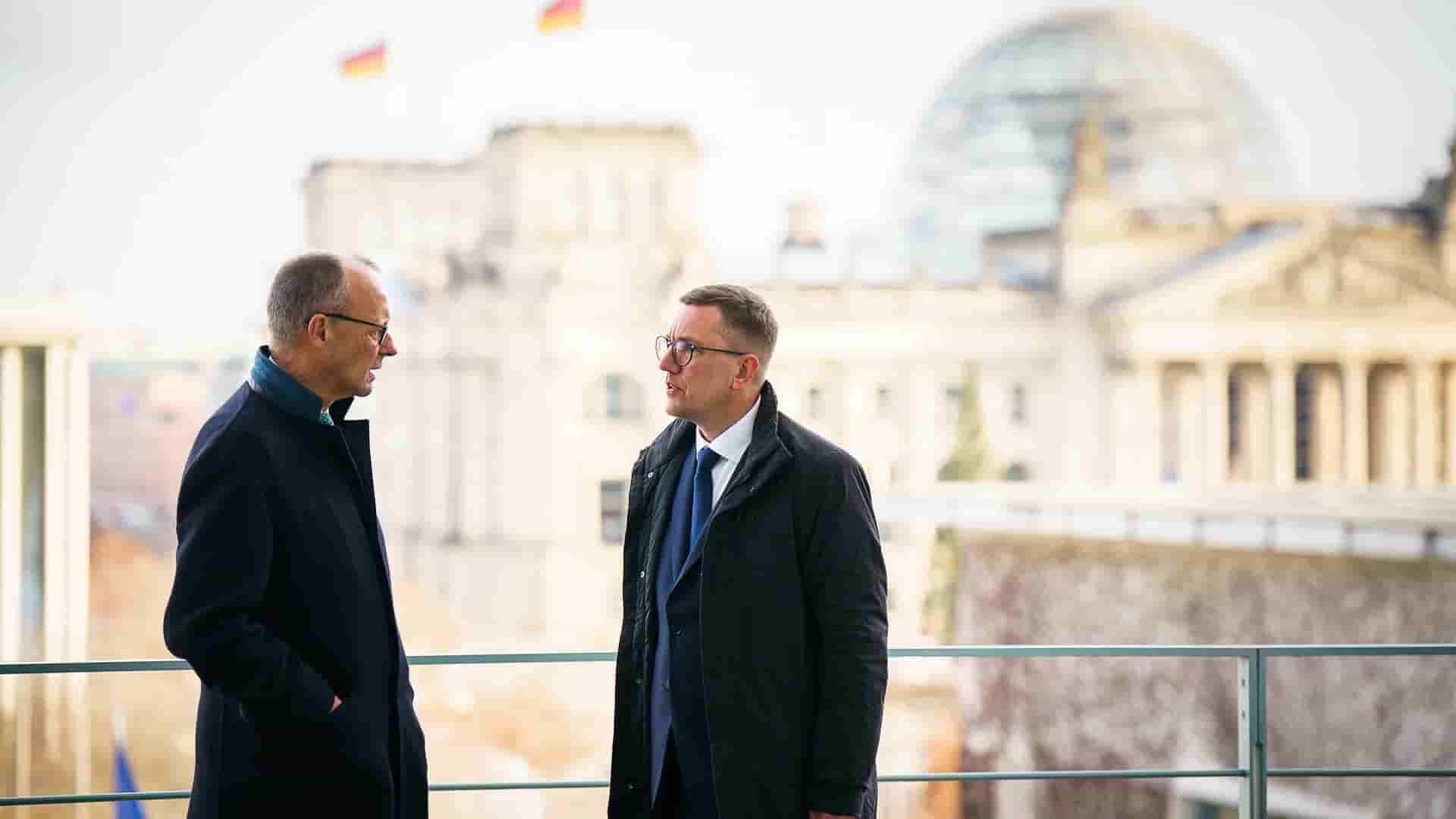
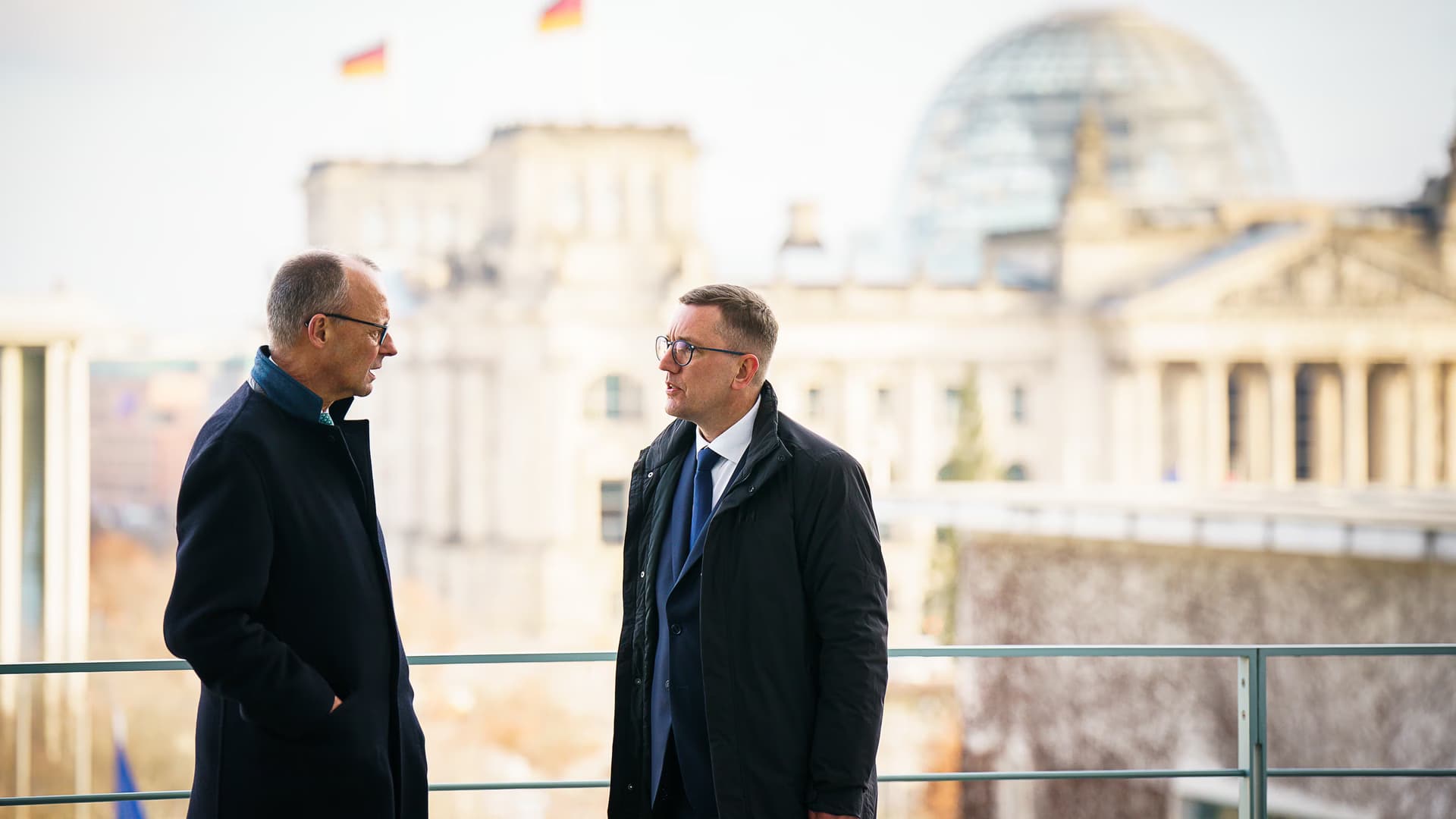
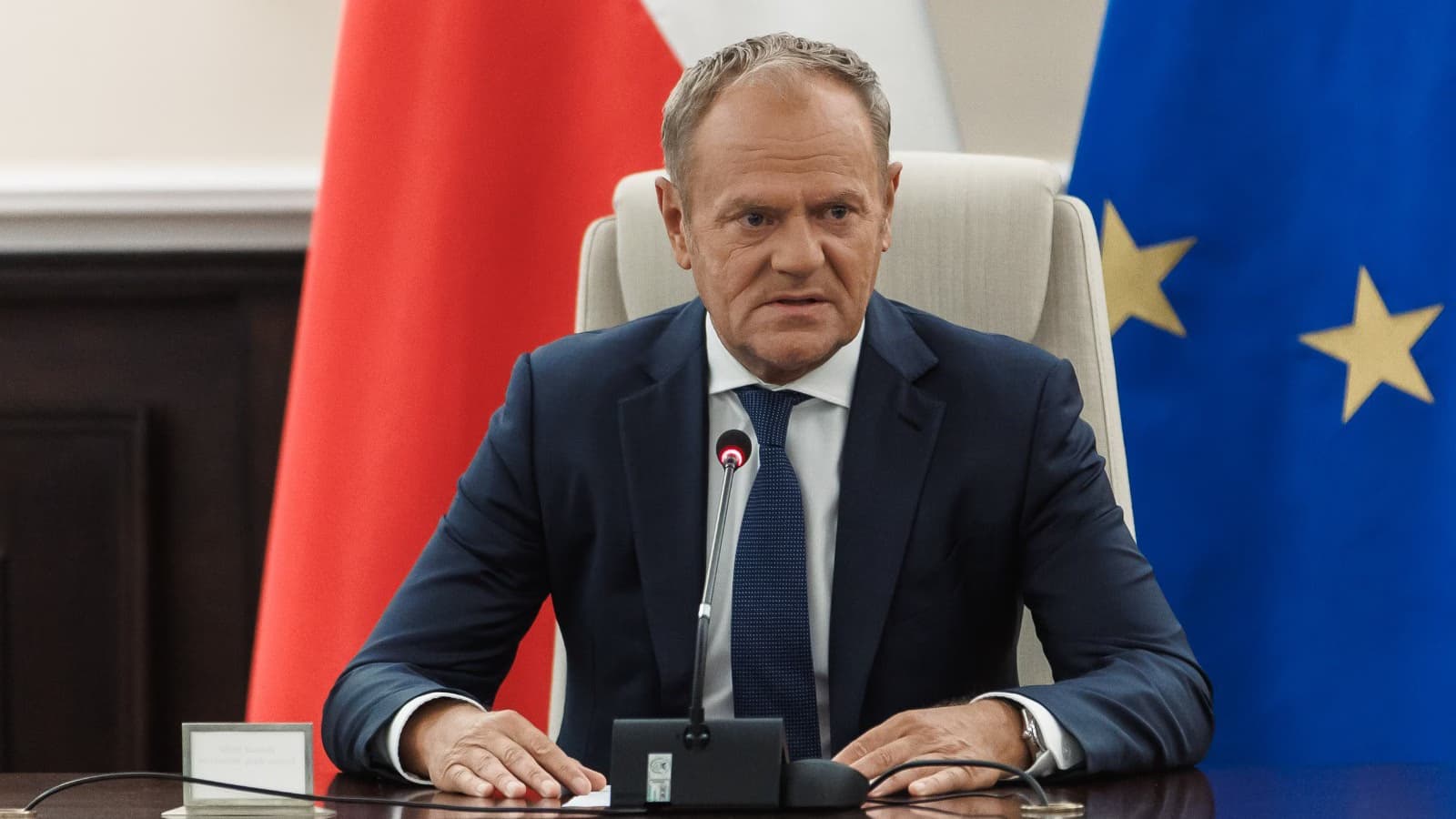
Cover and photo: KPRM. Photo: Wikimedia Commons