- BIST10011,131-3.02%
- USD50.47+0.05%
- EUR55.46+0.20%
- GOLD3,539.00-3.98%
- INTEREST36.00%-1.00
- BITCOIN59,021-4.66%
- November 21, 202616°
- BIST10011,131-3.02%
- USD50.47+0.05%
- EUR55.46+0.20%
- GOLD3,539.00-3.98%
- INTEREST36.00%-1.00
- BITCOIN59,021-4.66%
- November 21, 202616°
Radev says Bulgaria will no longer give Ukraine army weapons or money
Bulgaria’s prime minister explained the refusal to provide financial aid to Kyiv by saying that the country itself is under the EU’s excessive deficit procedure. Sofia will not prevent other EU countries from helping Ukraine.
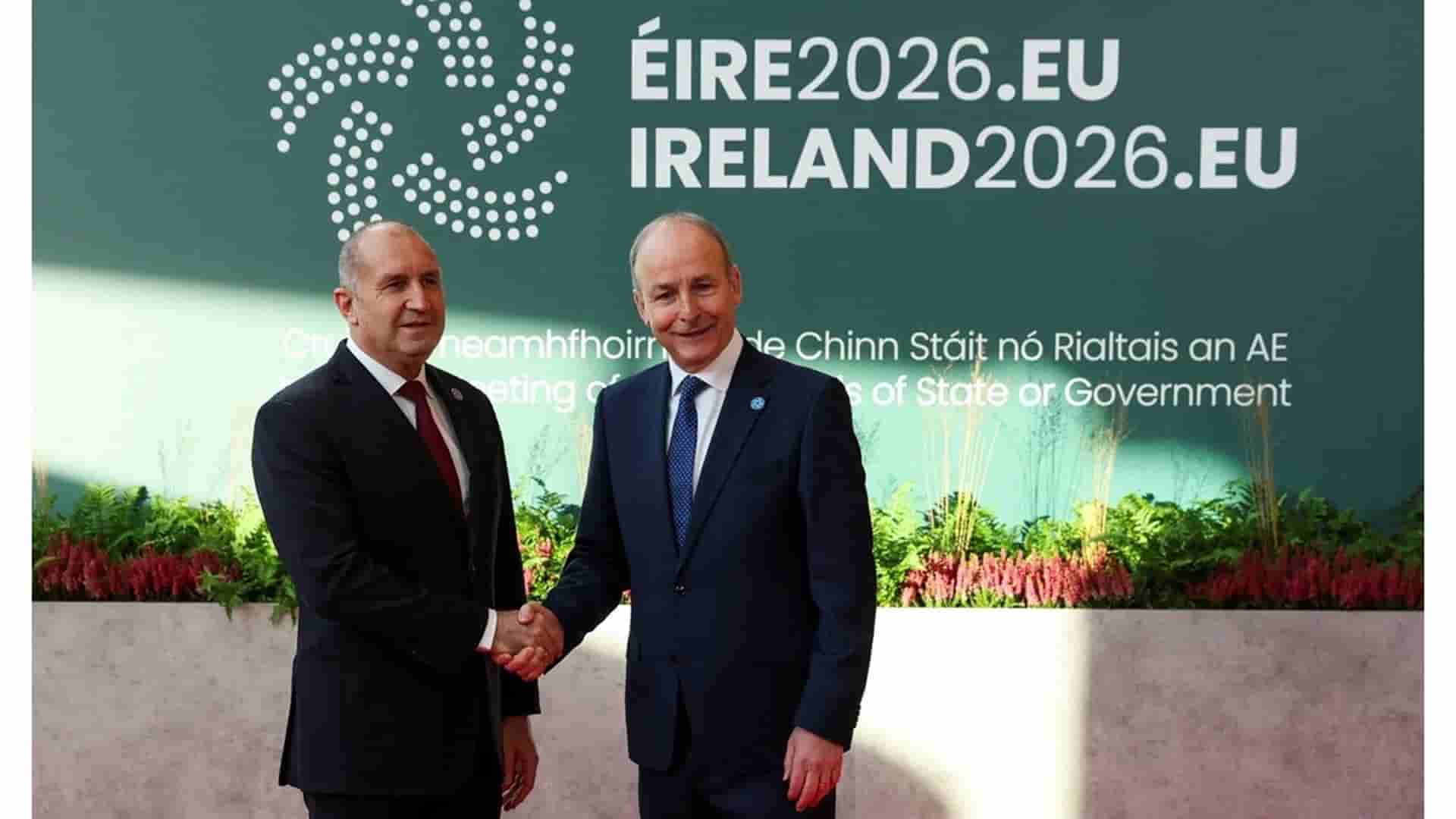
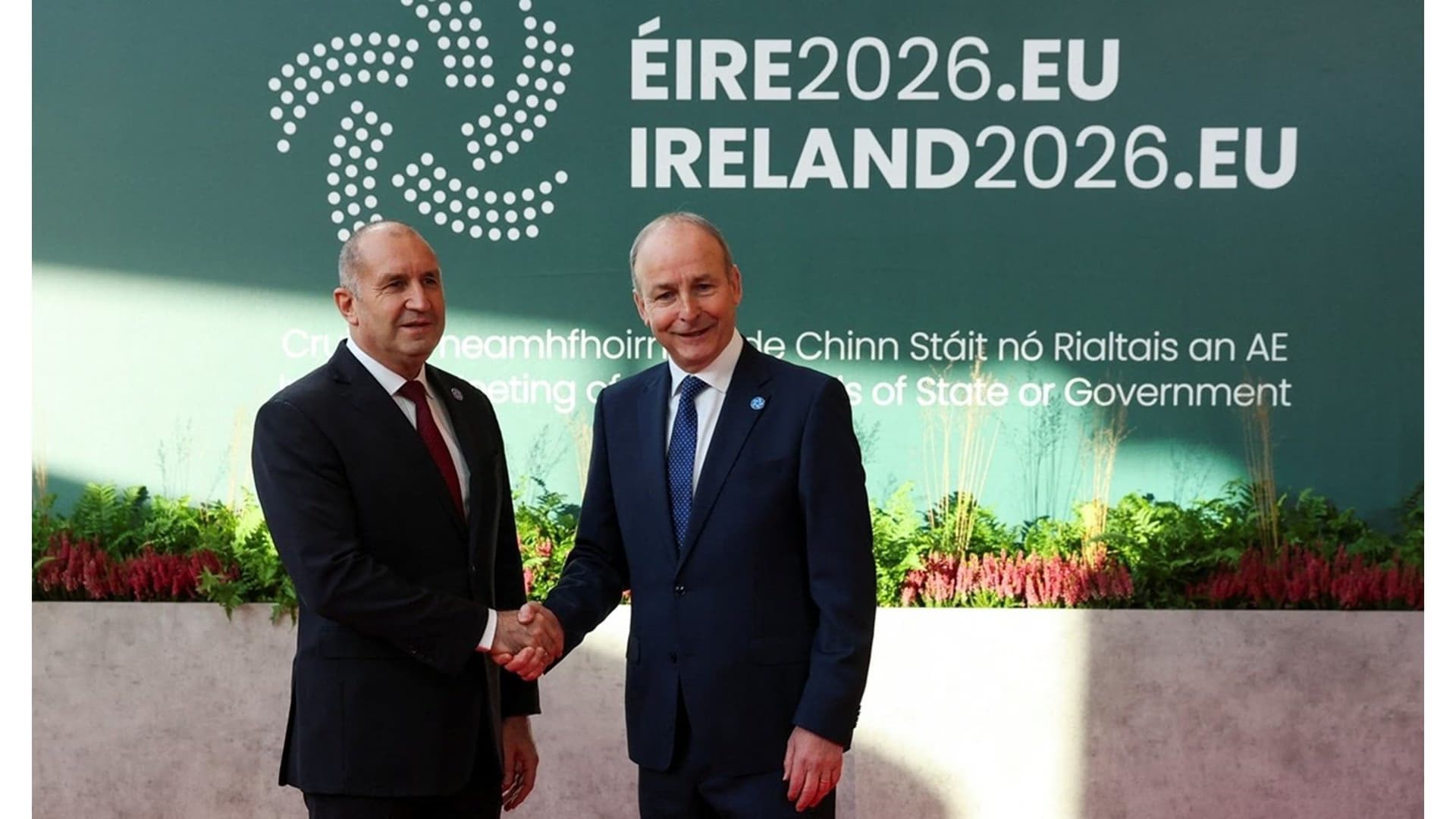
Bulgaria will not provide financial aid to Ukraine and will no longer transfer weapons and ammunition from its army stocks to the country. Bulgaria’s Prime Minister Rumen Radev made the statement to journalists in Dublin, where EU leaders held an informal meeting on Friday.
“We are no longer providing weapons and ammunition from the stocks of the Bulgarian army,” the Bulgarian newspaper 24 Chasa quoted Radev as saying. He said this position had been clear since his government came to power in May. In June, Radev announced the end of transfers of weapons from army stocks, saying that Sofia had “already given enough.”
The prime minister explained the refusal to provide financial aid by citing budgetary problems. “As for financial aid, we ourselves are under the excessive deficit procedure, and Mrs. Ursula von der Leyen has repeatedly asked us to reduce the deficit below the 3% limit,” he said. Radev said that Bulgaria could not allocate funds in this situation, but “under no circumstances prevents” decisions by other EU member states.
Money only for humanitarian needs
In Dublin, EU leaders discussed a new loan intended to cover part of Ukraine’s financing deficit next year, estimated at around €70 billion. Radev said Bulgaria was ready to discuss mechanisms under which any funds would go toward humanitarian needs, electricity supply and medical aid rather than weapons.
If Bulgaria acts as a guarantor for a loan to Kyiv, the prime minister insists on mechanisms for targeted assistance to Ukraine’s Bulgarian community, which is concentrated in several regions of the country. Radev said members of this community were also dying in the war and that the government should help them live in peace and have access to education, healthcare, electricity and heating.
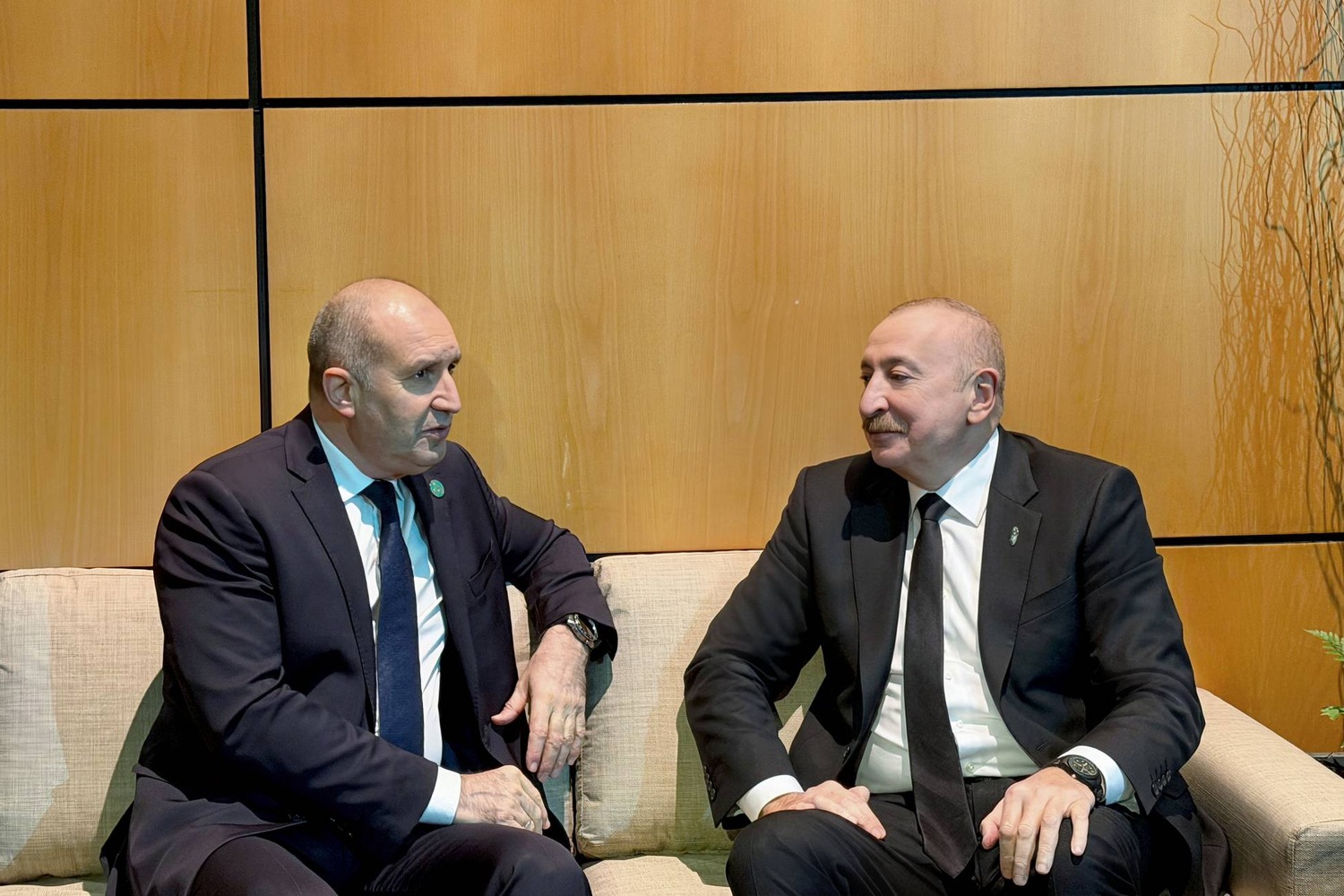
Radev also noted that Bulgaria’s arms exports to Ukraine were declining, while local companies were selling their products “not to Ukraine, but to their contracting companies in other countries.” He attributed the decline after the peaks of 2022–2023 to a shift in wartime demand from ammunition to drones.
Reservations about the security declaration
In Dublin, Bulgaria supported a declaration proposed by France on the key principles of European security, but expressed reservations about its preamble. Radev said that earlier versions of the document mentioned talks in Abu Dhabi and the need to support them, but that wording was later removed. “We insist that such wording remain,” the prime minister said. He believes that the United States will force Ukraine and Russia to sit down at the negotiating table.
Asked about Bulgaria’s return to the “coalition of the willing,” Radev said his position had not changed: Sofia could not accept the coalition’s intention to form military units for deployment to Ukraine, while a parliamentary decision bars Bulgarian troops from taking part in such missions. Opposition lawmakers criticized the prime minister’s statements. Daniel Mitov, a GERB-SDS lawmaker, said Radev’s explanations were addressed to “his masters in the Kremlin.”
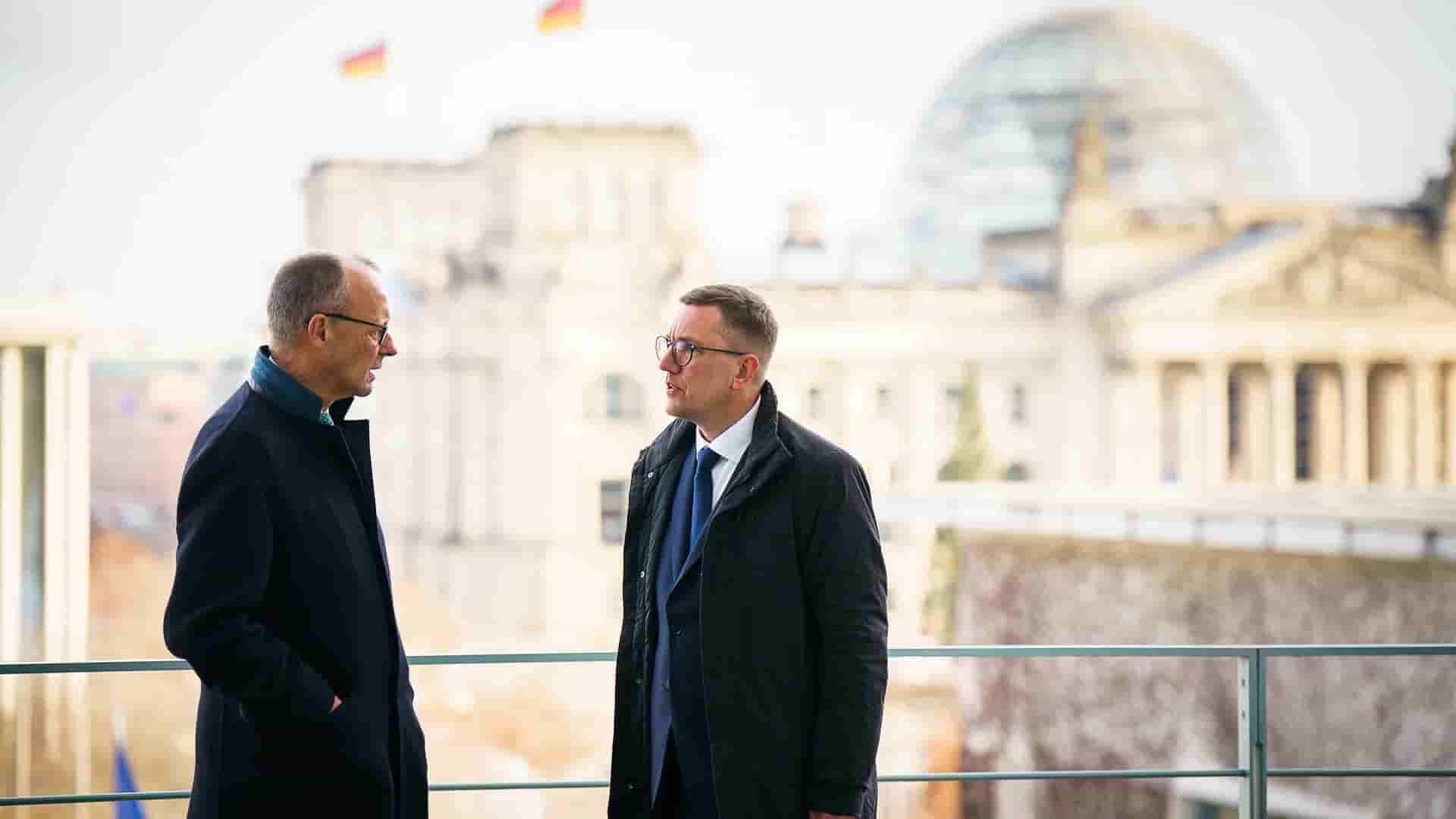
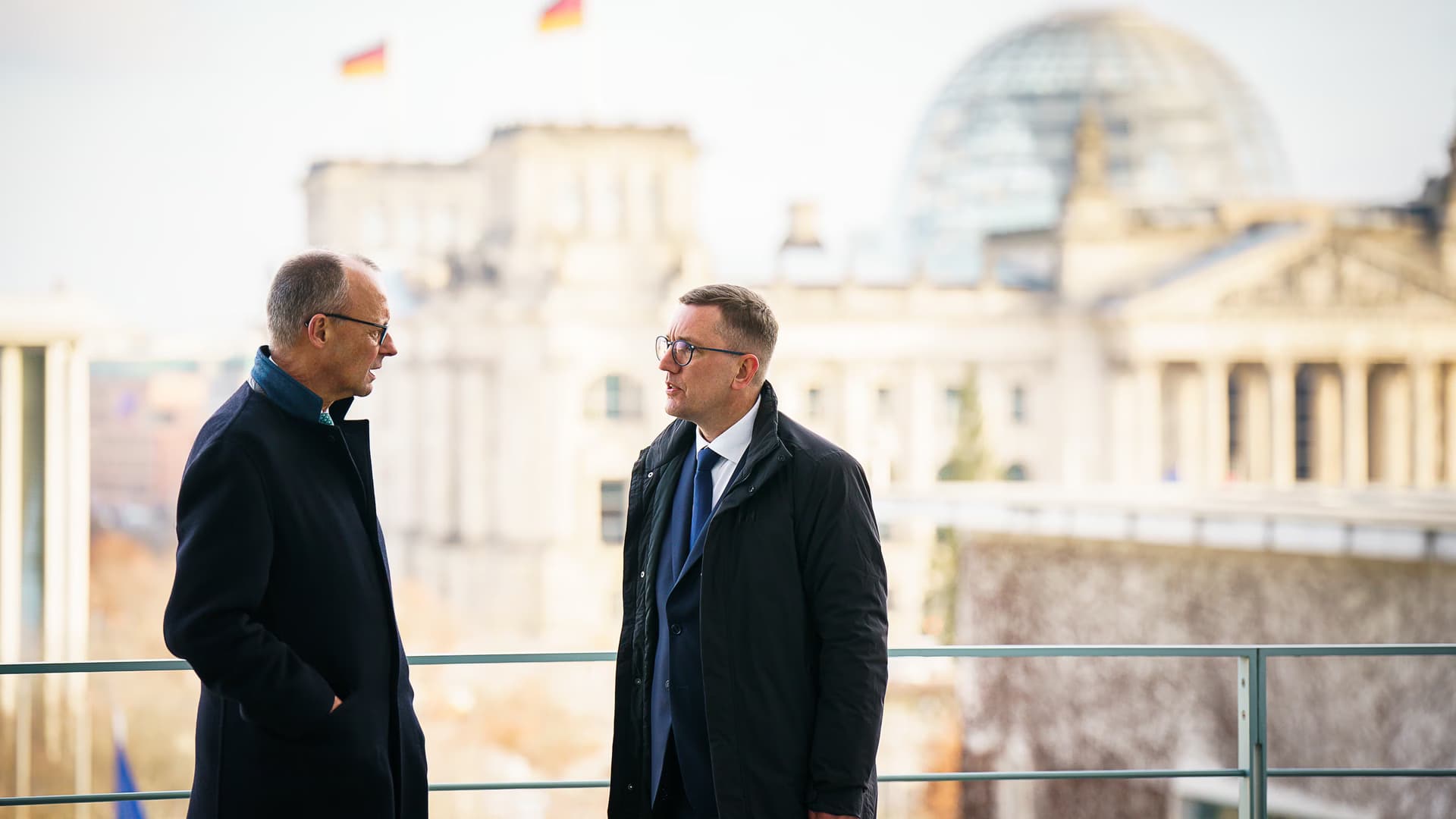
Photo: 24 Chasa, Administration of the President of Azerbaijan
Stay Updated with RuskiGazeta
Subscribe to be informed about special news, developments and announcements. We will keep you informed.
By signing up, you agree to our Privacy Policy