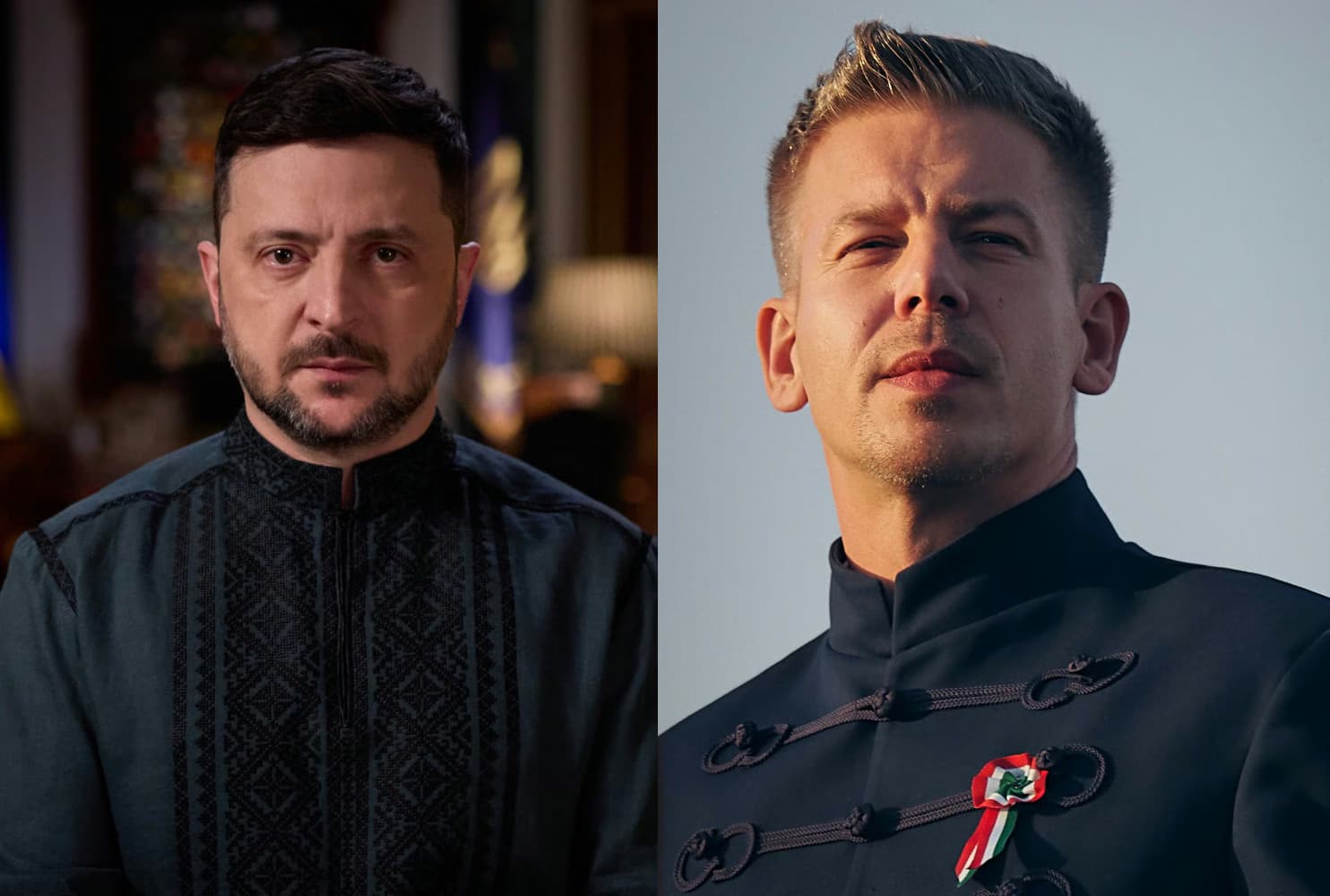
Leaders of NATO's 32 member countries gathered in Ankara today for a summit with increasing defense spending and support for Ukraine on the agenda.
Turkish President Recep Tayyip Erdoğan, hosting the summit, is joined by U.S. President Donald Trump and other leaders. During the two-day summit, non-member countries include Ukrainian President Volodymyr Zelenskyy and South Korean President Lee Jae-myung. Australia, Japan, and New Zealand sent defense or foreign ministers, while Gulf countries affected by the U.S.-Israel war on Iran—Bahrain, Kuwait, Qatar, and the United Arab Emirates—are also represented. Syrian President Ahmed al-Sharaa will not attend the summit but will hold a bilateral meeting with Trump in Ankara.
Trump's Demands from NATO
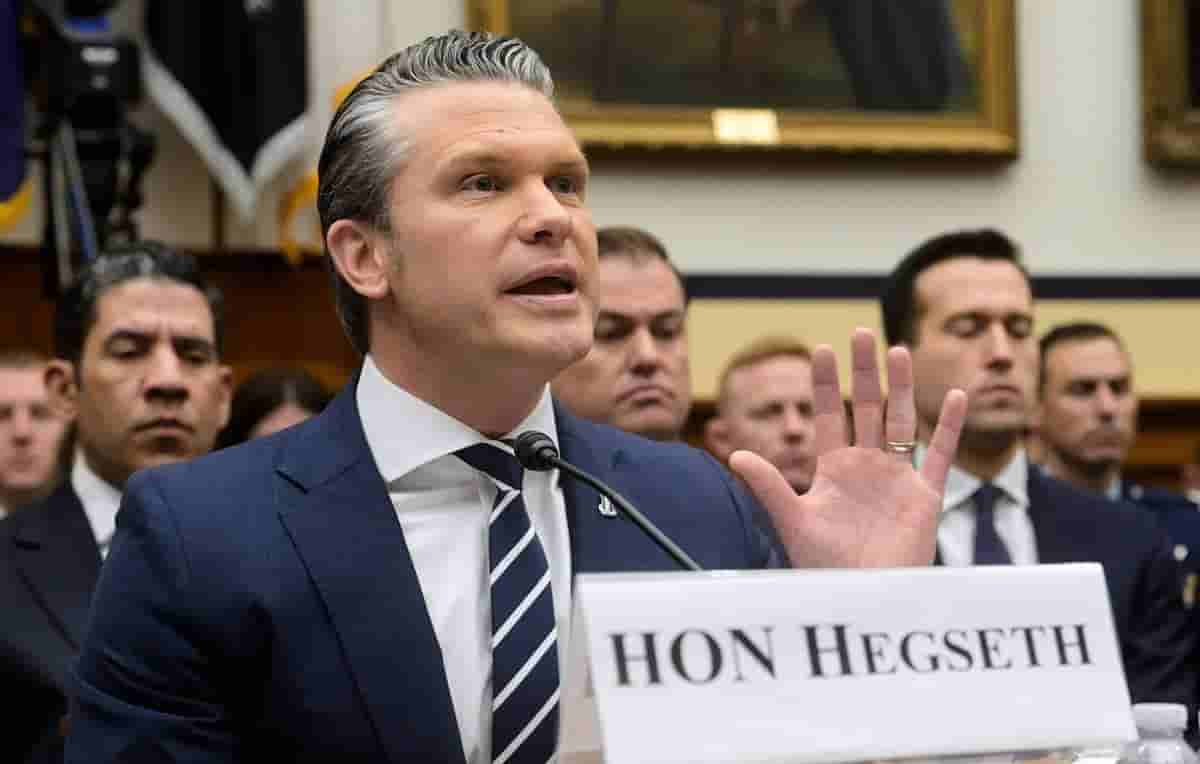
Following last year's summit in The Hague, where member countries adopted a target to increase defense spending to 5% of GDP by 2035, Trump continues to pressure allies this year. Of that target, 3.5 percentage points will go to military spending and 1.5 to security-related needs.
Özgür Ünlühisarcıklı, Turkey regional director of the German Marshall Fund, stated that NATO will focus on implementing last year's promises this year, saying, "NATO allies decided to increase defense spending to 5 percent at The Hague last year, and European allies have taken action to strengthen their defense industries." This year in Ankara, Ünlühisarcıklı said the discussion will be on how to turn spending into capability, adding, "Therefore, the alliance is stronger than last year."
However, Paolo von Schirach, President of the Global Policy Institute, noted that capability gains from increased spending will take years, commenting, "More orders mean more military equipment, but that only happens over time. You can spend a lot and get very little."
Ukraine's Expectations from the Summit
Ukrainian President Zelenskyy, whose country is not a NATO member, will hold a bilateral meeting with Trump on Wednesday. Zelenskyy plans to request additional Patriot air defense systems in the face of intensified Russian attacks. A drone attack on the capital Kyiv on Monday morning killed at least 11 people.
Jack Watling, a senior research fellow at the Royal United Services Institute, said Ukraine expects allies to signal that "this support will be sustained." Watling noted that the aim is to "show Russia that there will be no reduction in Ukraine's defense capability over the next 12-24 months."
Watling said, "There is a direct correlation between the number of interceptor missiles provided to Ukraine and the damage Russia can inflict with ballistic missiles."
Issues Europe is Trying to Resolve
The billions of dollars in contracts European countries are expected to announce at the summit are seen by some analysts as an effort to appease the Trump administration.
After European countries did not join the war on Iran, Trump said he wanted their "loyalty," not their money. He also added that he might not have attended the summit if Turkish President Recep Tayyip Erdoğan had not been hosting it. Turkey, meanwhile, has not only increased its defense spending in recent years but has also become one of NATO's largest military exporters.
Tensions over defense spending remain high. On the eve of the summit, Trump described Germany's defense spending as "ridiculous." Chancellor Friedrich Merz defended his country's budget, saying, "This is the greatest effort we have ever made to strengthen our defense capabilities."
US Withdrawal Steps
The US has gone beyond rhetoric, announcing the gradual withdrawal of its fighter jets, destroyers, and submarines from NATO countries. Watling commented, "Fewer US infantry in Europe would be effective for messaging but wouldn't mean much," adding, "The withdrawal of US air power has a more tangible impact."
Analysis: A Political Summit
According to analysts, a key question is whether the alliance can project unity amid such rhetoric and withdrawals.
Von Schirach of the Global Policy Institute said, "The fundamental value of this summit is political; it shows that allies still talk, still gather, and still try to project unity, even though underlying disagreements and doubts have not disappeared. Ankara is a summit of reassurance and signaling rather than concrete, immediate changes on the ground."