- BIST10011,722-2.89%
- USD49.45+0.05%
- EUR55.62+0.37%
- GOLD4,186.70+0.40%
- INTEREST37.00%-1.00
- BITCOIN81,312-0.23%
- October 17, 202611°
- BIST10011,722-2.89%
- USD49.45+0.05%
- EUR55.62+0.37%
- GOLD4,186.70+0.40%
- INTEREST37.00%-1.00
- BITCOIN81,312-0.23%
- October 17, 202611°
Lukashenko calls for a new security architecture in Eurasia
Belarusian President Alexander Lukashenko called for a stronger role for the Shanghai Cooperation Organisation in Eurasian security at the SCO Council of Heads of State meeting held in Bishkek on September 1. Lukashenko proposed expanding joint initiatives on security, the economy, the digital sphere and humanitarian cooperation.


Speaking at the Shanghai Cooperation Organisation (SCO) meeting, where security and cooperation in Eurasia were high on the agenda, Belarusian President Alexander Lukashenko said the organisation was one of the key pillars of regional stability.
Lukashenko attended the SCO Council of Heads of State meeting at the Irys Ordo Congress Hall in Kyrgyzstan’s capital, Bishkek, on September 1. Kyrgyz President Sadyr Japarov welcomed the Belarusian president upon his arrival in Bishkek. The leaders of the SCO member states later posed for a group photograph.
Call for a security architecture in Eurasia
Defining stability as maintaining balance despite the obstacles faced, Lukashenko said this required reliable foundations. The Belarusian president described the SCO as one of the most important pillars in Eurasia.
Lukashenko said the organisation needed to strengthen its position as one of the emerging Eurasian centres of a multipolar world order amid intensifying global conflicts. He called for joint action in the SCO’s main areas of work.
Lukashenko said that over the 25 years since its establishment, meetings of the Council of Heads of State had become important and anticipated events on the international calendar. He said the meeting marking the SCO’s 25th anniversary should set out a strategic framework for the organisation’s future and launch a new phase of work.
The Belarusian president identified strengthening stability, expanding cooperation and advancing joint development as the common goals under Kyrgyzstan’s chairmanship.
Describing security as the SCO’s priority area of work, Lukashenko said that pressure in the information, diplomatic, financial and economic spheres, as well as sanctions, were among the realities of today. Calling for a new security architecture and a shared space of trust and cooperation in Eurasia, Lukashenko said Belarus had taken steps in this direction with some SCO countries.
Lukashenko announced that a counterterrorism forum would be held in Belarus in October. He said the forum would take place in a new format that would also include joint exercises involving SCO and Commonwealth of Independent States member countries. He said he supported the swift launch of the SCO countries’ centres for combating security threats and drug trafficking.
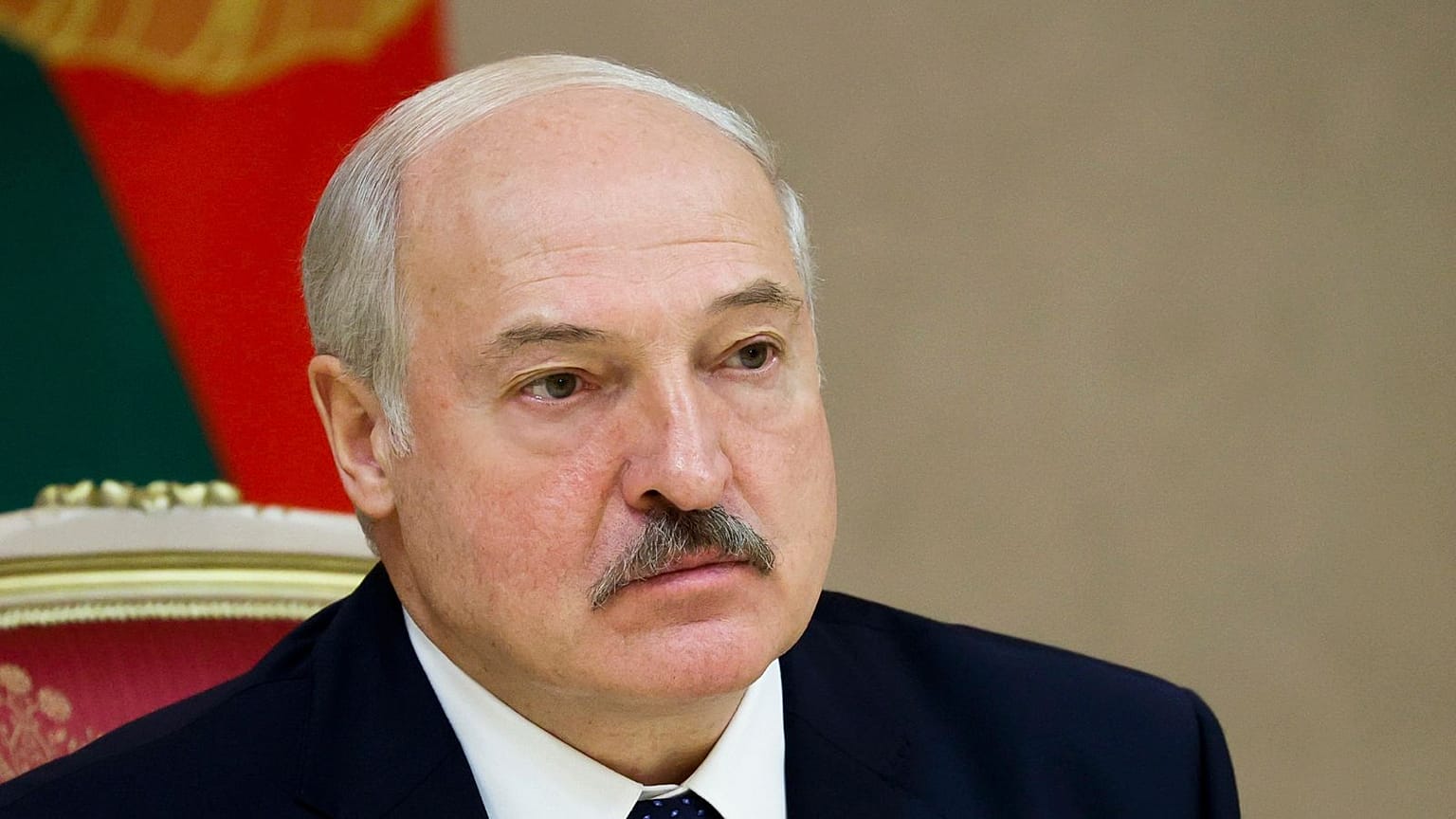
Lukashenko said the joint fight against terrorism, separatism and extremism needed to be strengthened. He stressed that effective protection systems against natural and technological emergencies were necessary for sustainable development.
Lukashenko said Belarus had carried out around 90 international humanitarian aid operations over 25 years. He said the country had sent assistance, including search-and-rescue teams and aircraft, to states affected by disasters, including SCO countries.
Lukashenko said the number and scale of disasters continued to increase. He announced that the world fire and rescue sports championships for men and women would be held in Minsk next year. He proposed holding a meeting in Belarus of the heads of emergency management agencies from SCO member states in connection with these events.
He said the meeting could facilitate the exchange of experience on reducing disaster risks, protecting populations and regions, and monitoring and forecasting disasters.
Partnership on the digital sphere and artificial intelligence
Lukashenko said rapid advances in information technology had added a new digital dimension to the existing order. He called for the rapid creation of a common, open and secure digital space within the SCO.
The Belarusian president proposed launching a comprehensive expert exchange programme based on joint consultations, research and technology integration in information security, digital development and the use of artificial intelligence. He said the China-SCO Cooperation Centre for Artificial Intelligence Applications planned in Belarus could host this exchange of knowledge and experience.
Financial sovereignty and humanitarian cooperation
Describing the economy as one of the organisation’s most important areas of work, Lukashenko said joint initiatives should produce tangible results, improve people’s welfare and strengthen solidarity among member states.
Lukashenko said he firmly supported the swift establishment of an SCO Development Bank. He said the institution would provide additional stability to regional economic ties and strengthen financial sovereignty. He also said he supported steps to increase the share of national currencies in mutual payments, adding that this approach would strengthen the resilience of monetary systems against sanctions and unilateral coercive measures that disrupt payment chains.
Identifying the humanitarian sphere as one of the main items on the SCO agenda, Lukashenko said he was pleased with the active participation of member states in the meeting of education ministers held for the first time in Minsk, the capital of Belarus, this year.
Lukashenko also supported the Minsk Initiative project approved at the meeting. The project envisages establishing a consortium of universities and high-tech companies from SCO countries.
The Belarusian president proposed creating an SCO science fund to bring together the potential of scientists. He said the fund could support innovative research projects in areas ranging from climate and the environment to smart agriculture, biotechnology, healthcare and pharmaceutical research.
The SCO’s relations with regional organisations
Lukashenko said progress in security, economic and humanitarian cooperation would strengthen the common position of SCO member states and solidarity within the organisation. He said this would increase the SCO’s international influence and its common voice.
Lukashenko said the SCO did not favour closed alliances. He said the organisation should increase its contacts with entities such as the Eurasian Economic Union, the Commonwealth of Independent States, the Collective Security Treaty Organisation, ASEAN, the African Union and BRICS.
Lukashenko said harmonising different cooperation formats with one another would strengthen the SCO’s role as a global actor. He thanked Kyrgyzstan for hosting the meeting, organising it and coordinating activities during its chairmanship.
Stay Updated with RuskiGazeta
Subscribe to be informed about special news, developments and announcements. We will keep you informed.
By signing up, you agree to our Privacy Policy