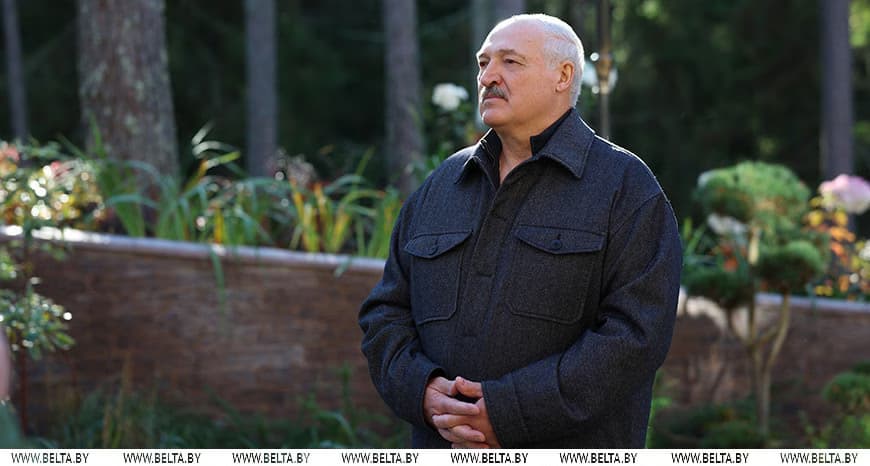
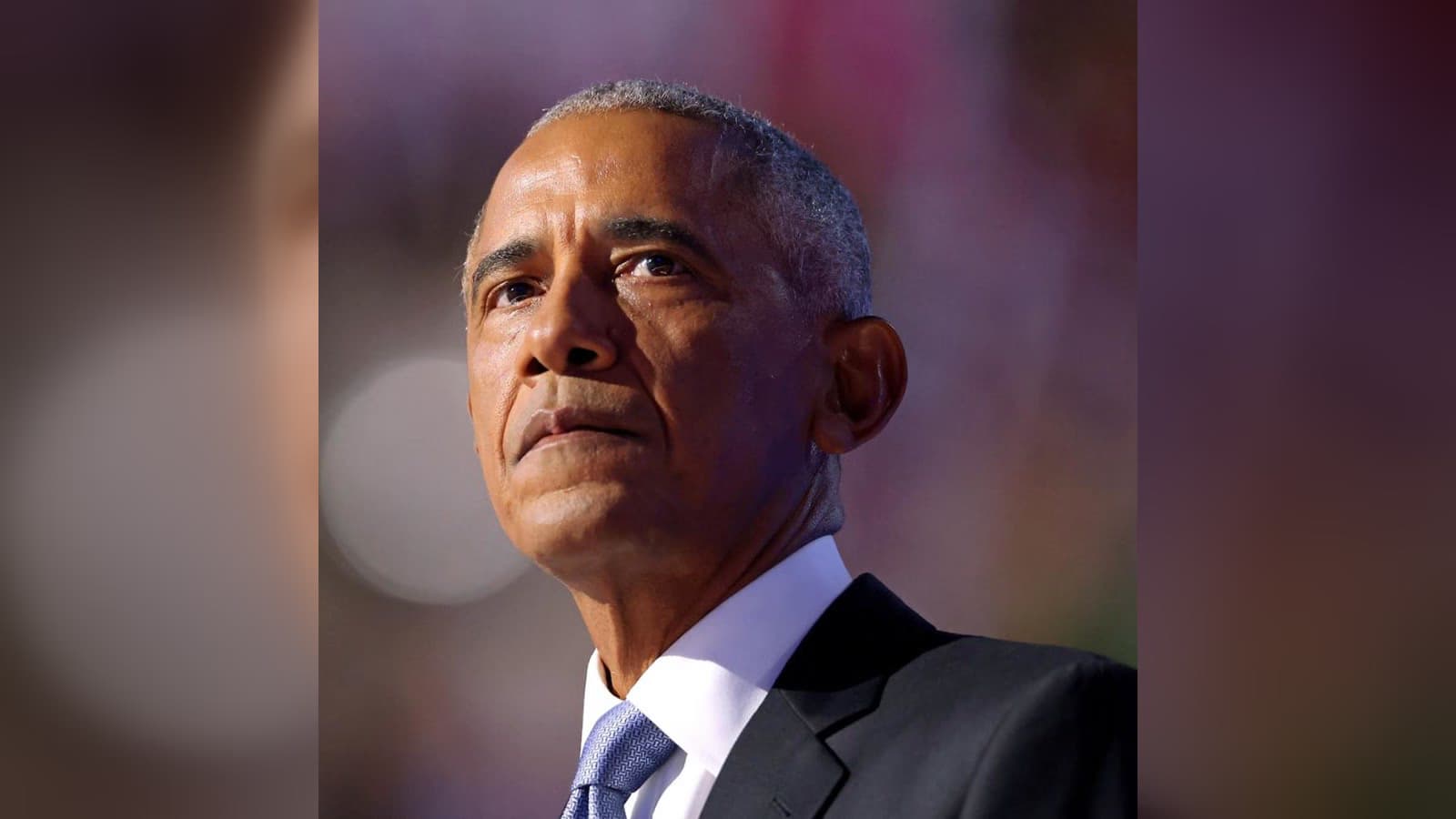
Russian Foreign Minister Sergey Lavrov said Iran joining the Mecca Agreement would be a practical step in terms of a regional security approach.
Lavrov made the assessment at a meeting with students and faculty members of the Moscow State Institute of International Relations. He said successive episodes of military activity could help states better understand the need not to pose threats to one another and to establish a lasting security order.
Lavrov said the Mecca Agreement, formed by Türkiye, Saudi Arabia and Pakistan, is based on a shared approach to security and defense, adding that the framework may not remain limited to the Gulf countries. He said the process could produce positive results if Egypt, as well as Algeria, expressed interest.
Lavrov said reaching agreement on the conditions under which Iran could join the agreement would be consistent with the security approach advocated by Russia. He added that no country needed to claim priority.
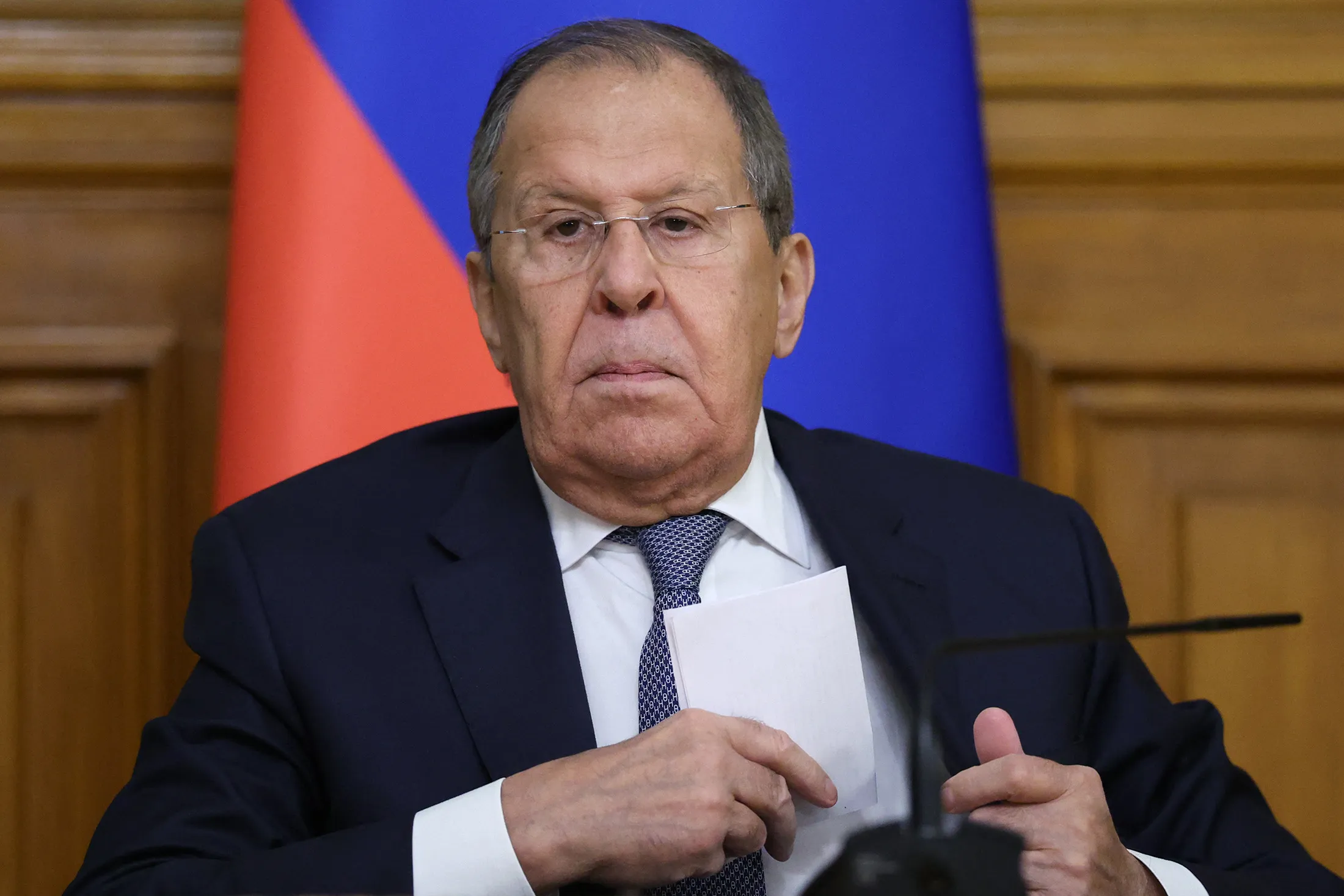
The Mecca Agreement was signed on August 7
Türkiye’s President Recep Tayyip Erdoğan, Saudi Crown Prince Mohammed bin Salman and Pakistani Prime Minister Shehbaz Sharif signed the joint defense agreement in Mecca on August 7.
The agreement was established on the basis of the principles of shared responsibility and regional initiatives at a time of rising regional and international instability.
Russia rejects agreements that do not balance interests
Lavrov said Russia would not support agreements that fail to establish a balance between the parties’ interests. The Russian foreign minister said every agreement should be based on pragmatism, adding that his country had experienced disappointment many times in the past.
Lavrov also questioned the sincerity of the actors on the other side, saying that no arrangement lacking pragmatism and a balance of interests would be acceptable to Russia.
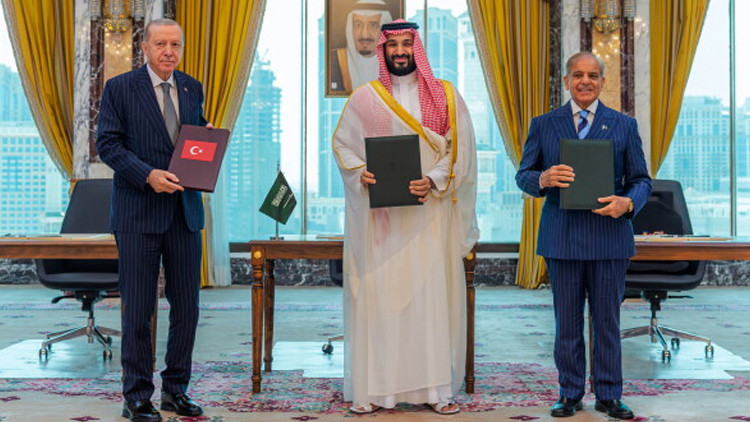
Lavrov criticizes the OSCE
Lavrov argued that the Organization for Security and Co-operation in Europe had completely discredited itself. He said the organization was initially intended to reconcile the West and the East, adding that a different framework emerged during its formation after European countries, the United States and Canada were included.
Lavrov said it was insufficient to describe the OSCE’s situation simply as a crisis, arguing that the consensus principle had been violated and that some mechanisms within the organization had acted unilaterally.