- BIST10011,722-2.89%
- USD49.45+0.05%
- EUR55.62+0.37%
- GOLD4,203.60+0.54%
- INTEREST37.00%-1.00
- BITCOIN82,303+0.35%
- October 19, 202614°
- BIST10011,722-2.89%
- USD49.45+0.05%
- EUR55.62+0.37%
- GOLD4,203.60+0.54%
- INTEREST37.00%-1.00
- BITCOIN82,303+0.35%
- October 19, 202614°
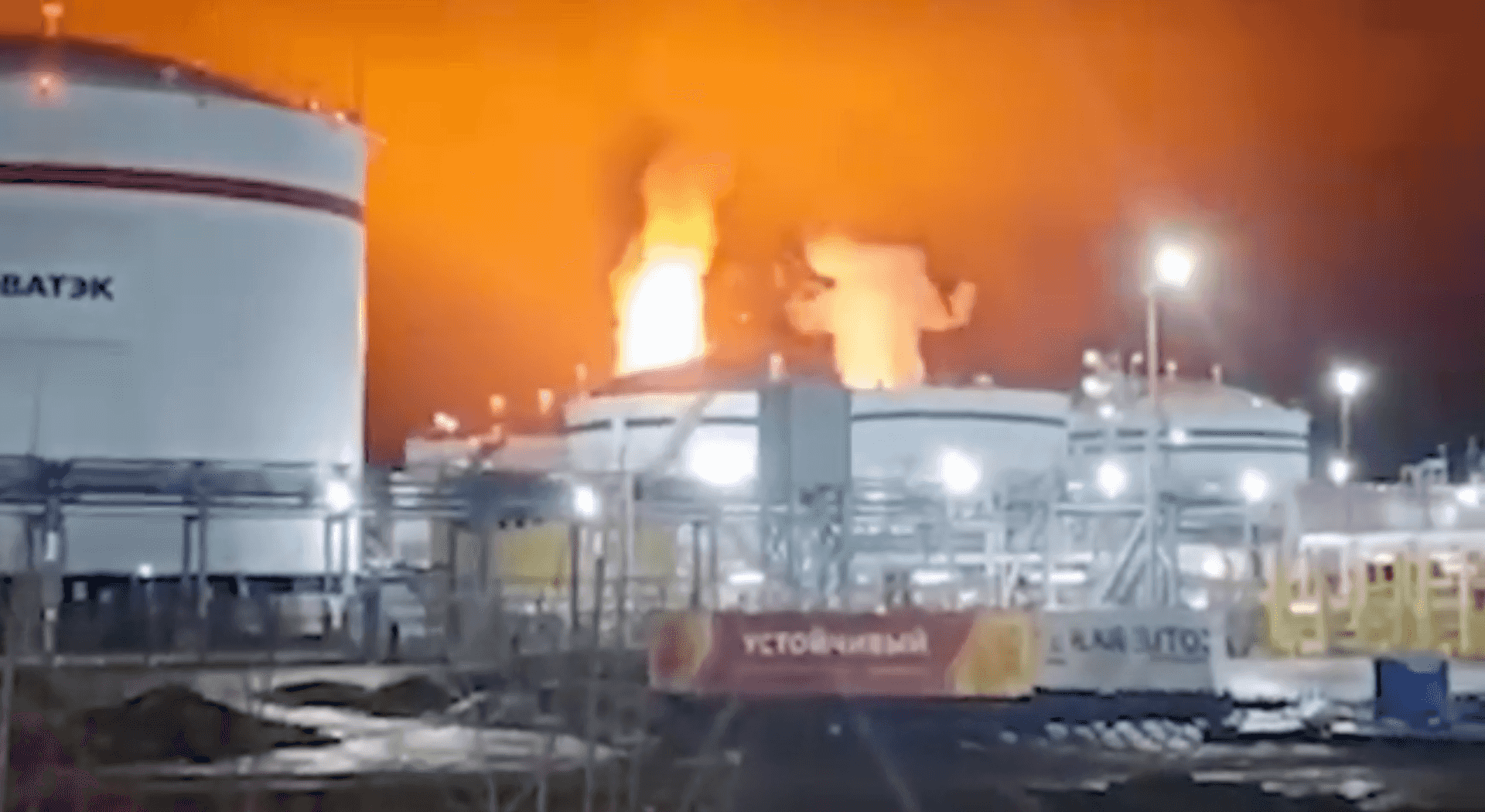
IMO suspends ship salvage operations in Strait of Hormuz after tanker attack
The International Maritime Organization (IMO) has halted operations to remove stranded ships in the Strait of Hormuz following an attack on an oil tanker. IMO Secretary-General Dominguez said Iran's stance is awaited for the resumption of work.


International Maritime Organization (IMO) Secretary-General Arsenio Dominguez announced that operations to remove stranded ships in the Strait of Hormuz have been suspended following an attack on an oil tanker in the area.
Speaking to Al Jazeera, Dominguez stated that the safe transit lanes proposed by the IMO are no longer considered safe and that a positive stance from Iran is awaited for the resumption of work. Dominguez said, "We proposed the option of mine clearance in the Strait of Hormuz in coordination with Iran, and we have no objection to the use of two transit lanes."
The IMO Secretary-General emphasized that no country has the right to charge a transit fee in a strait open to international navigation and underlined that the Strait of Hormuz is an international waterway where all ships have the right of free passage.
New York Times: Oman proposes voluntary payment mechanism
The New York Times, citing IMO Secretary-General Dominguez, reported that the establishment of a voluntary payment fund for the Strait of Hormuz is on the agenda. The newspaper reported that Dominguez has held talks with Omani officials on the management of the strait and is seeking solutions to the problems caused by the war within the framework of international law.
According to the report, Oman submitted a formal proposal to the US and its Western allies to establish this mechanism. It was stated that the proposal is partly based on existing models for maritime navigation safety and services in the Malacca and Singapore straits.
According to the draft, shipping companies would be required to pay a fee in return for maritime services in the strait. It was noted that US negotiators have approached the proposal with some reservations and will discuss the matter in upcoming talks.
Omani Foreign Minister: Aim is service fee, not transit fee
Omani Foreign Minister Badr al-Busaidi said in a previous statement that his country is opposed to charging a fee solely for transit through the strait, as it would be illegal. In an interview with Monte Carlo radio, the minister stressed the need to distinguish between a "transit fee" and fees for services provided by states.
Al-Busaidi stated that Oman, like France, has called for de-escalation and the implementation of agreement provisions. "We are doing everything we can to ensure that navigation in the Strait of Hormuz remains safe, healthy, and free for everyone," he said.
The minister said Oman's dialogue with Iran is based on the principle that any agreement must remain within the boundaries of international law. Recalling that Oman is committed to the Law of the Sea Convention, even though Iran is not a party, al-Busaidi expressed that arrangements could be made on a voluntary basis for services such as navigation safety, water security, pollution control, and emergency response.
Rubio: We oppose the commercialization of the strait
US Secretary of State Marco Rubio, speaking to journalists in Bahrain last week, stated that they are opposed to any scenario involving the financial exploitation of the strait, whether it is called a "fee, tax, or donation." Rubio said, "We must return to the situation before this dispute."
Analysts, however, note that Iran's capacity to disrupt traffic in the waterway, demonstrated during the war, has become an indispensable leverage point for Tehran. Iranian Foreign Minister Abbas Araghchi also said in a statement to state television this month that the situation in the Strait of Hormuz will no longer return to the pre-war period of free passage.
Stay Updated with RuskiGazeta
Subscribe to be informed about special news, developments and announcements. We will keep you informed.
By signing up, you agree to our Privacy Policy