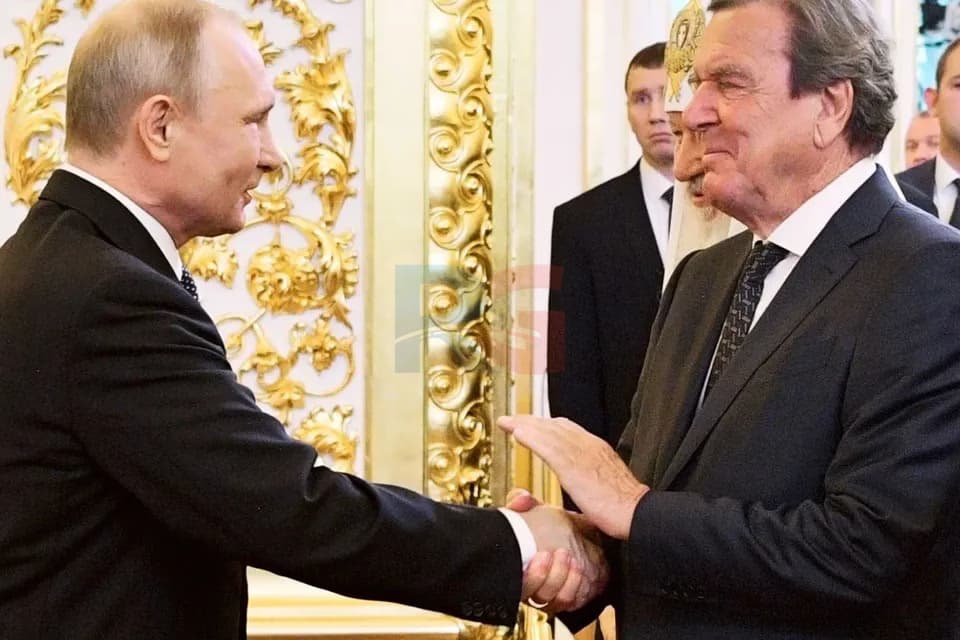
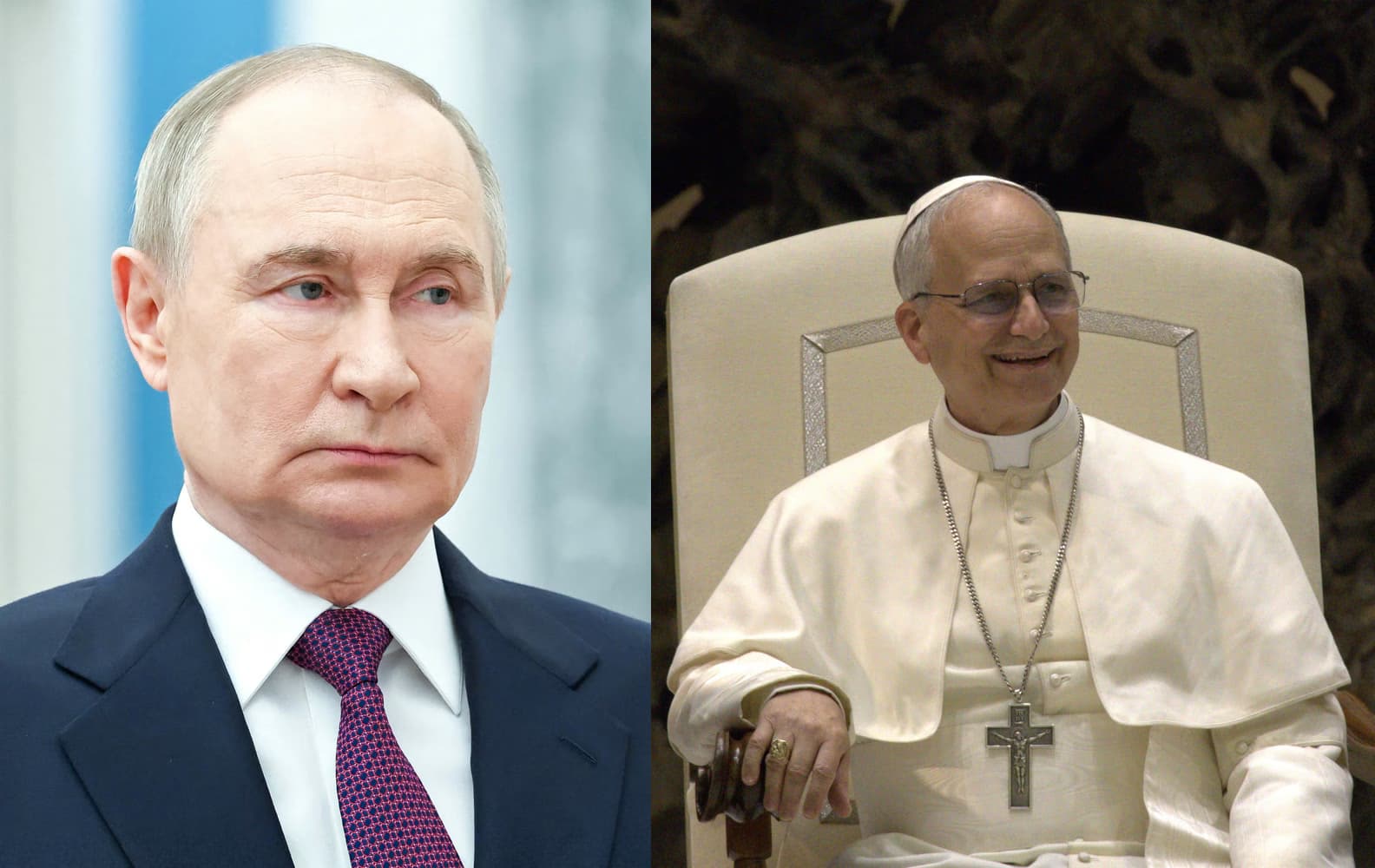
According to information from Guardian newspaper's sources close to the Kremlin, there is a growing awareness around Russian President Vladimir Putin that the leader is making increasingly 'self-destructive decisions.' Sources state that Putin is persistent in his goal to take control of the Donbass region by the end of the year and will not stop on this matter. While state officials and the military present positive scenarios to Putin, it is expressed that real progress is limited. Sociological research in Russia reflects increasing concern and dissatisfaction within the ruling circles, while political experts interpret this data as a sign of upcoming changes. The Kremlin administration is planning measures to protect the public from foreign influences and rising anxieties in 2026. Due to the effects of the war and economic decline, disappointment towards Putin is growing among the Russian elite. Putin's responsibility as the initiator of the war is increasingly felt. Recent missile attacks on Ukraine show the weakening of power within the Kremlin. Putin's efforts to ban the internet are seen as a reflection of the desire to control the flow of information. The Kremlin is trying to calm the rising concerns in society ahead of the upcoming parliamentary elections. However, the effects of the war and economic difficulties continue to increase public anxieties. The rise of independent works in the fields of art and culture in Russia conflicts with the official narrative and increases the need for information control. The Kremlin is preparing against the possibility of manipulating election results and it is stated that reports will be presented to ensure Putin sleeps peacefully after the elections. These developments show that the political and social atmosphere inside Russia is becoming increasingly complex.