- BIST10011,722-2.89%
- USD49.45+0.05%
- EUR55.62+0.37%
- GOLD4,181.10+0.26%
- INTEREST37.00%-1.00
- BITCOIN81,279-0.13%
- October 18, 202614°
- BIST10011,722-2.89%
- USD49.45+0.05%
- EUR55.62+0.37%
- GOLD4,181.10+0.26%
- INTEREST37.00%-1.00
- BITCOIN81,279-0.13%
- October 18, 202614°
Five Independent Initiatives in Memory of the Great Patriotic War
Five different projects aimed at preserving the memories of the Great Patriotic War independently from state propaganda were introduced. These initiatives, stretching from Pskov to Tomsk, offer unique perspectives on war history and contribute to keeping regional memory alive.
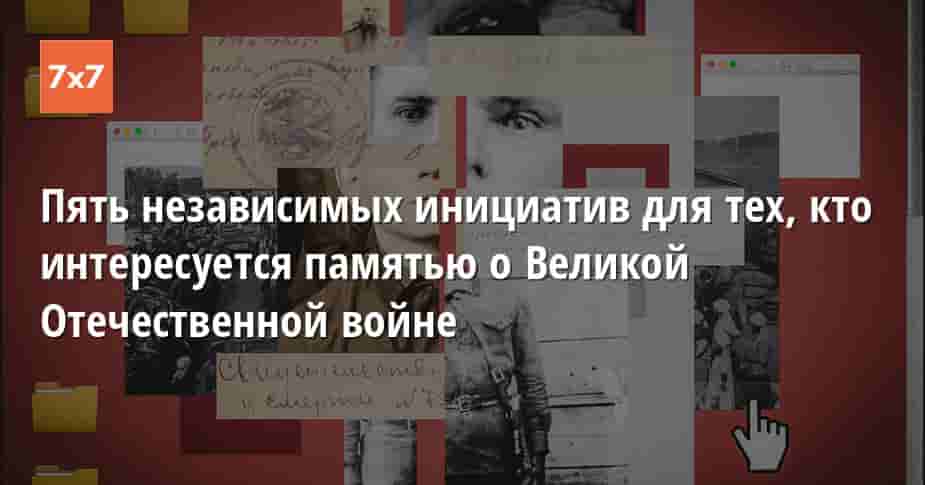
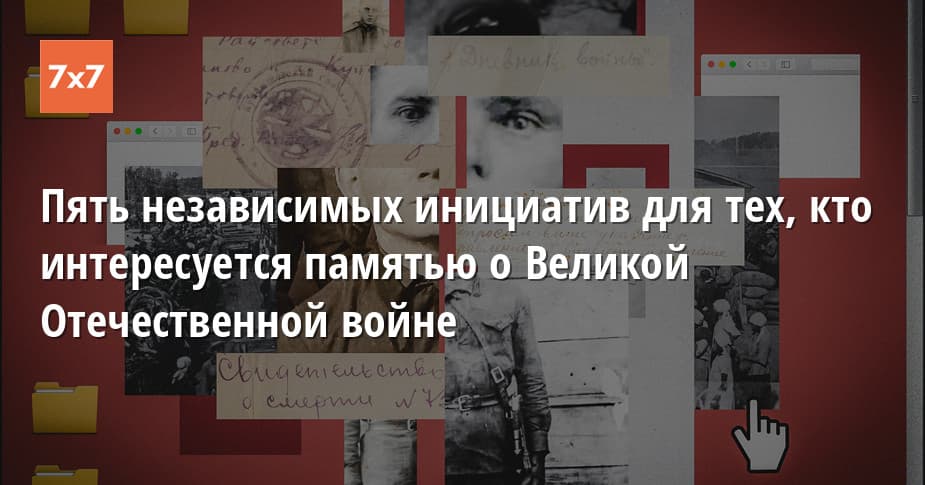
Five different initiatives trying to preserve the memories of the Great Patriotic War independently from state propaganda stand out. The "Genetic Code" project, run by Anna Skripkar in Pskov, records short video testimonies about the war years. These videos narrate from the first days of the war, including occupation, displacement, and childhood periods.
The "Prozhito" service digitizes and makes accessible war diaries collected from family archives. These archives contain personal writings witnessing important events such as the Siege of Leningrad. The service continues to build a large archive with the support of volunteers.
The Yekaterinburg-based "Minuta v minutu" project recreates historical events online in real time. Developments on critical dates like June 22, 1941, and May 9, 1945, are shared by a three-person team on social media platforms.
The "Memorial Velikoy Otechestvennoy Voyny" forum provides support to relatives of those lost in the war. Participants from different regions share information about missing persons, discuss grave locations, and exchange experiences on search methods.
Finally, the "Otkroy ssylku" media project in Tomsk researches the history of exiles during the Soviet era. The project particularly addresses the exile of the Volga Germans in 1941, examining family histories and the background of political decisions.
These initiatives offer perspectives on war history that differ from state propaganda and make significant contributions to keeping regional memory alive. Official statements and updates about project details and support opportunities are awaited.
Stay Updated with RuskiGazeta
Subscribe to be informed about special news, developments and announcements. We will keep you informed.
By signing up, you agree to our Privacy Policy