- BIST10011,843+1.51%
- USD50.26+0.06%
- EUR55.74-0.44%
- GOLD3,880.00-0.14%
- INTEREST36.00%-1.00
- BITCOIN68,833-3.56%
- November 13, 202619°
- BIST10011,843+1.51%
- USD50.26+0.06%
- EUR55.74-0.44%
- GOLD3,880.00-0.14%
- INTEREST36.00%-1.00
- BITCOIN68,833-3.56%
- November 13, 202619°
EU prepares 22nd sanctions package as Costa calls weeks ahead test for Moscow
European Commission President Ursula von der Leyen said in Dublin that Brussels would present its 22nd package of sanctions against Russia before the next EU summit. European Council President António Costa called the coming weeks a decisive test of Moscow’s readiness to end the war.
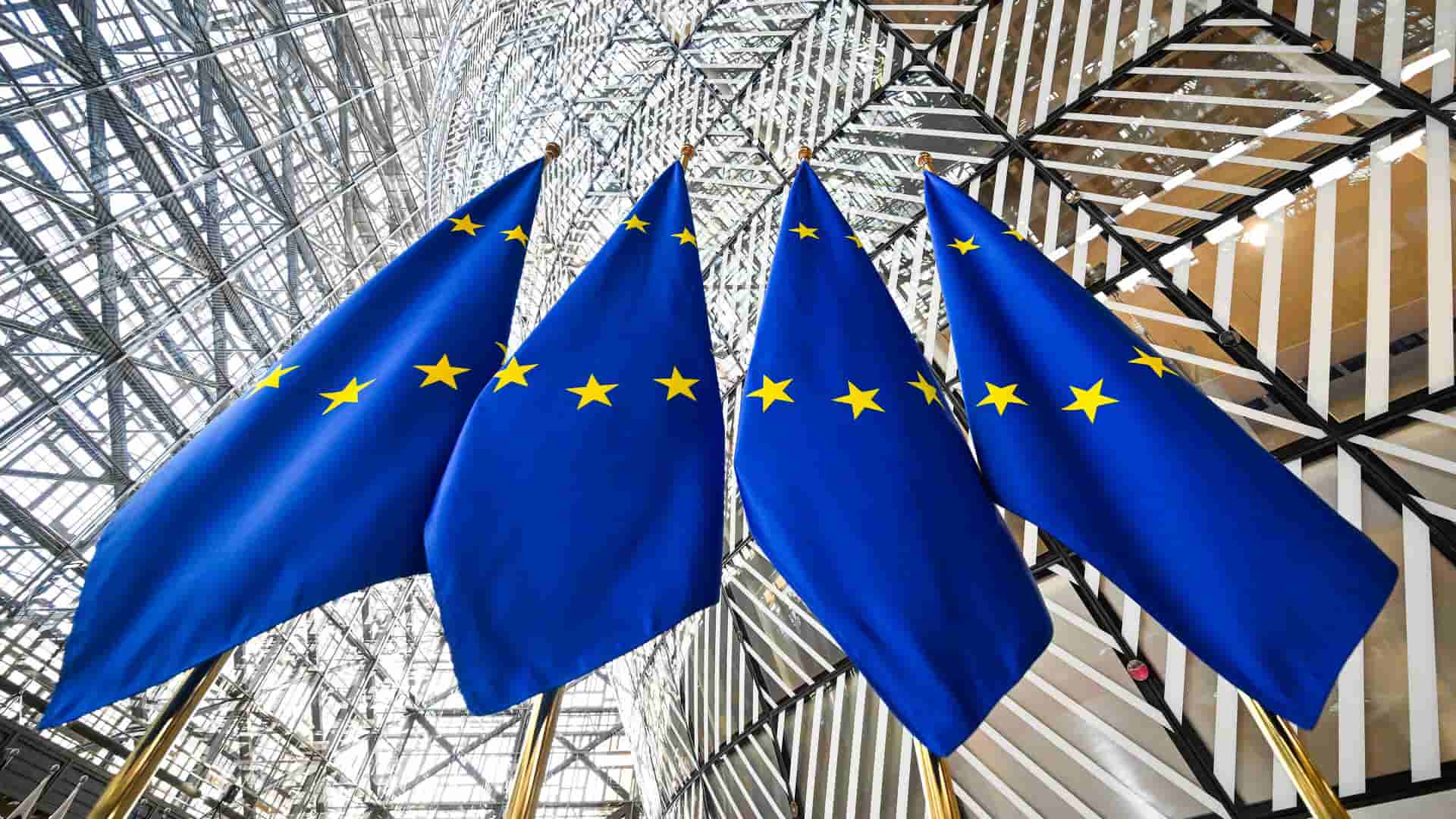
The European Union is preparing its 22nd package of sanctions against Russia. European Commission President Ursula von der Leyen made the announcement on Thursday, 12 November, upon arriving in Dublin for the summit of the European Political Community (EPC).
“We are preparing the 22nd package of sanctions. In addition, as the Commission, we are preparing a proposal on how to cover Ukraine’s financial needs in 2027. We will present the sanctions package and the proposal on financial needs before the next meeting of the European Council,” von der Leyen said. Interfax-Ukraine and European Pravda quoted her as saying.
The Commission president also welcomed the talks on ending the war held in Abu Dhabi this week. “It is good that Europeans were represented there, both to defend our interests and because President Zelensky asked for it,” she said.
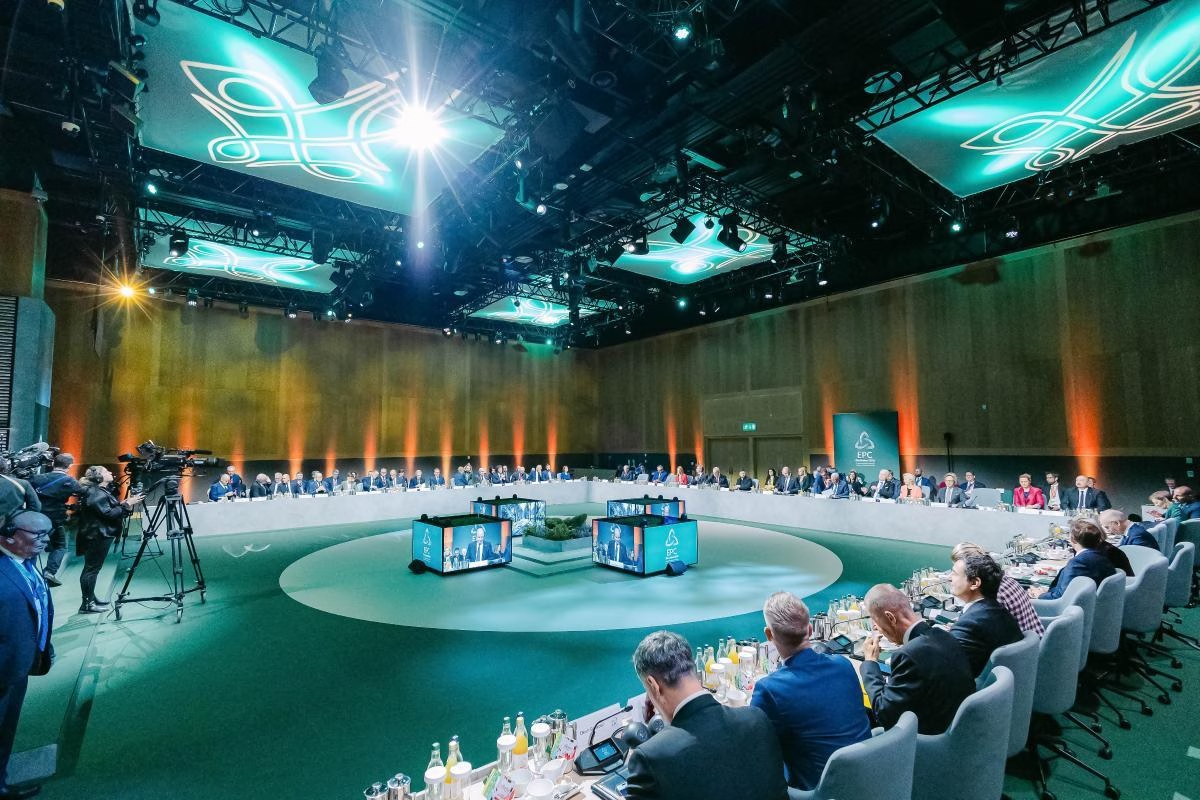
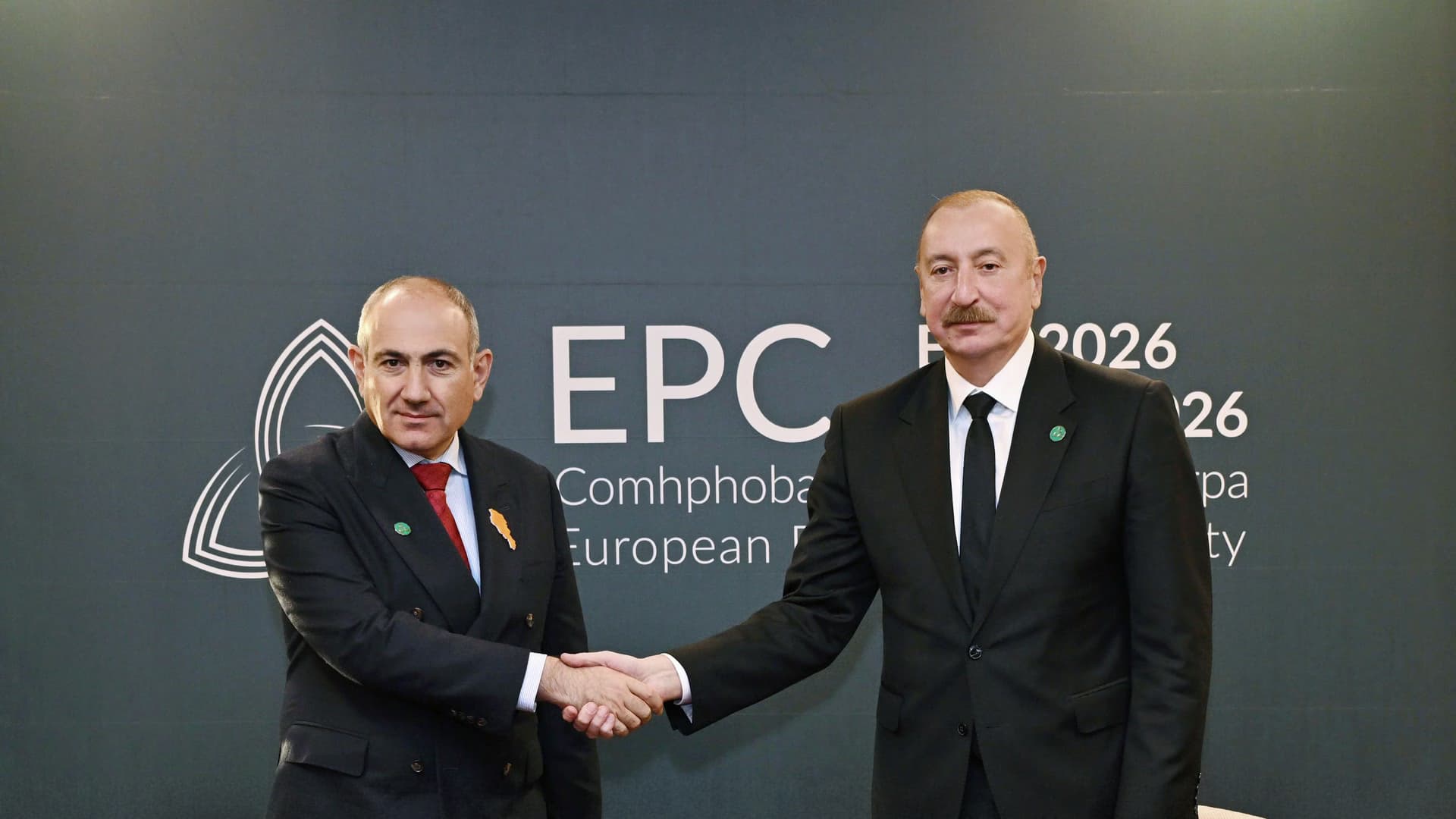
The photograph shows the plenary session of the EPC’s ninth summit in the Irish capital, attended by leaders from European countries. An informal meeting of the European Council will also take place in Dublin on Friday, 13 November.
A “decisive test” for Moscow
Opening the summit, European Council President António Costa said Europe’s collective security was inseparable from a just and lasting peace in Ukraine. He said the first condition for restoring security on the continent was Ukraine’s right to freely choose its future. “The era of ‘spheres of influence’ in Europe is long gone,” he said, adding that the continent’s security issues must not be discussed without Europe’s participation.
Costa identified a ceasefire, tangible progress in the Black Sea and the creation of conditions for a peace agreement as Europe’s priorities. “The key prerequisite is whether Russia genuinely seeks peace. Unfortunately, judging by what we have seen so far, Russia is focused on escalation and strikes against Ukrainian civilians. For peace to become possible, this must change. The coming weeks will be a decisive test of Russia’s readiness to end this war,” Anadolu quoted him as saying.
Joint statement after meeting with Zelensky
On the sidelines of the summit, von der Leyen and Costa met with Ukrainian President Volodymyr Zelensky and issued a joint written statement. It said the EU welcomed the talks in Abu Dhabi and the “renewed momentum in the peace process,” had participated in the talks and would continue working in this format.
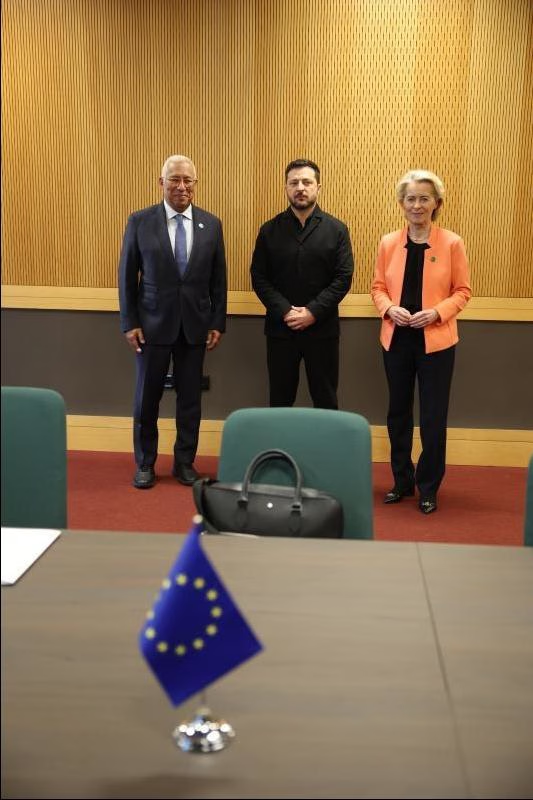
António Costa, Volodymyr Zelensky and Ursula von der Leyen before the meeting in Dublin. The joint statement stressed: “Ukraine must enter negotiations from a position of strength. Russia, meanwhile, must be persuaded to come to the negotiating table with a genuine intention to achieve peace.” Kyiv’s urgent financing needs for 2027 will be considered at the next summit of EU leaders, while the European Commission will present its 22nd sanctions package. During the winter, the EU will also continue helping Ukraine by providing generators and establishing emergency support points.
What is known about the new package
Von der Leyen did not disclose which measures would be included in the 22nd package. The European Times reported that Brussels had promised to tighten measures targeting Russia’s oil revenues, financial channels and intermediaries helping to circumvent existing restrictions. Irish State Minister Marian Harkin, representing Ireland’s presidency of the Council of the EU, told the European Parliament that member states were ready to consider the Commission’s proposal. “Russia’s ability to wage this war depends on its ability to finance it,” she said. Approval of the package requires the unanimous support of all 27 EU member states.
The previous, 21st package was agreed in July. France 24 reported that it provides for freezing the price cap on Russian oil for 12 months and introduces measures targeting the financial and cryptocurrency sectors. The European Times wrote that another 41 tankers were added to the “shadow fleet” list at the time. European Commissioner Maria Luís Albuquerque told lawmakers that access to EU ports and services had already been closed to more than 690 vessels, while transaction bans applied to more than 100 Russian banks. In October, the EU approved the largest sanctions-list package in its history, covering nearly 1,600 individuals and legal entities.
Photo: © European Union, 2026; Government of Estonia (CC BY 4.0)
Stay Updated with RuskiGazeta
Subscribe to be informed about special news, developments and announcements. We will keep you informed.
By signing up, you agree to our Privacy Policy