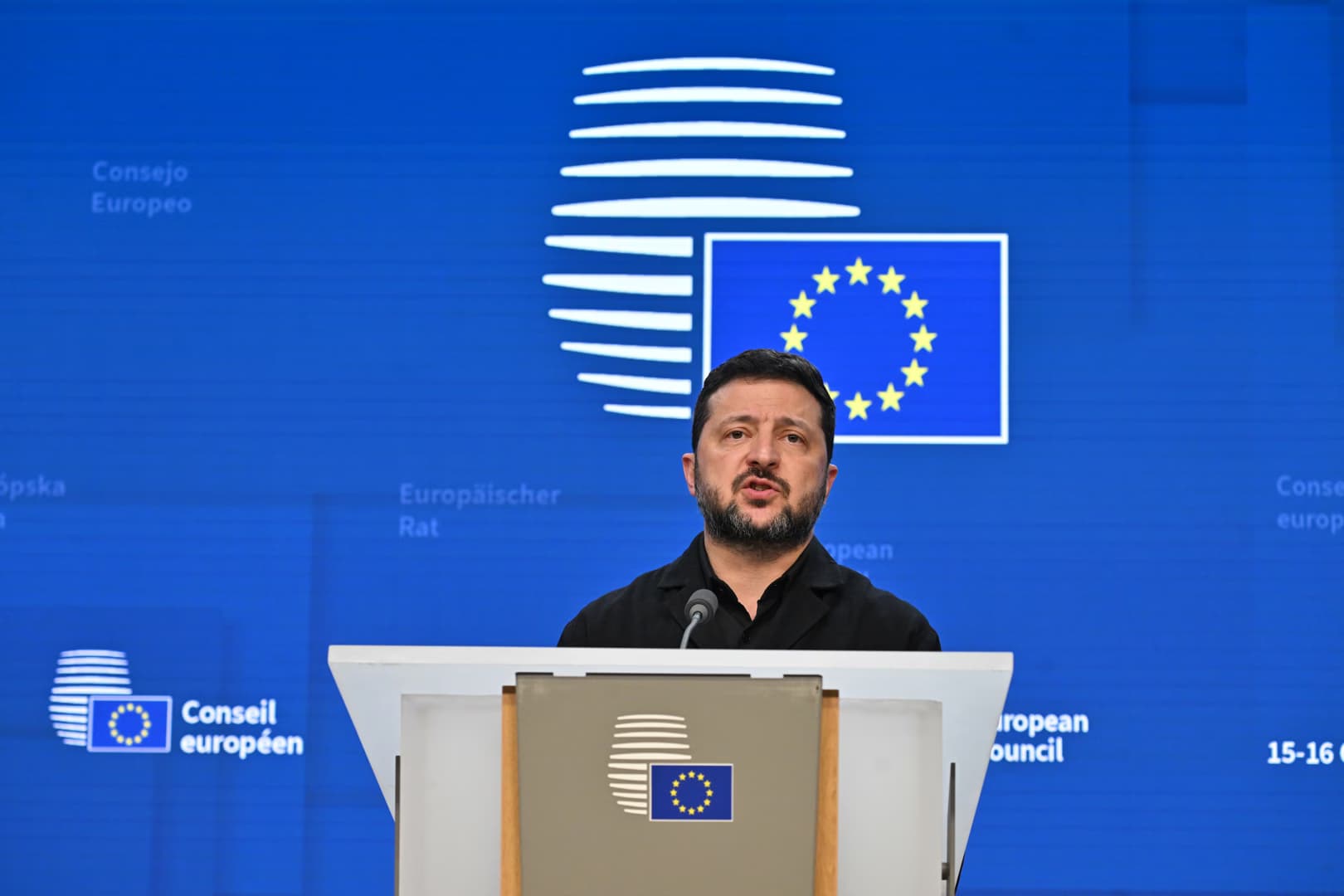
At the ongoing European Union summit in Brussels, the question of how to engage with Russia divided leaders into two camps. The debate revealed a clear split within Europe regarding the timing and method of dialogue with Moscow.
The issue was discussed in the evening session without aides or phone calls. During this session, French President Emmanuel Macron and German Chancellor Friedrich Merz argued that the current period is not suitable for communication with the Kremlin.
According to Macron and Merz’s approach, when the time is right, the initiative should be led by the European trio consisting of Paris, London, and Berlin. They emphasized that contact should be conducted in a more controlled and joint framework.
In contrast, many leaders supported the stance of European Council President António Costa. This group believes that dialogue with Russia should not be completely closed off.
The disagreement also drew criticism from some Baltic countries, which expressed discomfort at not being informed in advance about the EU’s contacts with Russia.
In recent days, discussions within the European Union about how to reestablish dialogue with Russia have become more visible. While voices advocating for renewed contact are rising, there remains a deep disagreement over which actors should lead the process and on what political basis it should be conducted.
European officials are also concerned about the visit to Moscow by US President Donald Trump’s special envoy Steve Witkoff and his son-in-law Jared Kushner. There are fears that this contact could create a new US-Russia channel that excludes Europe from the process.
Russian Foreign Minister Sergey Lavrov criticized this shift in Europe’s stance, stating that the sudden change in rhetoric regarding Ukraine talks should be questioned. Lavrov claimed that Europe is using dialogue with Moscow on Ukraine, sanctions, and security issues to impose its own conditions.
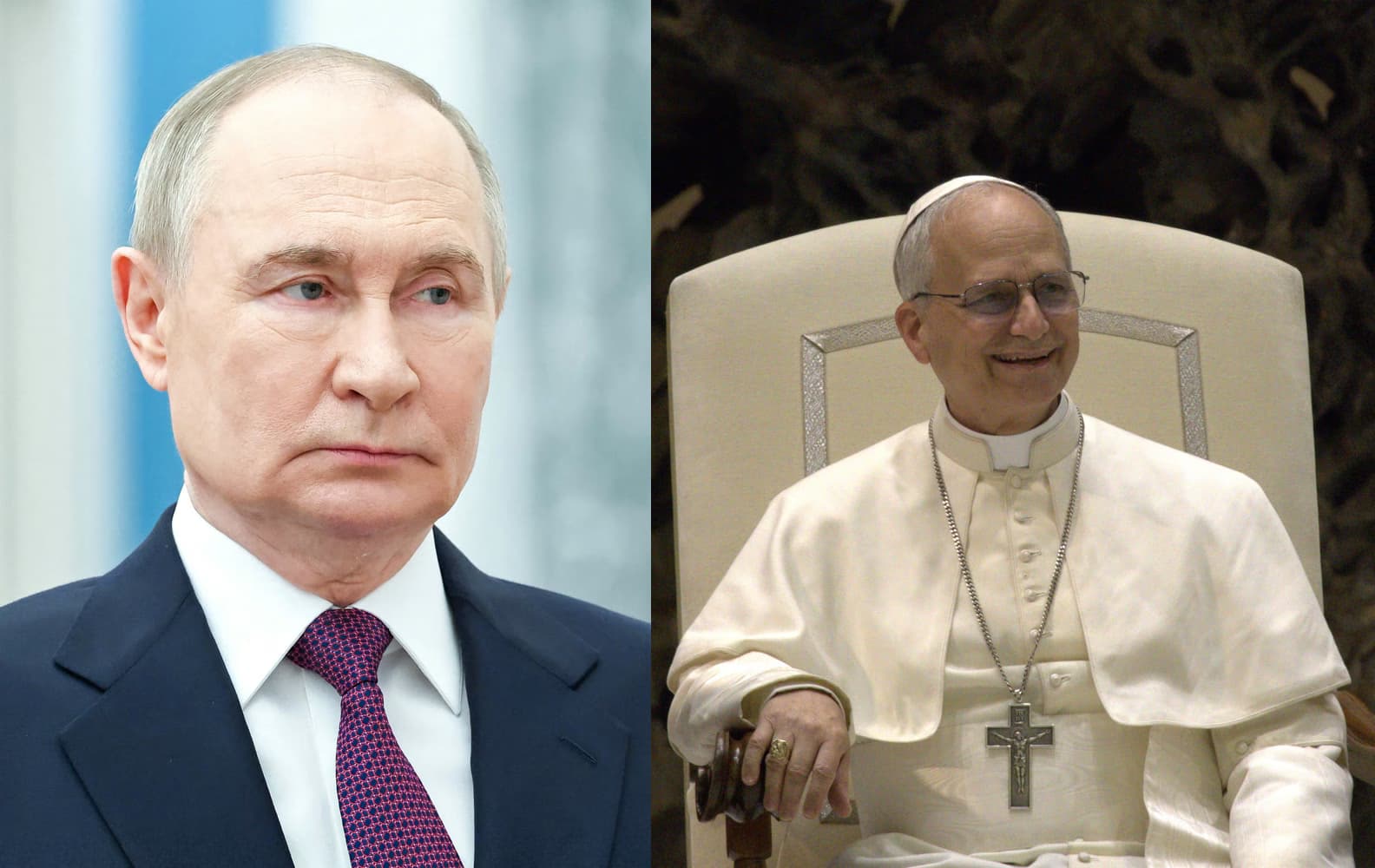
Lavrov also referred to some European officials’ demands related to Ukraine, arguing that this approach signals preparation for conflict with Russia. Vladimir Putin had previously emphasized that Europeans reject dialogue with Russia and suggested that it would be more appropriate for a trusted leader to play a role in this process.