- BIST10011,131-3.02%
- USD50.47+0.05%
- EUR55.46+0.20%
- GOLD3,539.00-3.98%
- INTEREST36.00%-1.00
- BITCOIN59,021-4.66%
- November 21, 202616°
- BIST10011,131-3.02%
- USD50.47+0.05%
- EUR55.46+0.20%
- GOLD3,539.00-3.98%
- INTEREST36.00%-1.00
- BITCOIN59,021-4.66%
- November 21, 202616°
Deutsche Bank kept oligarchs for years despite warnings
More than 200 journalists examined 15 million internal Deutsche Bank documents. The investigation found that the bank retained wealthy Russian clients despite warnings from employees and external monitors. The bank’s shares fell by more than 6% after the publications.
RuskiGazeta Editorial DeskUpdated:
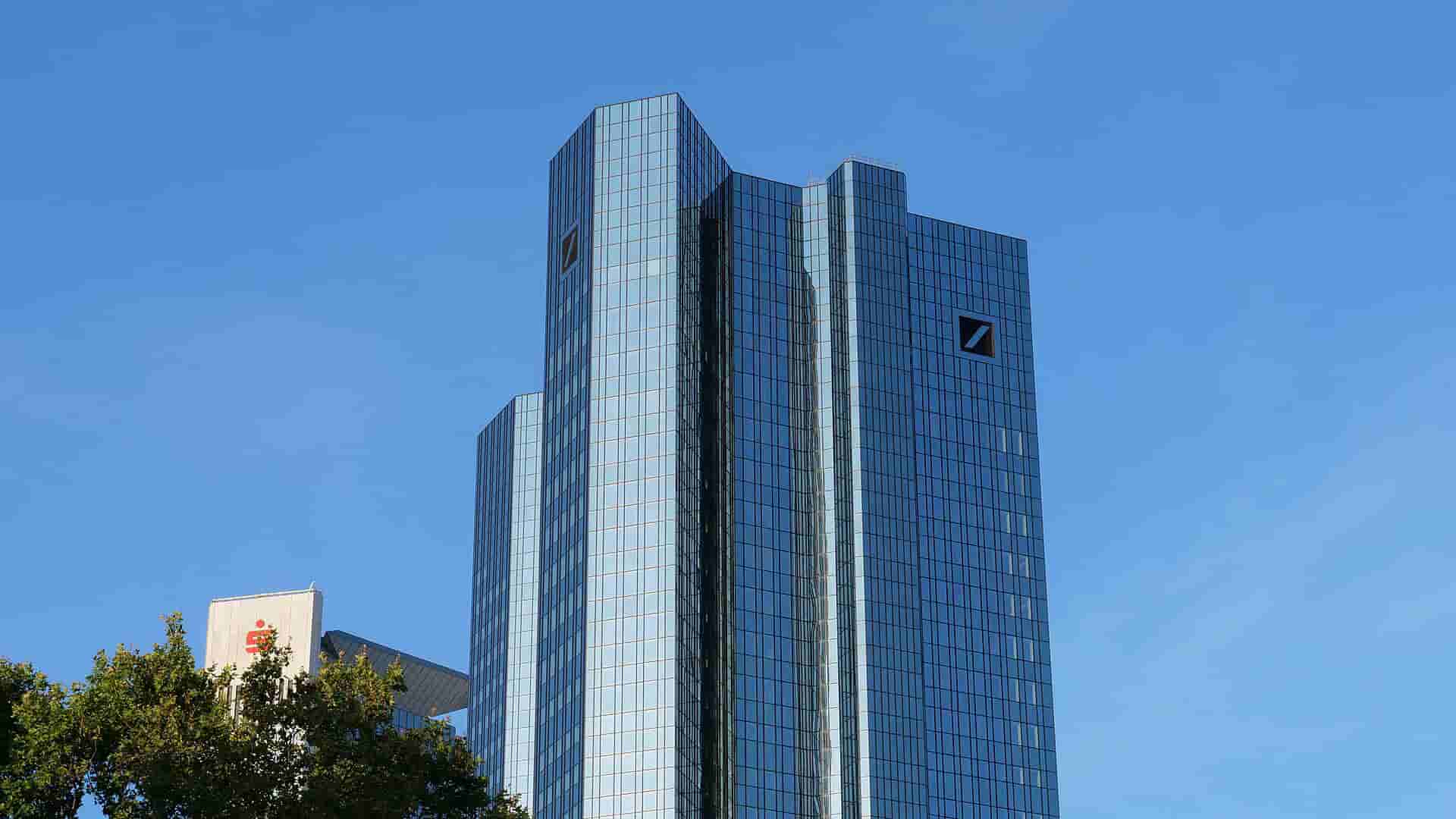
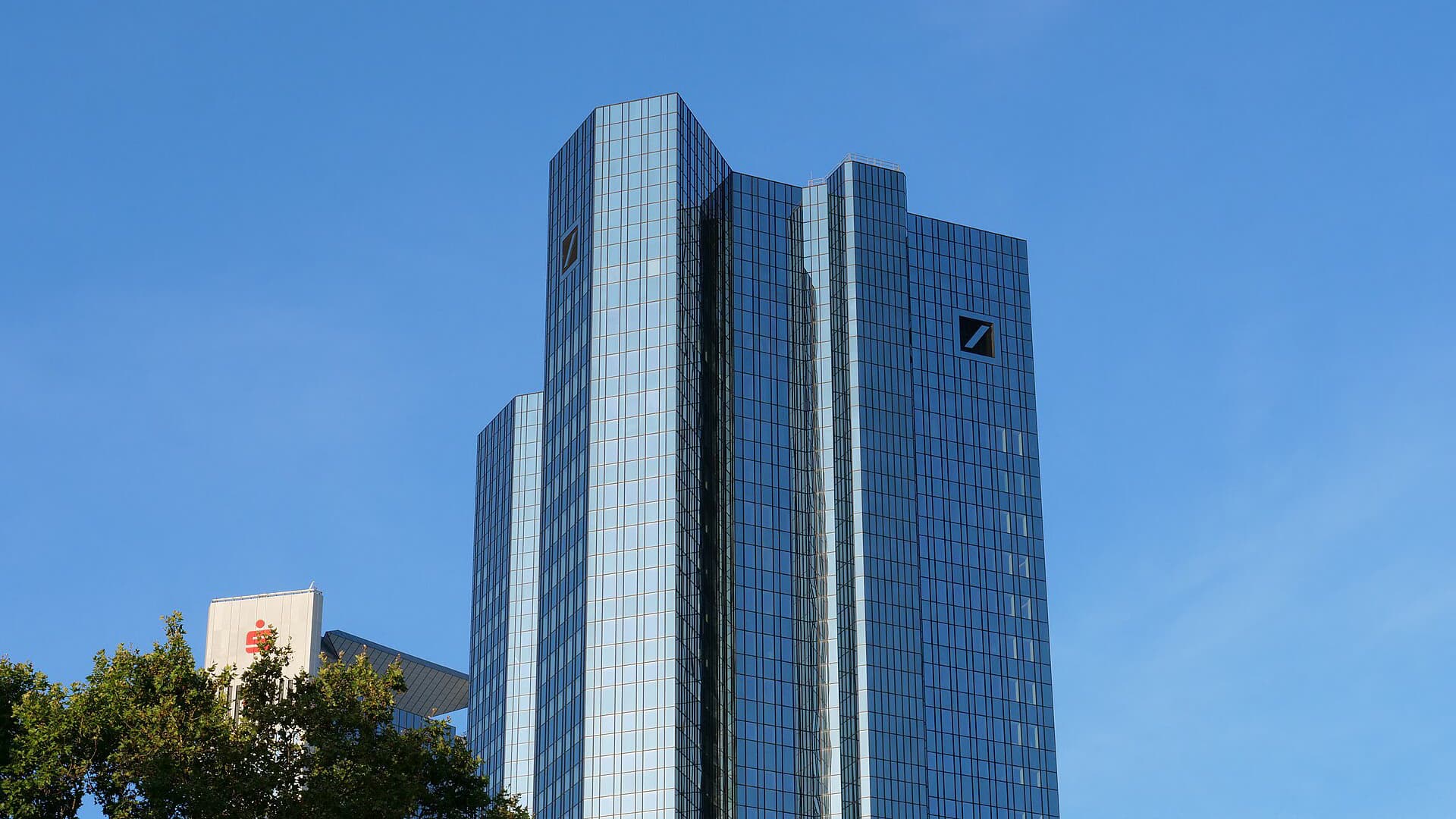
Germany’s Deutsche Bank retained major Russian clients, including oligarchs, for many years even though employees and external monitors had warned about sanctions and financial crime risks. The findings came from the international investigation Inside Deutsche Bank, published on Tuesday, November 17.
The investigation is based on more than 15 million internal emails, meeting minutes, risk assessments and reports on suspicious transactions. Two bank whistleblowers copied the documents and handed them to Indian journalist Josy Joseph and South African journalist Khadija Sharife. The work was coordinated by the South African nonprofit organization Barracuda Media and involved more than 200 journalists from over 50 media outlets, including Financial Times, The New York Times, Der Spiegel, Le Monde and ZDF. The whistleblowers said they were primarily concerned about the bank’s ties to Russian oligarchs and Russian money.
“Extremely unlikely”
The New York Times wrote that after the annexation of Crimea in 2014, the bank reduced its presence in Russia but did not leave the market. An internal review of its Russian strategy from November 2020 said that 17 of roughly 160 international private-banking clients in Russia were on the so-called “Kremlin list” of the U.S. Treasury and generated 47% of the revenue from that portfolio. The review’s authors described the imposition of full sanctions on everyone on the list as “extremely unlikely.”
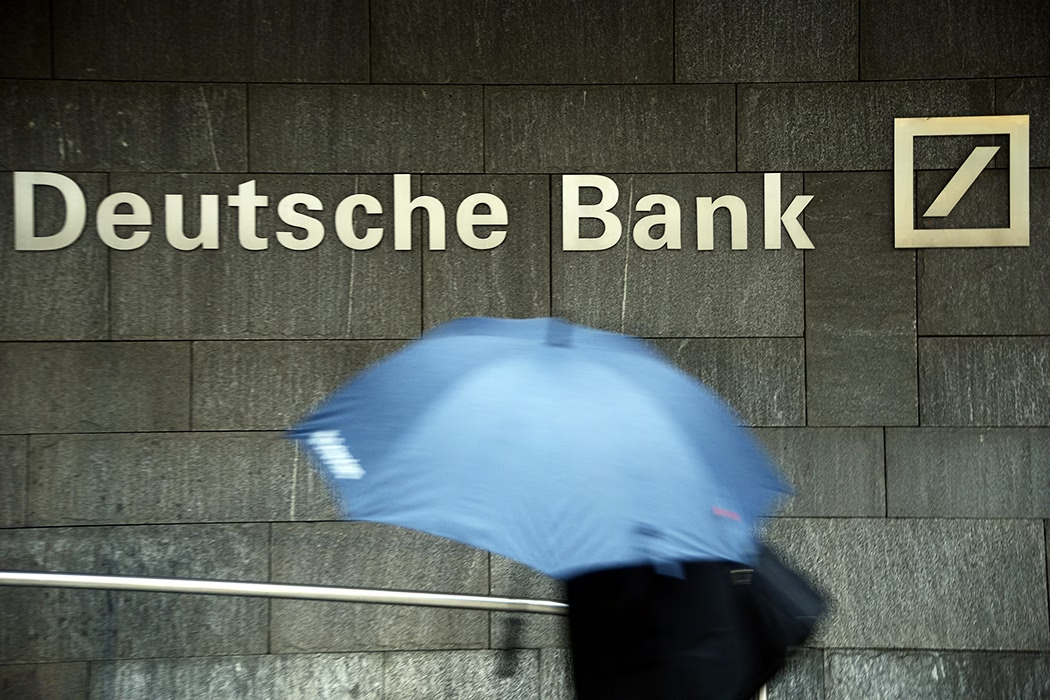
The clients named in the publications include Roman Abramovich, Alisher Usmanov, Andrey Melnichenko, Alexey Mordashov, Oleg Deripaska and Gennady Timchenko. The documents show that from 2015, the bank “repositioned” wealthy Russian clients, concentrating their services in Switzerland and Luxembourg. By October 2015, Switzerland accounted for 60% of the bank’s Russian client business, worth $6.8 billion. Later, internal correspondence noted that banking secrecy in those countries limited the transfer of data to foreign authorities. German broadcaster ZDF, a participant in the project, said the bank’s Russian clients used Cyprus as a “back door” into the European Union.
At the end of 2021, the bank assessed the likelihood of war as “fairly low” and opened a new headquarters in Moscow. After the war in Ukraine began on February 24, 2022, bank chief Christian Sewing initially argued that an immediate withdrawal would run counter to the bank’s values, but Deutsche Bank condemned the invasion the following day and announced that it would wind down its Russian business. When the U.S. Department of Justice requested data on Russian clients, the bank provided limited lists, the investigation found, citing banking secrecy in Switzerland and Luxembourg.
Bank response and market reaction
Deutsche Bank said the events described dated back many years and, in some cases, nearly two decades. The bank said Russia-linked clients had undergone all applicable checks, including sanctions screening and the identification of ultimate beneficial owners; since 2014, it had stopped serving 900 such clients and significantly reduced its Russian risks. The bank invested €7 billion in control systems between 2019 and 2025. “Deutsche Bank is a different bank today,” the company said.
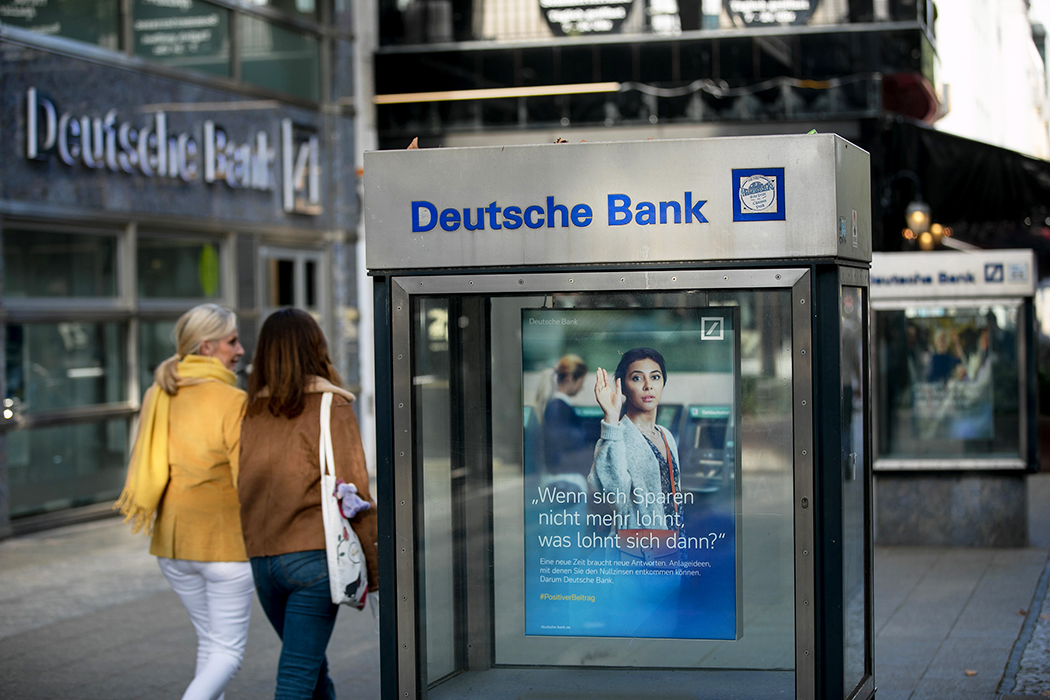
Investors responded to the publications by selling shares: Deutsche Bank stock fell by more than 6% on Tuesday, its sharpest decline since April 2025, Reuters reported. Jochen Stanzl, chief market analyst at Consorsbank, said investors were primarily concerned about a possible weakening of Sewing’s position, although he considered the articles to contain little new information in substance. A member of the European Parliament called on the bank chief to appear before Parliament and provide explanations. The investigation’s participants said they would publish more material this week.
Photos: Wikimedia Commons (Leonhard Lenz, CC0), Getty Images, Bloomberg.
Stay Updated with RuskiGazeta
Subscribe to be informed about special news, developments and announcements. We will keep you informed.
By signing up, you agree to our Privacy Policy