- BIST10011,722-2.89%
- USD49.45+0.05%
- EUR55.62+0.37%
- GOLD4,181.10+0.26%
- INTEREST37.00%-1.00
- BITCOIN81,567+0.23%
- October 18, 202615°
- BIST10011,722-2.89%
- USD49.45+0.05%
- EUR55.62+0.37%
- GOLD4,181.10+0.26%
- INTEREST37.00%-1.00
- BITCOIN81,567+0.23%
- October 18, 202615°
Danish director Refn's new film opens in Russia, critics call it his weakest work
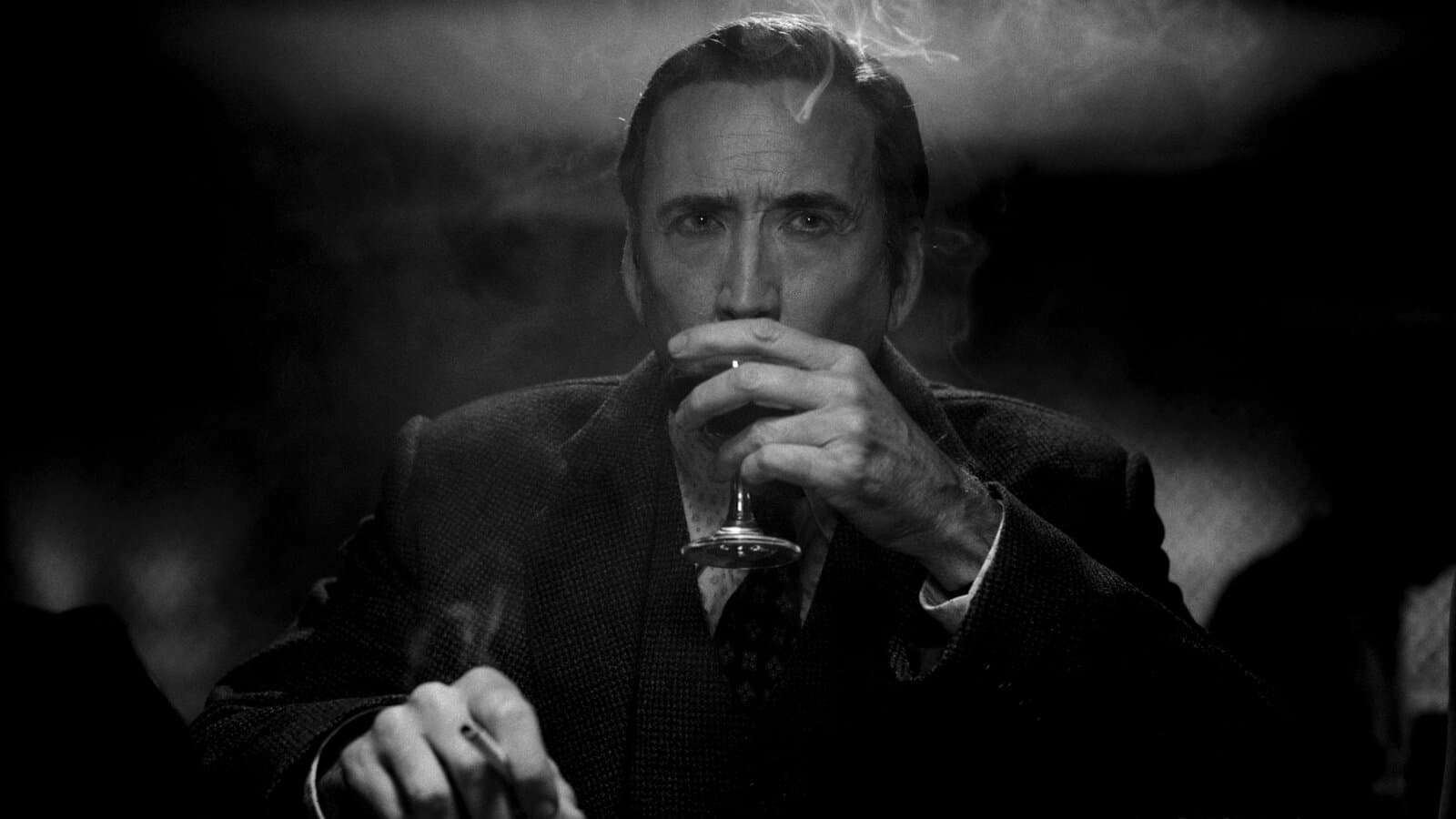
Nicolas Winding Refn's horror film 'Her Personal Hell', inspired by his near-death experience, arrives in Russian cinemas on July 23. Premiered at Cannes, the film is being called the weakest link in the director's career by critics.


Danish director Nicolas Winding Refn's latest film 'Her Personal Hell' opens in Russian cinemas this week. The film had its world premiere at the Cannes Film Festival earlier this year.
The director revealed at a Cannes press conference that he had a near-death experience during a heart condition in 2023. Refn stated that this personal experience was the starting point for the film and that the film's title came from it.
A Horror Story Set in Tokyo
The film is set in an unnamed megacity, implied to be Tokyo. Sophie Thatcher plays young actor El, who lands a role in the new project of her famous director father Johnny Tanders (Doughray Scott). Through her co-star Hunter (Kristine Froseth) and her stepmother Dominique (Havana Rose Liu), who is the same age as her, she learns the urban legend of a serial killer nicknamed 'Skin Man'. This killer tears open young girls' ribcages with his bare hands. American soldier Private Key (Charles Melton), who is investigating the events, tries to rescue his kidnapped daughter. It turns out that Skin Man went insane after losing his own daughter in the past.
A Triple Father-Daughter Relationship
The film revolves around three hyper-macho and toxic male characters and three female characters distinguished by their bad fashion sense and masochistic tendencies. The story centers on three complex father-daughter relationships. However, according to Meduza writer Anton Dolin, these relationships are only mentioned through ambitious dialogue and are not explored in depth.
Harsh Reviews from Critics
Anton Dolin describes 'Her Personal Hell' as the weakest film of Nicolas Winding Refn's career. Dolin points to the gap between the director's grand ambitions and the depressing result. The critic, who says 'It's very difficult and boring to watch, but quite interesting to think about,' emphasizes that the film is overly ambitious yet meaningless.
Dolin states that although Refn is seen as David Lynch's heir, he fails to meet that expectation with this film. While the cinematography and music are praised, the sluggish script, shallow characters, and the film's 'plastic' feel are criticized. The critic also finds the film's claim to eroticism unsuccessful, even interpreting one character calling another 'unfuckable' as the director unconsciously criticizing himself.
In conclusion, Dolin writes that the film offers a radical cinema of escape, and while it may be a journey into a personal hell for the director, for the viewer it could be a superficial, beautiful, and safe fashion show. According to him, Refn's hell could be as comforting as an old-fashioned dance hall or a strip club.
Stay Updated with RuskiGazeta
Subscribe to be informed about special news, developments and announcements. We will keep you informed.
By signing up, you agree to our Privacy Policy