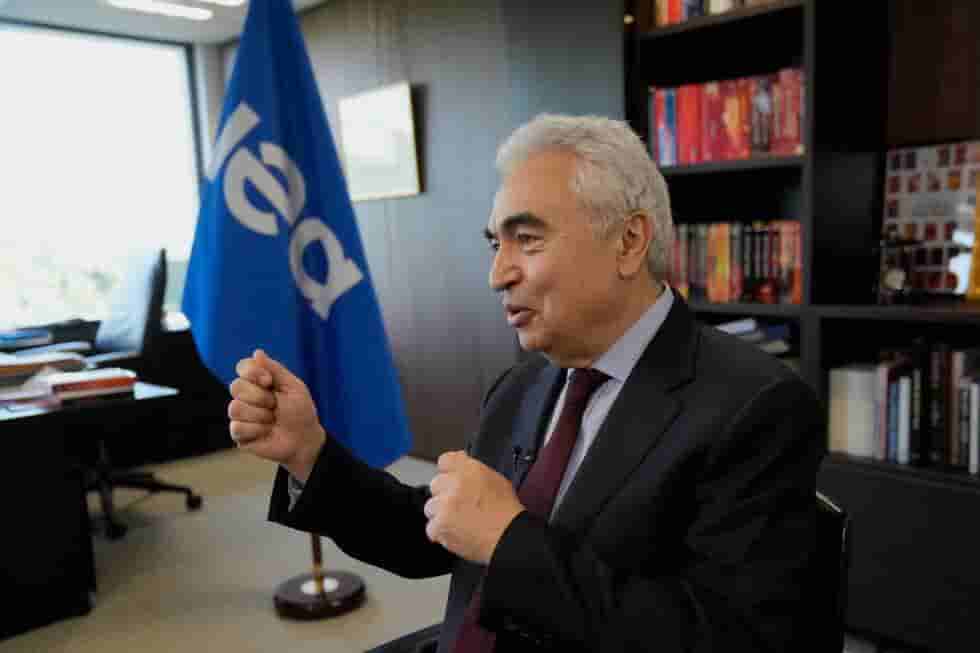
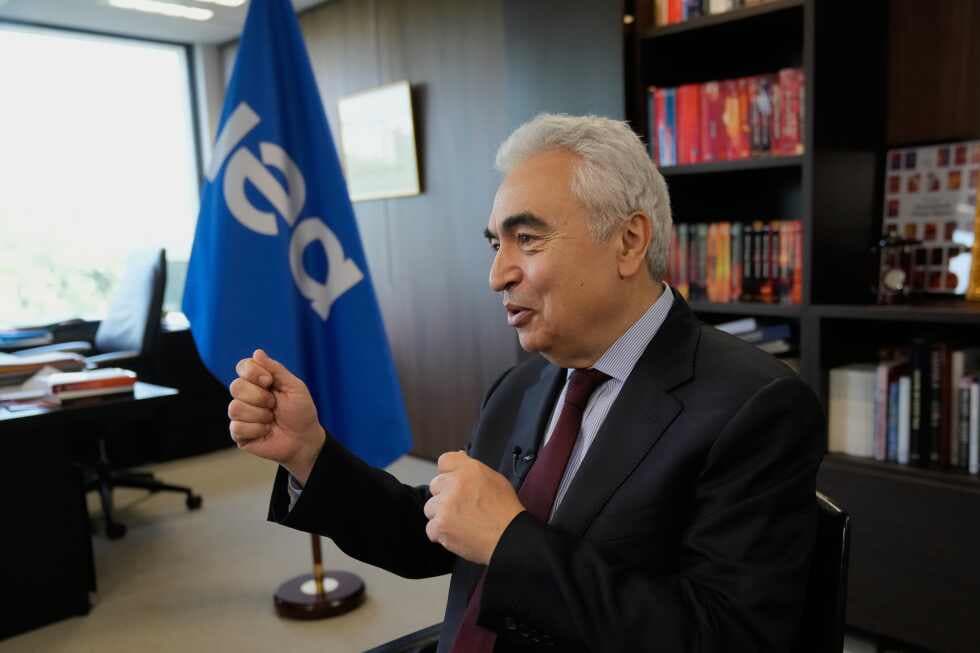
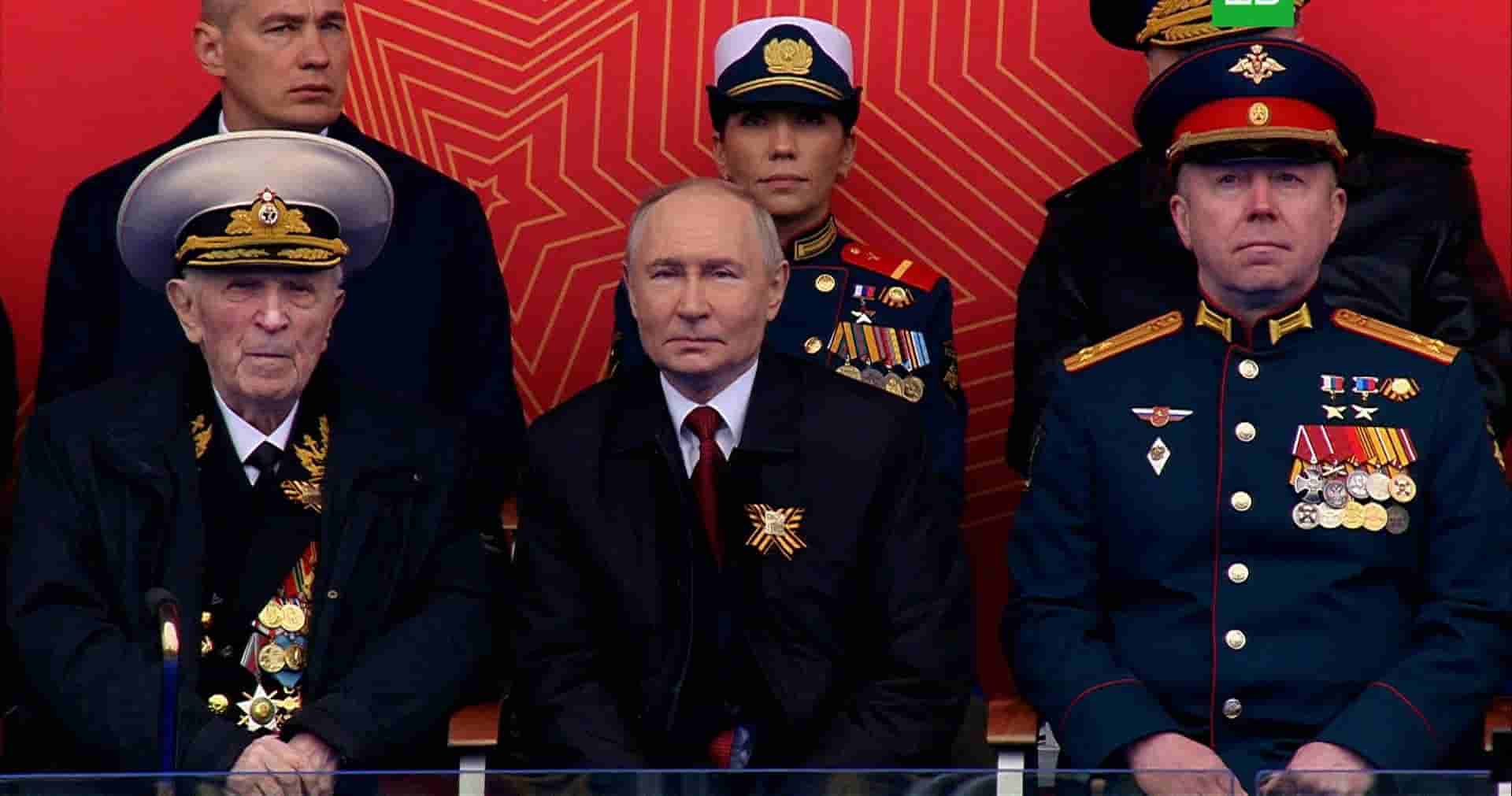
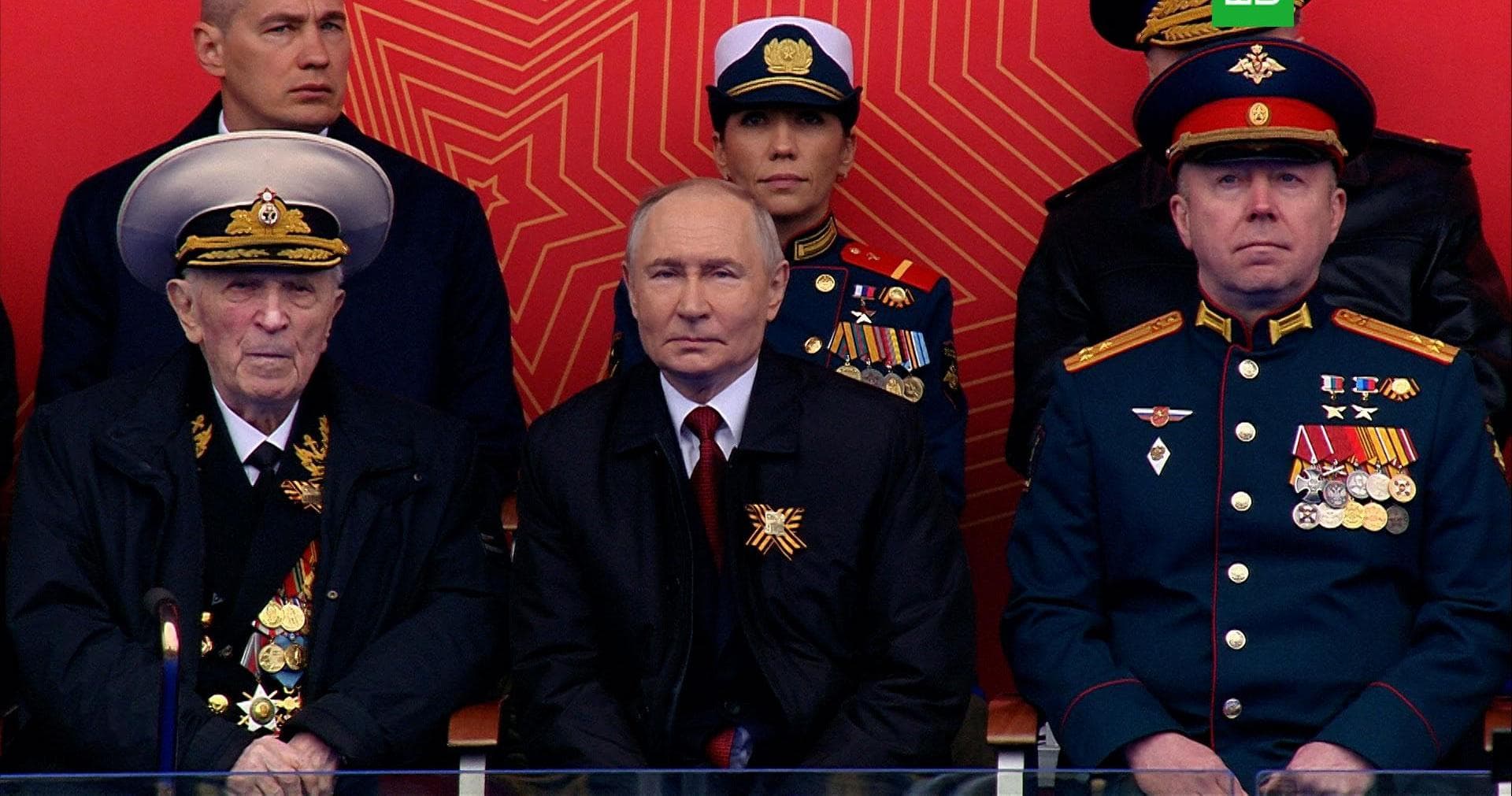
Russian President Putin's visit to Beijing drew attention as it followed the meeting between the Chinese President and US President Trump. The visit provided important clues about the current state of Russia-China relations. Russia is increasingly becoming a less valuable partner compared to China. The failure to reach an agreement on the Power of Siberia 2 project symbolizes Moscow's general problems in the energy sector. While China has alternatives despite the upcoming energy shock, Russia's need for foreign exchange and tax revenues is increasing. The increase in Ukraine's long-range attack capabilities is shifting the balance on the battlefield in favor of Ukraine and making it difficult for Russia to prepare a new offensive. Although China will continue to sell products necessary for the war, it has its own priorities and a strong bargaining position with the US. Due to decreasing stocks in energy markets, price risks are increasing. Sudden rises in oil prices are expected especially if the Strait of Hormuz is closed. Russia's economic problems cannot be solved through exports; investment, consumption, and productivity increases are needed for growth. Despite a 40% increase in oil and gas revenues in May, the overall economic outlook is negative. Although agricultural exports to China have increased, inflation and high interest rates are affecting Russian consumers. Logistic constraints and rising transportation costs are pushing prices up. China's economic security strategy and superiority in clean technology provide an advantage in this crisis environment. China has the largest crude oil stocks worldwide and electric vehicle sales are rapidly increasing. China's green technology exports are particularly in demand in low-income markets. These structural changes reduce the need for a deeper partnership with Russia. China is prepared for worst-case scenarios and price increases are expected when it returns to buying oil from the markets. The lack of a meaningful agreement from the Beijing visit revealed the challenges facing the Russian economy. The Russian economy faces a recession risk and low inflation means wage increases have stopped. Private sector demand is falling, and housing sales are declining. The expectation that Russia would benefit greatly from the Gulf crisis was not confirmed during the Beijing visit. The magnitude of the energy crisis did not change China's approach. It seems difficult for Russia to use high oil prices as a bargaining power.