- BIST10011,843+1.51%
- USD50.26+0.06%
- EUR55.74-0.44%
- GOLD3,876.00-0.24%
- INTEREST36.00%-1.00
- BITCOIN68,843-3.54%
- November 14, 202619°
- BIST10011,843+1.51%
- USD50.26+0.06%
- EUR55.74-0.44%
- GOLD3,876.00-0.24%
- INTEREST36.00%-1.00
- BITCOIN68,843-3.54%
- November 14, 202619°
Bundestag authorizes BND to sabotage and disable servers abroad
A total of 309 lawmakers backed a reform that, for the first time, gives Germany’s intelligence and counterintelligence agencies operational powers. Friedrich Merz’s coalition justifies the measure by citing threats from the intelligence services of Russia, China and Iran.

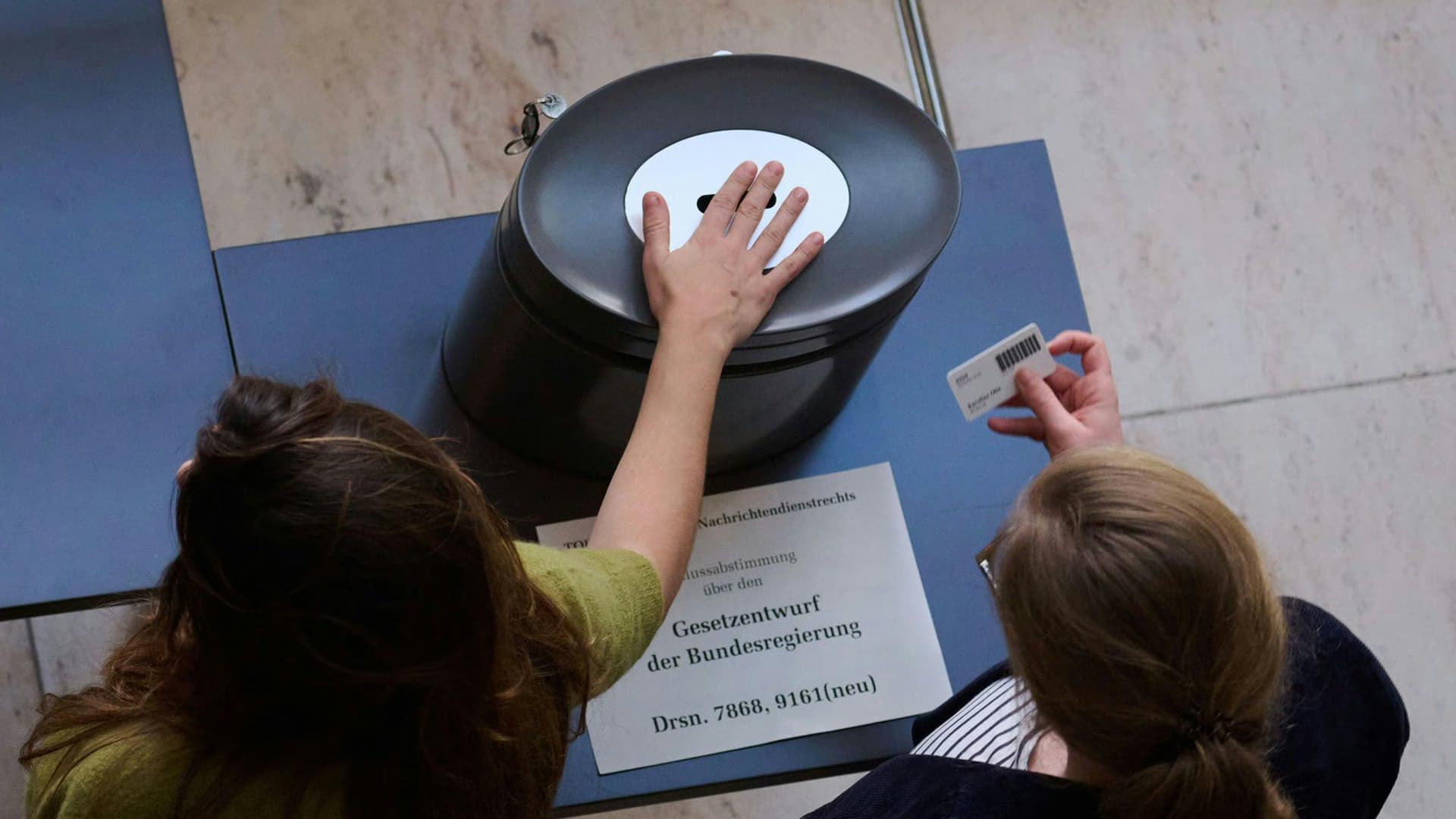
The Bundestag approved a sweeping reform of Germany’s intelligence legislation on Friday. The Federal Intelligence Service (BND) and the Federal Office for the Protection of the Constitution (BfV) will, for the first time, be authorized not only to gather information but also to take action: hack foreign IT systems, disable servers and, in some cases, carry out sabotage abroad. The bill was supported by 309 lawmakers, while 190 voted against it and 71 abstained.
Chancellor Friedrich Merz’s governing coalition of the CDU/CSU and the SPD says the reform is justified by growing threats from foreign intelligence services, above all those of Russia, China and Iran, German public broadcaster ARD reports. Berlin also wants to become less dependent on intelligence supplied by allied agencies.

What the BND is now authorized to do
The foreign intelligence service will be able to conduct so-called hackbacks abroad: infiltrate foreign computer systems, disable servers, and alter or delete data. As TASS notes, the BND will be able to disable servers operated by hackers whom the service assesses to be acting with the support of foreign states. In some cases, sabotage will also be permitted, such as disabling hostile weapons systems.
Under strict conditions, the BfV counterintelligence agency will be able to secretly enter apartments to install surveillance software, interfere with the operation of devices, or neutralize weapons and explosives. The agency will also receive broader powers to intercept encrypted communications and analyze data using artificial intelligence. Arrests and overt searches will remain the responsibility of the police, while the intelligence services will be prohibited from using force against people.
“Germany is an operational space for foreign powers”
Interior Minister Alexander Dobrindt called the bill the “reform of the century.” “We are a target of hybrid threats. Germany is an operational space for terrorism, extremism and foreign powers,” he said in the Bundestag. The minister cited sabotage on the railways, cyberattacks on hospitals and an attack on Berlin’s energy supply system as examples.

Until now, German intelligence agencies had largely been limited to gathering information: after the experience of the Nazi era, the Federal Republic of Germany strictly separated intelligence services from the police. Active measures will now generally have to be approved in advance by the Independent Control Council, whose membership is being expanded from six to 12. In emergencies, a review may take place after the fact.
The opposition criticized the bill. Alice Weidel, co-leader of the Alternative for Germany parliamentary group, called it “an attack on the German rule of law.” Left Party security affairs spokesperson Clara Bünger compared the bill to a “monster” that could unleash forces that could not later be eliminated. The document will now be sent to the Bundesrat, while its opponents are expected to challenge the law before the Federal Constitutional Court.
Photo: dpa, Tagesspiegel, AFP
Stay Updated with RuskiGazeta
Subscribe to be informed about special news, developments and announcements. We will keep you informed.
By signing up, you agree to our Privacy Policy