- BIST10011,131-3.02%
- USD50.47+0.05%
- EUR55.46+0.20%
- GOLD3,539.00-3.98%
- INTEREST36.00%-1.00
- BITCOIN59,050-4.61%
- November 21, 202616°
- BIST10011,131-3.02%
- USD50.47+0.05%
- EUR55.46+0.20%
- GOLD3,539.00-3.98%
- INTEREST36.00%-1.00
- BITCOIN59,050-4.61%
- November 21, 202616°
Berlin calls Rome's observer-only GCAP offer 'unacceptable'
Germany, left without the Franco-German FCAS fighter, expected to join the British-Italian-Japanese GCAP program on an equal footing. According to the Financial Times, Italian Defense Minister Guido Crosetto offered Berlin observer status only, as granted to Canada.
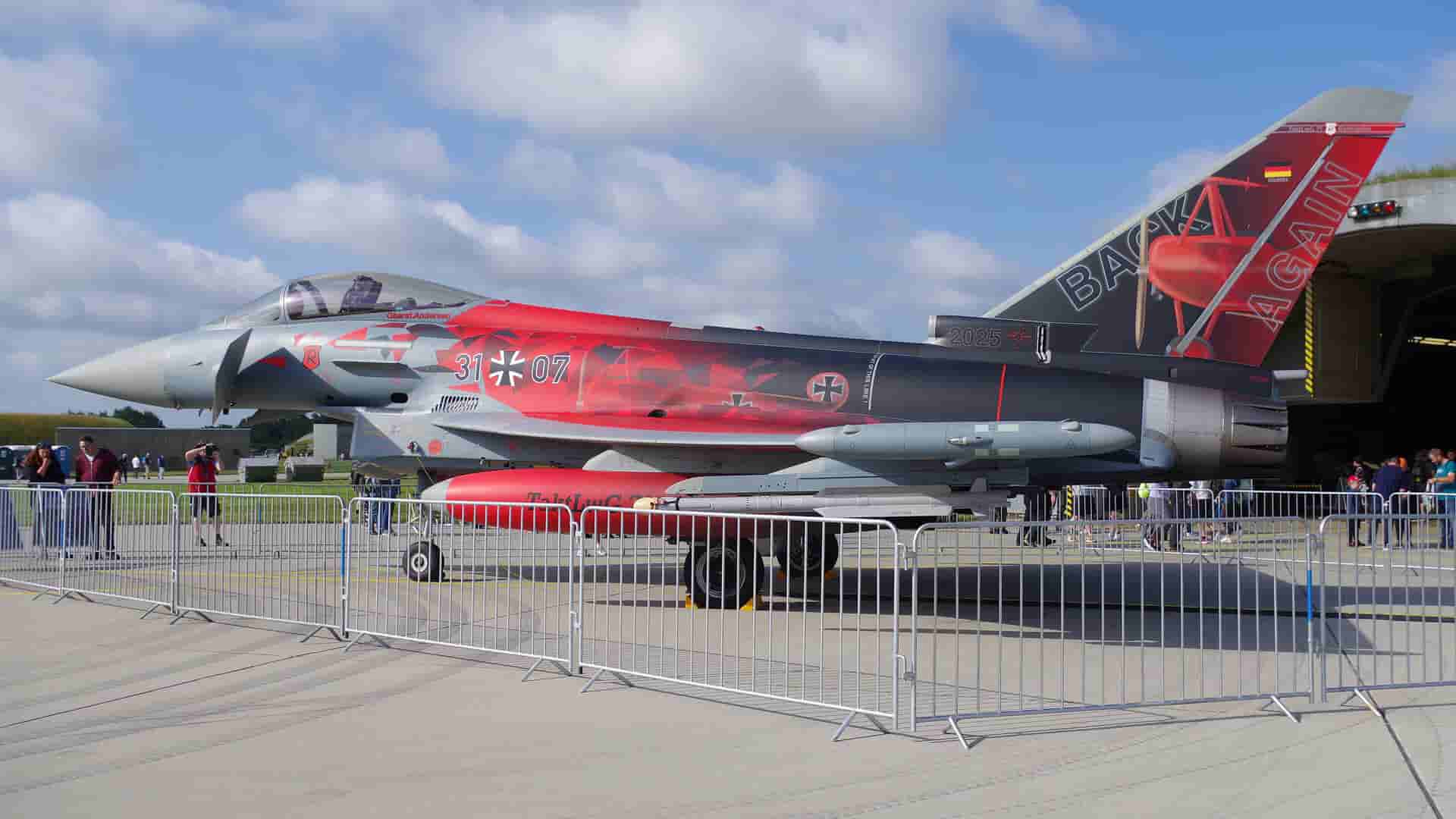
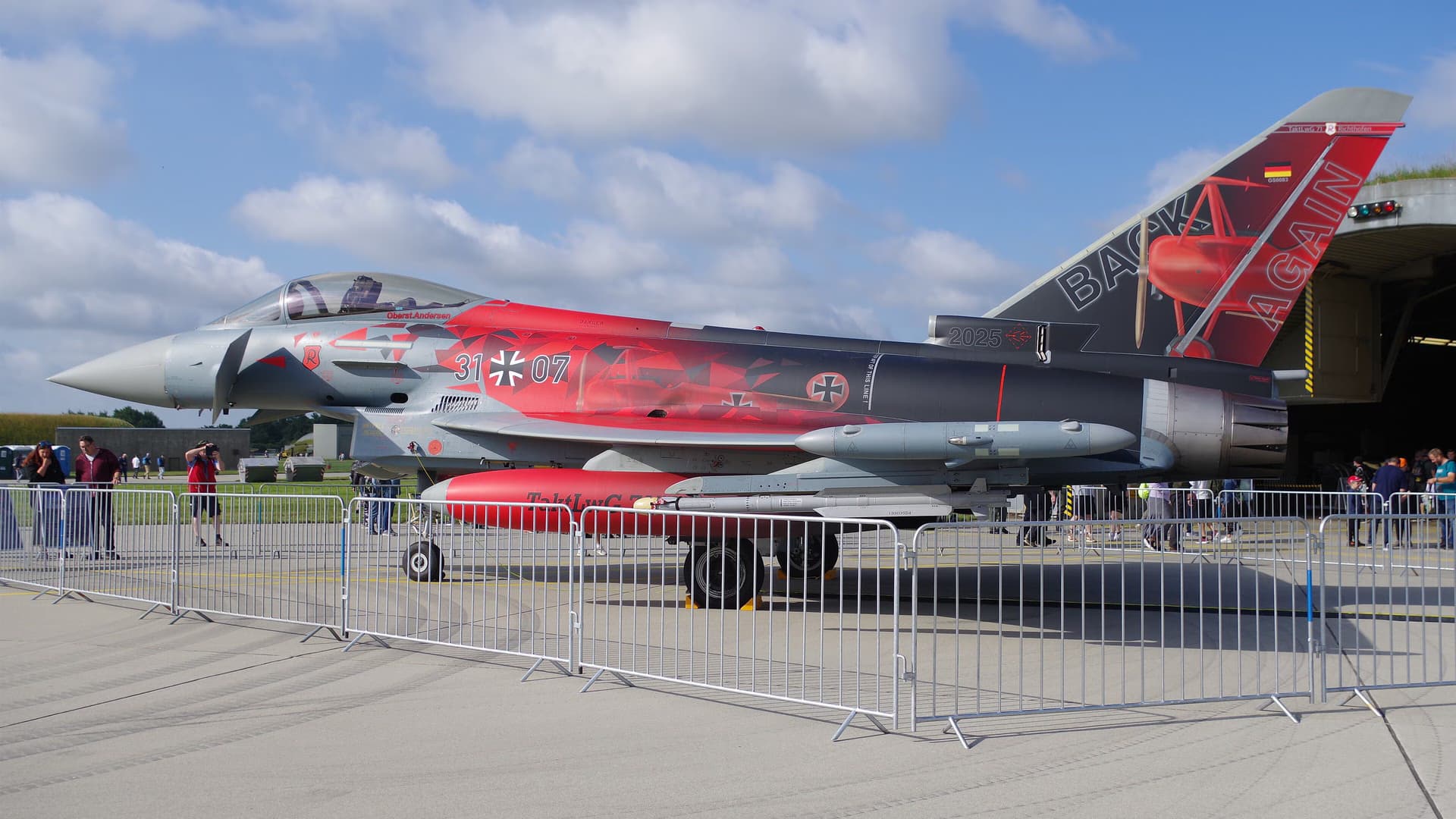
Germany's search for a new fighter has encountered resistance from Italy. The Financial Times, citing three sources, reports that Italian Defense Minister Guido Crosetto strongly opposed Germany receiving equal rights in the Global Combat Air Programme (GCAP) during an online meeting with his British and Japanese counterparts this week.
Instead, Rome offered Berlin observer status, the same status granted to Canada. It does not give Germany the right to participate in designing and developing the aircraft. A German official called the offer “unacceptable,” and the FT assessed that Germany will almost certainly reject it.
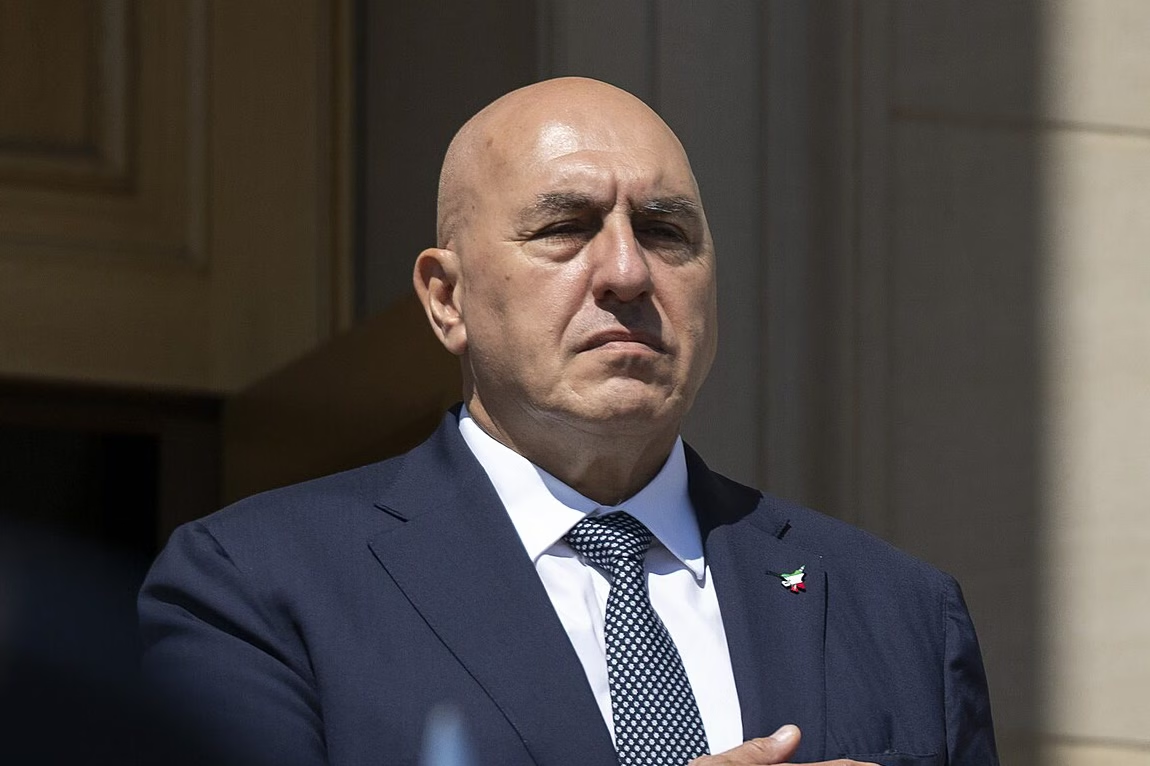
“Italy confirmed its readiness to accept Germany, but to speed up the process, it was proposed that Germany become an observer,” an Italian government representative told the newspaper. According to the FT, Tokyo shares Rome's concerns: both countries fear that a new partner could slow an already difficult program and that German companies, including Airbus, could take some of the orders away from their aircraft manufacturers.
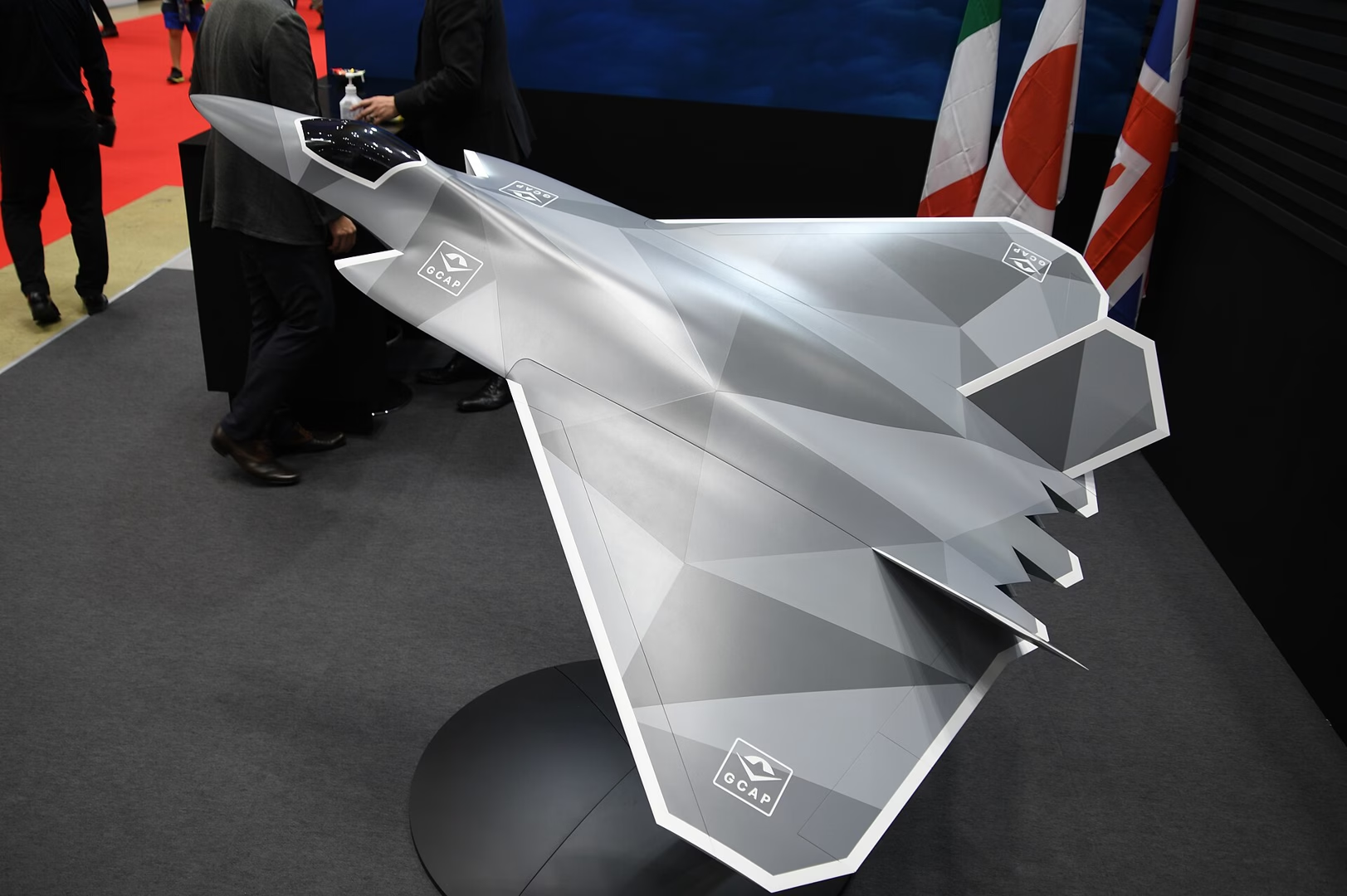
What is GCAP?
GCAP is a joint project of the United Kingdom, Italy and Japan that began in 2022. Its goal is to develop a stealth sixth-generation fighter that will allow the three countries to become less dependent on American aircraft. The first aircraft are expected to appear by 2035. In July 2026, Canada joined the program as its first observer.
Germany's interest in GCAP intensified after its FCAS program with France, worth about €100 billion, finally collapsed in June. The parties failed to agree on the division of work. Last month, British Prime Minister Andy Burnham said during a visit to Berlin that he was open to Germany's participation, which, according to the FT, alarmed Rome and Tokyo.
Berlin's conditions
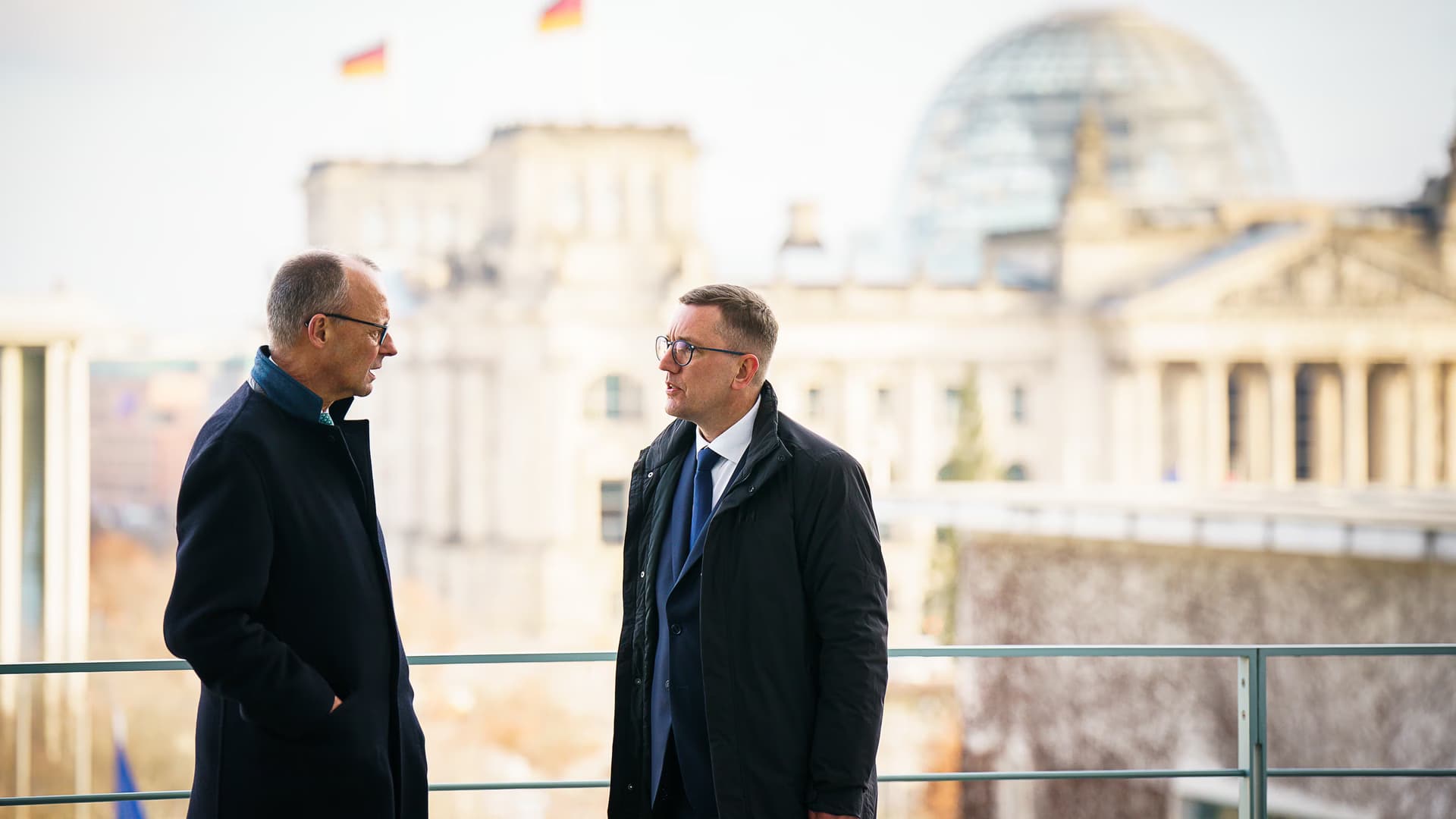
Germany, which has the largest defense budget among EU countries, is prepared to invest in GCAP only in exchange for a substantial share of the work for its industry. Defense Minister Boris Pistorius said this week that the decision would depend on whether there was “a reasonable balance between the share of work, the timeline and Germany's share of the costs.” On November 2, he stressed that the new aircraft must be ready by the beginning of the 2040s regardless of the outcome of the negotiations.
At the same time, Berlin is studying an option for cooperation with Sweden and the Saab group together with Spain. Pistorius wants to make a final decision by the end of March.
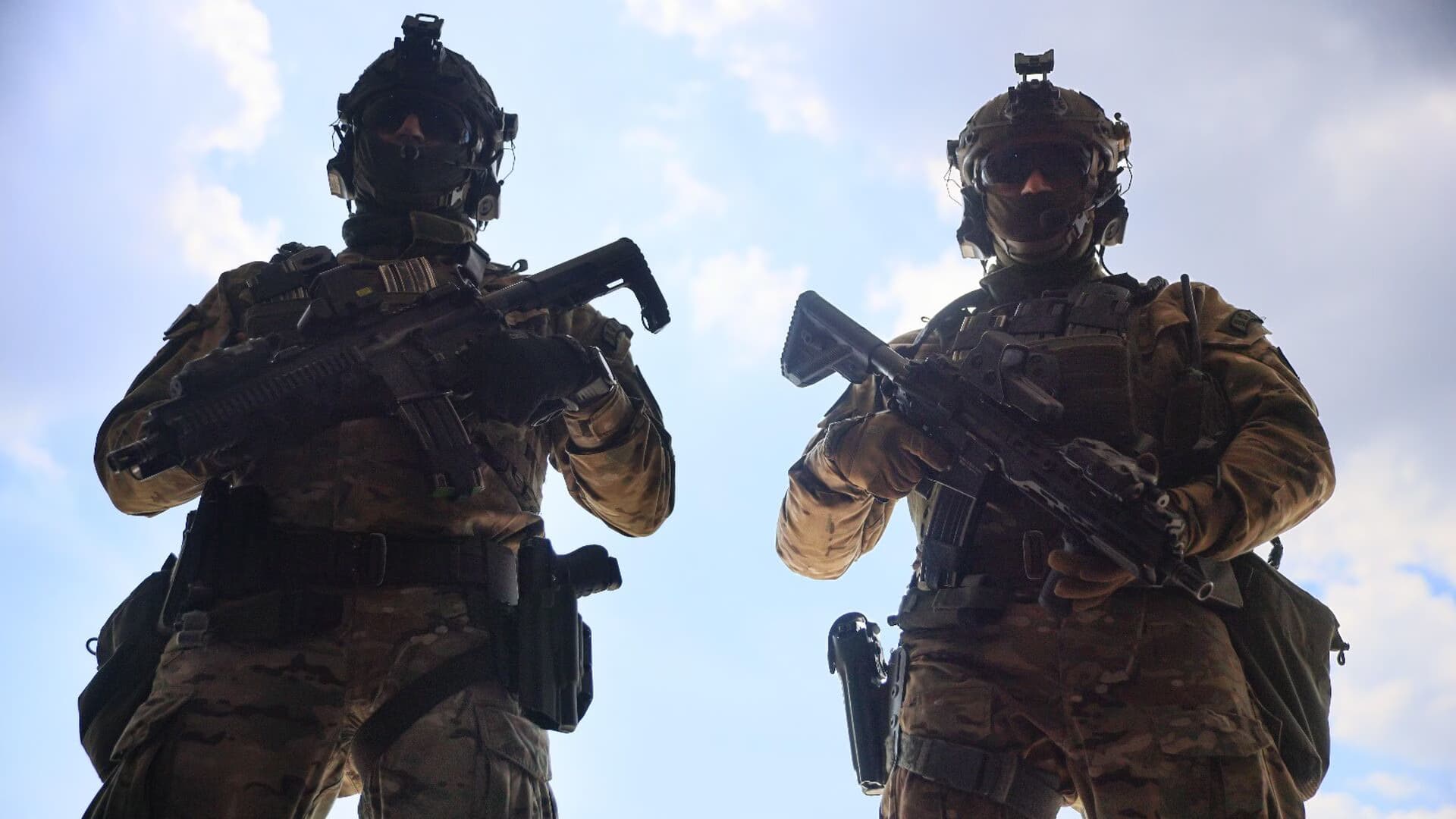
Photo: Wikimedia Commons, U.S. Department of Defense
Stay Updated with RuskiGazeta
Subscribe to be informed about special news, developments and announcements. We will keep you informed.
By signing up, you agree to our Privacy Policy