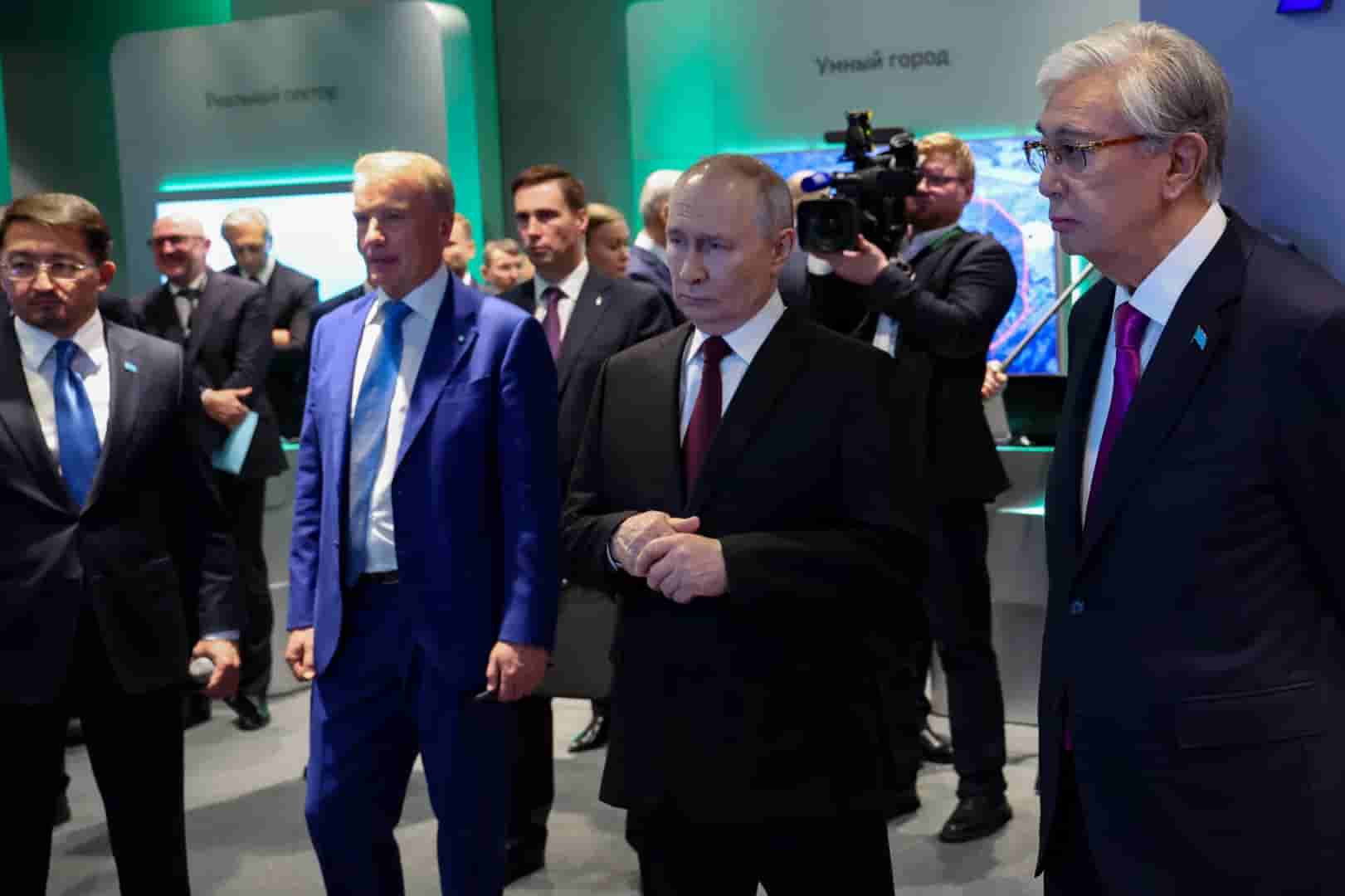
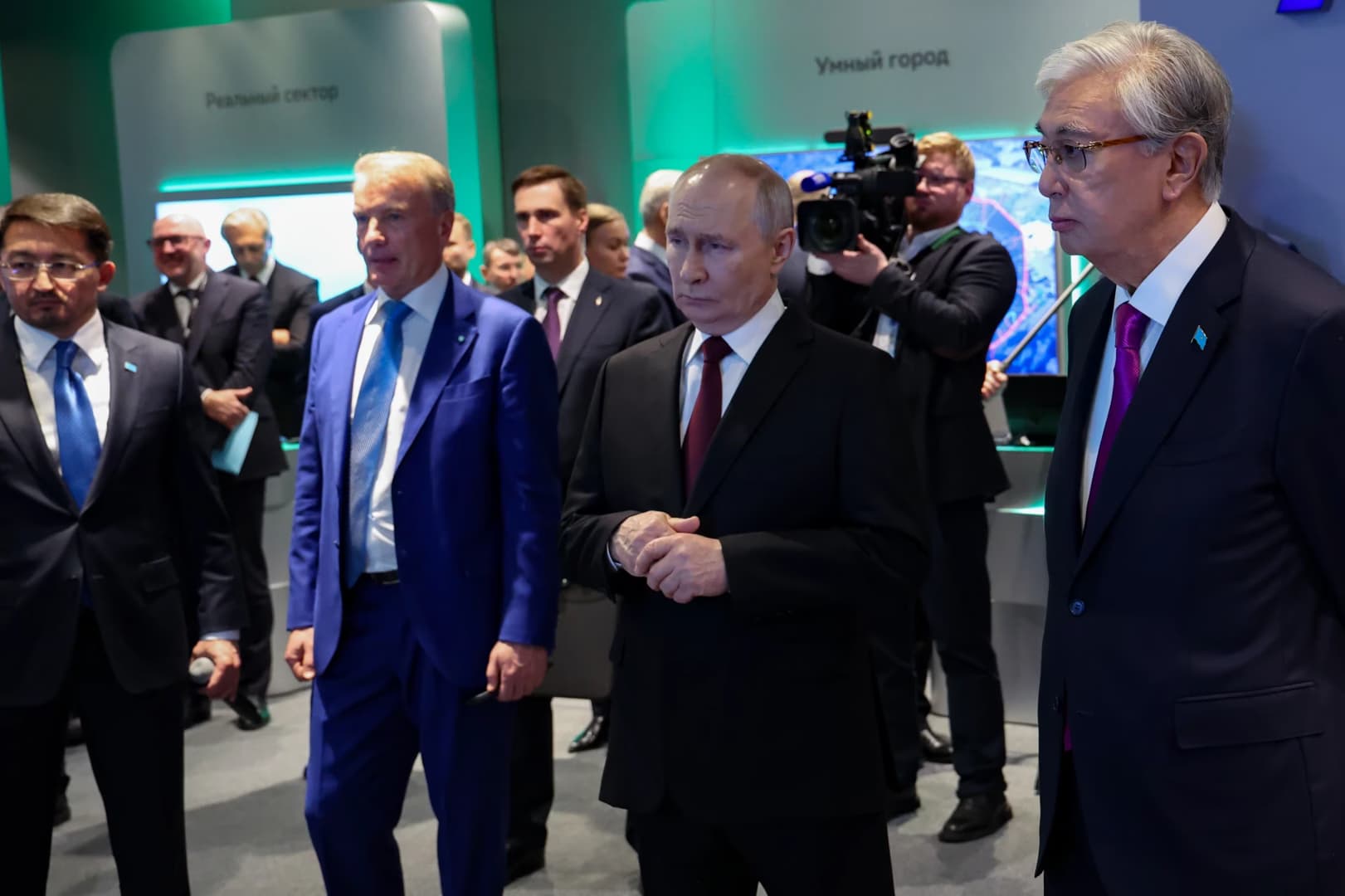
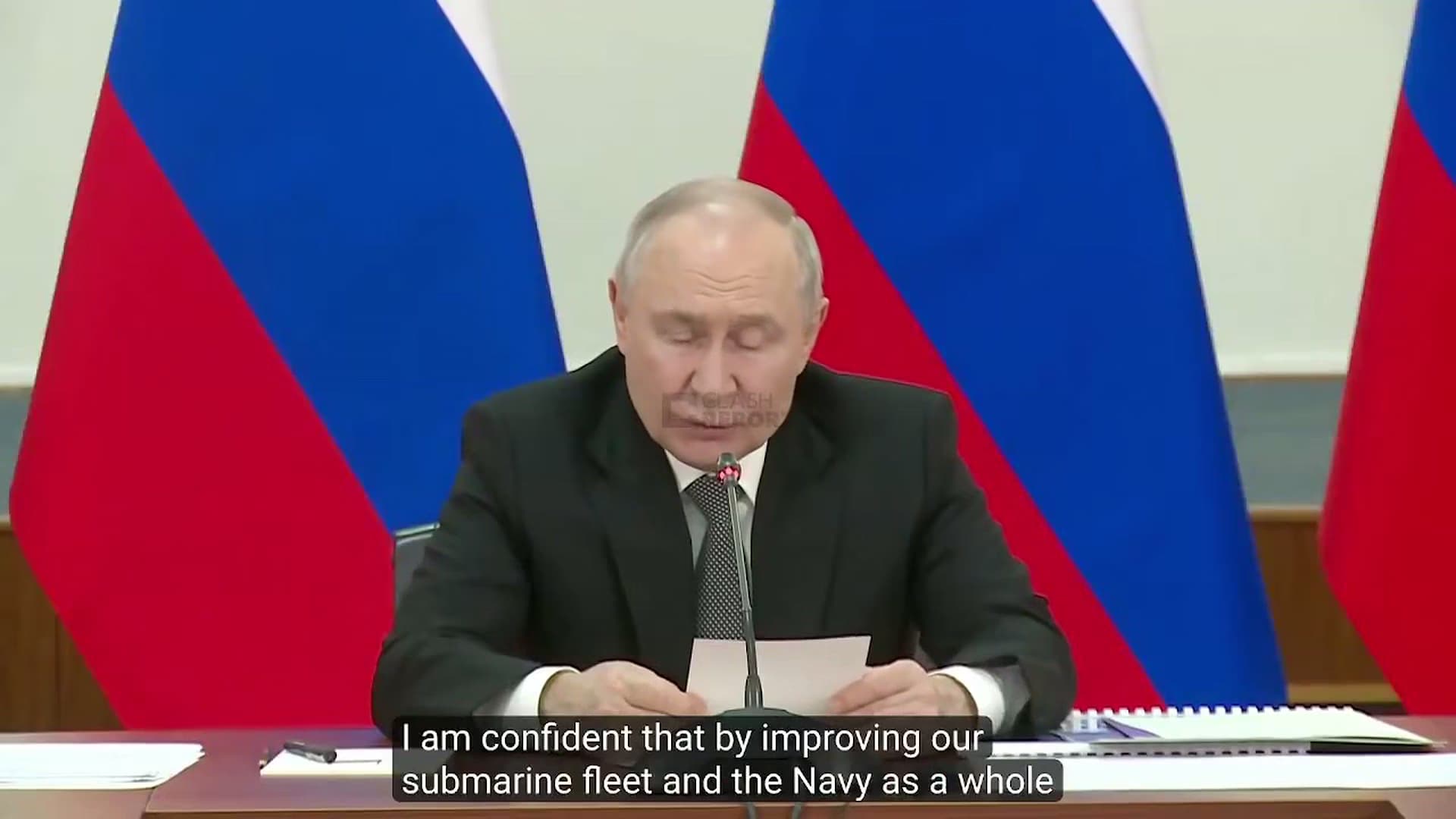
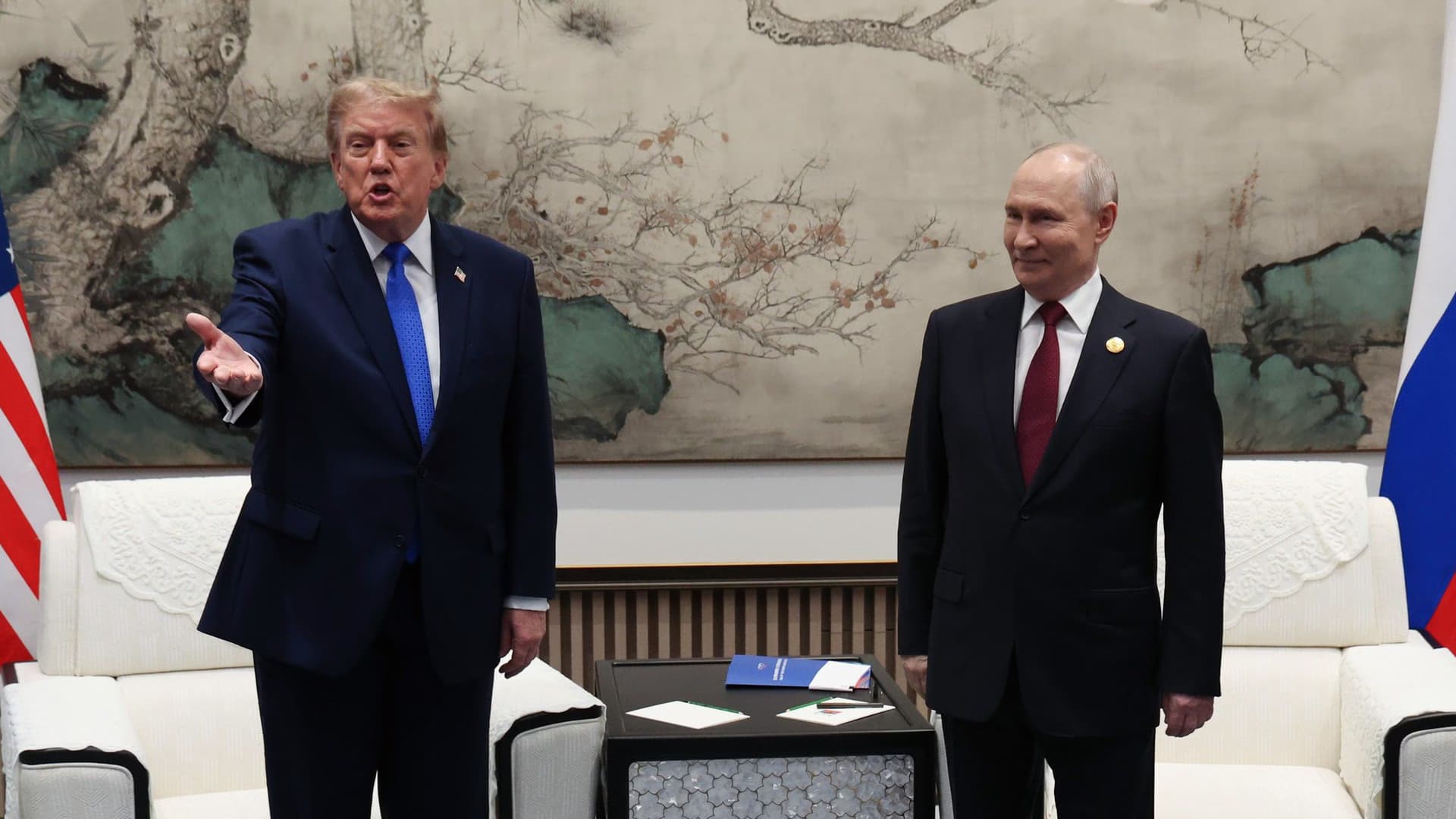
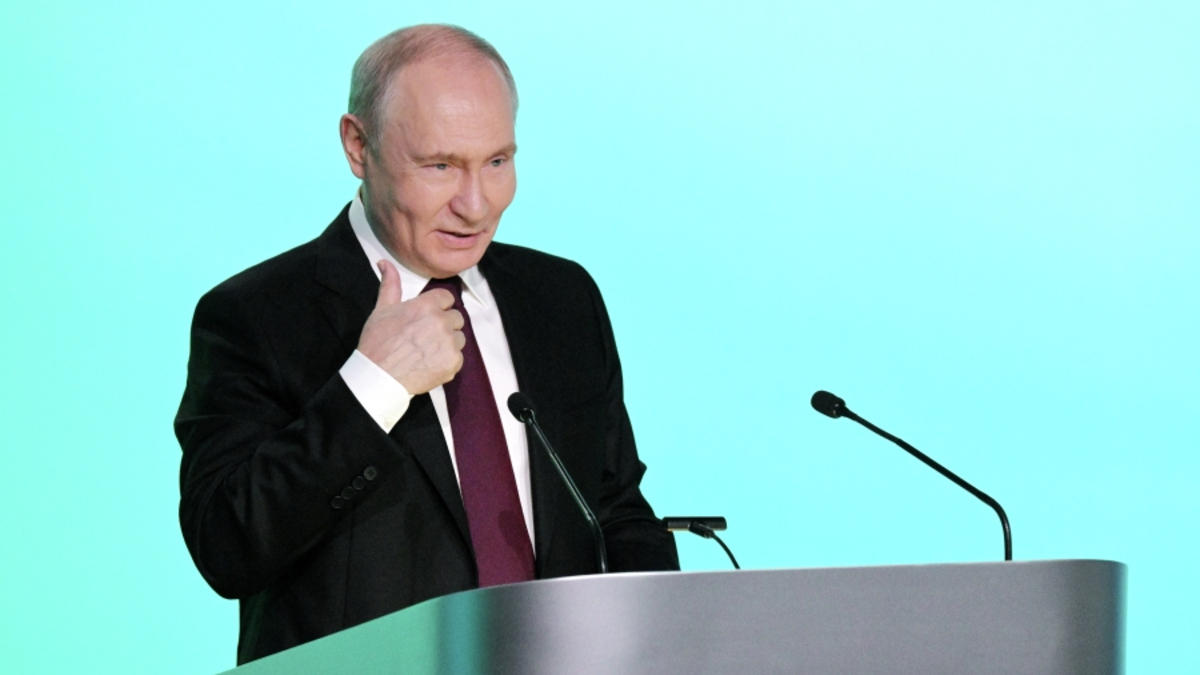
Russian President Vladimir Putin and Kazakh President Kassym-Jomart Tokayev took part in the plenary session of the 11th International Conference “Journey into the World of Artificial Intelligence” (AI Journey) in Moscow.
Putin proposed updating the National Artificial Intelligence Development Strategy to cover the period through 2036 and approving a national action plan in this area. He said that developing advanced solutions alone would not be enough to secure leading positions: the key task was to build effective cooperation between humans and autonomous systems, which would require restructuring management and production processes, the economy and the social sphere.
Putin recalled that almost 10 years ago he had said that the country achieving leadership in artificial intelligence development would become the “master of the world.” He said the situation had changed fundamentally since then: simply possessing even the latest-generation AI no longer guaranteed technological superiority or sustainable long-term development.
Sovereign models and smartphone choice
The president said Russia was relying on sovereign foundational models. “We must never allow anyone—or allow ourselves—to let these new technologies ever be used by anyone against the interests of our country,” Putin said. He recalled that at one point foreign partners had “simply left,” leaving enterprises in a difficult situation.
The president stressed that Russia must not again find itself in the situation it had already experienced, “when someone presses a button and everything simply stops working.”
Putin also proposed providing a window on smartphone screens where users could choose an AI model, including a domestic one. “Citizens will not be limited to a single available system,” he explained.
Shadow use of AI
Putin separately warned about the risks of the so-called shadow use of neural networks. He said that an increasing number of citizens, company employees and officials no longer wanted to work as they had before and were using artificial intelligence technologies for work-related tasks, even when such solutions had not been officially introduced in their organizations. The president noted that this shadow use, including of foreign models, posed risks to citizens’ personal data, trade secrets and businesses’ intellectual property.
At the same time, Putin stressed that researchers from Russian companies, scientific institutes and universities were among the world’s most cited scientists in the field of artificial intelligence. “Yes, some countries invest far more money in these technologies. But the intellectual capabilities of our specialists are absolutely competitive,” he said.
Data centers and nuclear power generation
The president called infrastructure one of the most important areas for AI development and proposed creating public-private partnership mechanisms that would enable data centers to be built and commissioned quickly and integrated into the systems of existing power plants. “This concerns the construction of data centers, the modernization of power grids, and the introduction of energy-efficient solutions and cooling systems. And, of course, we need to expand power generation capacity, including nuclear power generation, with large and small nuclear power plants—these technologies are our greatest competitive advantage,” Putin said.
The president also demanded that Russians be given a choice between domestic and foreign AI agents and that an independent framework for the entire digital economy be established.
Exhibition and the Kazakhstan-Sirius school
Before the plenary session began, Putin and Tokayev toured an exhibition dedicated to the implementation of AI technologies in Russia and Kazakhstan in education, healthcare, public administration, industry and transport. Elena Shmeleva, head of the Talent and Success educational foundation, told the leaders about the International Kazakhstan-Sirius School project in Astana and the Sirius Presidential Lyceum in Valdai.