Donald Trump’s attempt to create an "Anti-Weaponization Fund" for his political allies, potentially extending to figures connected to the January 6 attack, has collapsed for the time being following strong Republican opposition. The plan was seen as a resource to be distributed by Trump’s circle and was reportedly shut down by Todd Blanche, the acting head of the U.S. Department of Justice.
The document emphasizes that this fund initiative is not merely a financial plan but also part of Trump’s long-standing narrative that "the state has been weaponized against me." However, according to the text, the core allegations underpinning this narrative are not supported by official investigations.
Assessments on the Russia Investigation
Regarding the Russia investigation, one of Trump’s most targeted issues, previous official assessments have shown that the investigation was legitimately initiated and was not a political conspiracy. These include the 2019 Department of Justice Inspector General report, the bipartisan Senate Intelligence Committee reports published in 2020, and the final report by special counsel John Durham in 2023.
The document notes that while these reports criticized some investigative methods, they did not alter the conclusion that the Russia probe was neither a "hoax" nor a "witch hunt." It also recalls that the Senate report and special counsel Robert Mueller’s final report confirmed Moscow’s covert interference in the 2016 elections, partly aimed at helping Trump win.
The fact that serious indictments were brought against figures like Paul Manafort, Michael Flynn, George Papadopoulos, and Roger Stone during the investigation is presented as evidence of concrete legal outcomes rather than fabricated pressure. Trump’s subsequent pardoning of all these individuals is portrayed as a politicizing move.
Election and Document Cases Back in Focus
Trump’s second major grievance concerns federal investigations related to his efforts to overturn the 2020 election results and the classified documents he retained after leaving office. The document states that both investigations have legal grounds, noting that many Republicans who testified before the January 6 Committee said Trump took potentially criminal steps to remain in power.
The near conviction of Trump by the Senate’s bipartisan majority on impeachment charges is also mentioned in this context. According to the text, jury or judge rulings against Trump indicate the seriousness of the cases.
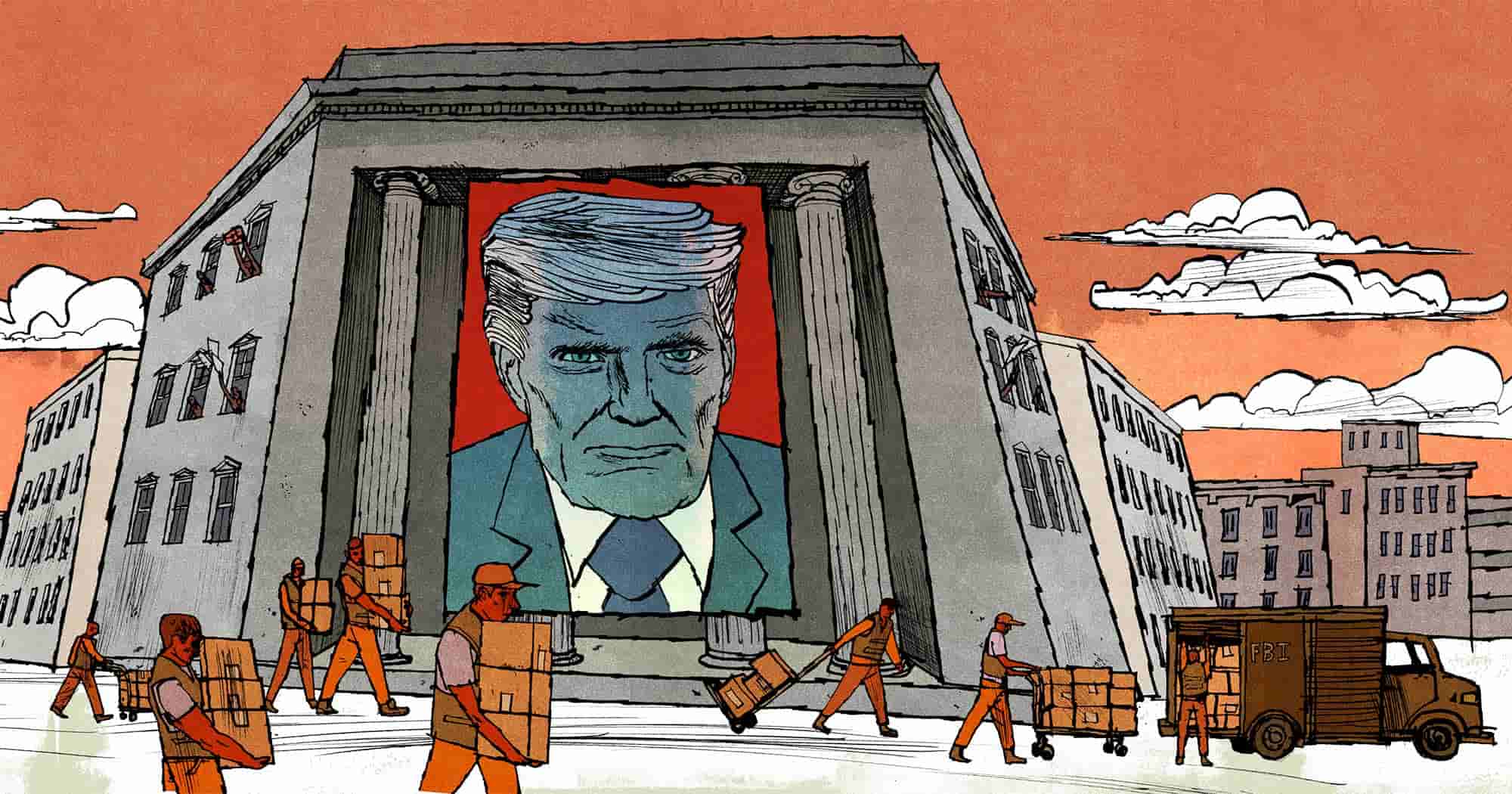
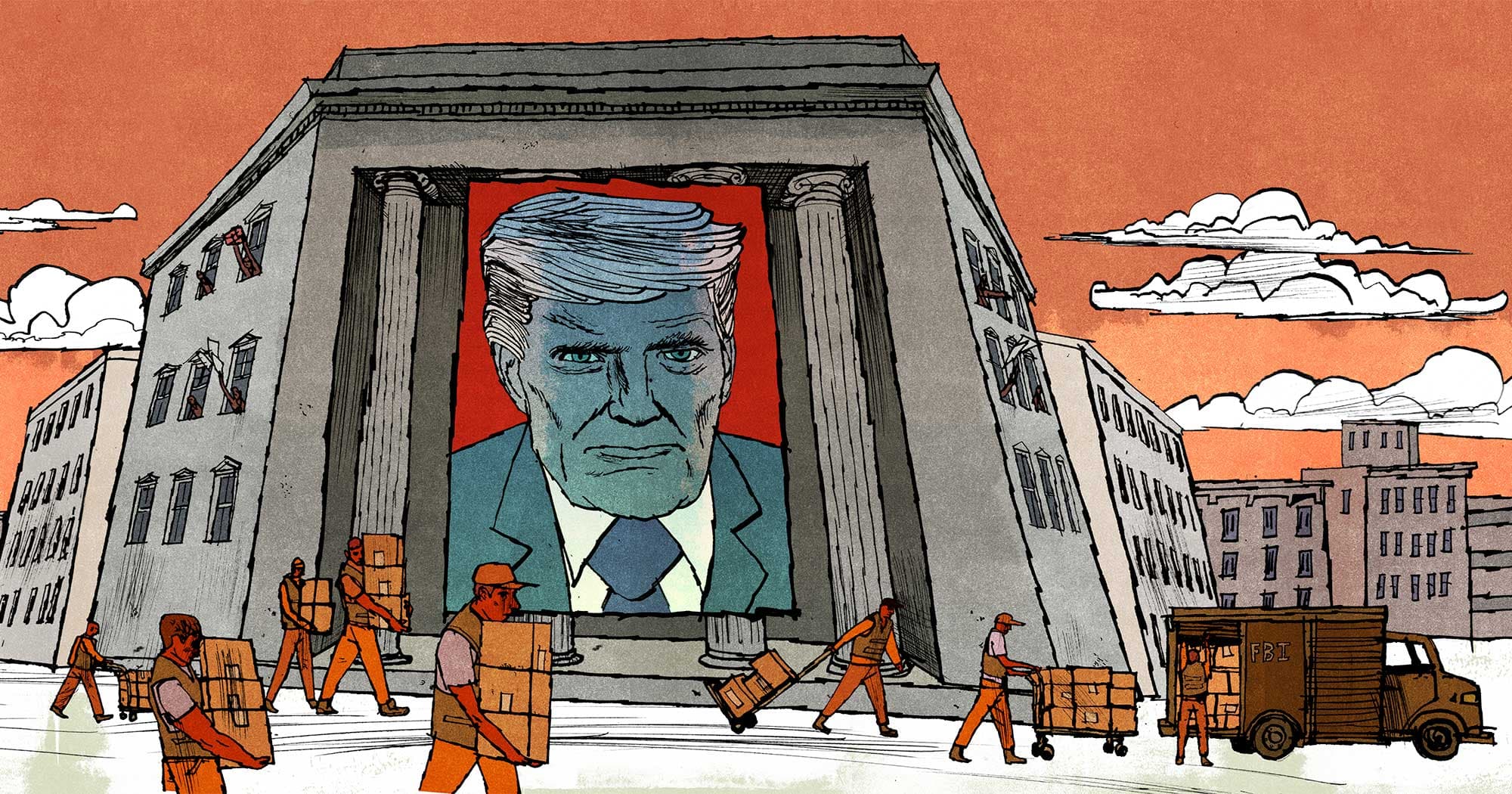
In the documents case, it is emphasized that the National Archives and the Department of Justice made efforts throughout 2021 and 2022 to retrieve documents from Trump, and if the documents had been returned, no prosecution would have been initiated. Nevertheless, Trump did not return some materials, and despite one of his lawyers certifying that all documents were returned, this was not accurate. The FBI raid on Mar-a-Lago uncovered 25 boxes of documents with the highest classification level.
The federal cases opened by Smith were closed when Trump won the 2024 election and due to the Department of Justice policy that a sitting president cannot be prosecuted for federal crimes. The document argues that this closure was due to legal rules related to the presidency, not the weakness of the cases.
New York Cases and MAGA Allegations
It is recalled that Trump is also fighting allegations of tax fraud and falsifying business records in New York. In cases related to hush money payments to Stormy Daniels, juries or judges have ruled against Trump.
The document also addresses MAGA claims that the federal government under Biden was weaponized against right-wing groups. It notes that an internal memo leaked from the FBI field office in Richmond, which viewed the "radical-traditionalist Catholic" ideology as a potential path to extremist violence, was withdrawn and was the work of a single young analyst, with no resulting investigation or prosecution.
Similarly, a memo requesting the Department of Justice to consult local authorities following complaints about protests at school board meetings did not lead to a broad operation against conservatives.
January 6 and New Debate on Use of Force
The harshest part of the document concerns the January 6 insurgents. It states that Trump and the MAGA circle portray convicted insurgents as victims of unjust prosecutions, a claim repeated on the White House website. The fund Trump sought to establish raised concerns because it could channel millions to these violent individuals.
The document argues that labeling these prosecutions as "weaponization of the state" is a major distortion. The events of January 6 happened in full view of everyone, and presenting the subsequent pursuit of justice as repression is described as an Orwellian inversion.
The final section focuses on Trump repositioning himself through victimhood politics. According to it, Trump and his circle try to legitimize their legal processes by claiming they are targeted by the Deep State; conversely, Trump is shown to have revealed how the state is truly used through new investigations he has triggered.