- BIST10010,977+2.18%
- USD50.70+0.04%
- EUR55.61+0.02%
- GOLD3,668.50+2.91%
- INTEREST36.00%-1.00
- BITCOIN59,175-0.25%
- November 29, 20269°
- BIST10010,977+2.18%
- USD50.70+0.04%
- EUR55.61+0.02%
- GOLD3,668.50+2.91%
- INTEREST36.00%-1.00
- BITCOIN59,175-0.25%
- November 29, 20269°
Scientists detect 25 radio signals and find hints of a planet beyond Neptune
Researchers searching for extraterrestrial intelligence detected 25 radio signals of unknown origin. In a separate study, scientists pointed to the possible existence of an undiscovered planet beyond Neptune with a mass 1.5–2 times greater than Earth’s.
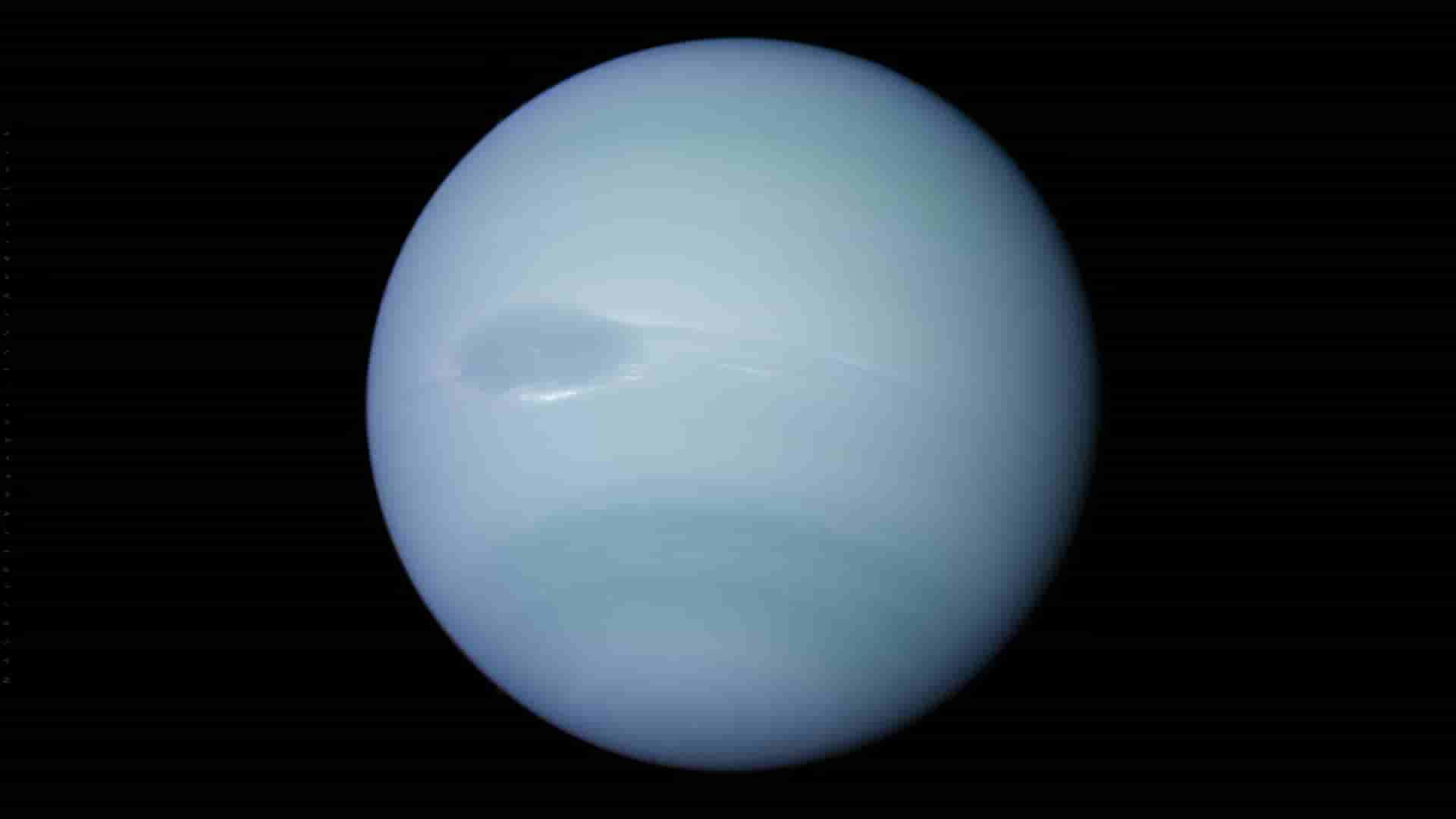
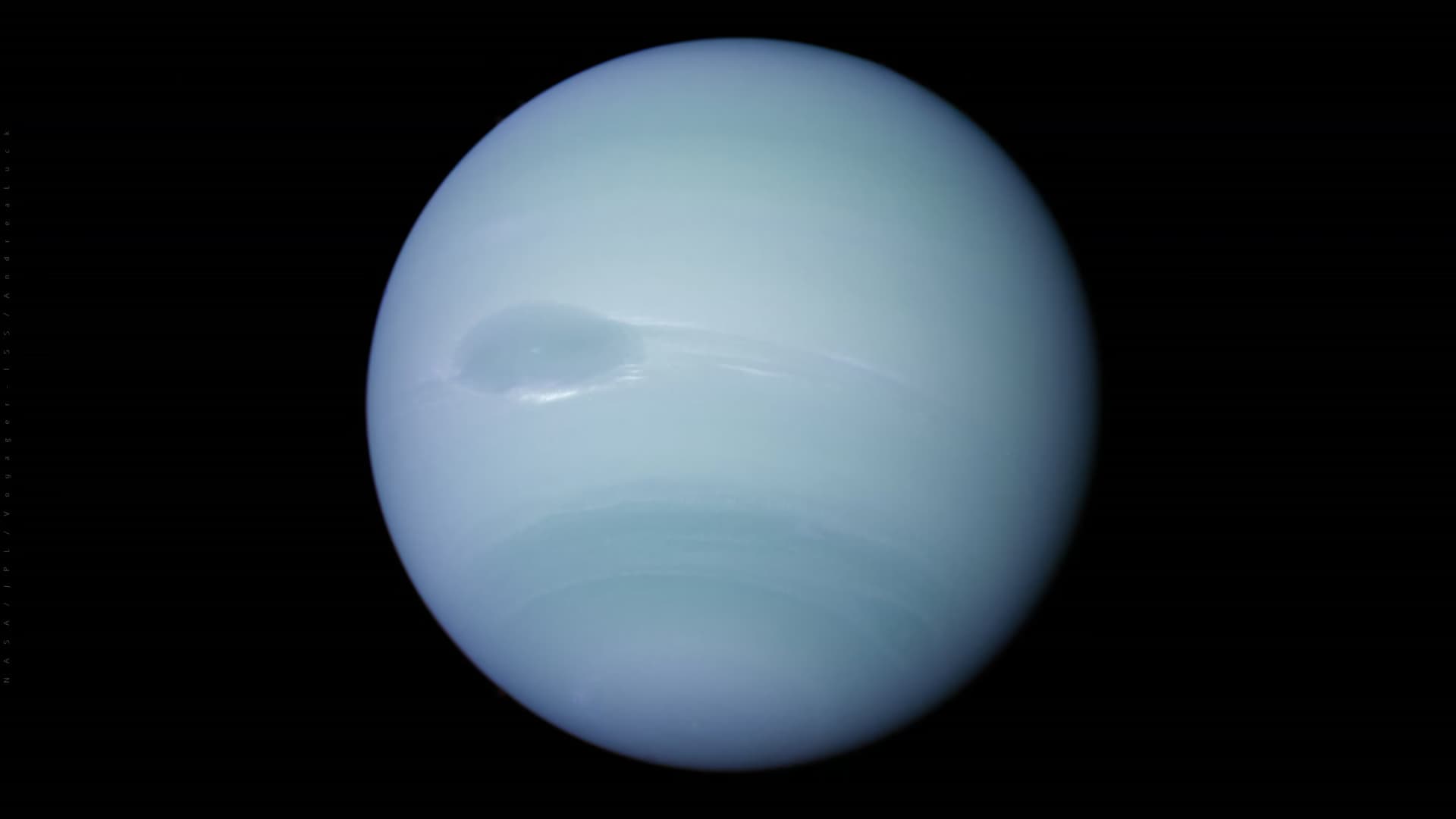
Two new studies have drawn the attention of the scientific community: scientists detected 25 radio signals whose source has not yet been identified, while new data also pointed to the possible existence of a hidden planet beyond Neptune’s orbit.
A team from the SETI Institute and the Breakthrough Listen project reported 25 “interesting signals” detected with the Allen Telescope Array radio telescope in Hat Creek, northern California. The telescope was built specifically to search for extraterrestrial intelligence.
The signals were narrowband radio tones whose frequency changed over time. They were brighter in the beam pointed at the target than in a second beam aimed in another direction. Scientists have not yet been able to determine their source.
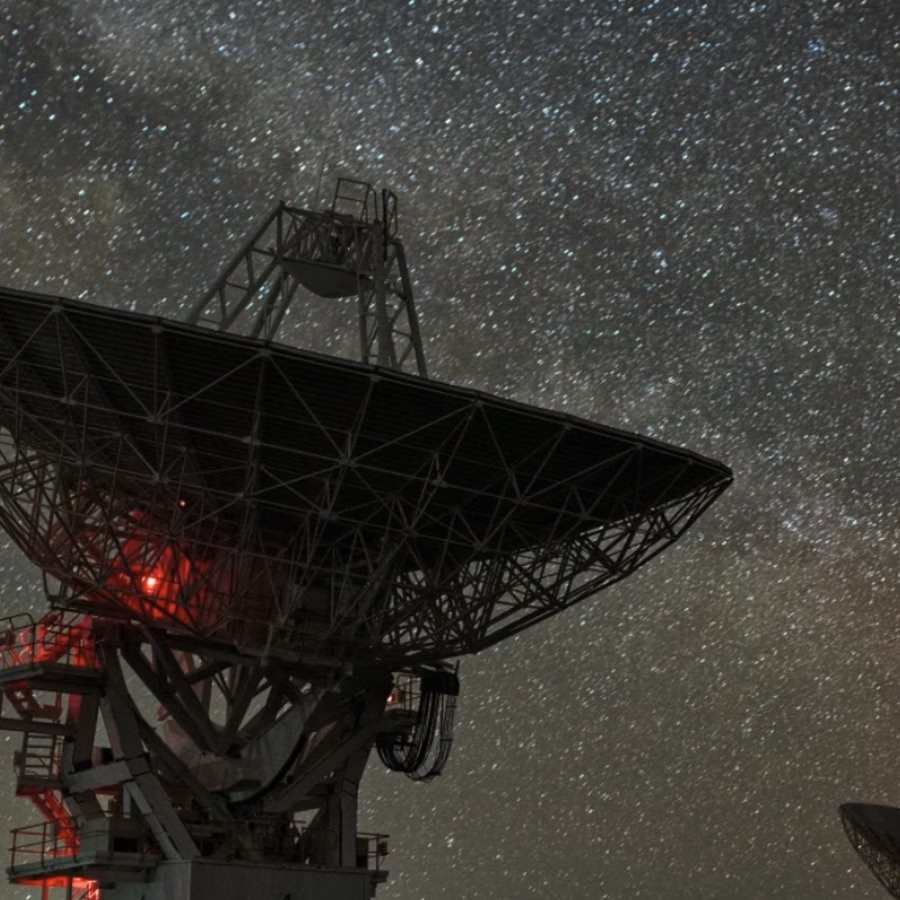
Signals from 10 points in the sky
The 25 signals were detected over seven nights from 10 different points in the sky and at 10 different frequencies. Fourteen came from the same area of the sky during a single observation session.
The telescope was pointed at the anti-solar point—the direction from which a distant civilization could observe Earth passing across the disk of the Sun. The campaign, launched in August 2024, became the largest in the telescope’s history; by the time of the interim report, it had covered 12% of the planned search area.
The researchers stressed that the signals are only candidates for further study, not evidence of intelligent life. Follow-up observations are planned for all 10 points.
“Planet X2” beyond Neptune
In a separate study published in the journal Monthly Notices of the Royal Astronomical Society, scientists from Japan’s Kindai University and Australia’s University of Southern Queensland modeled the 4.5-billion-year history of the Solar System. According to their findings, a hypothetical “Planet X2” with a mass 1.5–2 times that of Earth could explain the unusually elongated and tilted orbits of icy bodies beyond Neptune.
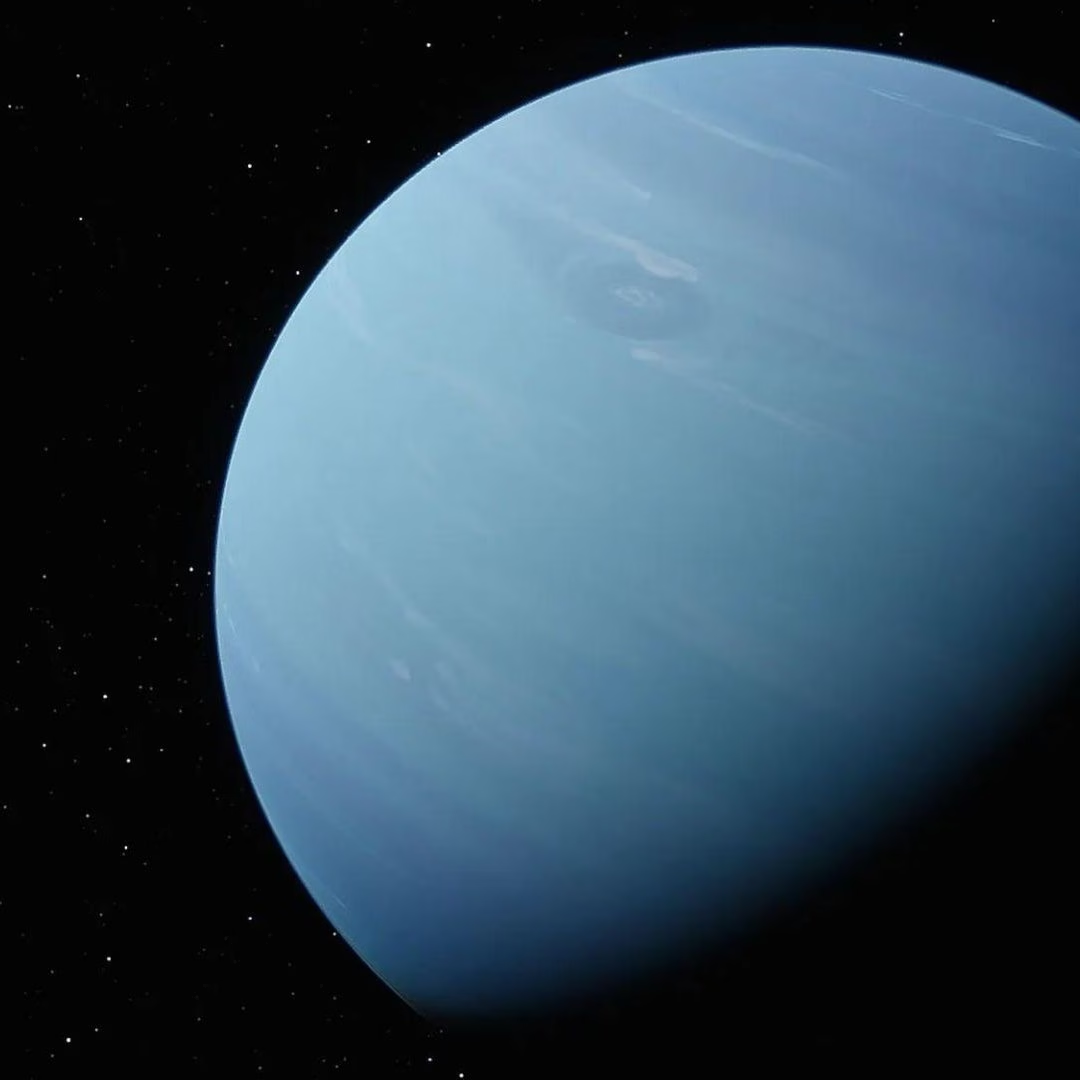
According to the model, the planet follows an elliptical orbit at an average distance of 350–500 astronomical units from the Sun and does not come closer than 200 AU. By comparison, Neptune is about 30 AU away.
The proposed planet is significantly smaller than the hypothetical “Planet Nine,” whose mass is estimated at 5–10 Earth masses. The authors stressed that “Planet X2” remains a hypothesis for now, and that the Vera C. Rubin Observatory’s sky survey will make it possible to test its existence.
Have a story, event or announcement of your own?Send us your news on WhatsApp
Spotted an error in this story?Report it on WhatsApp
Share on all social platforms
Sponsored Ads
Featured Listings
Loading featured properties...
Stay Updated with RuskiGazeta
Subscribe to be informed about special news, developments and announcements. We will keep you informed.
By signing up, you agree to our Privacy Policy