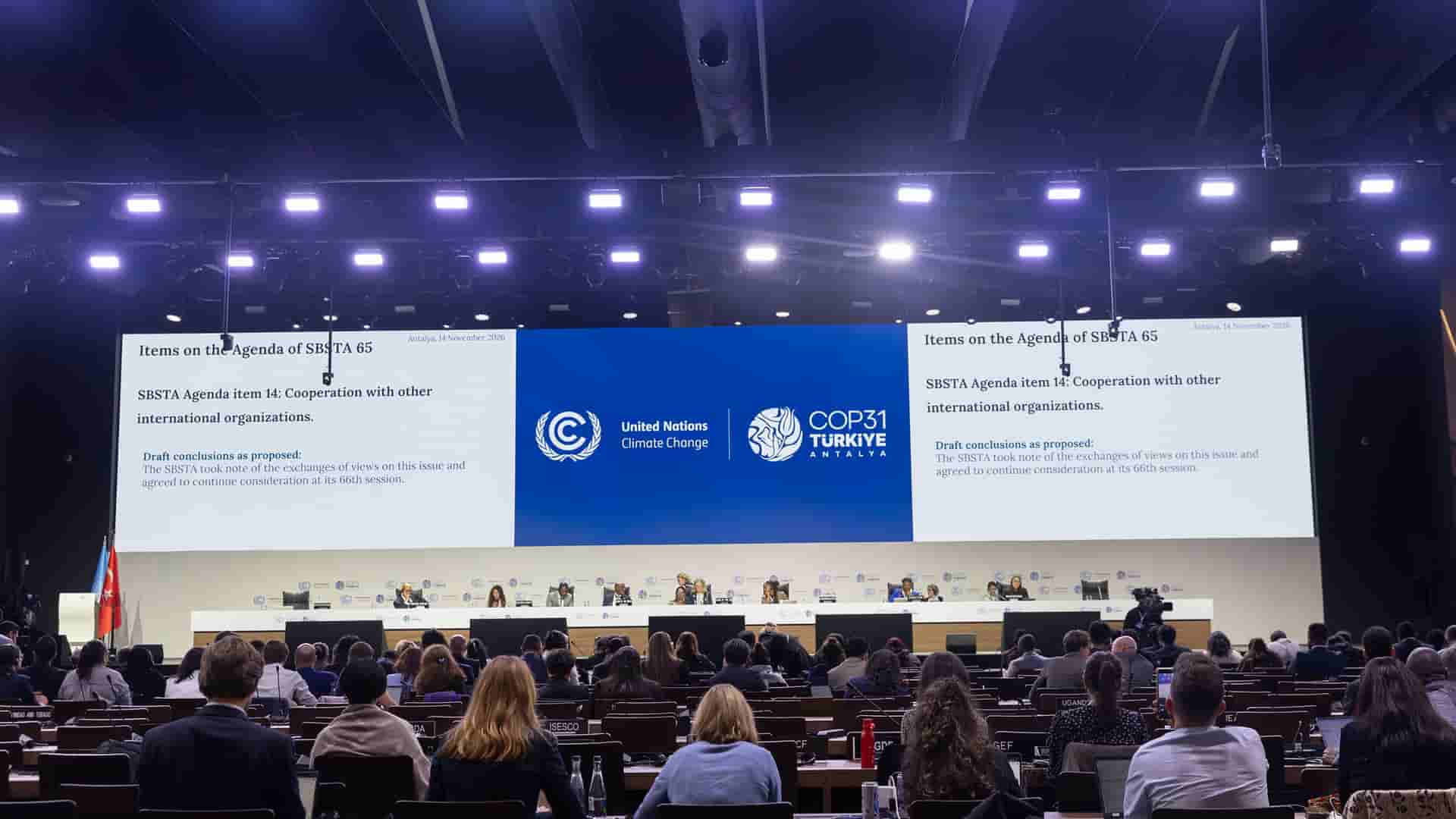
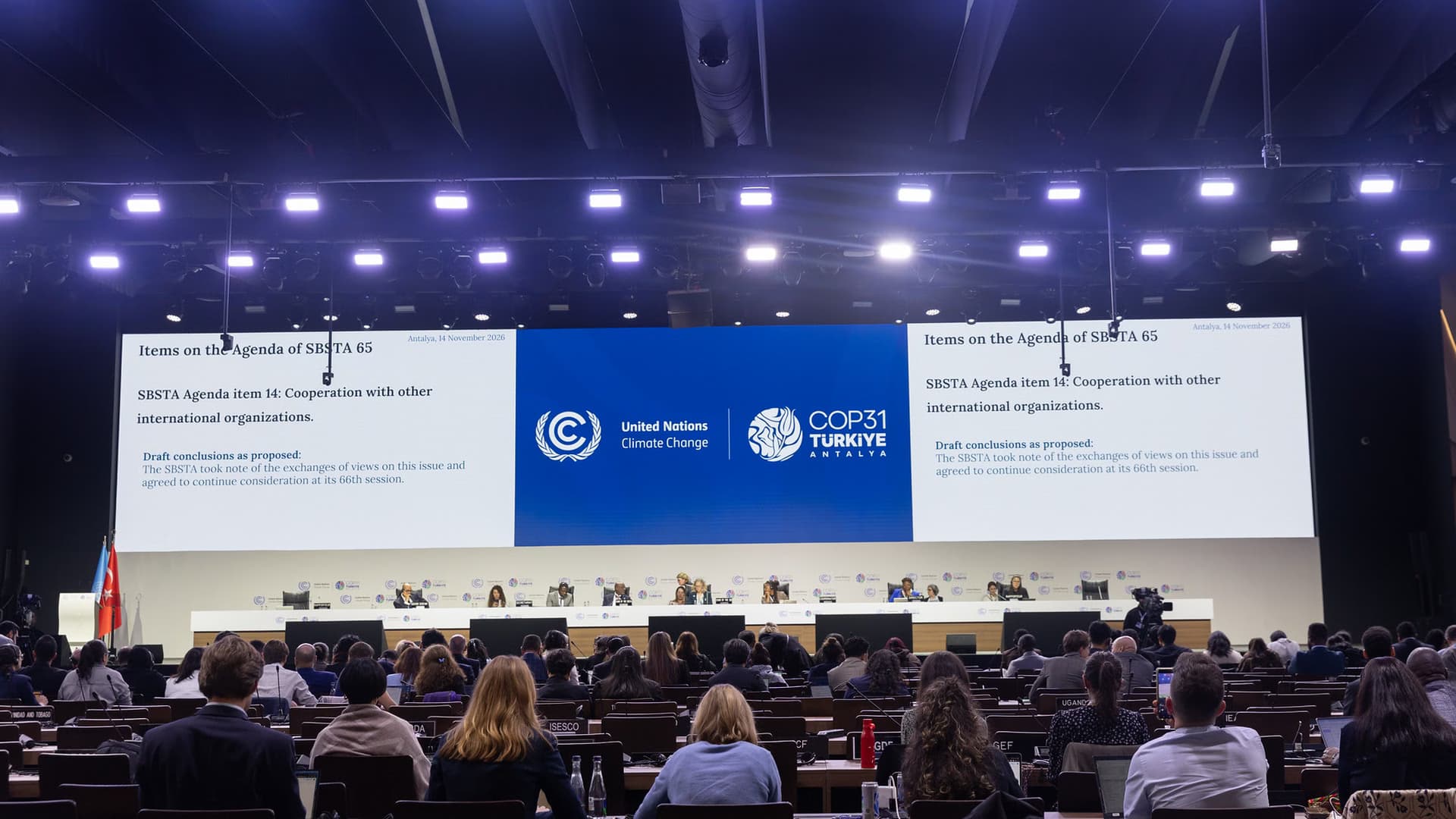
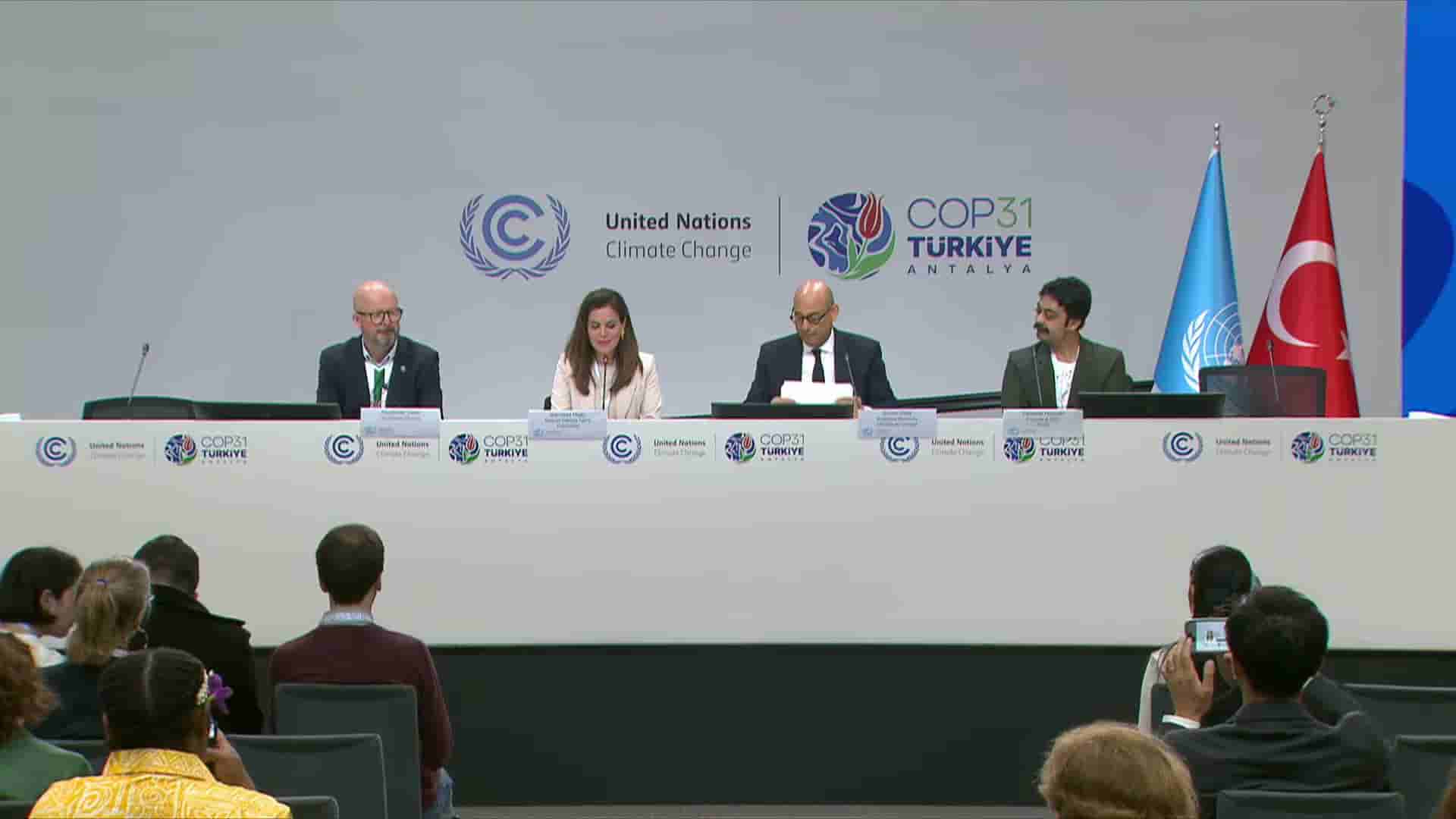
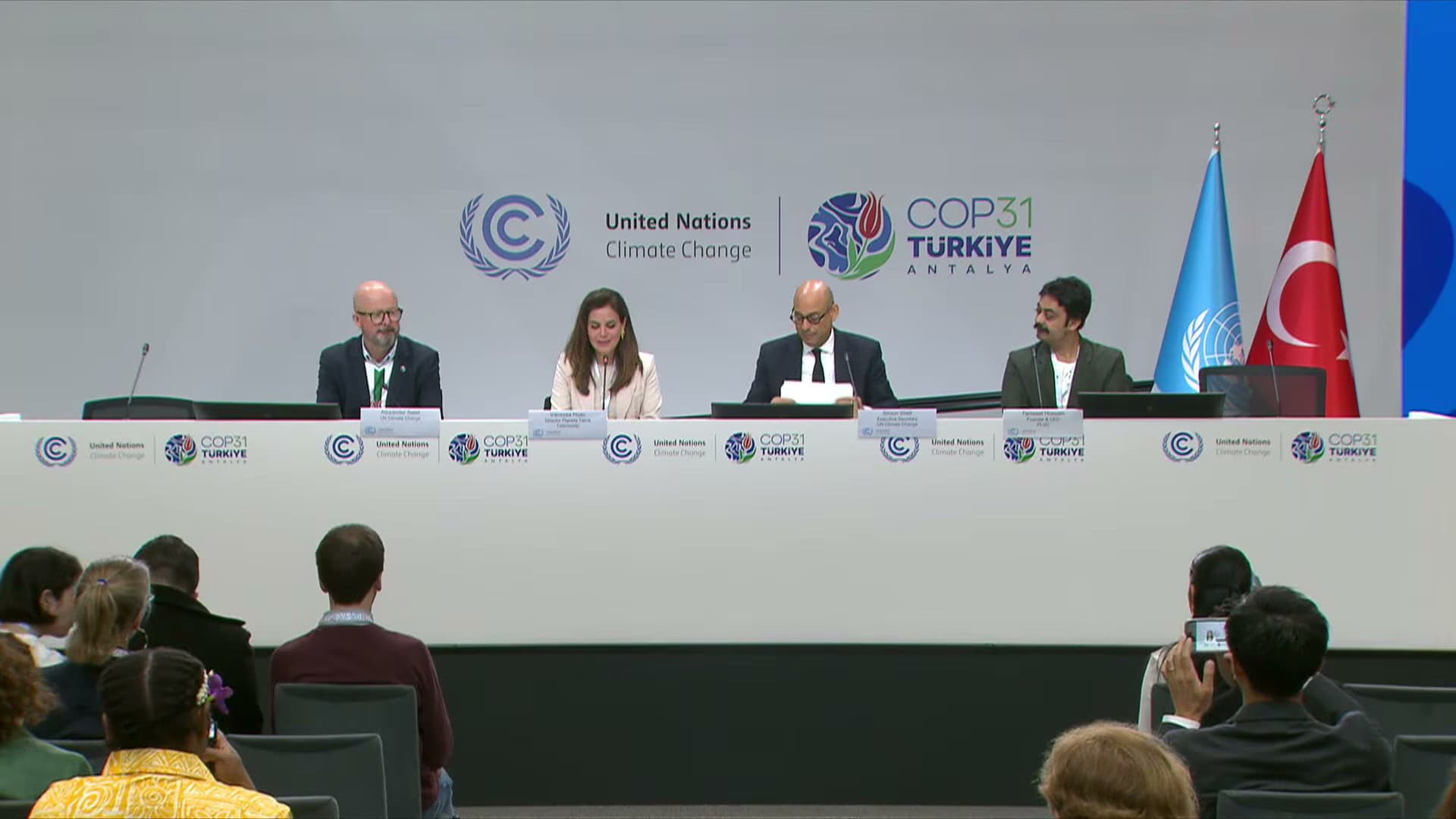
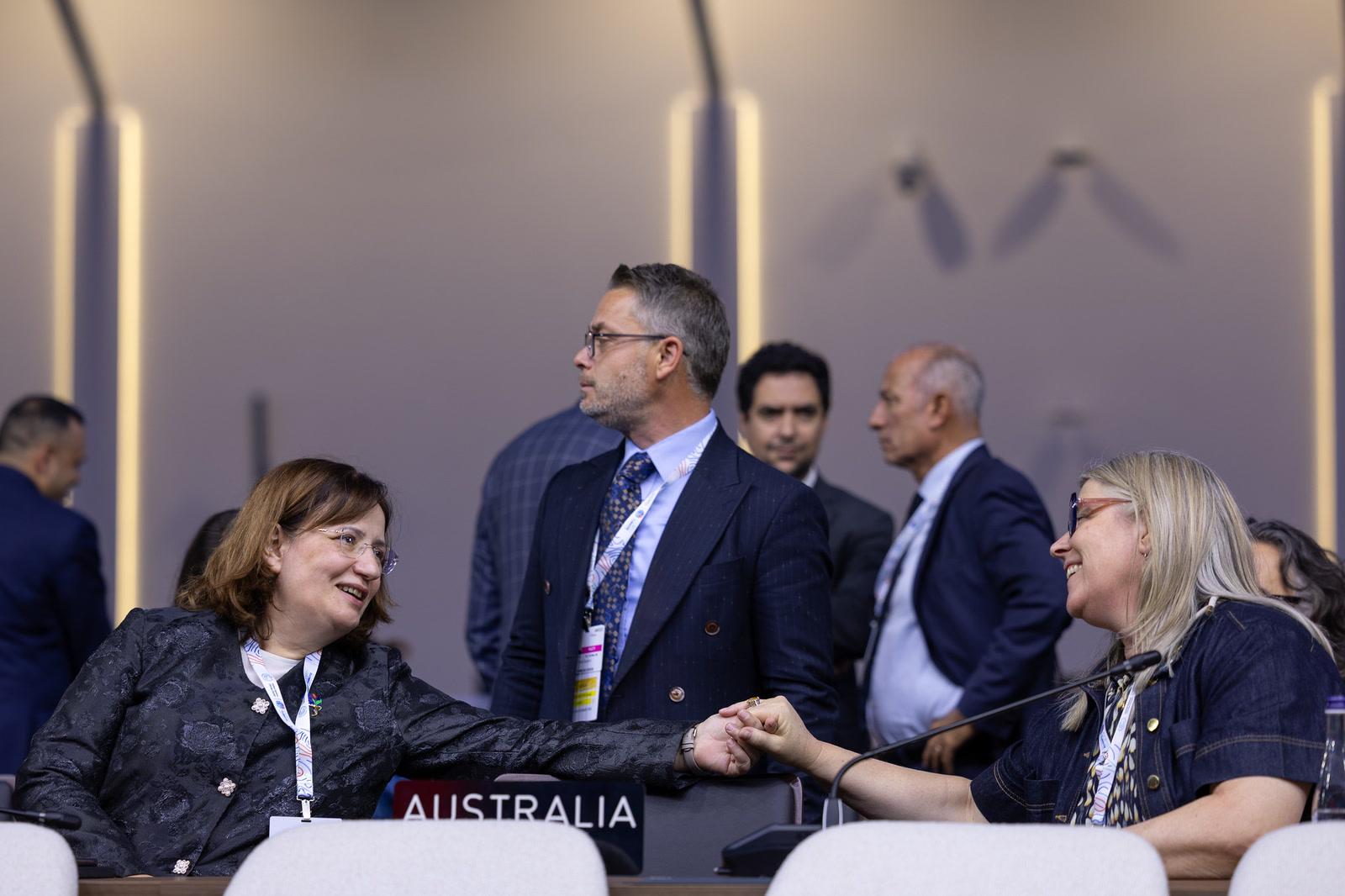
The UN COP31 climate conference in Antalya, Türkiye, has completed its first week and entered a decisive phase. On Sunday, the seventh day of the summit, the Blue Zone was closed to visitors, while ministers will join the negotiations next week. The first draft of the final document is expected early next week, according to Chris Bowen, Australia’s minister for climate change and energy and chair of the negotiations.
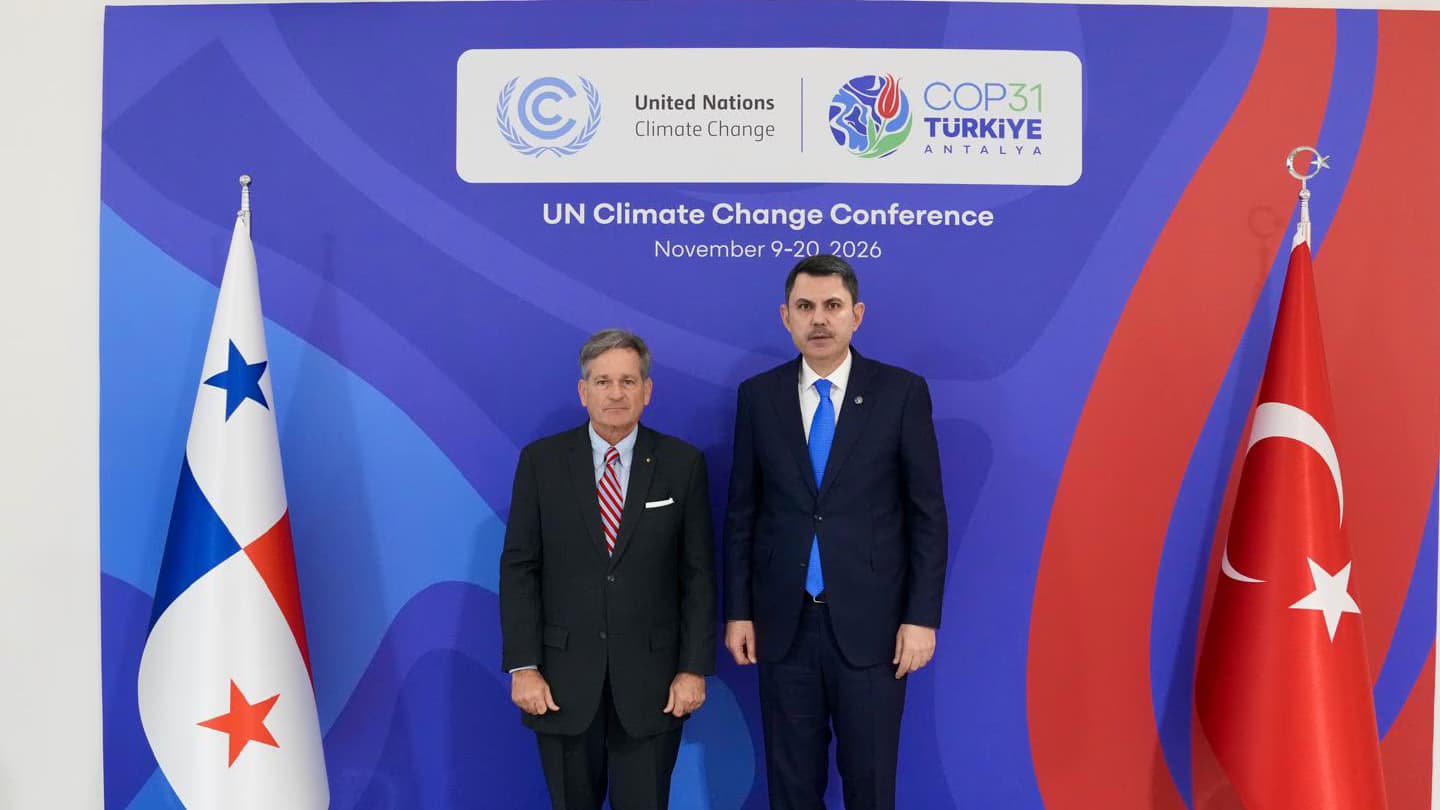
Murad Kurum, Türkiye’s minister of environment, urbanisation and climate change and president of COP31, said the first week had ended with “strong progress” on issues ranging from electrification to climate finance, adaptation and a just transition. “Our goal is clear: a strong political outcome and concrete climate action from Antalya,” he stressed.
Dispute over the mandate
The main question for the second week is the fate of the so-called cover decision, a political text that the Australian team proposes adopting by consensus. Russia and the Arab Group are among those who believe there is no mandate for such a comprehensive agreement, AFP reported, citing Alden Meyer, an expert at the E3G think tank.
Moscow’s position was set out before the conference began. In an October interview with Interfax, Ruslan Edelgeriyev, the Russian president’s special representative for climate issues, warned that the negotiations would be “difficult” and identified issues Russia does not support: a rapid phaseout of hydrocarbons and attempts to make it a “donor” of climate finance. “We are not donors; this is voluntary only,” he said, recalling the distinction established in the Paris Agreement.
Reuters reported that major oil producers such as Saudi Arabia and Russia traditionally oppose language restricting fossil fuels, while major emerging economies, including India, do not want stringent targets that could narrow their energy choices. The United States, the world’s largest oil consumer, is not participating in the negotiations for the second consecutive year.
Electrification as a possible compromise
As host of the conference, Türkiye proposes placing global electrification at the centre of the final decision by raising electricity’s share of global energy consumption to 35% by 2035. Kurum said more than 30 countries and around 100 private-sector companies had already supported the target. Reuters noted that the proposal does not require additional electricity to be generated from renewable sources. This makes it acceptable to a broad range of countries, although some delegations are seeking a clearer plan to phase out fossil fuels. The EU supports the target but, according to its delegation head, Diana Acconcia, expects clean energy sources.
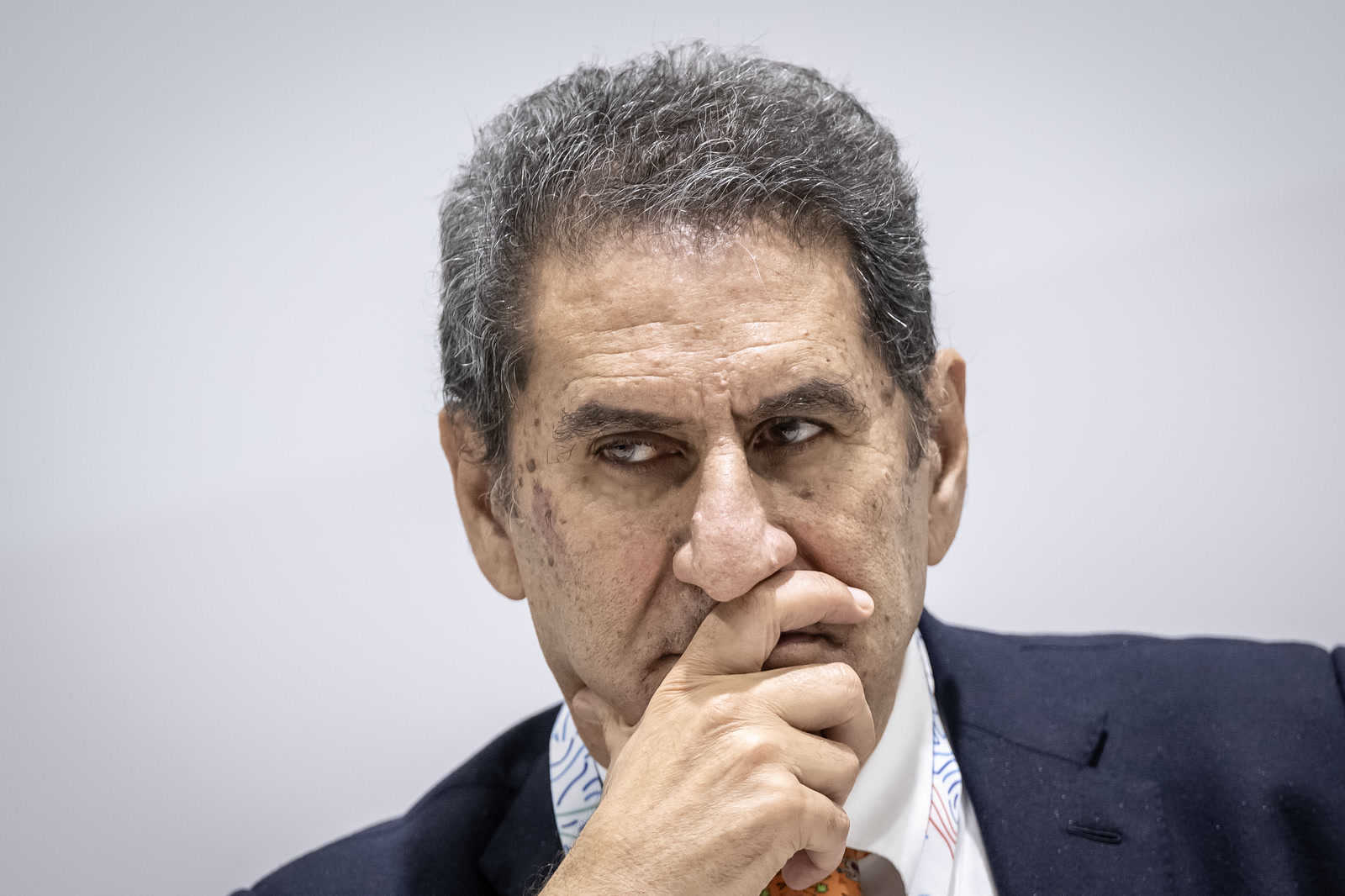
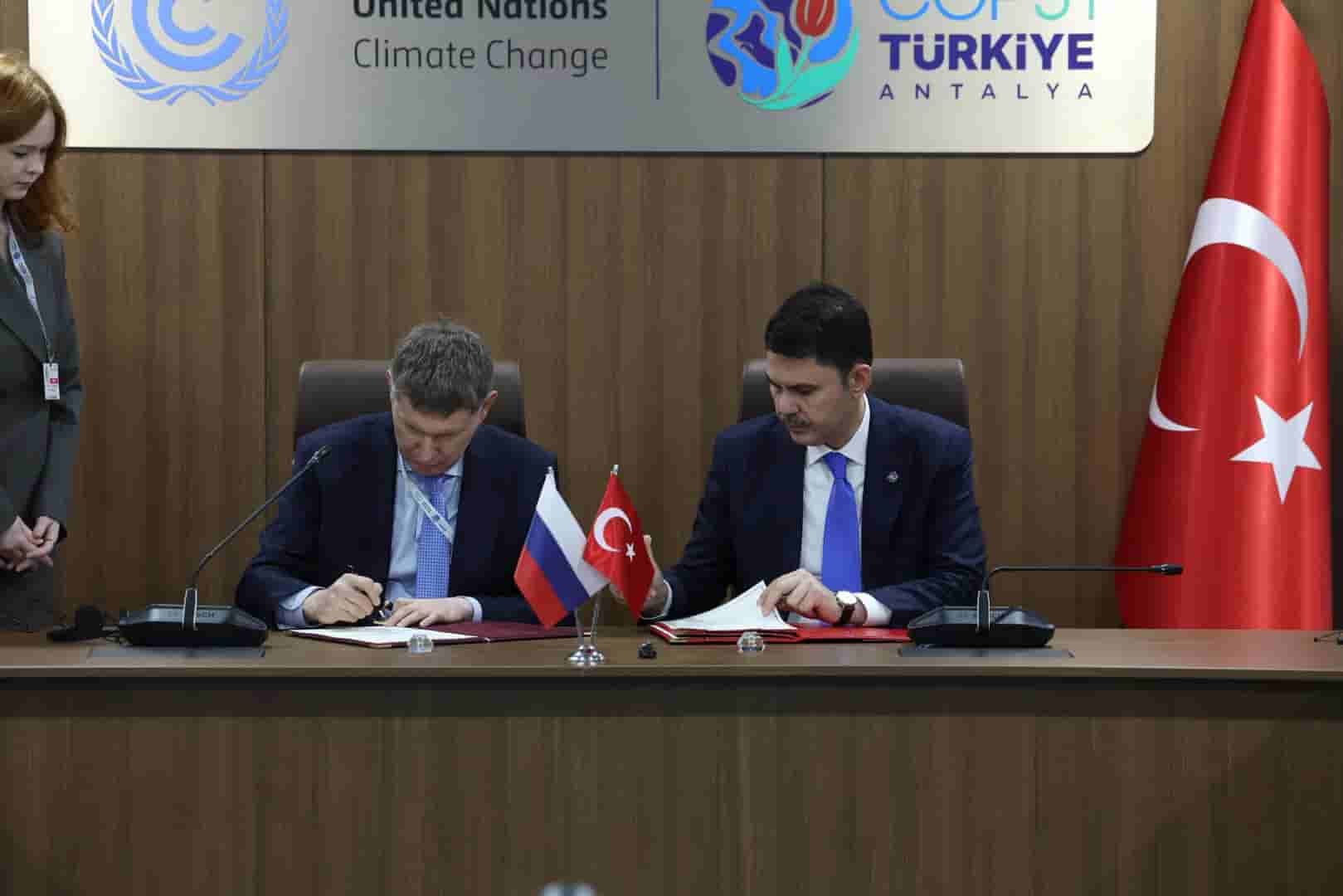
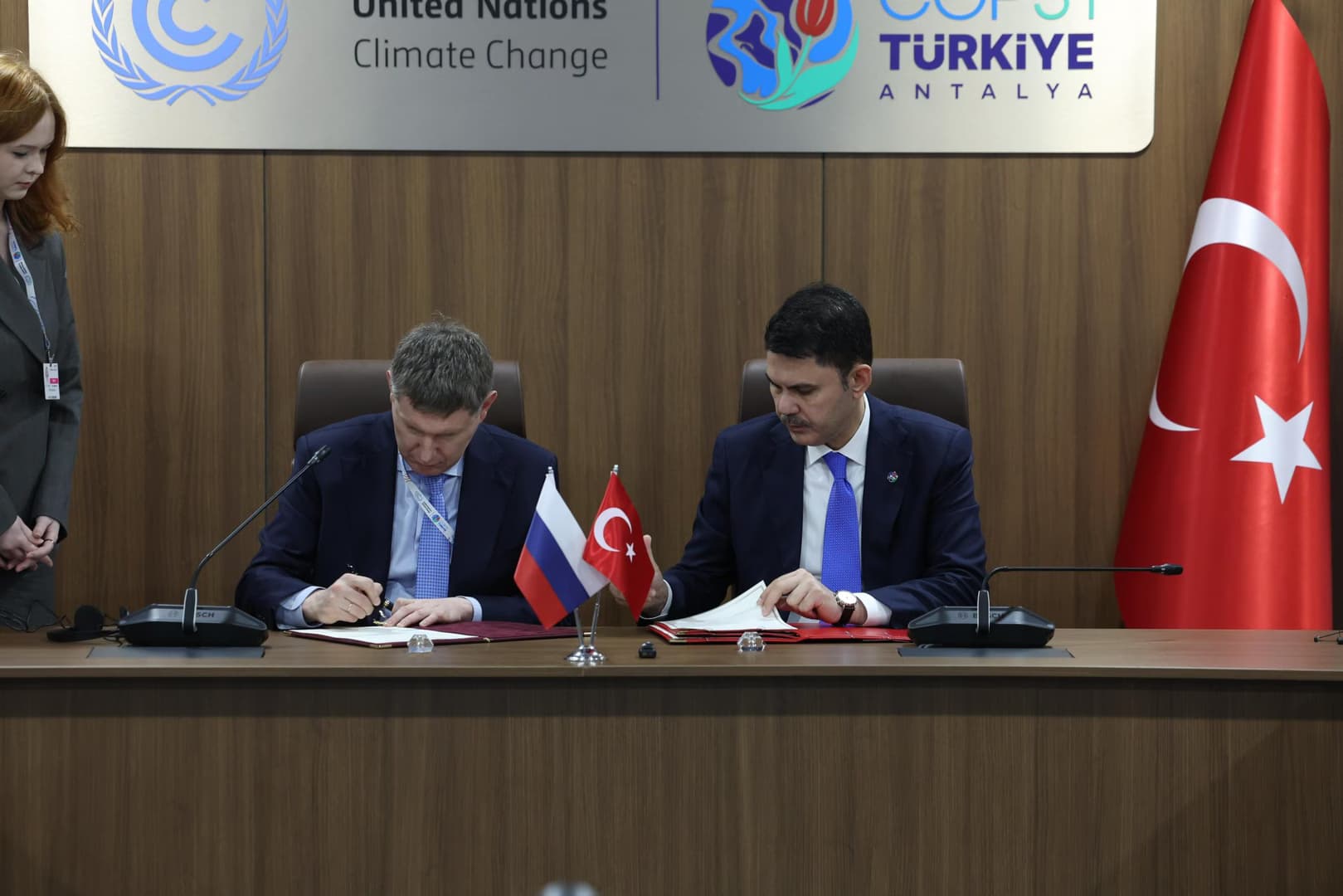
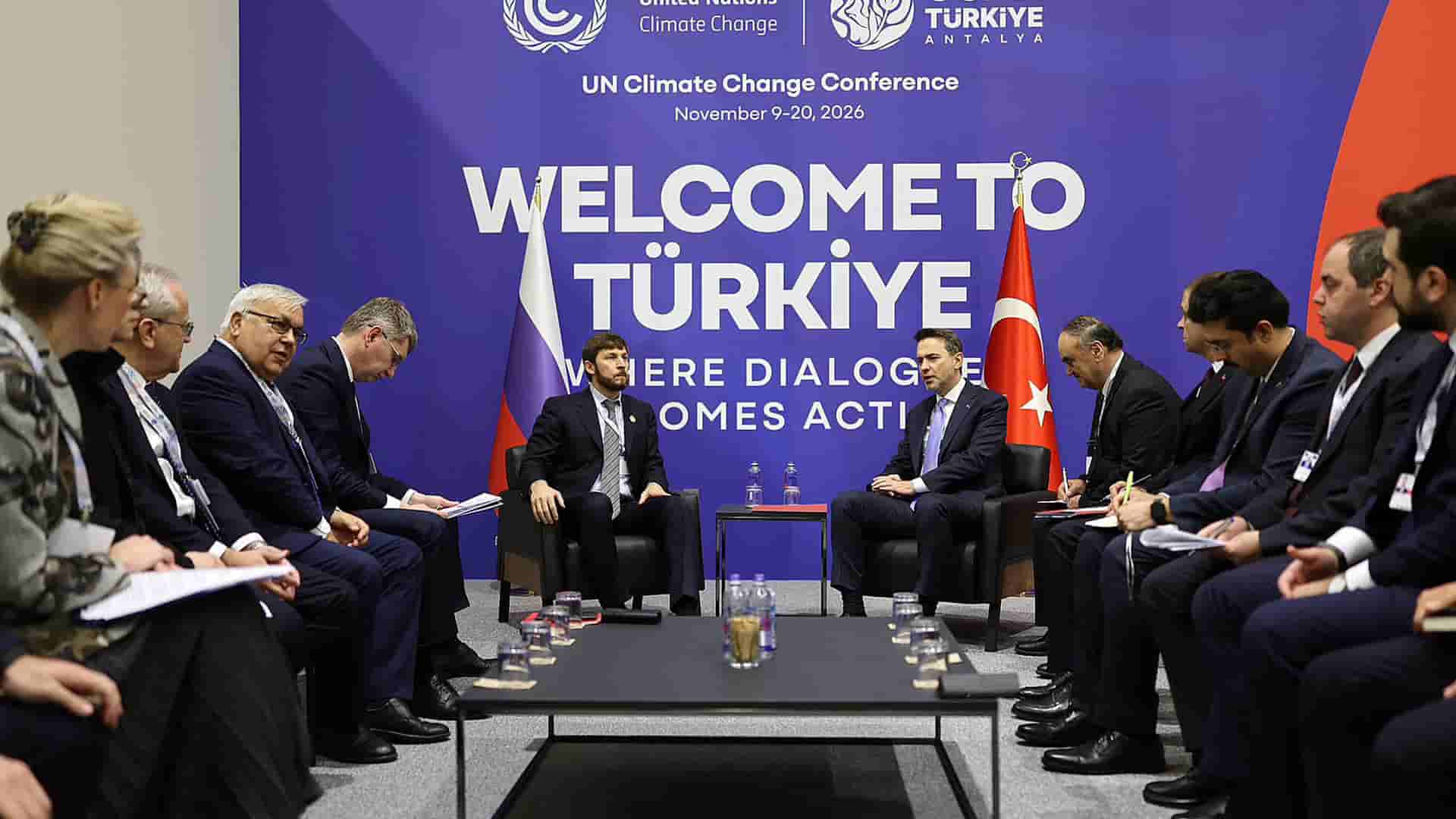
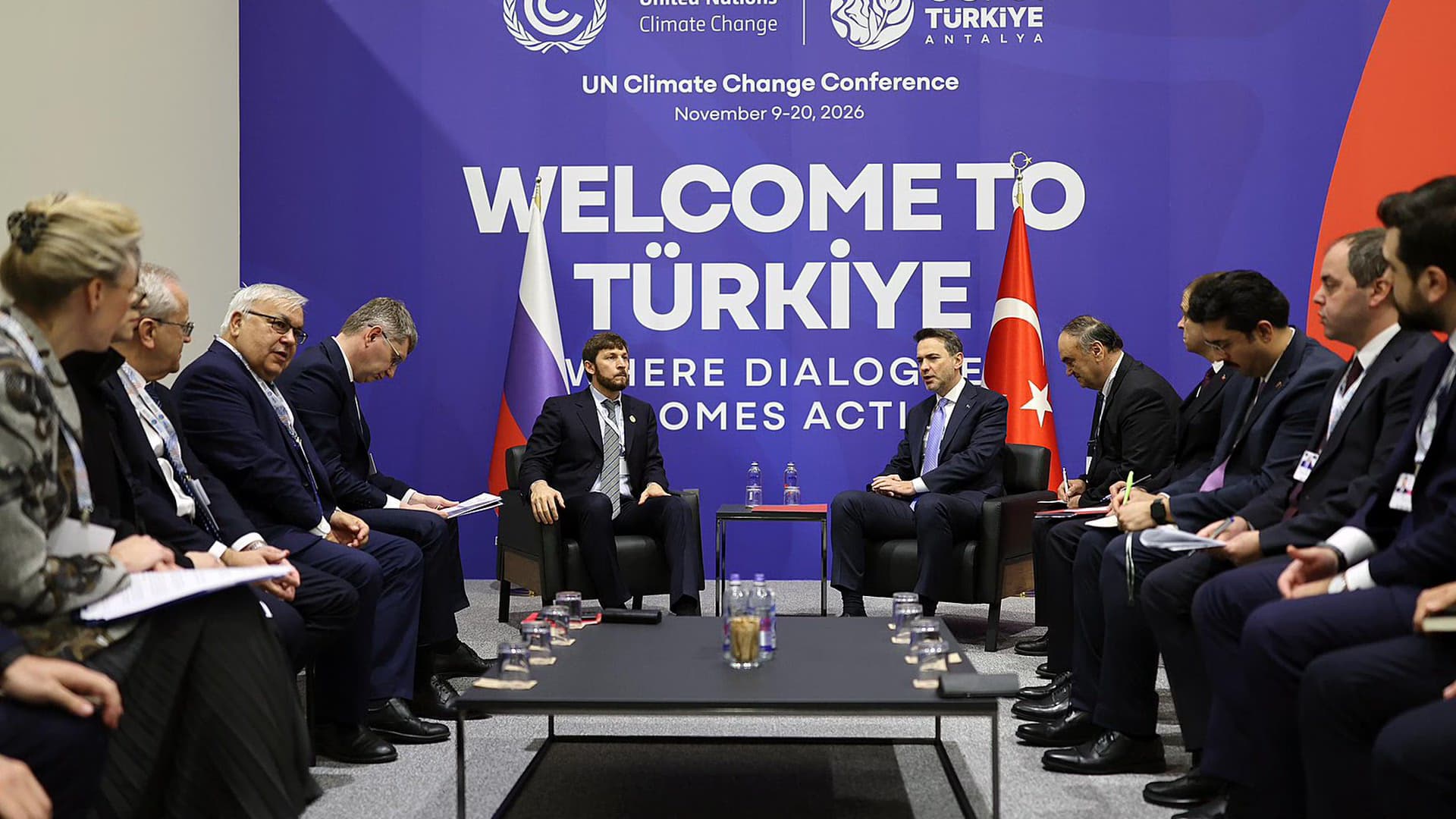
Francesco La Camera, director-general of the International Renewable Energy Agency (IRENA), called raising electrification to 35% extremely important at a COP31 panel, but pointed to a bottleneck: power grids are failing to keep pace with the deployment of new capacity. On the sidelines of the conference, Kurum also held talks with the Russian side, while Türkiye and Russia signed a memorandum of cooperation on the environment and climate change in Antalya.
Central Asia seeks funding
For Central Asian countries, the main issue is access to finance. Kazakhstan’s Ministry of Ecology said that on November 14, Minister Alibek Kuantyrov discussed with the Green Climate Fund the creation of a national climate investment platform, for whose first phase the country will receive $1.3 million. Uzbekistan discussed projects worth $8.3 million and €5.5 million in Antalya and proposed launching a regional dialogue on climate finance in 2027 involving the region’s five countries and five international climate funds.
Kurum, for his part, urged countries to fulfil commitments already made: he said that even the target of $1.3 trillion a year was considered insufficient, but that it had not yet been reached. Monday at COP31 is dedicated to science, industry and technology, while the final negotiations are scheduled for November 20.
Photo: UN Climate Change, Anadolu