- BIST10011,483+1.32%
- USD50.07+0.05%
- EUR55.96-0.52%
- GOLD4,120.00+1.11%
- INTEREST36.00%-1.00
- BITCOIN74,273-0.60%
- November 9, 20264°
- BIST10011,483+1.32%
- USD50.07+0.05%
- EUR55.96-0.52%
- GOLD4,120.00+1.11%
- INTEREST36.00%-1.00
- BITCOIN74,273-0.60%
- November 9, 20264°
Moscow pledges Cuba support as US imposes new sanctions
Russian Foreign Ministry spokeswoman Maria Zakharova called the US blockade of Cuba a disgrace of the 21st century and urged action against it beyond voting at the UN. Meanwhile, Washington imposed sanctions on Thursday against eight organizations, two individuals and five vessels linked to oil shipments and military supplies to the island.
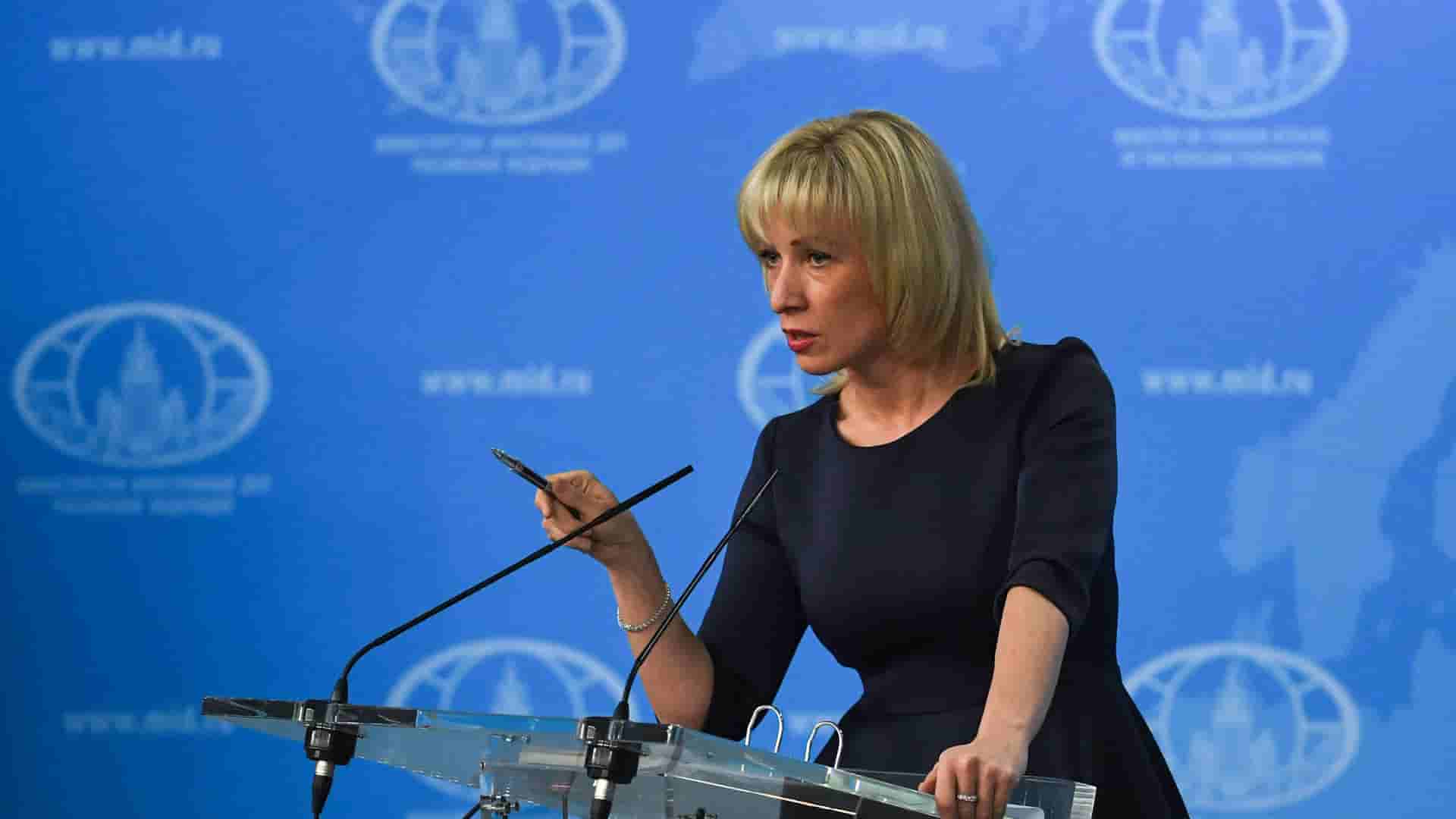
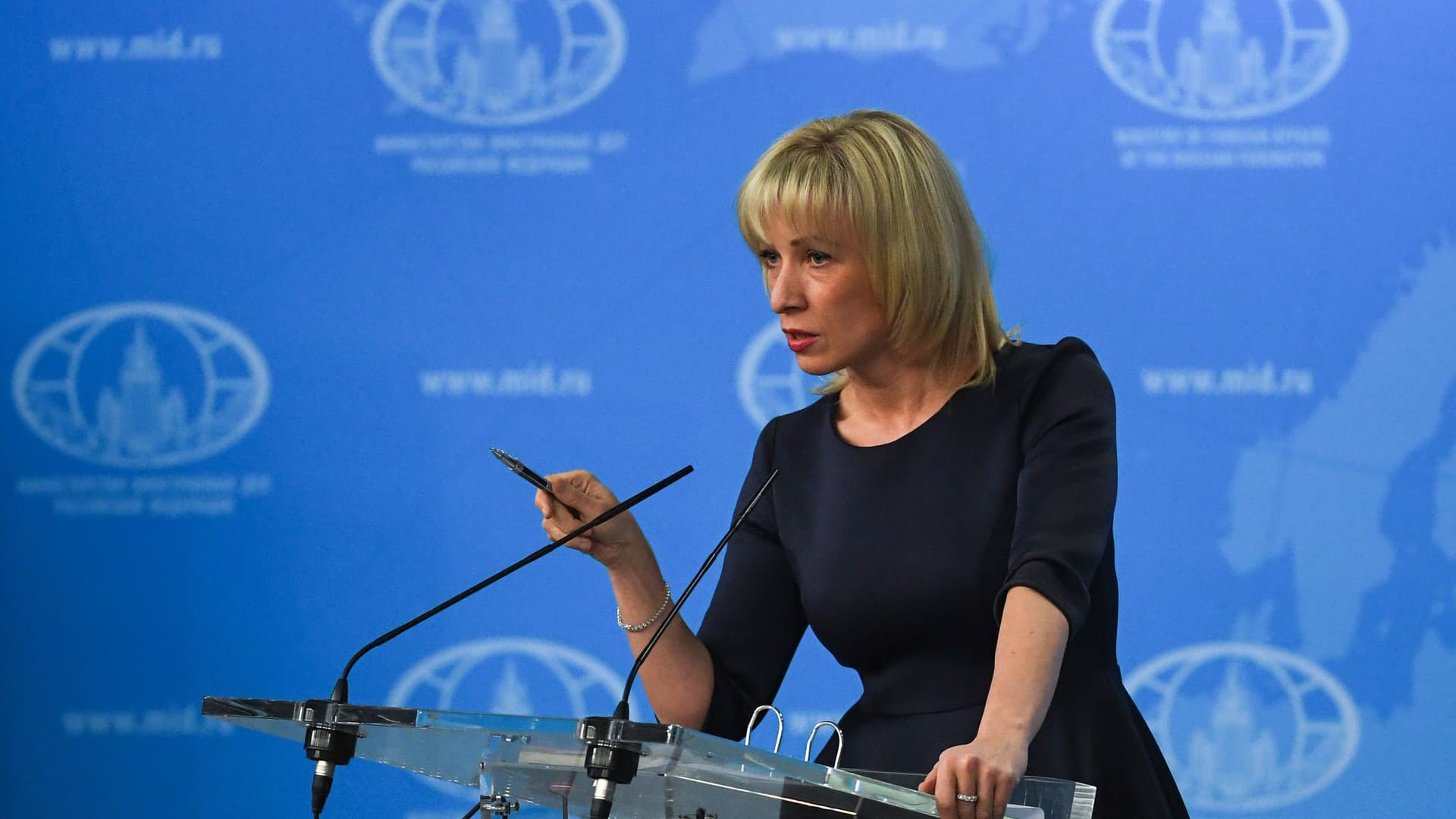
Moscow continues to openly defend Cuba amid unprecedented pressure from Washington. Russian Foreign Ministry spokeswoman Maria Zakharova called the US blockade of the island “a disgraceful phenomenon of our time.” She spoke on October 27 at a meeting with participants in the “Russia–Africa 2026” media forum, organized by RT at the National Centre Russia in Moscow. On Thursday, popular news accounts on social media republished excerpts from her remarks — the same day the United States announced new sanctions against Havana.
More than 200 journalists, bloggers and public figures from 46 African countries took part in the media forum. Zakharova devoted about seven minutes of the meeting to Cuba; in the full recording published online, the segment is titled “The blockade of Cuba is a disgrace!”
“The blockade of Cuba is a disgrace. In the 21st-century world, blockading an entire state and people is a disgrace,” Zakharova says in the video. In her words, the issue is not whether this is “good or bad”; such a phenomenon should not be subject to debate at all. “It is a disgraceful phenomenon of our time. This is not an attempt to overcome contradictions through such a barbaric method,” the diplomat stressed. She believes Washington’s pressure is aimed at securing benefits for individual political figures against the will of an entire people.
“Not only a vote”
Zakharova recalled that Russia has always voted alongside Cuba in the UN General Assembly against the blockade, but said the issue involved not only voting but also “active struggle.” The following day, October 28, the General Assembly adopted its traditional Cuban resolution calling for the embargo to be lifted: 130 countries voted for it, 17 against and 25 abstained. A year earlier, 165 states had supported the document.
The Russian Foreign Ministry believes that many countries “came under intense pressure” before the vote. “Russia will always stand ‘shoulder to shoulder’ with Cuba against unlawful unilateral restrictive measures and interference in the internal affairs of sovereign states,” the ministry said in a statement dated October 29. It identified the ultimate goal of the pressure on Havana as “destabilizing” the situation on the island and changing the government.
Russia’s permanent representative to the UN, Vasily Nebenzya, said in the General Assembly on October 27 that the embargo, which has been in place for nearly 70 years, had “reached unprecedented scope.” According to him, Cuba’s financial losses alone amounted to $8.8 billion from March 2025 to March 2026, while a fuel embargo was added to the pressure this year. “All of this is being done to break the Cuban people,” the diplomat said.
Oil, sunflower oil and Mir cards
In September, Russian Foreign Minister Sergey Lavrov used the General Assembly rostrum to call on the United States to “lift the naval blockade of the Island of Freedom,” repeal all restrictions on trade with Cuba and remove it from the list of state sponsors of terrorism, which had “long since become odious.” Shortly beforehand, he held talks in New York with his Cuban counterpart, Bruno Rodríguez.
Moscow is also assisting the island with supplies. In March, a Russian tanker carrying approximately 100,000 tonnes of oil arrived in Cuba. In October, more than 750 tonnes of vitamin-enriched sunflower oil were delivered to Havana through Russia’s Ministry of Emergency Situations as part of a contribution to the UN World Food Programme. Russian Ambassador Viktor Koronelli called the delivery “another testament to the historic ties of friendship and solidarity between the brotherly peoples of Russia and Cuba.” Since late October, Russian pensioners living on the island have also been able to receive their pensions on Mir cards and use them to make payments in Cuba.
In this segment, Zakharova asks listeners to open a map on their phone or computer and compare Cuba’s size with that of the countries — especially the United States — that have pressured the island for decades. She then suggests applying this comparison to relations between people and imagining one person being humiliated, blackmailed and literally poisoned by many people or entire groups. The diplomat called such a situation a disgrace for modern world civilization.
New sanctions from Washington
Washington is meanwhile intensifying the pressure. On Thursday, the US State Department imposed sanctions on eight organizations and two individuals, while designating five vessels as blocked property. The measures targeted networks transporting petroleum products to and from Cuba, members of the Cuban elite, state import companies and Chinese suppliers to Cuba’s armed forces. At the same time, the US Treasury Department’s Office of Foreign Assets Control opened the way for sanctions against foreign nationals working in Cuba’s manufacturing, technology, electronics and maritime sectors.
Since the beginning of the year, Donald Trump’s administration has effectively cut off the island’s fuel supplies. An order issued on January 29 authorized tariffs against countries supplying oil to Cuba directly or through intermediaries, and in February the United States also began blocking tankers bound for the island. In March, the country’s power grid collapsed; in some areas, electricity was cut for 20–22 hours a day. In May, Cuba’s Ministry of Energy and Mines reported that oil and diesel fuel had run out.
Cuban Foreign Minister Bruno Rodríguez, speaking on Thursday at the Ibero-American Summit in Madrid, said the United States had taken its “obsessive war of economic strangulation” against Cuba to “inhumane levels of collective punishment.” In his words, Washington had imposed an “energy siege equivalent to a naval blockade” on the island. In October, Russia’s Foreign Ministry also condemned an arrest warrant issued by a judge in Miami for Cuba’s historic leader Raúl Castro, calling the charges against him legally void.
Video: Clash Report / X. Photo: ConflictTR / X
Stay Updated with RuskiGazeta
Subscribe to be informed about special news, developments and announcements. We will keep you informed.
By signing up, you agree to our Privacy Policy