- BIST10011,131-3.02%
- USD50.47+0.05%
- EUR55.46+0.20%
- GOLD3,539.00-3.98%
- INTEREST36.00%-1.00
- BITCOIN59,021-4.66%
- November 21, 202616°
- BIST10011,131-3.02%
- USD50.47+0.05%
- EUR55.46+0.20%
- GOLD3,539.00-3.98%
- INTEREST36.00%-1.00
- BITCOIN59,021-4.66%
- November 21, 202616°
Lavrov in Manila: NATO draws ASEAN states into blocs to contain China
At the East Asia Summit and a subsequent news conference, Russia’s foreign minister accused the West of trying to impose “closed clubs” on Asia. He criticized London for joining the ASEAN Regional Forum “without waiting in line” and Canada for barring the Russian delegation from a forum event.
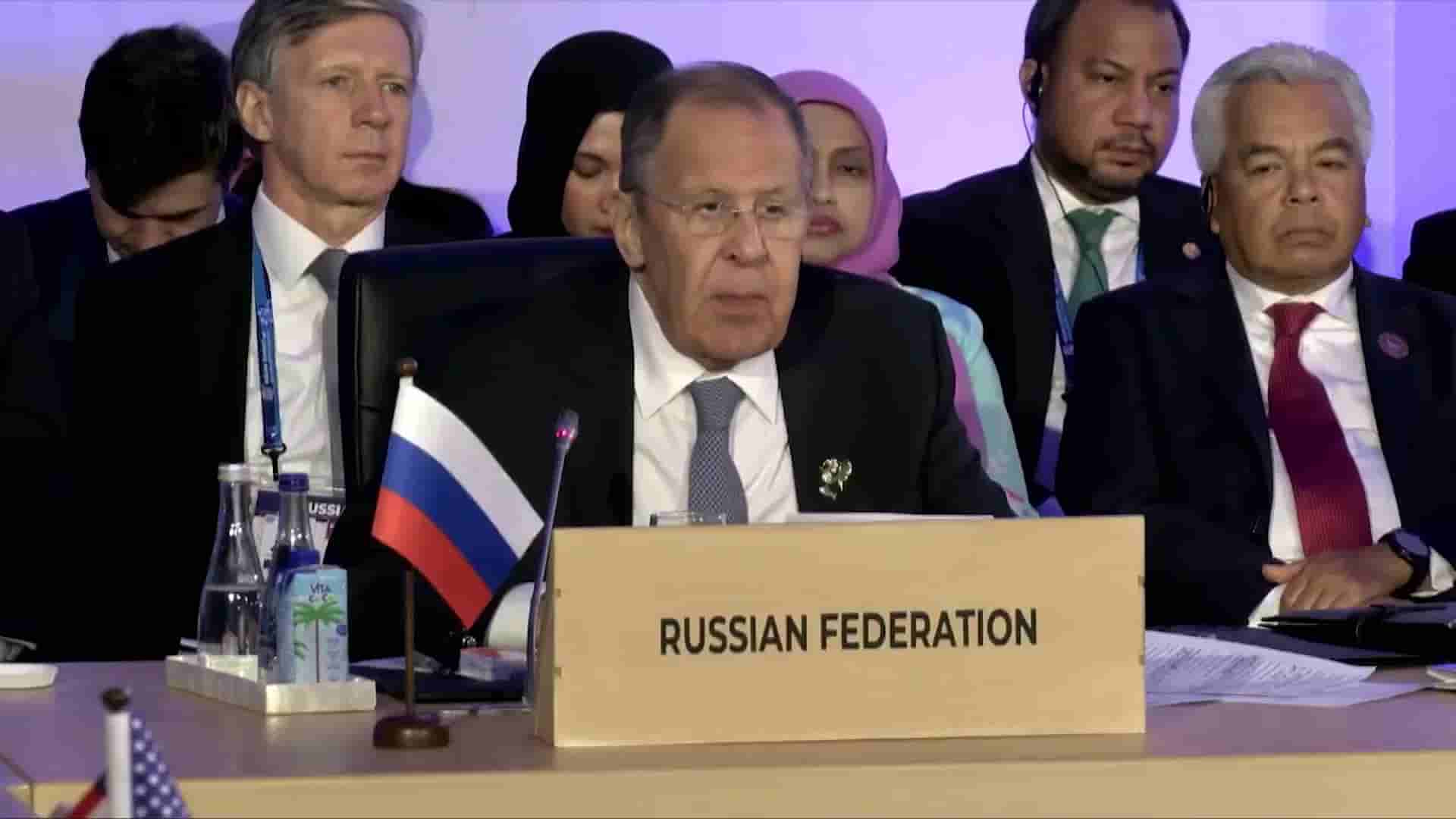
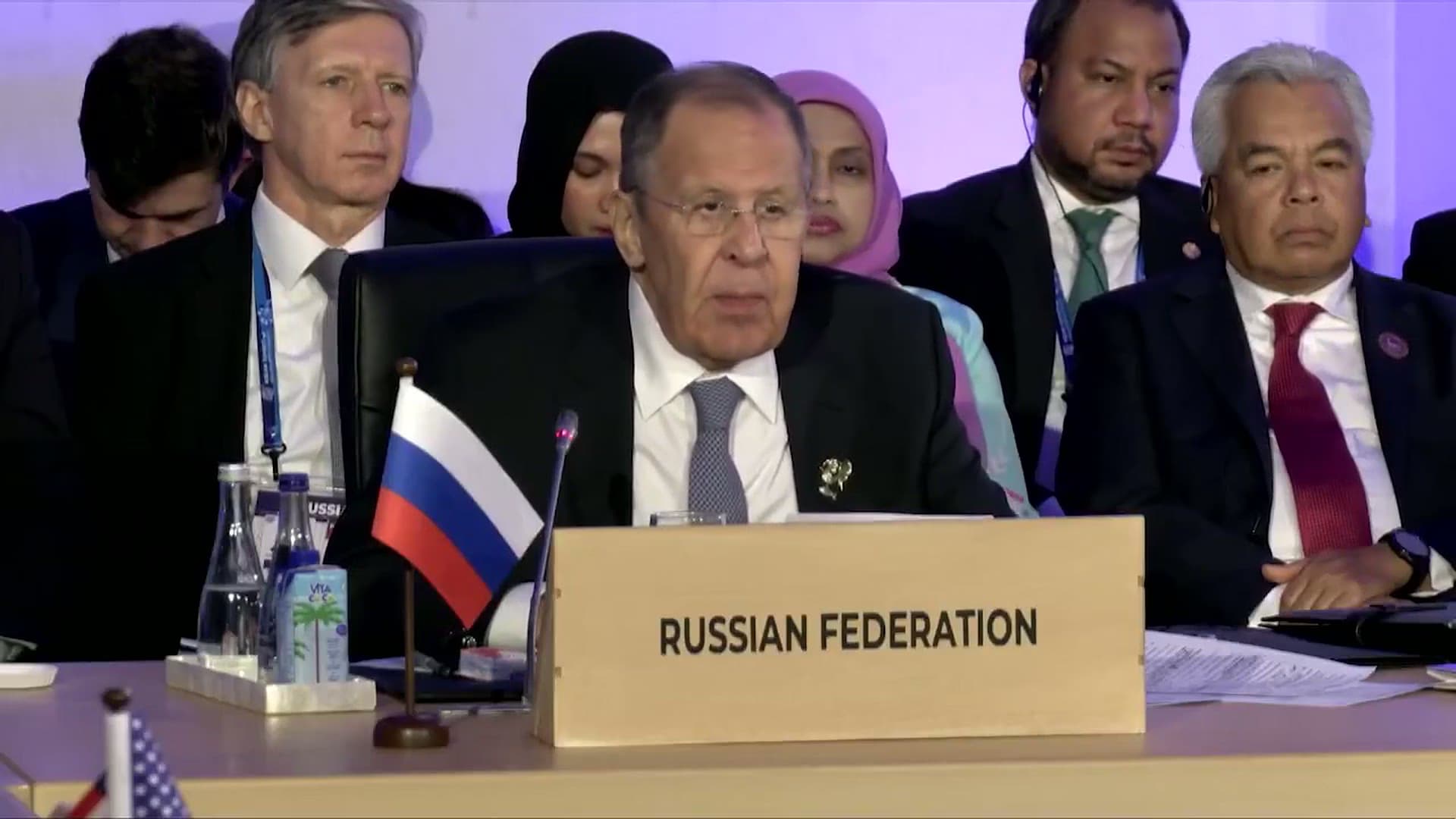
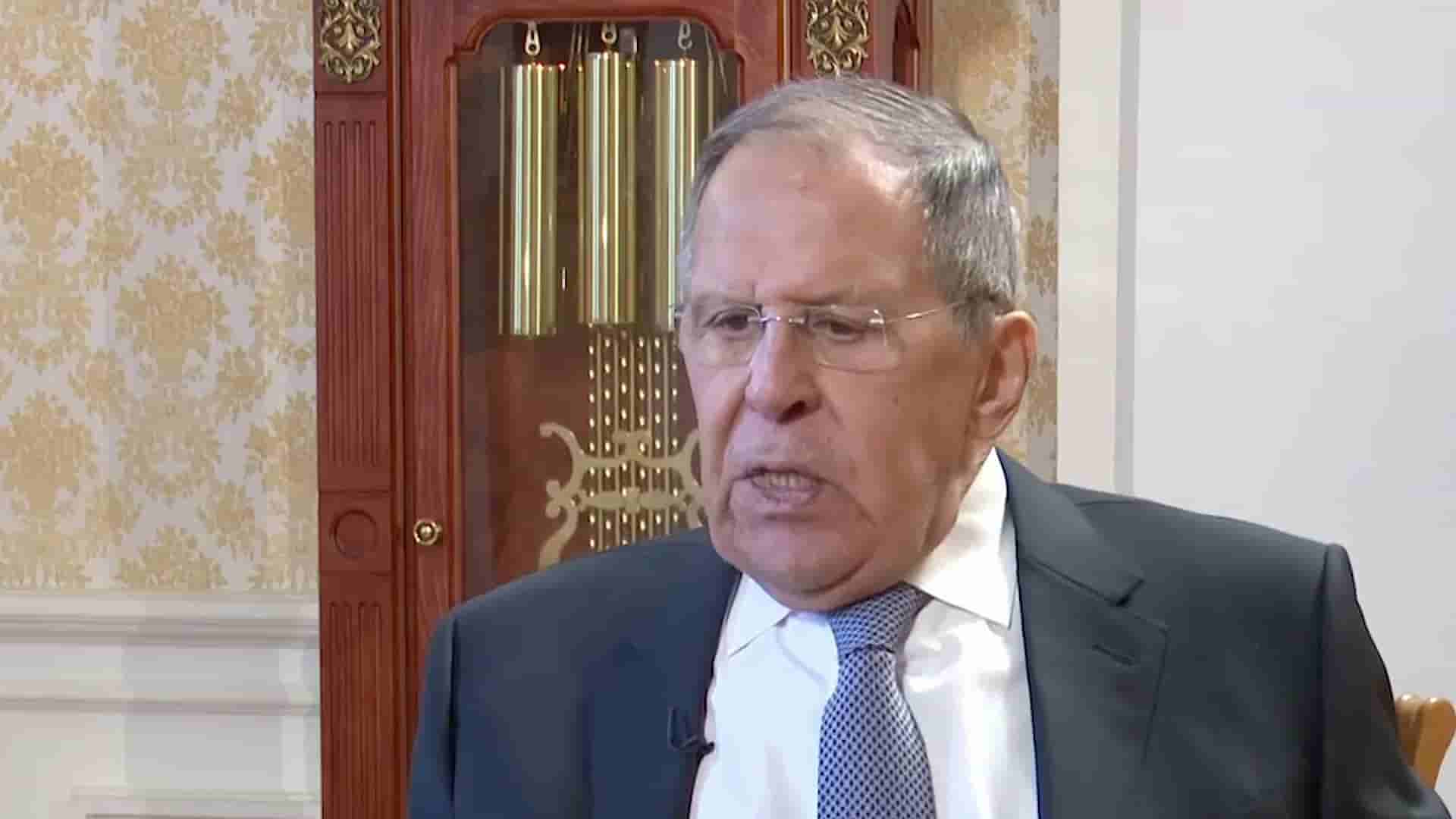
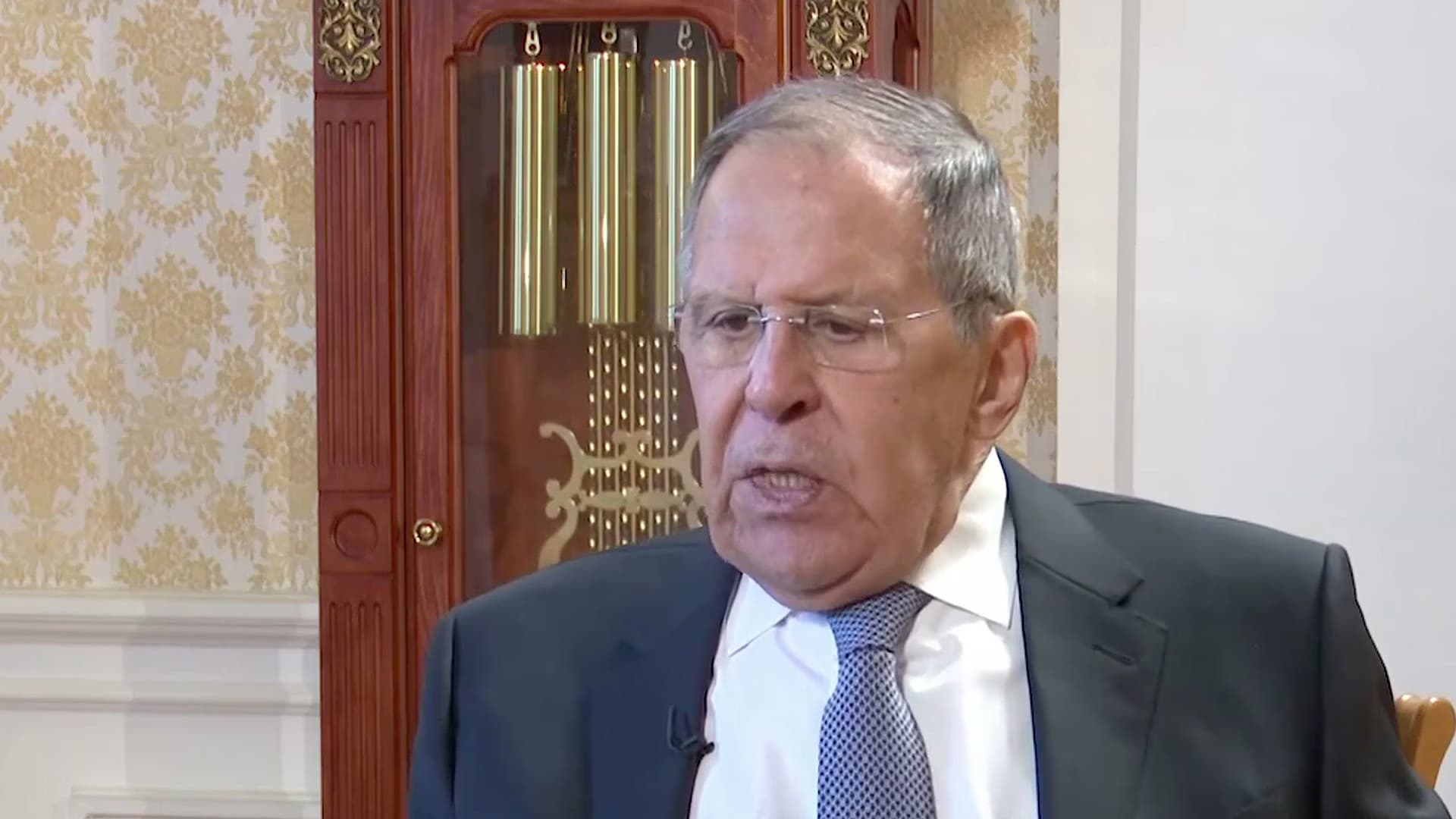
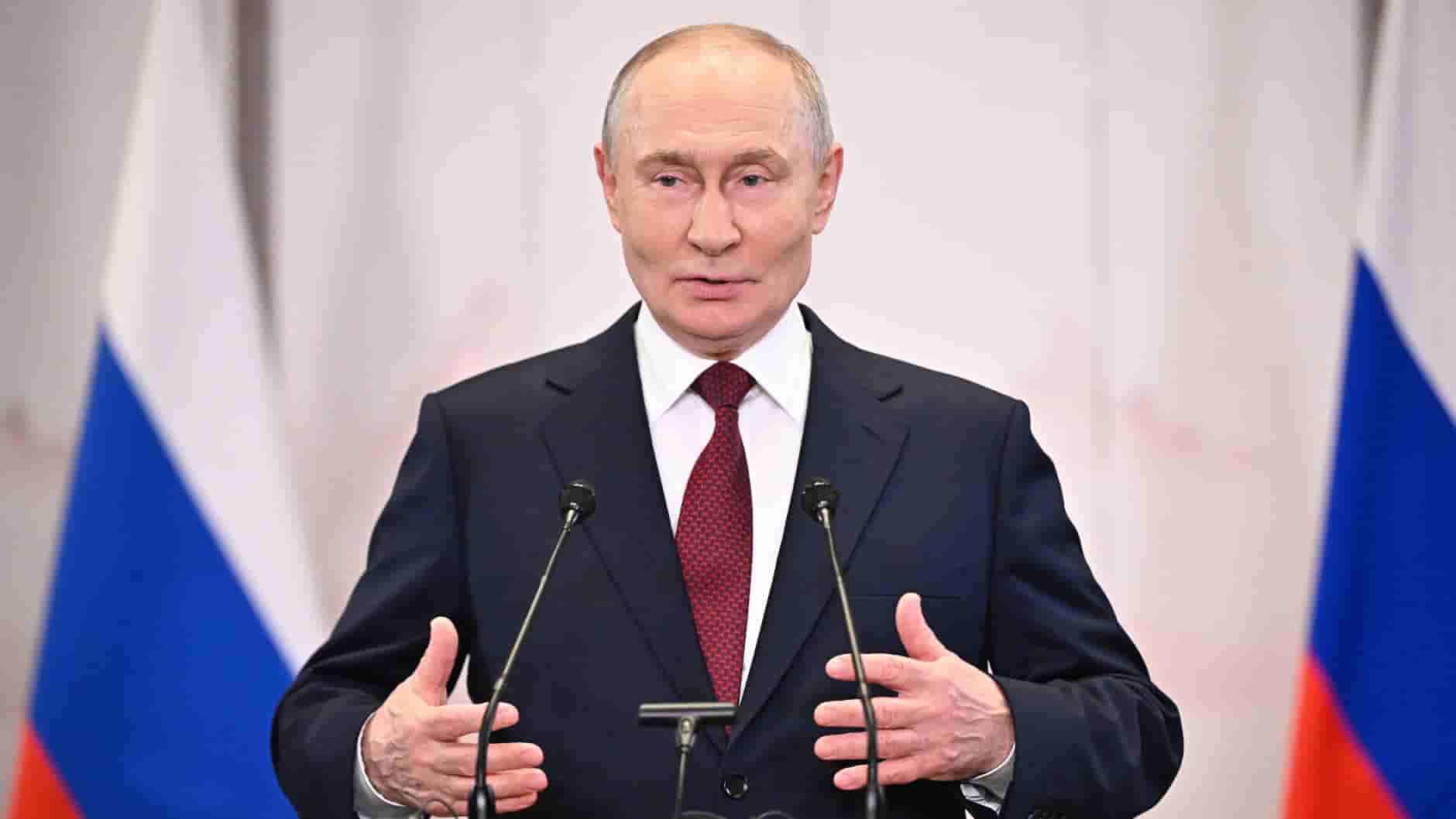
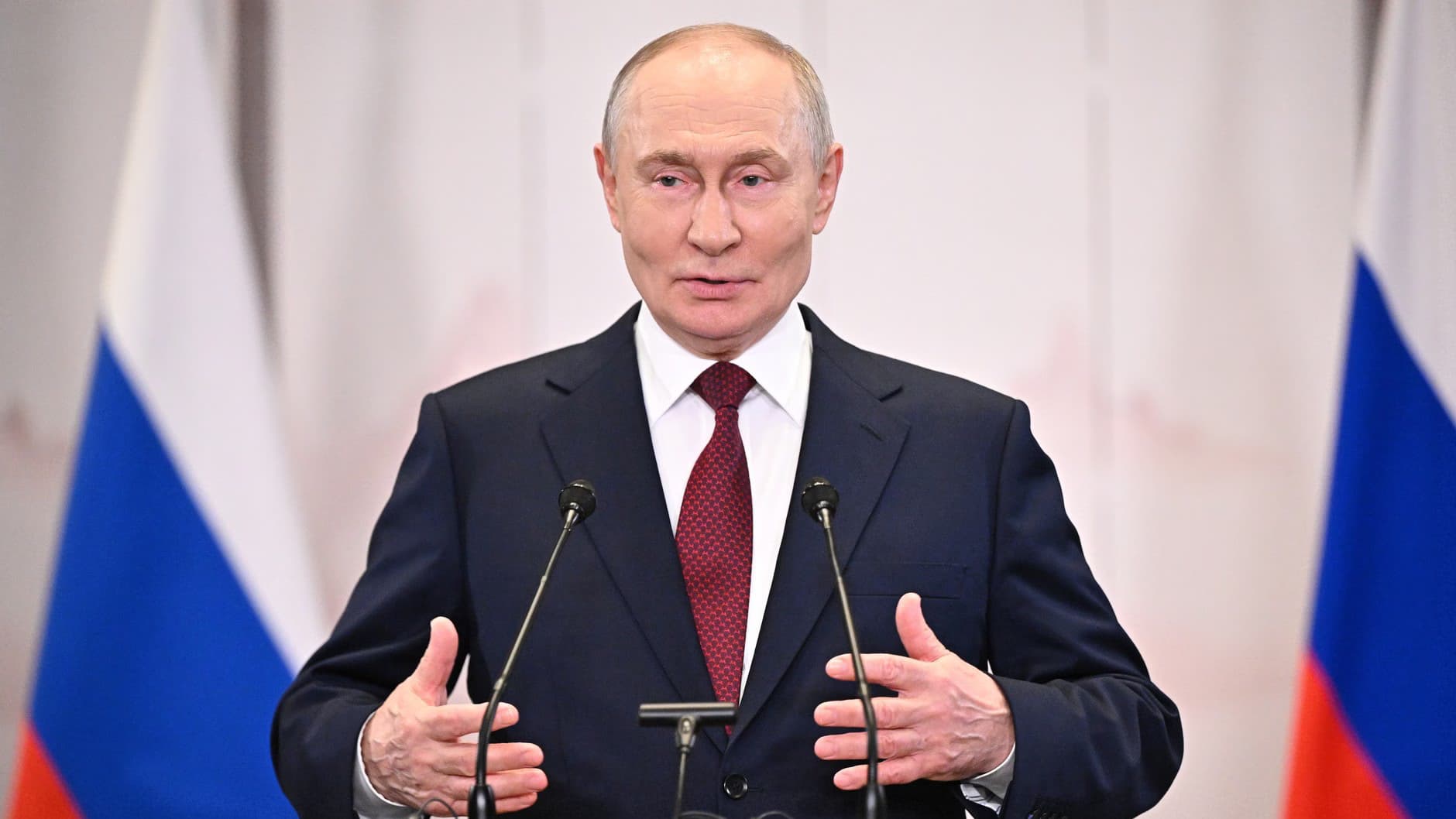
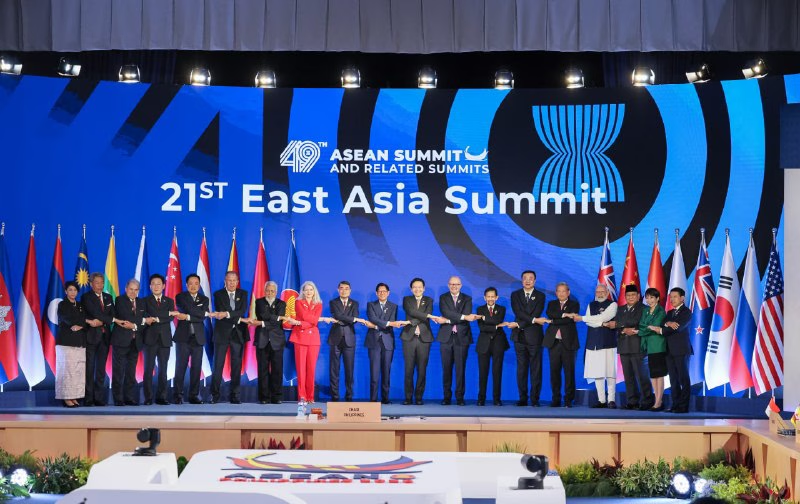
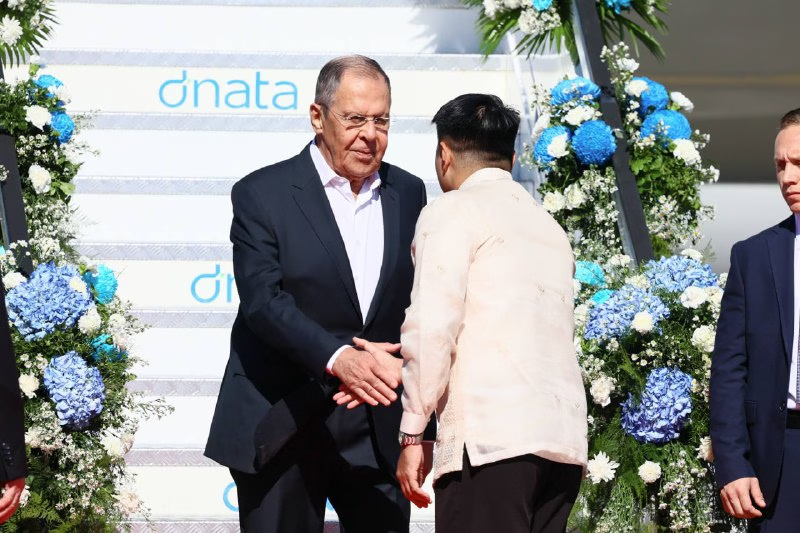
Russian Foreign Minister Sergey Lavrov accused Western countries of trying to draw ASEAN states into closed military blocs at the 21st East Asia Summit (EAS) in Manila and at a news conference held on November 17 after the summit. He said the main aim of these efforts was to contain China.
“Stability in the Asia-Pacific region today largely depends on whether we can preserve a sustainable ecosystem of security and cooperation mechanisms built around the Association,” the minister said at the summit. He said some ASEAN partners were imposing “archaic bloc models” on the region — “closed clubs,” “trios” and “quads.”
In this excerpt of his speech, published by the Russian Foreign Ministry, Lavrov first recalled that the Russia–ASEAN summit held in Kazan in June had given fresh impetus to the strategic partnership formalized in the 2026–2030 action plan. The minister then spoke about threats to the regional architecture: under the slogans of the indivisibility of security in the Euro-Atlantic and Indo-Pacific regions, “NATO’s military capabilities are being actively brought into the Asia-Pacific,” while plans have also been announced to create an Indo-Pacific Treaty Organization.
“Wherever NATO appears, nothing good happens”
Lavrov expanded on this point at the news conference. “NATO is actively moving into this region, making little secret of the fact that its goal is to contain the People’s Republic of China,” he said. According to the minister, whenever the alliance operated beyond the territory of its members, it carried out military missions that were “quite aggressive,” and the situation improved at none of those locations. “On the contrary, very deep crises emerged everywhere, which neighboring countries, above all, now have to deal with, while the damage has been substantial,” he stressed.
Russia, Lavrov said, had drawn its partners’ attention to these plans and warned them against “becoming carried away by the fragmentation” of the inclusive, consensus-based architecture built over decades. The minister called for respect for the ASEAN Charter and urged countries not to depart from its core principles.
“Without waiting in line, as in a store”
The minister directed specific criticism at London and Ottawa. In July, Britain, he said, joined the ASEAN Regional Forum (ARF) in violation of the moratorium on admitting new participants and the principle of consensus. “They came up with some clever move and got into the structure without waiting in line, as impolite people sometimes do in stores here,” TASS quoted Lavrov as saying. At the end of October, Canada hosted an ARF event for heads of military universities but refused to allow the Russian delegation to participate, citing its NATO obligations.
“Our friends in ASEAN see all of this — they see how people are seemingly invited to the table, only to start giving orders once they are there,” the minister said. He also warned that expanding AUKUS activity posed risks to the nuclear-weapon-free zones established by the Bangkok Treaty and the Treaty of Rarotonga and threatened to trigger a “domino effect” that could seriously damage the ASEAN-centered system.
Korea, Taiwan and the South China Sea
Lavrov identified sanctions and military pressure on North Korea, along with military exercises, including those involving a nuclear component, as the main cause of rising tensions on the Korean Peninsula. He said the aim of regular exercises by the United States, Japan and South Korea was clear: to contain Pyongyang and maintain sanctions against it. The minister called appeals to “preserve the status quo” around Taiwan essentially an unacceptable attempt to push the island toward independence. He supported ASEAN and China’s work on a Code of Conduct in the South China Sea, noting that outside interference only complicates the search for solutions.
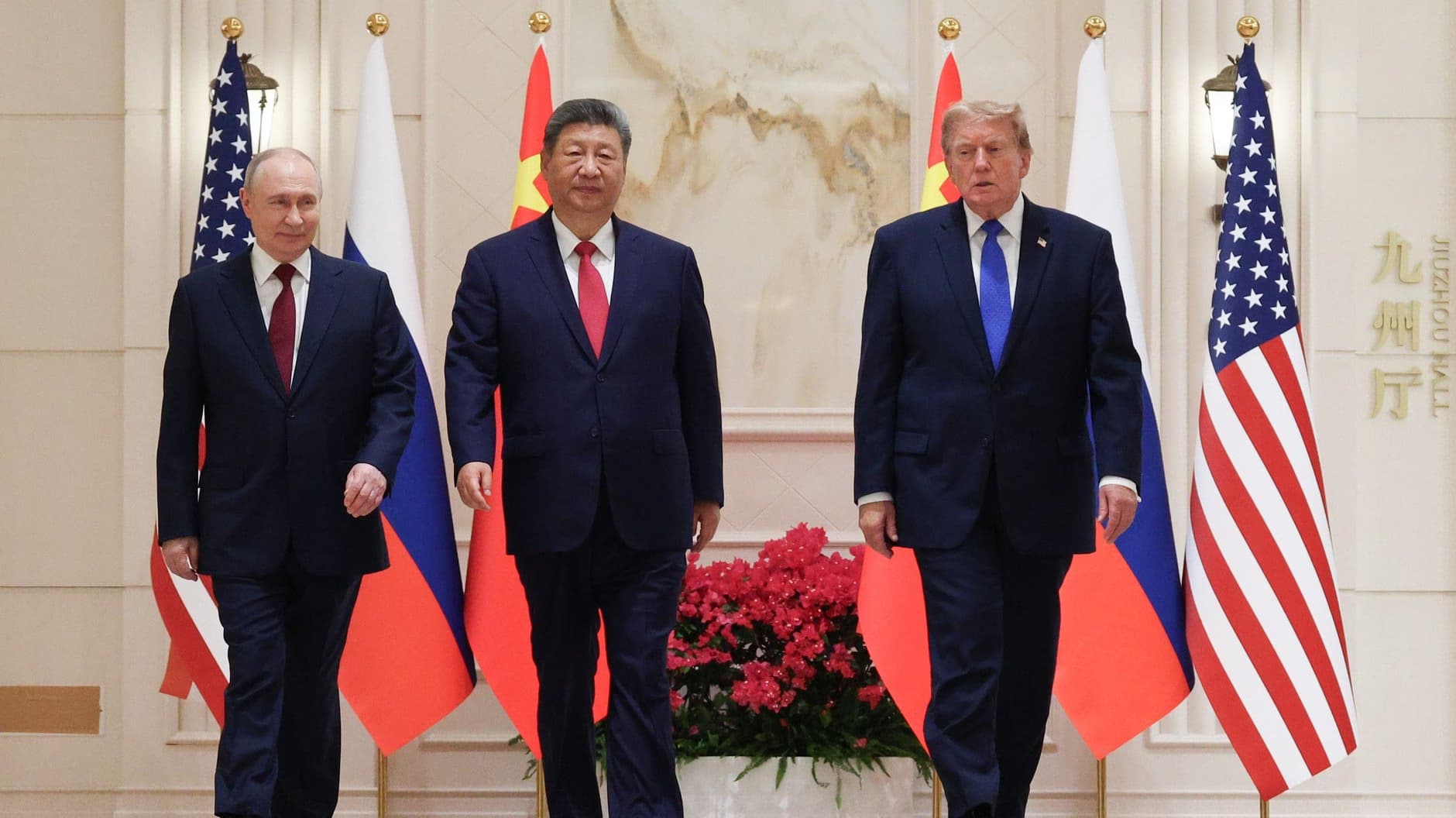
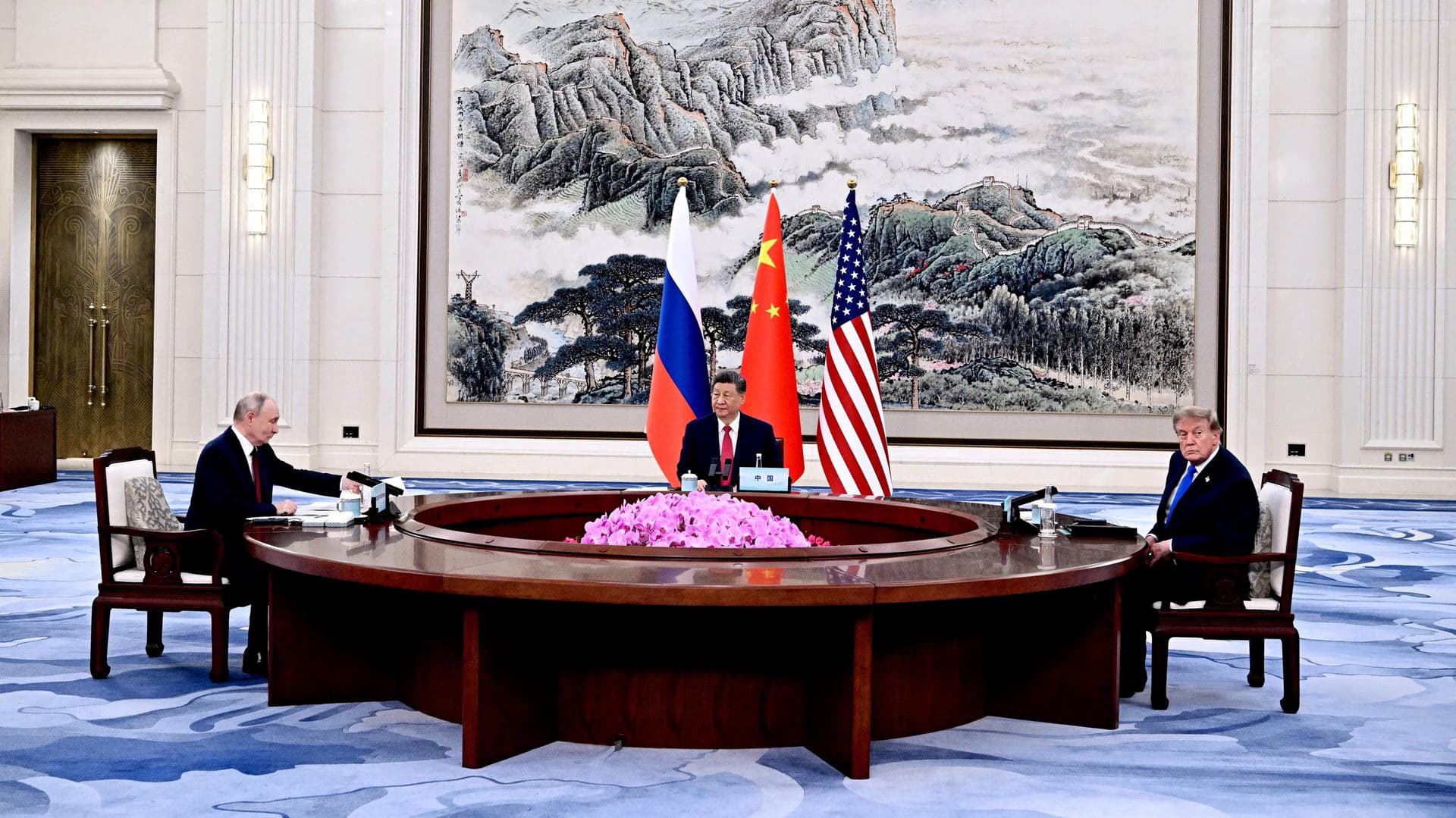
Answering journalists’ questions, Lavrov also described the upcoming trilateral meeting between Vladimir Putin, Donald Trump and Xi Jinping in Shenzhen as useful. He said it would be a meeting of “three nuclear powers,” that its agenda was “essentially formed,” and that the leaders had never previously met in this format.
Video and photos: Russian Foreign Ministry.
Stay Updated with RuskiGazeta
Subscribe to be informed about special news, developments and announcements. We will keep you informed.
By signing up, you agree to our Privacy Policy