- BIST10011,662+2.03%
- USD49.55+0.21%
- EUR55.57-0.09%
- GOLD4,135.60-0.59%
- INTEREST37.00%-1.00
- BITCOIN81,375-0.57%
- October 20, 202621°
- BIST10011,662+2.03%
- USD49.55+0.21%
- EUR55.57-0.09%
- GOLD4,135.60-0.59%
- INTEREST37.00%-1.00
- BITCOIN81,375-0.57%
- October 20, 202621°
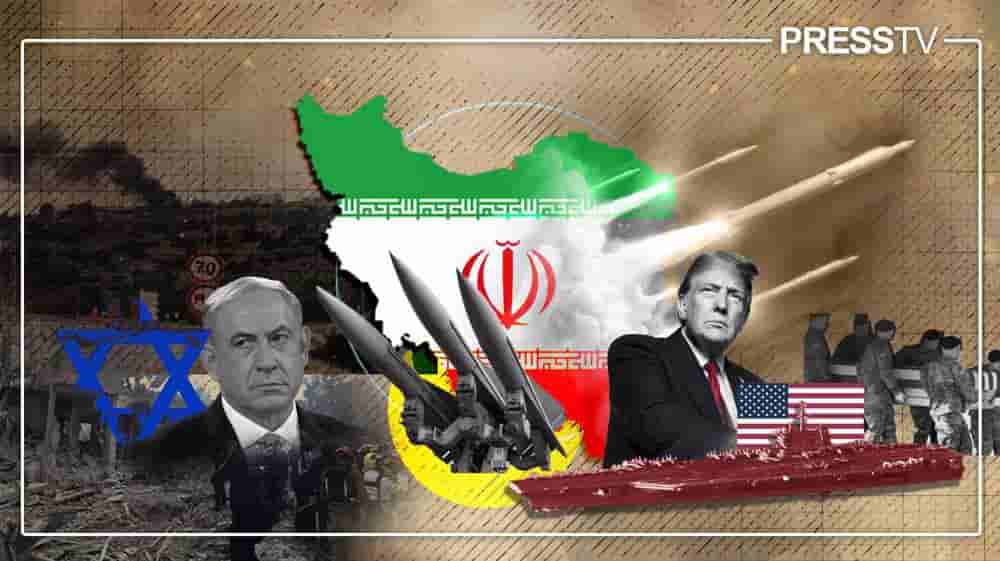
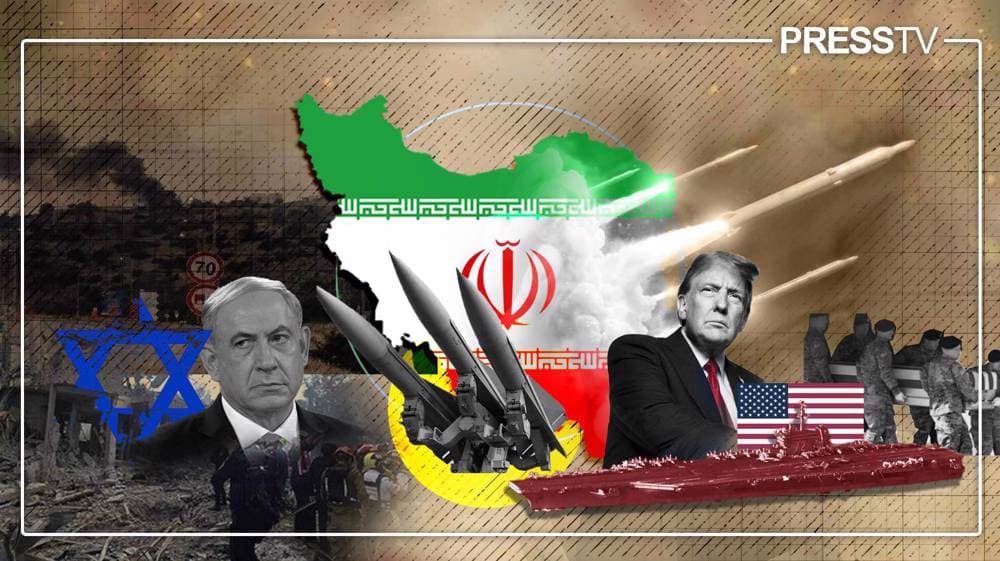
Iran's Weakening of the US Power Projection in West Asia During the 40-Day War: Military Lessons
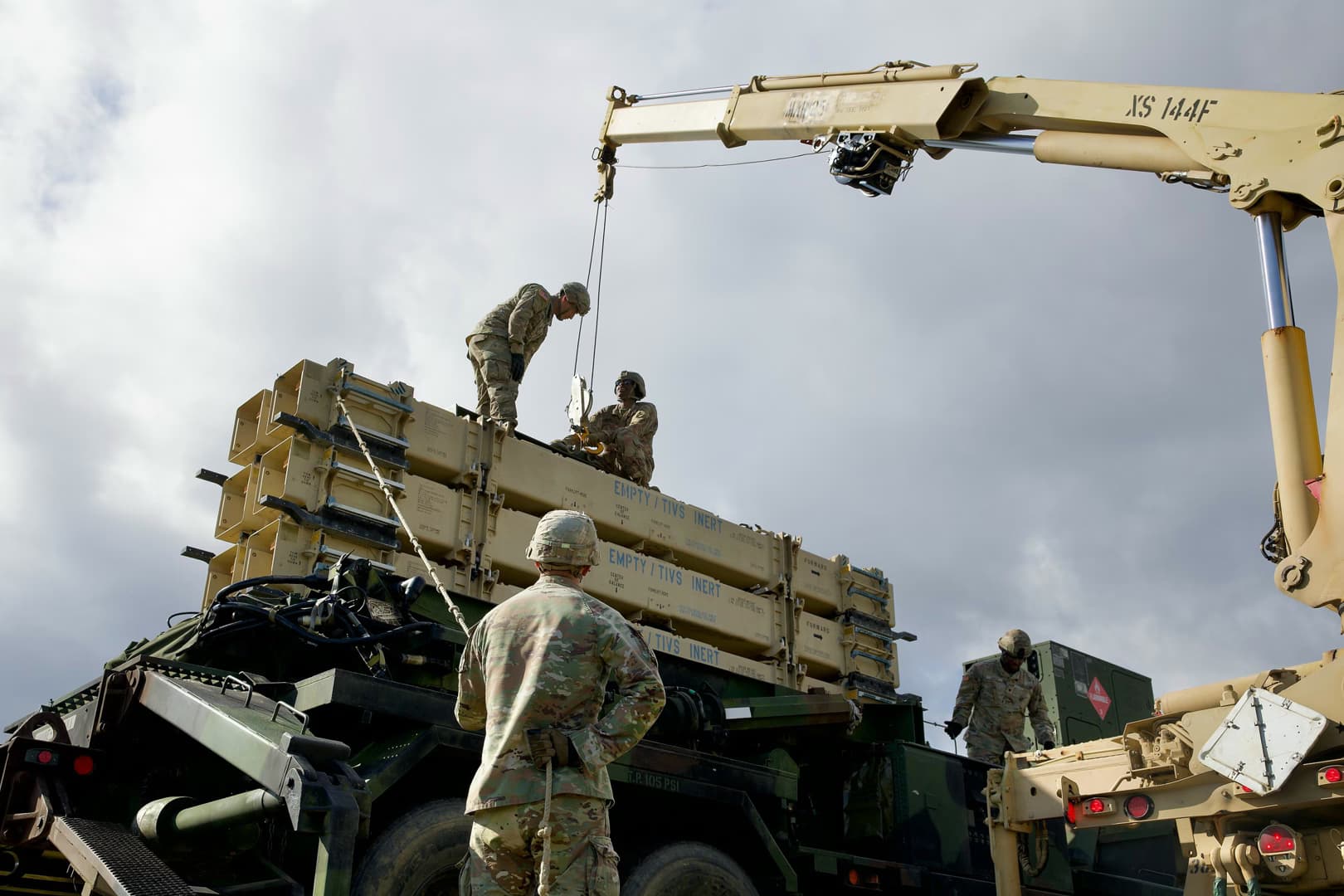
During the 40-day conflict, Iran achieved significant successes against the US military superiority in West Asia through an asymmetric warfare strategy. Coastal defense, ballistic missile capabilities, and electronic warfare skills neutralized US carrier groups and exposed weaknesses in defense systems.
Stay Updated with RuskiGazeta
Subscribe to be informed about special news, developments and announcements. We will keep you informed.
By signing up, you agree to our Privacy Policy