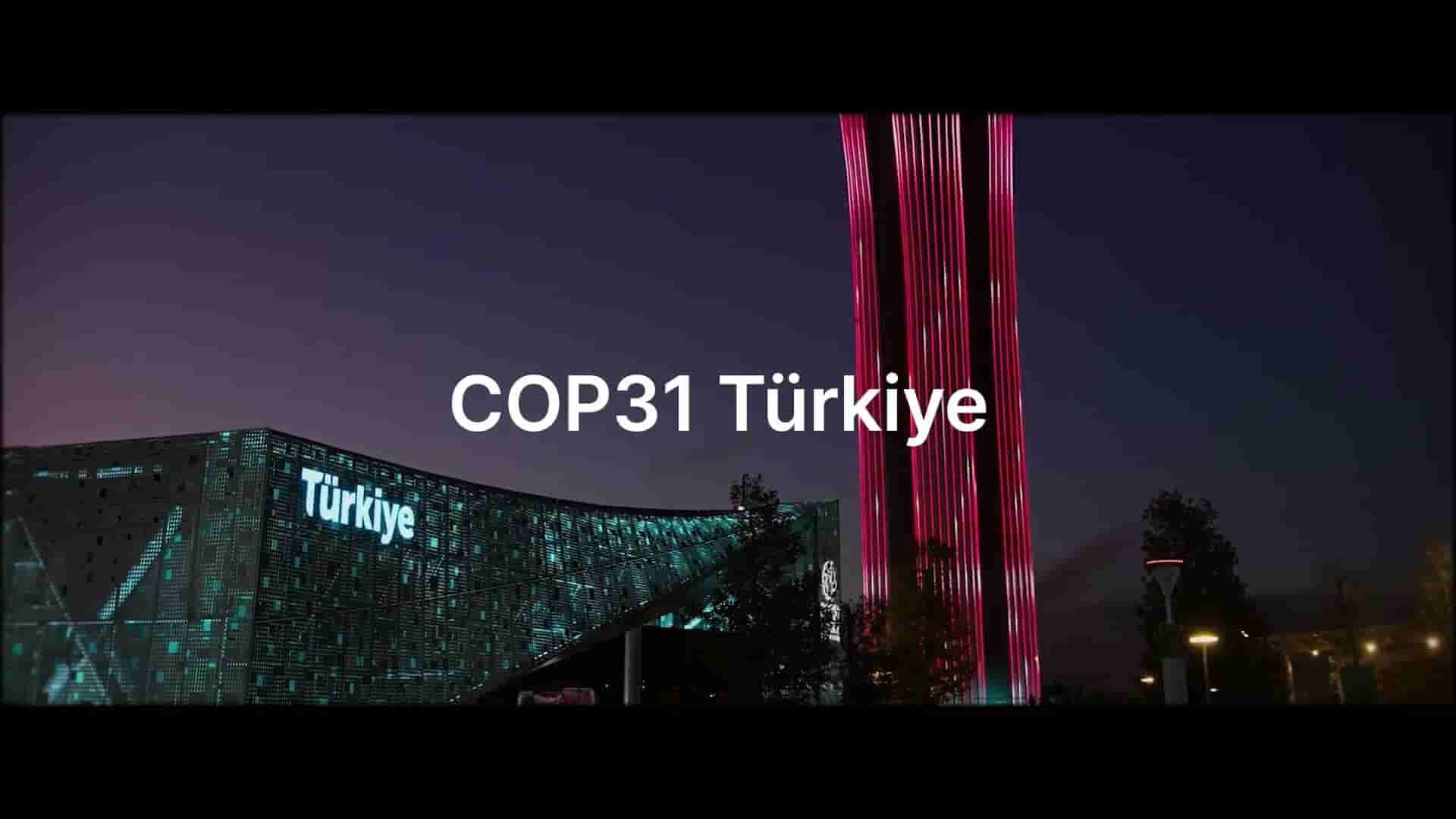
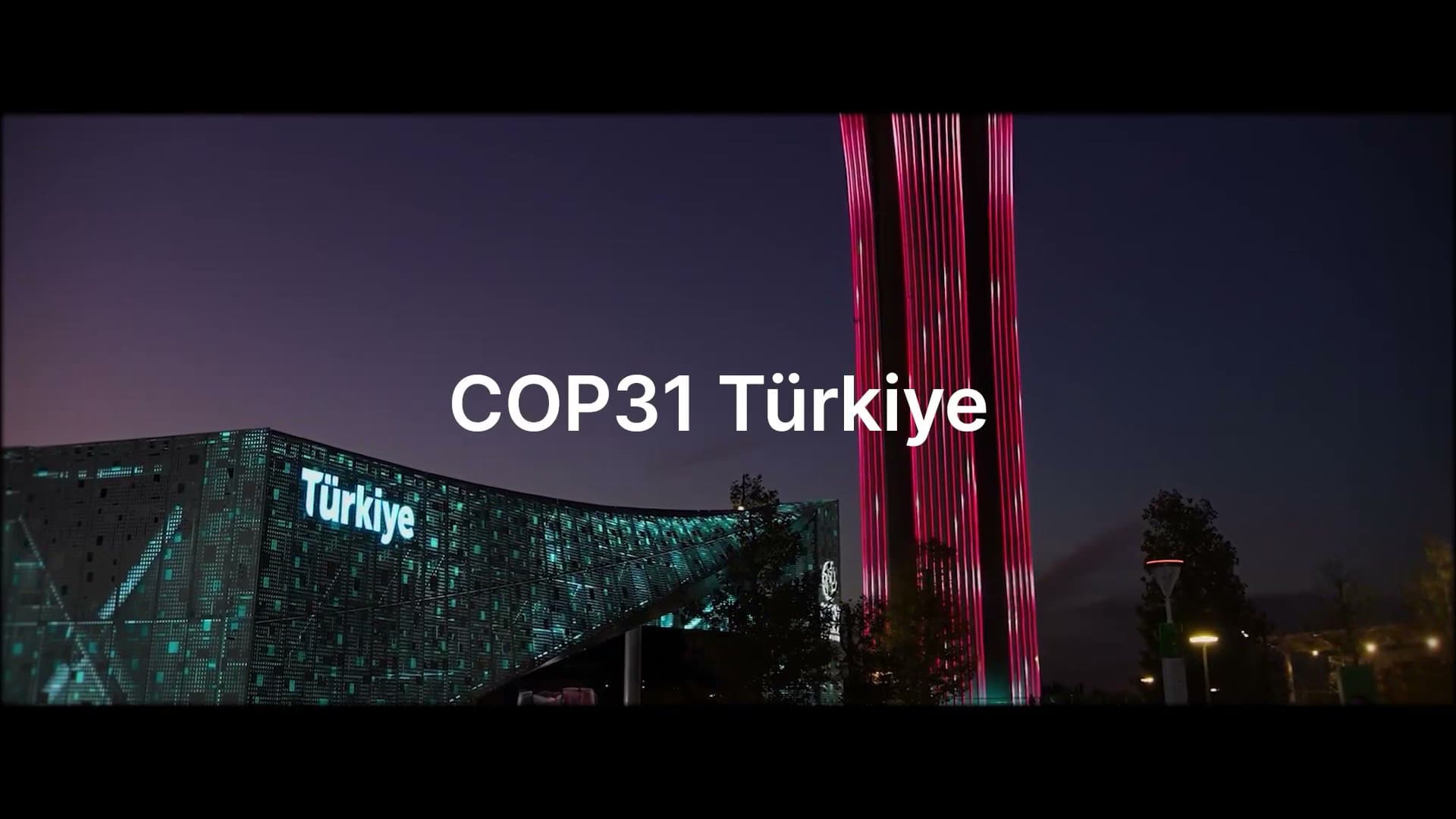
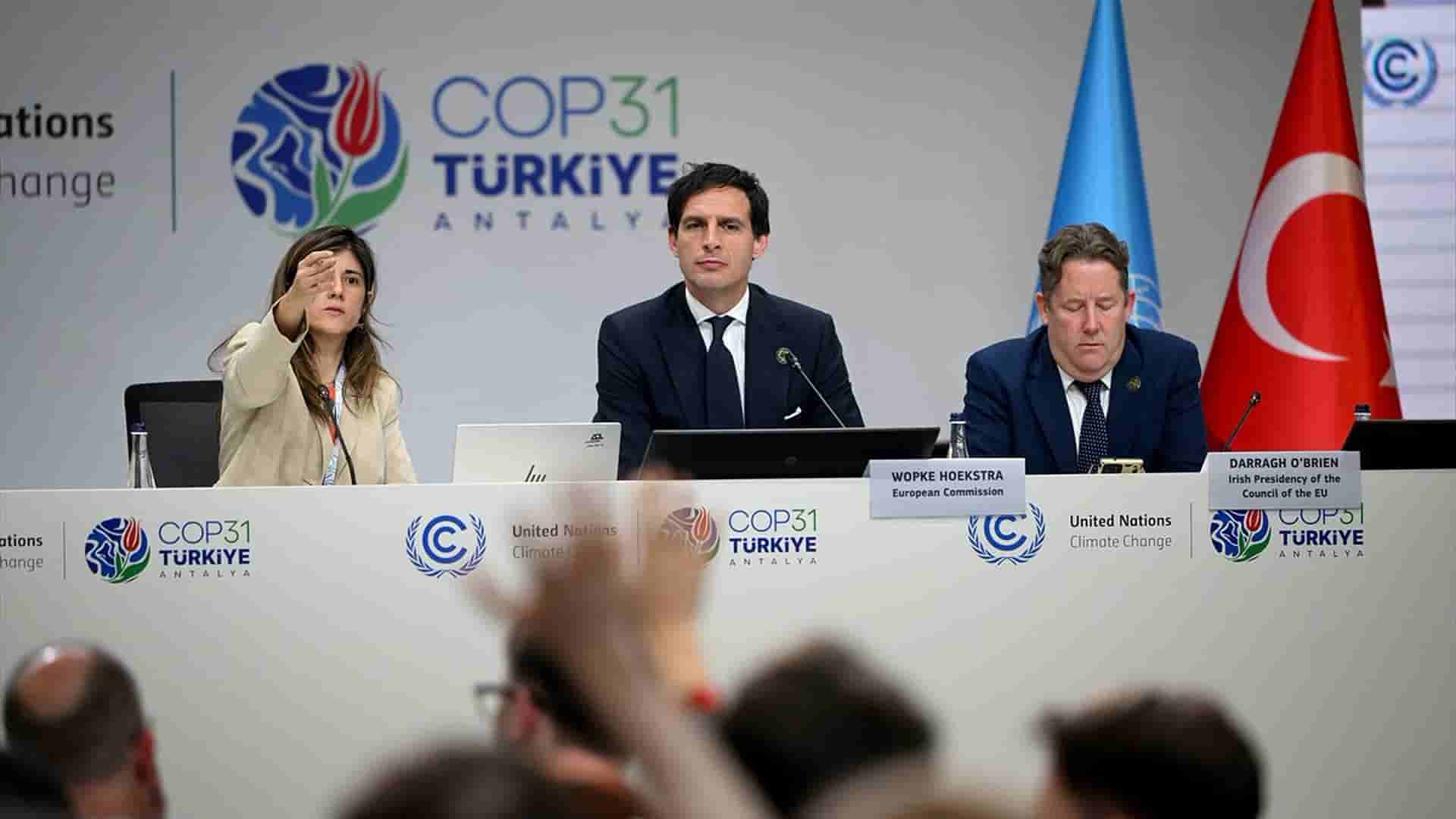
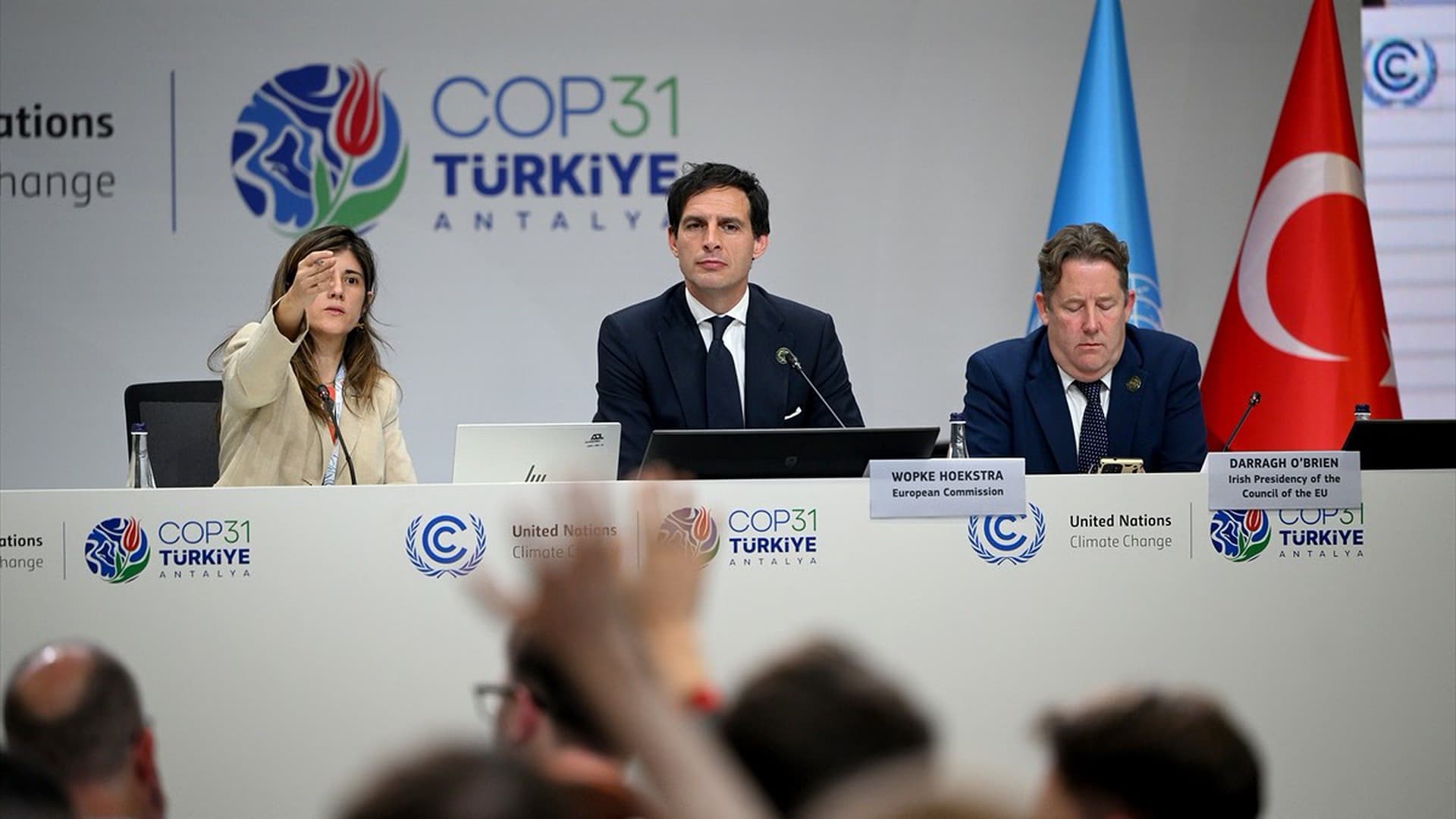
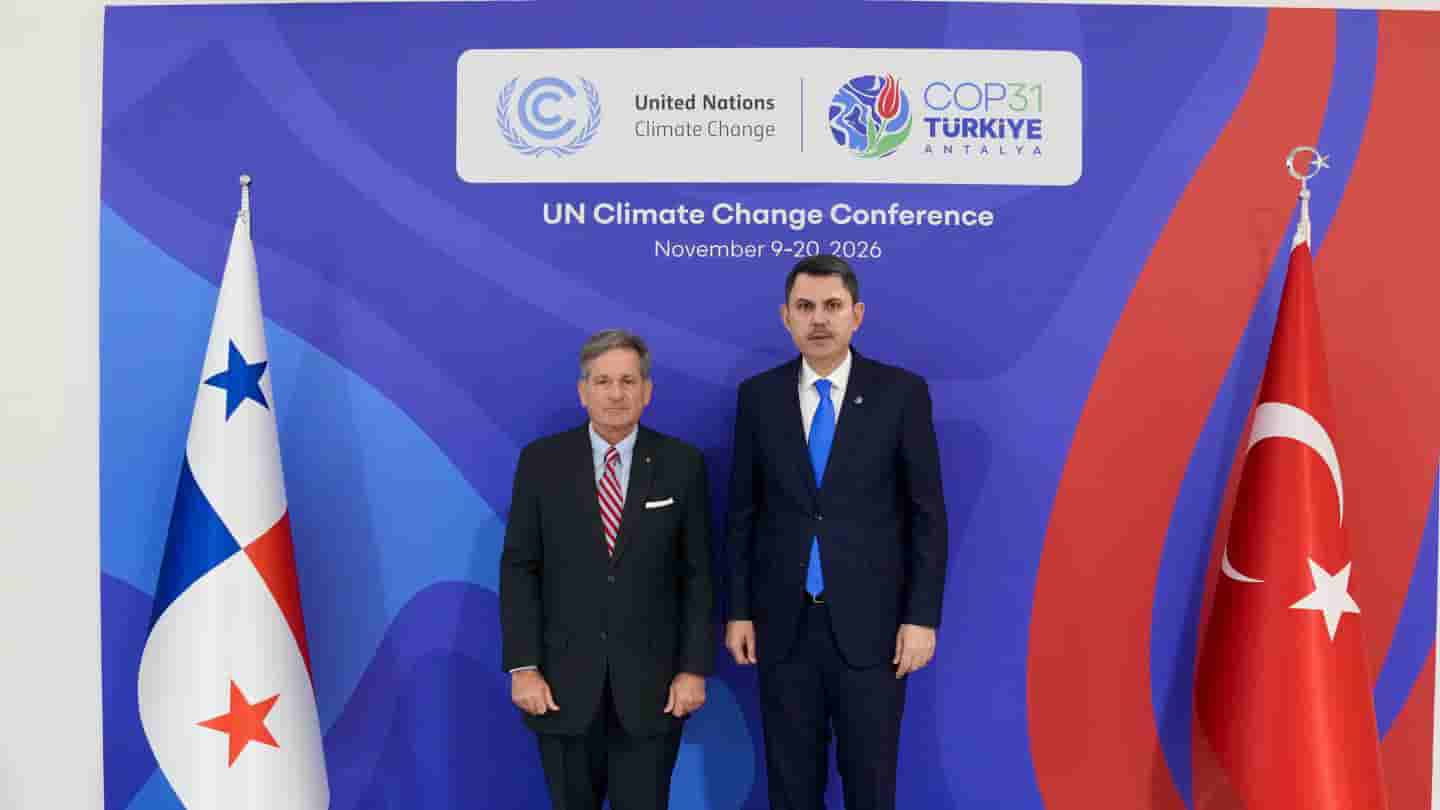
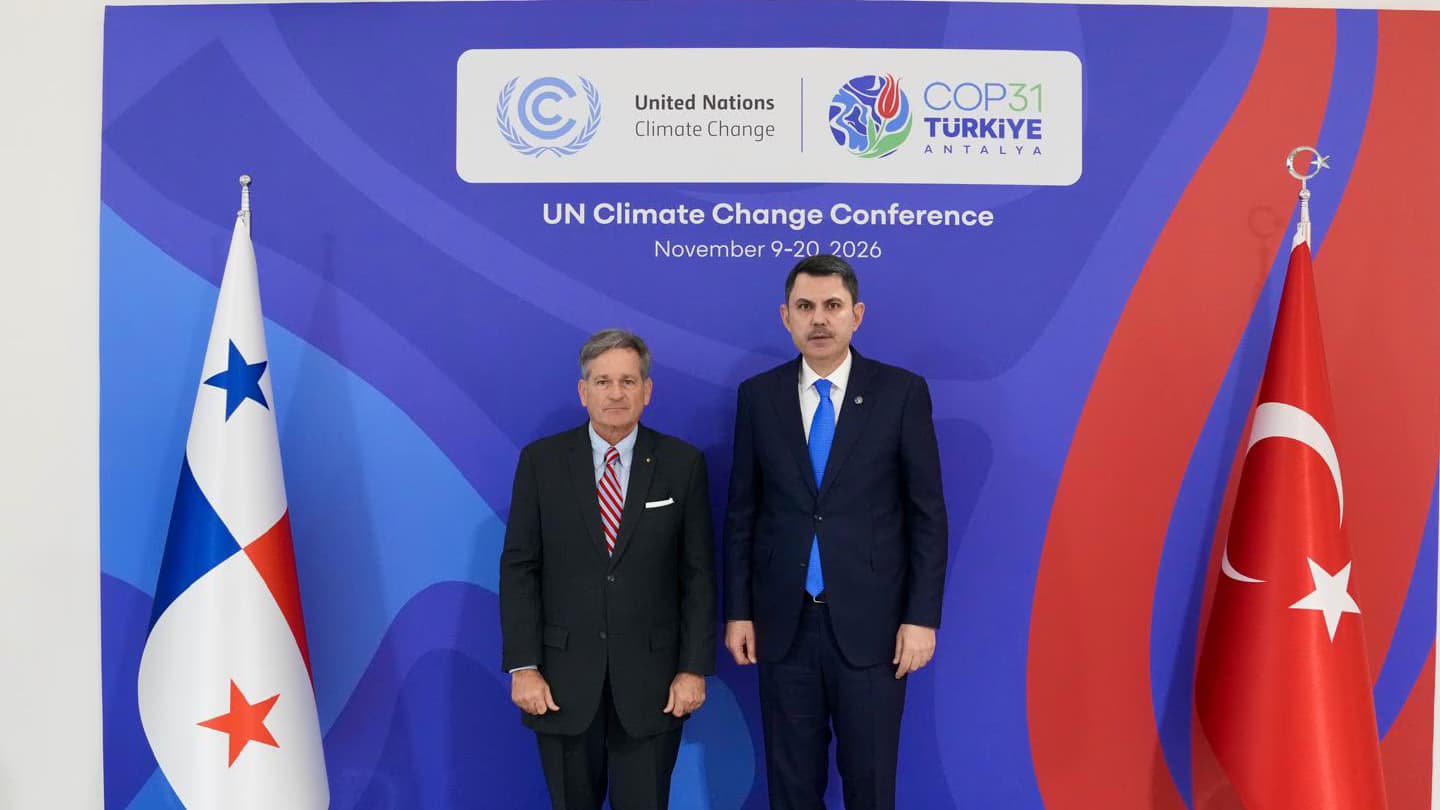
The UN climate conference COP31, being held in Antalya, Türkiye, has entered its final phase. According to the COP31 presidency, as of the morning of November 18, 75 countries had supported Türkiye’s proposed “35 by 35” target of increasing electricity’s share of final global energy consumption from the current approximately 22% to 35% by 2035. Supporters of the initiative include Germany, the United Kingdom, Norway, South Korea, Spain, Japan, Denmark, Canada and Kyrgyzstan; the European Commission announced support from the European Union. The initiative has also received support from 94 companies and civil society organizations.
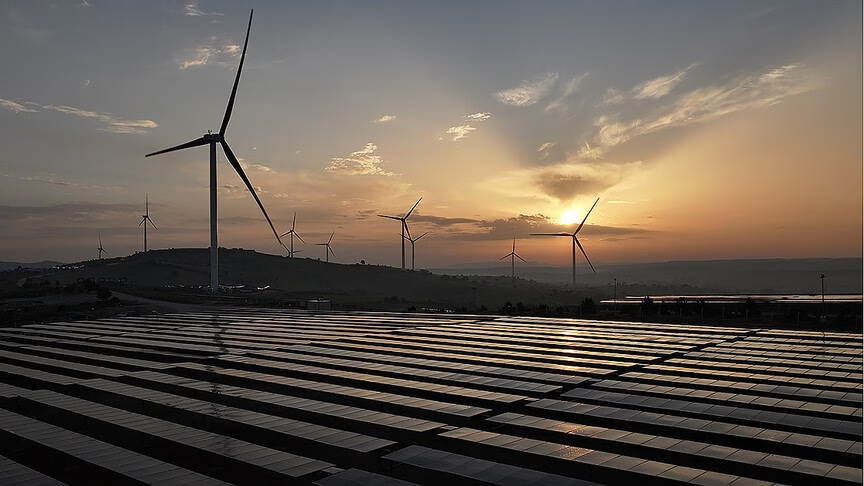
The electrification target was included in the first draft of the final decision, prepared after the first week of negotiations. It is intended to complement the commitment adopted at COP28 in Dubai to triple renewable energy capacity and double the rate of improvement in energy efficiency by 2030.
Russian-Turkish agreement on waste
Russia is represented at COP31 by its own pavilion in the “blue zone.” According to the conference program, an agreement on bilateral cooperation between the Russian Environmental Operator and Türkiye’s Zero Waste Foundation was scheduled to be signed at the Russian pavilion on Wednesday. Waste is one of the main priorities of the Turkish presidency: Ankara has made reducing emissions from the waste sector a central point of COP31’s action agenda, while Zero Waste Foundation head Samed Agirbash is the conference’s high-level climate champion.
Russia at COP31
Russia is actively participating in the conference. COP31 President and Türkiye’s Environment Minister Murat Kurum and Russia’s Economic Development Minister Maxim Reshetnikov signed an agreement in Antalya on cooperation in the field of climate change, providing for the development of a low-carbon economy and the exchange of best practices. Ruslan Edelgeriyev, the Russian president’s special representative for climate issues, discussed the climate agenda with Türkiye’s Energy Minister Alparslan Bayraktar, who said that the Akkuyu nuclear power plant would make a significant contribution to reducing emissions.
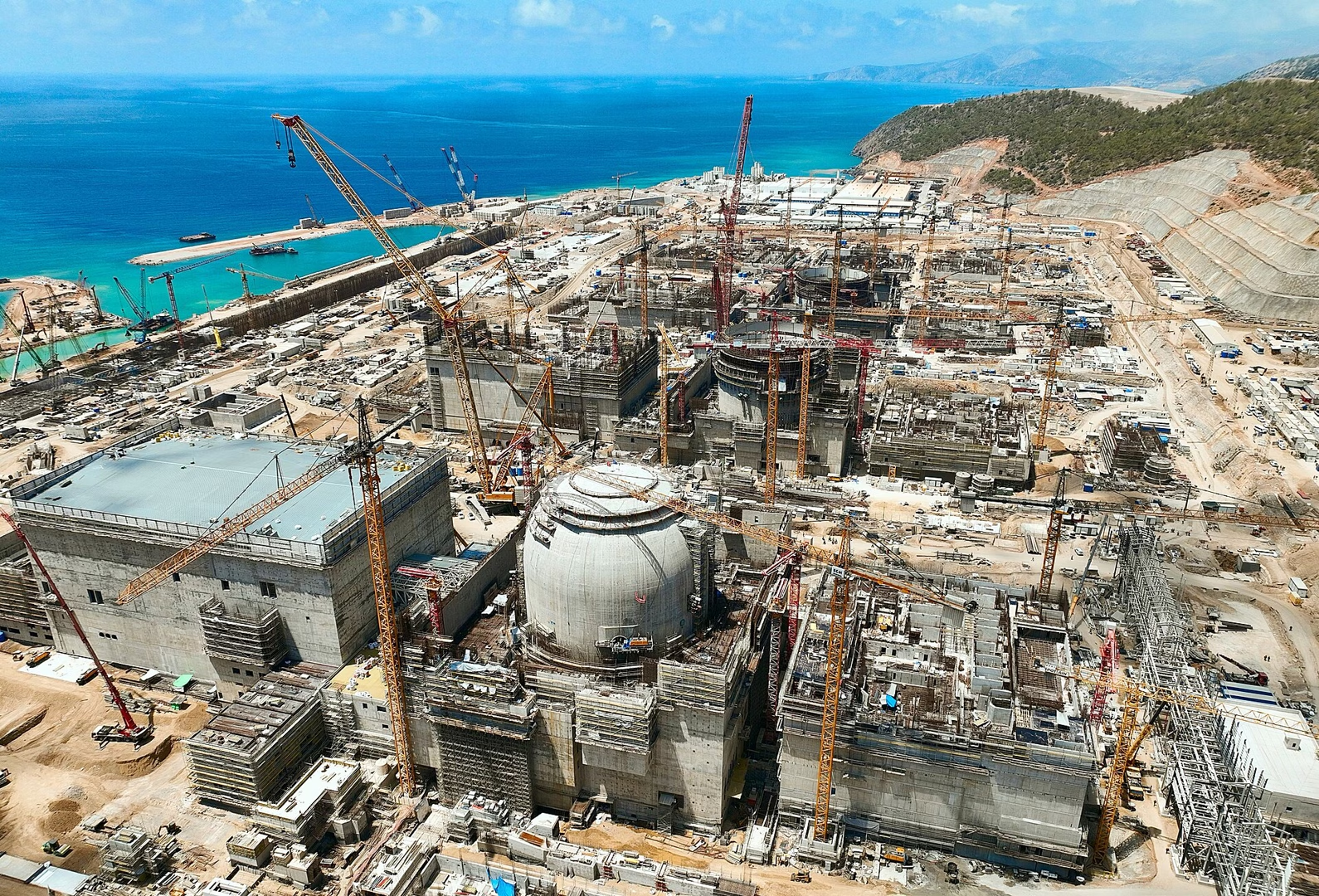
Alongside COP31, Rosatom held the international World Atomic Days 2026 forum in Antalya, timed to coincide with the upcoming launch of Akkuyu’s first reactor unit; the youth program was opened by state corporation head Alexey Likhachev. Petrochemical holding company SIBUR sought Turkish partners at the conference in the carbon credits market, while Aysen Nikolaev, head of Yakutia, proposed including a “northern track” for living on permafrost in the strategy for global cities.
Central Asia and the Caucasus
Representatives of Russia and Ukraine, as well as the heads of state of Central Asia and the Caucasus, were in the same room at the leaders’ summit held in Antalya. Uzbekistan’s President Shavkat Mirziyoyev and Turkmenistan’s President Serdar Berdimuhamedov presented new climate initiatives, Kazakhstan’s Prime Minister Olzhas Bektenov proposed creating an international water organization under the auspices of the UN, and Tashkent and Ankara agreed to cooperate in the field of the circular economy. Kurum also presented the TULIP program for urban projects in Turkic states.
Negotiations remain difficult
Despite support for individual initiatives, the final documents have not yet been agreed. Russia, together with the Arab Group, is questioning the mandate for a common political decision, while Moscow and Riyadh have objections to the first draft of the final text, which contains 144 points, regarding oil and gas. A member of the Brazilian delegation told Anadolu that the draft recognizes the priorities of developing countries but “does not yet meet them,” while Sönke Kreft, an expert at the United Nations University, said that countries were not yet moving closer to consensus and were “consolidating their positions.” During the first week, 102,610 participants registered in the “blue zone,” bringing Antalya close to the record set by COP28 in Dubai.
What comes next
Wednesday at COP31 is dedicated to human and social development, November 19 will focus on strengthening implementation, and on November 20 ministers will hold final negotiations, after which the conference will close. The next conference, COP32, will be held in Ethiopia.
Photo: Anadolu, archive. Video: Türkiye’s Ministry of Environment, COP31 Türkiye.