- BIST10010,977+2.18%
- USD50.70+0.04%
- EUR55.61+0.02%
- GOLD3,668.50+2.91%
- INTEREST36.00%-1.00
- BITCOIN59,683-0.31%
- November 28, 202613°
- BIST10010,977+2.18%
- USD50.70+0.04%
- EUR55.61+0.02%
- GOLD3,668.50+2.91%
- INTEREST36.00%-1.00
- BITCOIN59,683-0.31%
- November 28, 202613°
Poland hands Russian ambassador ‘very tough’ note over Kh-101 missiles
Poland’s Foreign Ministry summoned Russian Ambassador Georgy Mikhno and handed him a protest note over three Kh-101 missiles that fell on Polish territory. Mikhno said Warsaw had provided no evidence of Russia’s involvement.
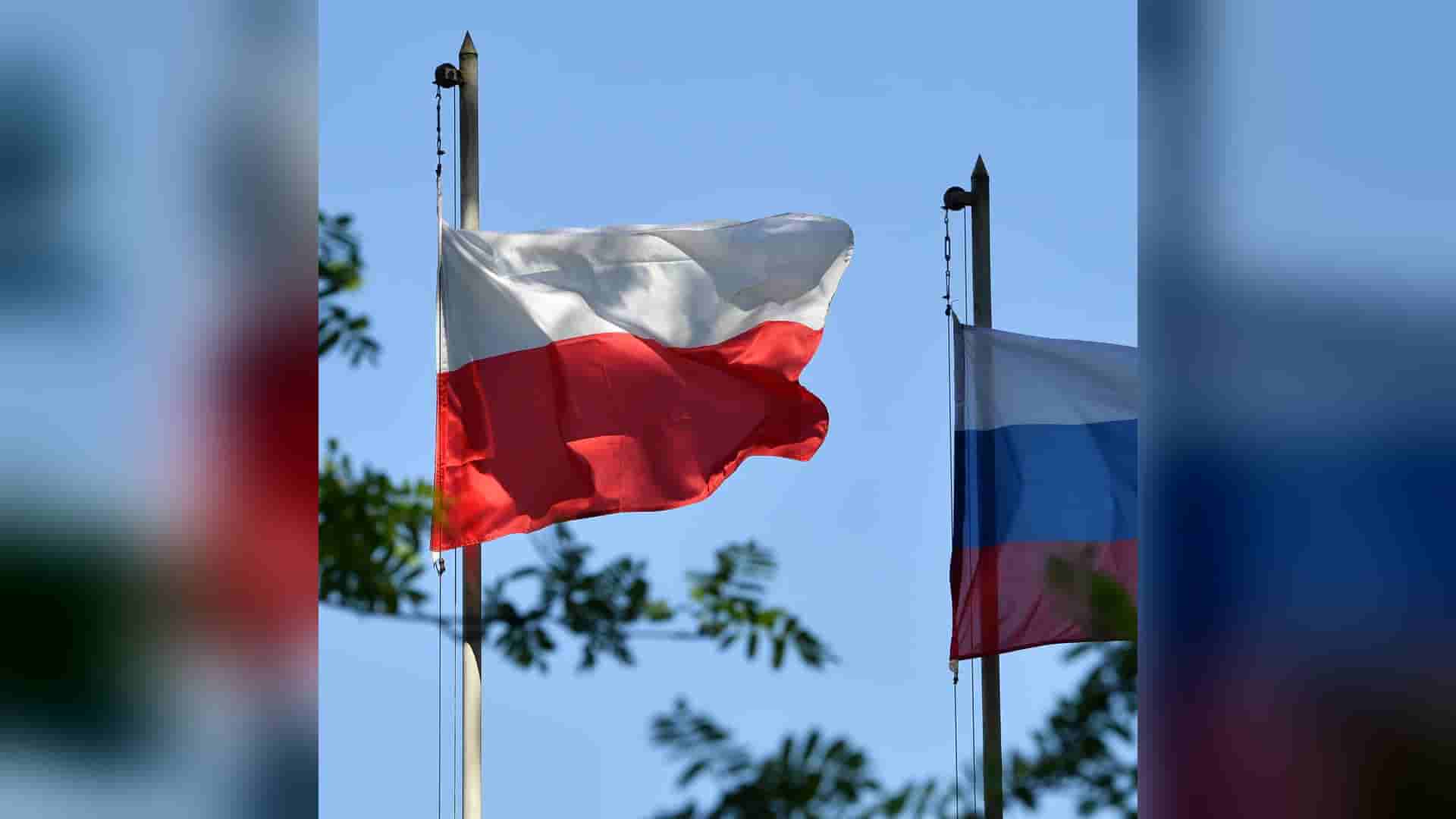
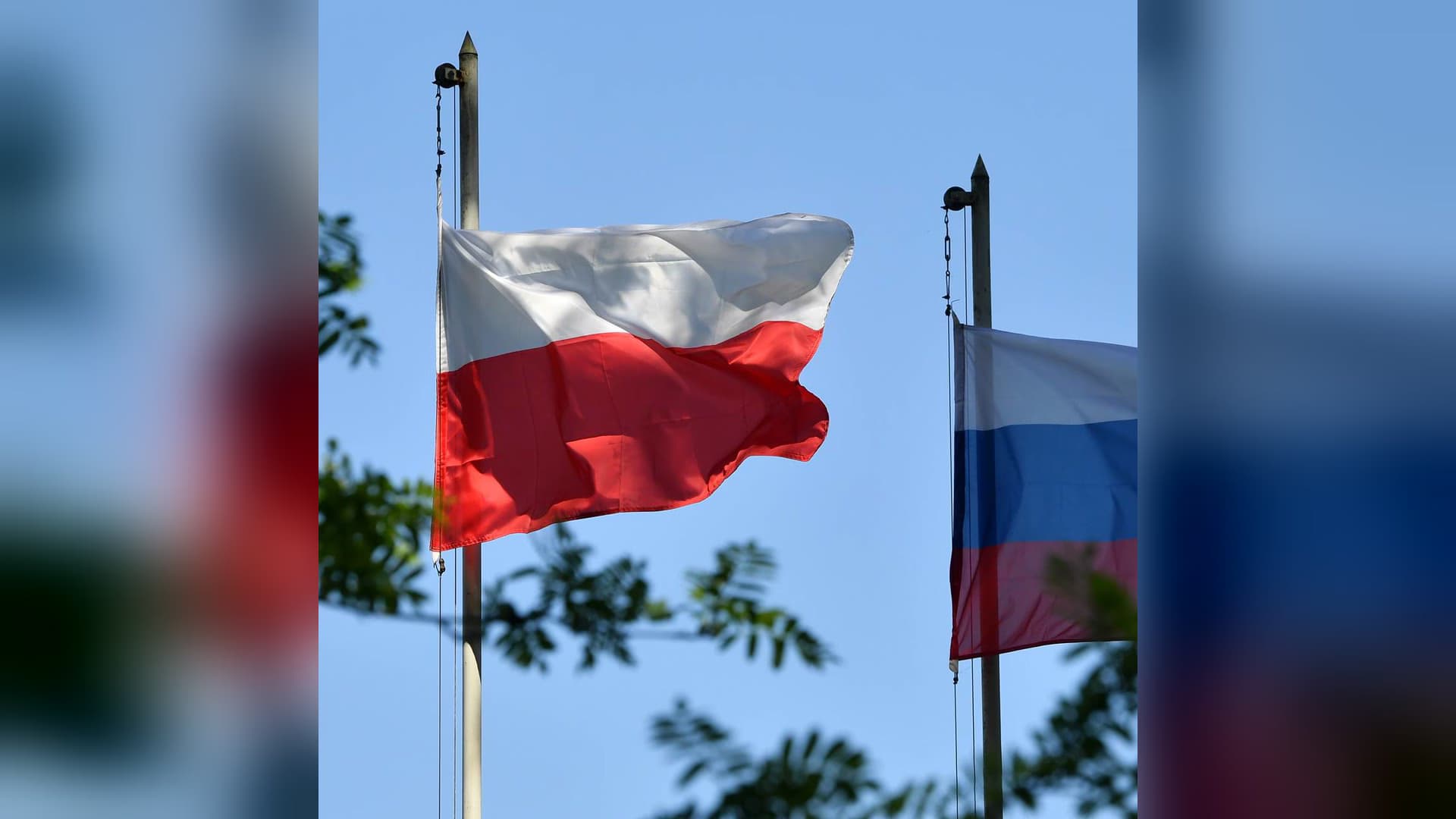
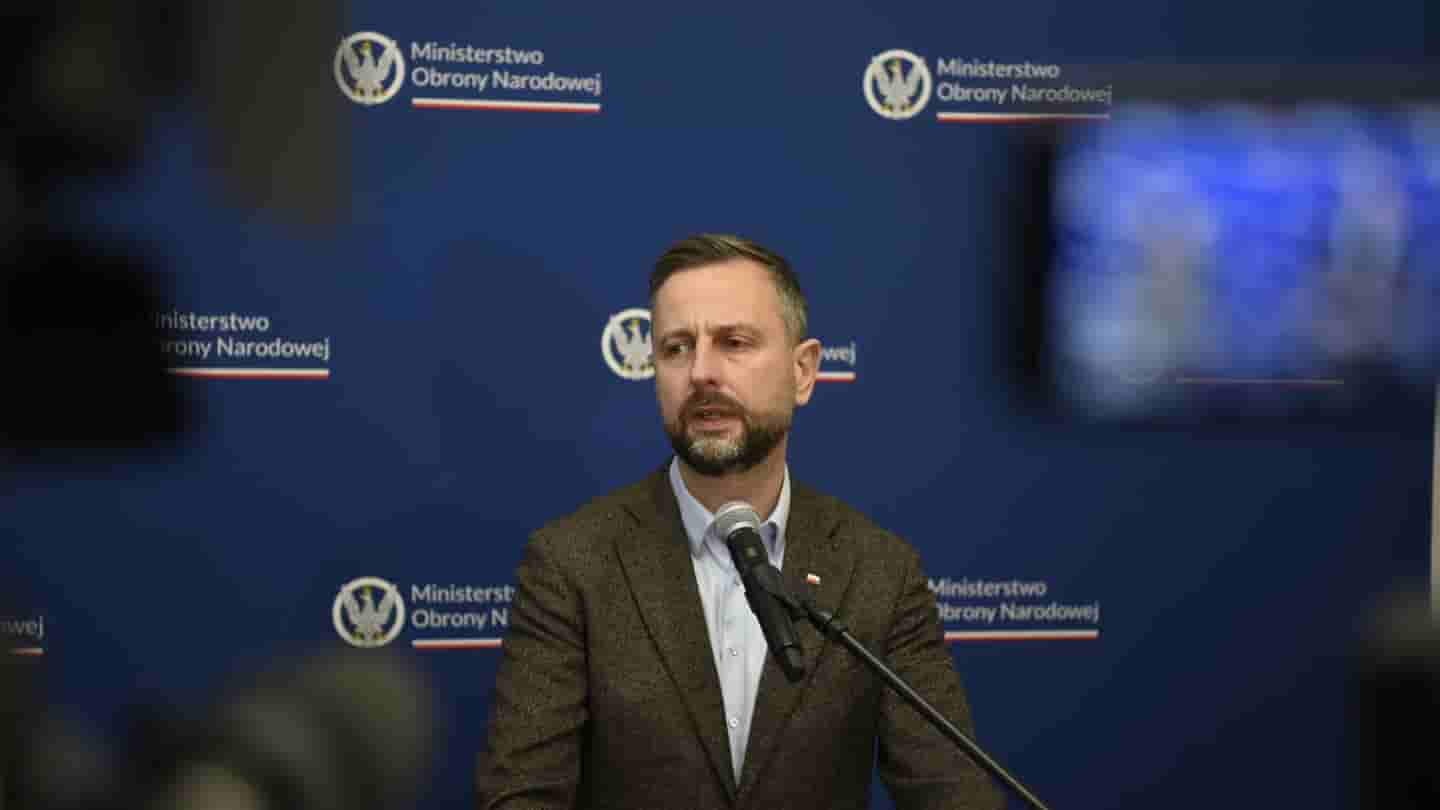
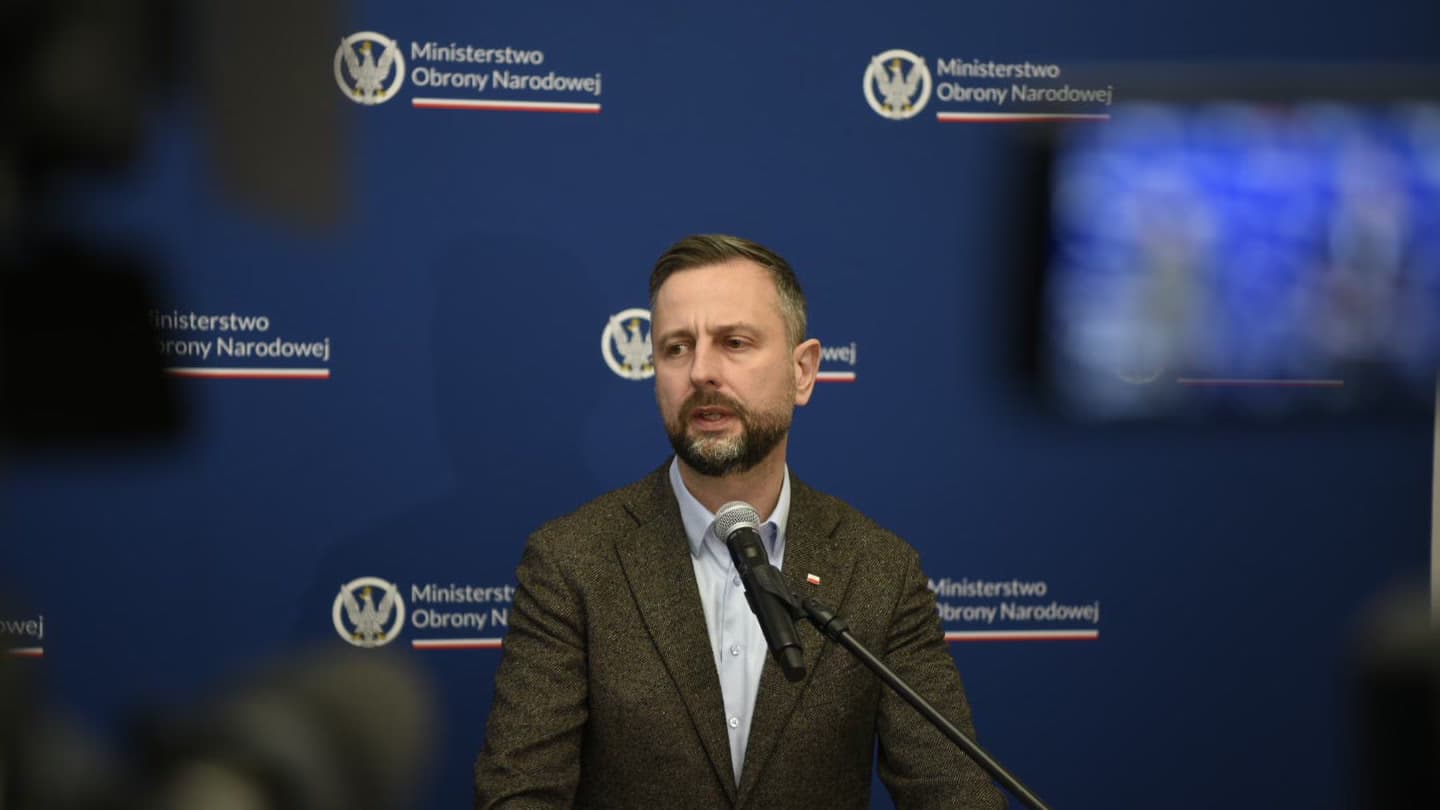
Poland’s Foreign Ministry summoned Russian Ambassador to Warsaw Georgy Mikhno and handed him a “very tough diplomatic note” over the violation of Polish airspace, Foreign Ministry spokesman Maciej Wewiór said.
The move followed the entry into Poland of three Kh-101 cruise missiles during Russia’s mass strike on Ukraine on Nov. 20. The missiles fell in the country’s southeast, near the settlements of Nowy Lipowiec, Rudnik nad Sanem and Mołodycz. Poland’s prosecutor’s office said debris found at the three sites belonged to Kh-101 missiles produced in October or November 2026.
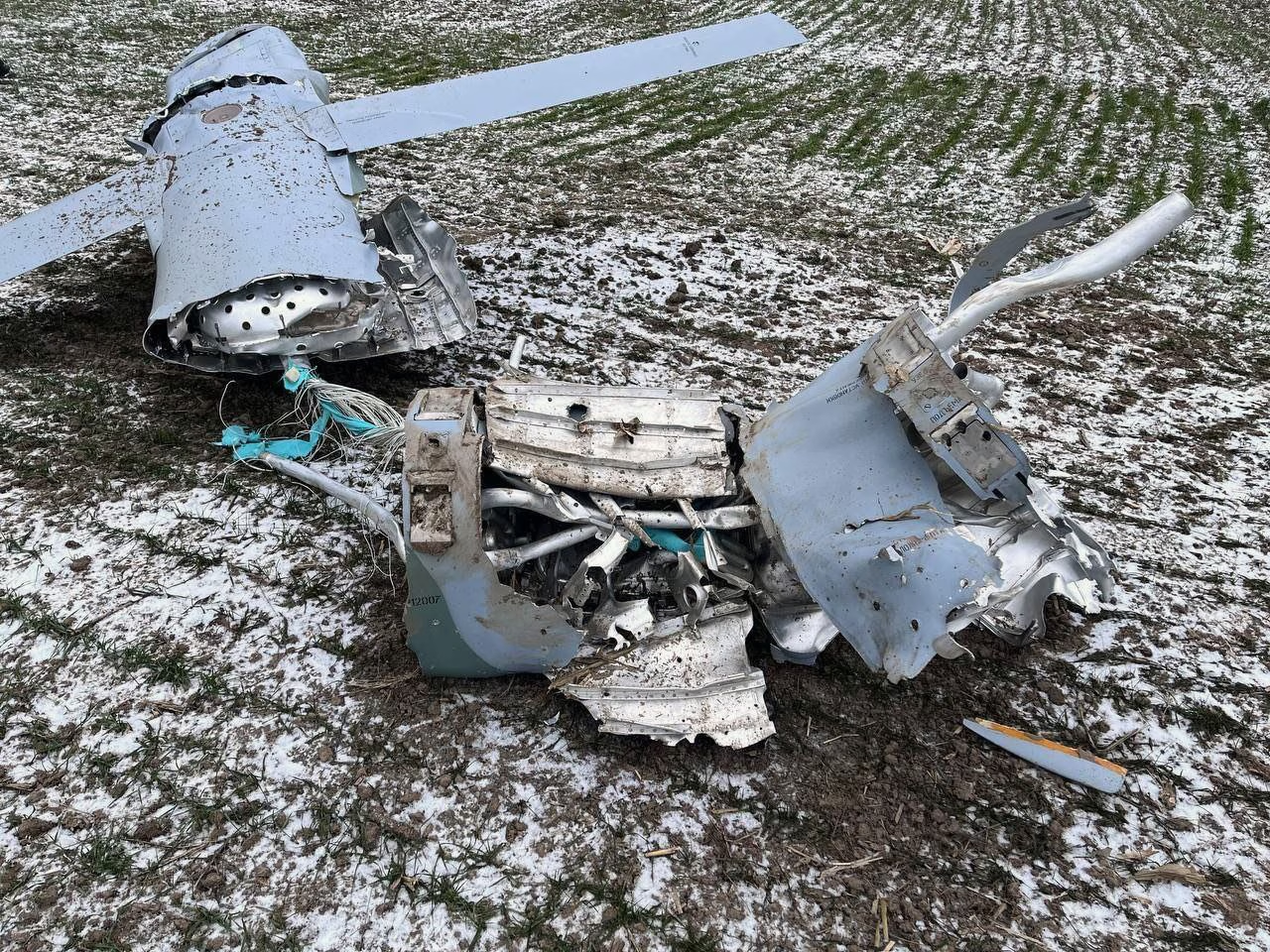
“The matter is not up for discussion”
Wewiór said the missiles’ origin was known and was not a subject for discussion, adding that the ambassador knew where they came from. He said Poland would strengthen its defenses in every possible way “in solidarity with NATO countries” and continue supporting Ukraine. The Foreign Ministry spokesman did not rule out further diplomatic steps, including expelling the ambassador, but called for calm, noting that Poland also has an ambassador in Moscow.
Mikhno denied Russia’s involvement in the incidents as he left the ministry. He said Warsaw had not presented convincing and verifiable evidence of the origin of the “aforementioned objects.”
Drone, AWACS and US troops
A Russian drone briefly entered Polish airspace overnight on Nov. 24. The military had authorization to shoot it down but did not open fire because of the risk to civilians after the drone changed course.
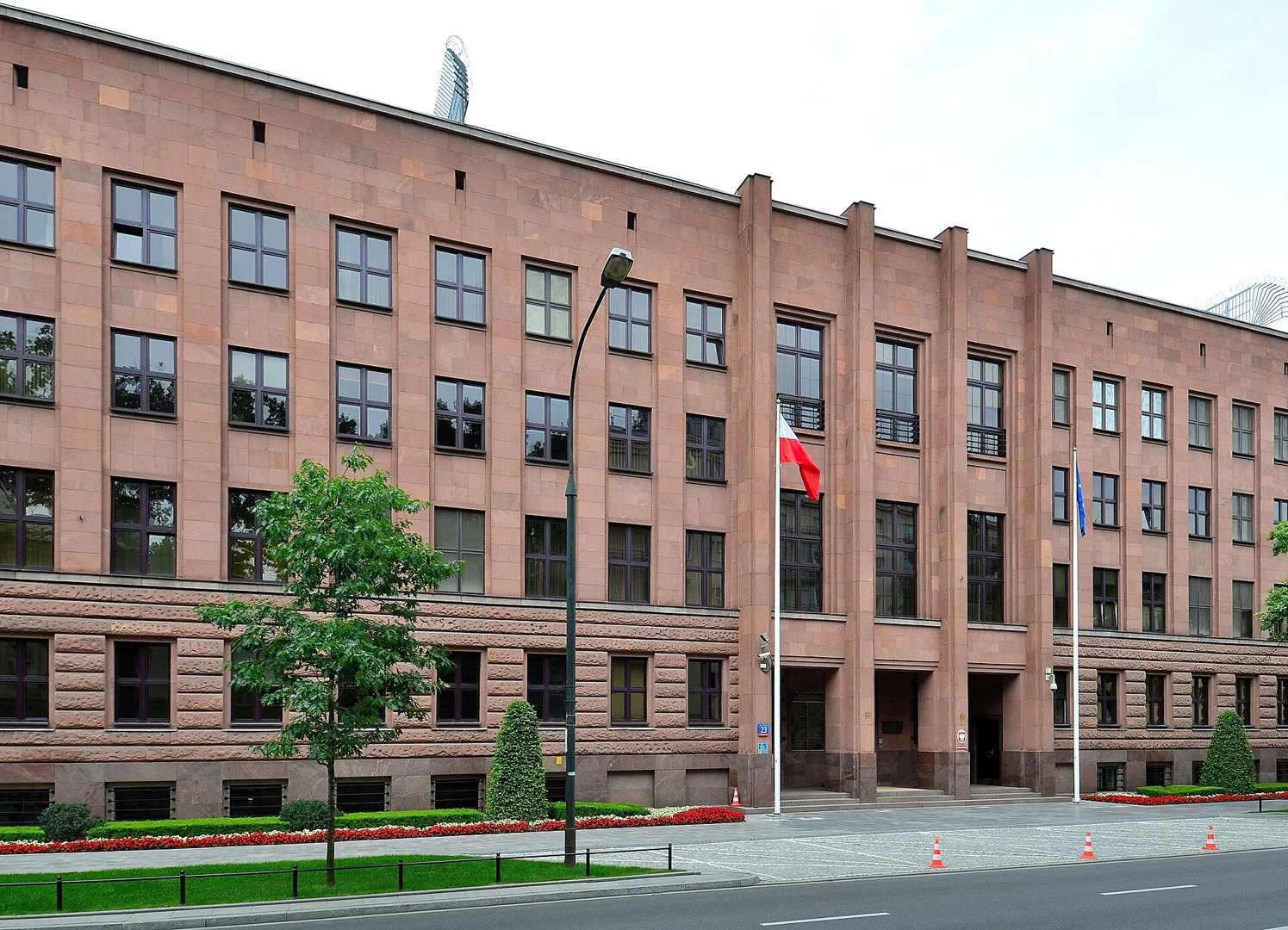
After an emergency meeting of the North Atlantic Council on Nov. 23, NATO decided to send an Airborne Warning and Control System (AWACS) aircraft to Poland. Bogdan Klich, Poland’s chargé d’affaires in Washington, said he had briefed the US National Security Council on the incidents and again raised the issue of permanently stationing US troops in Poland.
Stay Updated with RuskiGazeta
Subscribe to be informed about special news, developments and announcements. We will keep you informed.
By signing up, you agree to our Privacy Policy