German Chancellor Friedrich Merz made significant moves in both foreign and domestic policy midway through his first year in power. In a speech titled "The center delivers" at the Bundestag on July 9, 2026, Merz, buoyed by the NATO summit in Ankara, announced the purchase of Tomahawk cruise missiles with a range of 2,500 kilometers, which will close a strategic gap in Germany's defense.
In the same speech, he also shared the news that German company ThyssenKrupp Marine Systems had won Canada's tender for 12 submarines. The chancellor also highlighted domestic policy steps such as pension system reform and the work of a "deregulation cabinet" aimed at reducing bureaucracy.
Cabinet power play
Prior to these announcements, Merz carried out a critical cabinet reshuffle in his government. The changes, made at a time of growing dissatisfaction with the performance of the coalition of CDU/CSU and SPD, demonstrated the chancellor's determination to take the initiative.
The changes began when Jens Spahn, the CDU/CSU parliamentary group leader, sparked public debate with his decision to have a child via surrogacy in his same-sex marriage. Under pressure from Merz, Spahn stepped down and was replaced by Thorsten Frei. Health Minister Nina Warken was appointed head of the Chancellery. The vacant health ministry post was filled by CDU General Secretary Carsten Linnemann.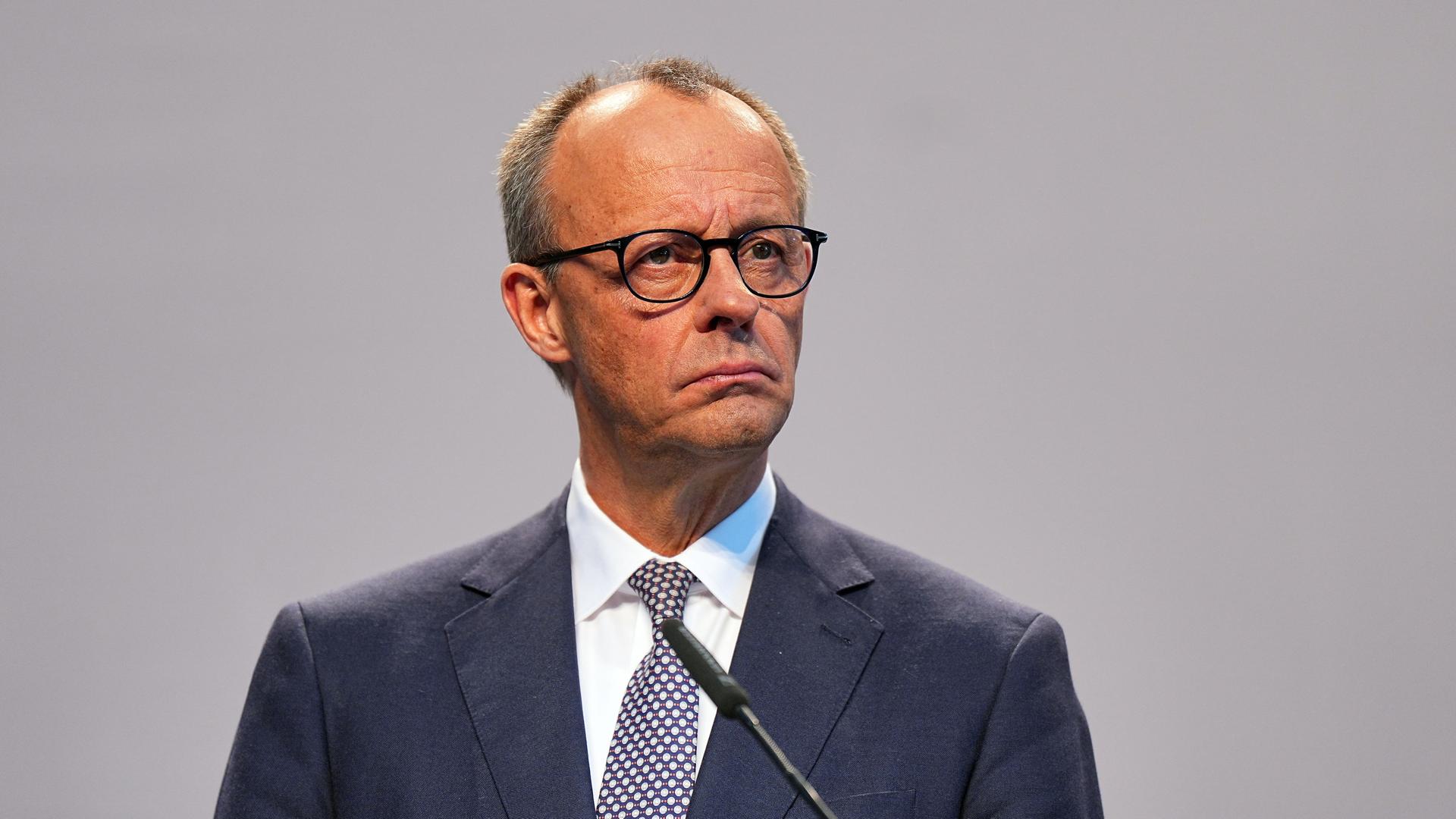
These moves were interpreted as Merz's strategy to both consolidate loyalty within the party and entrust power at the center of government to his closest associates.
Far-right threat grows
Despite all the government's reform and defense investment efforts, support for the Alternative for Germany (AfD) party continues to grow. Polls show support for the AfD has increased by 8 percent at both federal and state levels. The possibility of an AfD candidate being elected in the state of Saxony-Anhalt in September 2026 is being described as an "earthquake" in German politics.
The government, which Merz describes as a "learning system," cannot escape the agenda set by the AfD. The fact that a strategy has yet to be developed to expose the party's contradictions in economic policy and its pro-Russia foreign policy stance stands out as the coalition's biggest dilemma.
While the National Security Council's failure to become an effective coordination mechanism is also a subject of criticism, Merz pointed to the importance of bringing such a structure to life in four months after 30 years of debate. Although the chancellor is strengthening Germany's hand with his maneuvers on the international stage, the footsteps of a political earthquake at home are growing louder.